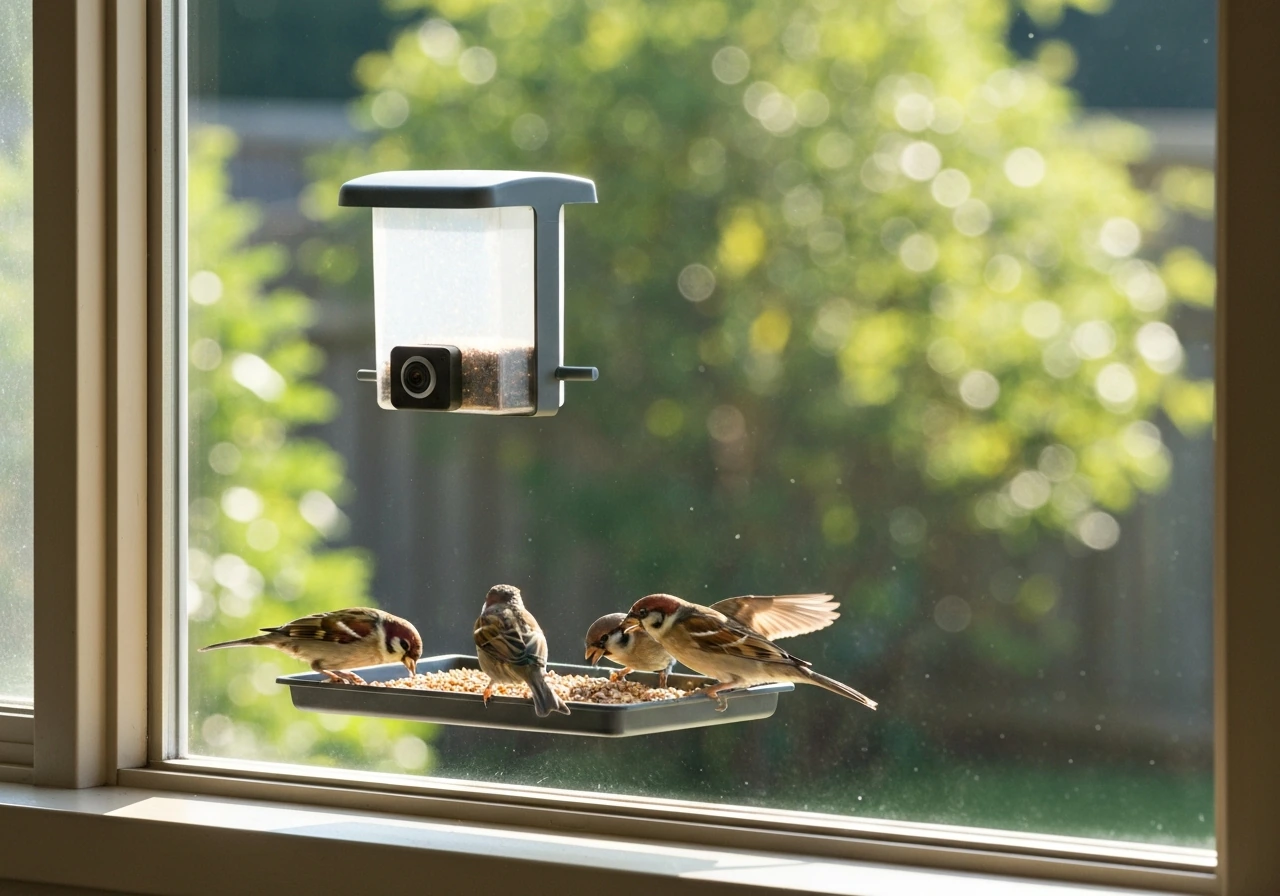
The TT Nature smart bird feeder is a decent mid-range solar-powered feeder camera that works well for casual backyard birding and hands-off wildlife monitoring, but it has real limitations around app reliability, subscription gating, and image quality that you need to know about before buying. If you want a reliable, set-it-and-forget-it smart feeder that delivers crisp bird IDs and consistent alerts, it can do the job, but only if your setup conditions are right and you go in with realistic expectations.
TT Nature Smart Bird Feeder Review: Worth Buying?
Marcus Hendricks
24 Jun 2026
What the TT Nature smart bird feeder actually is
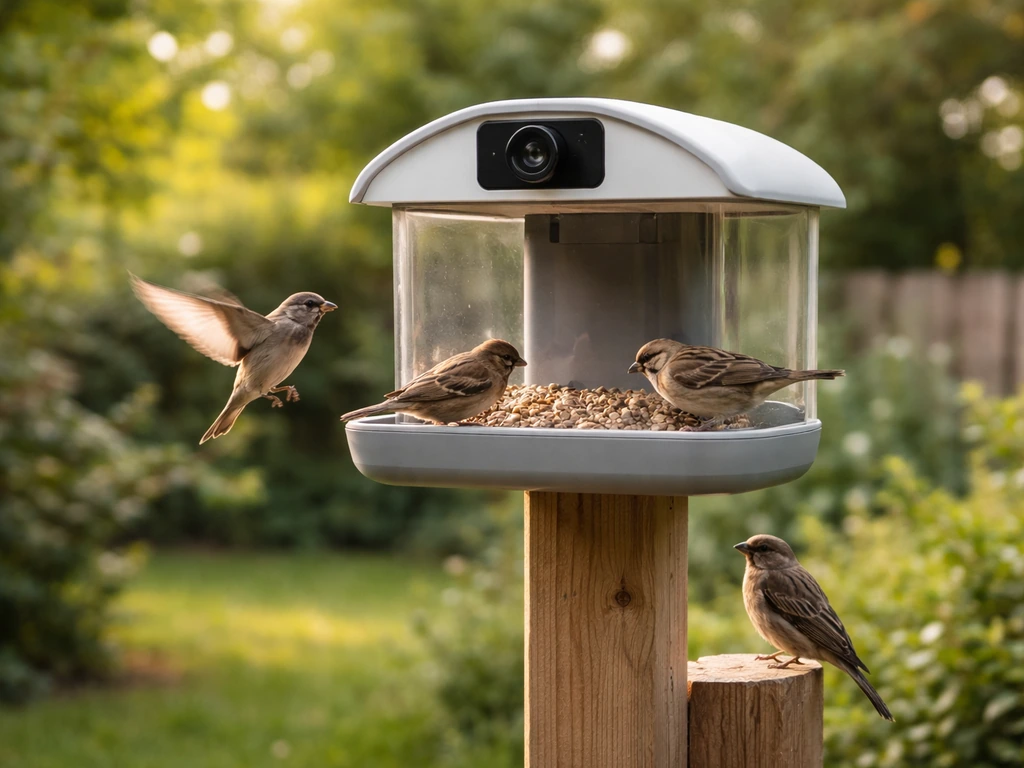
TT Nature makes a small lineup of solar-powered feeder cameras that combine a seed tray or hopper-style feeding dish with a built-in camera, AI-powered bird recognition, and a companion app called Birdty. The core idea is simple: birds land, the camera detects motion, it captures a 20-second video clip, identifies the species using AI, and sends a push notification to your phone. You can then watch the footage, share clips, and browse what's visiting your yard without sitting outside.
There are a few variants in the TT Nature lineup. The TT Nature 113 and the HDPE Bird Feeder 111 are the most commonly listed models in 2026. Both run on a 3-watt solar panel paired with an onboard battery (5000mAh or 5200mAh depending on the variant), use a 1080P camera, and connect over 2.4GHz Wi-Fi only. This is not a premium 4K feeder camera. It's positioned in the affordable-to-mid tier, competing with feeders from brands like Birdfy and Bird Buddy, and it's aimed at people who want smart features without spending $150 or more.
The smart features that actually matter, and how TT Nature stacks up on each
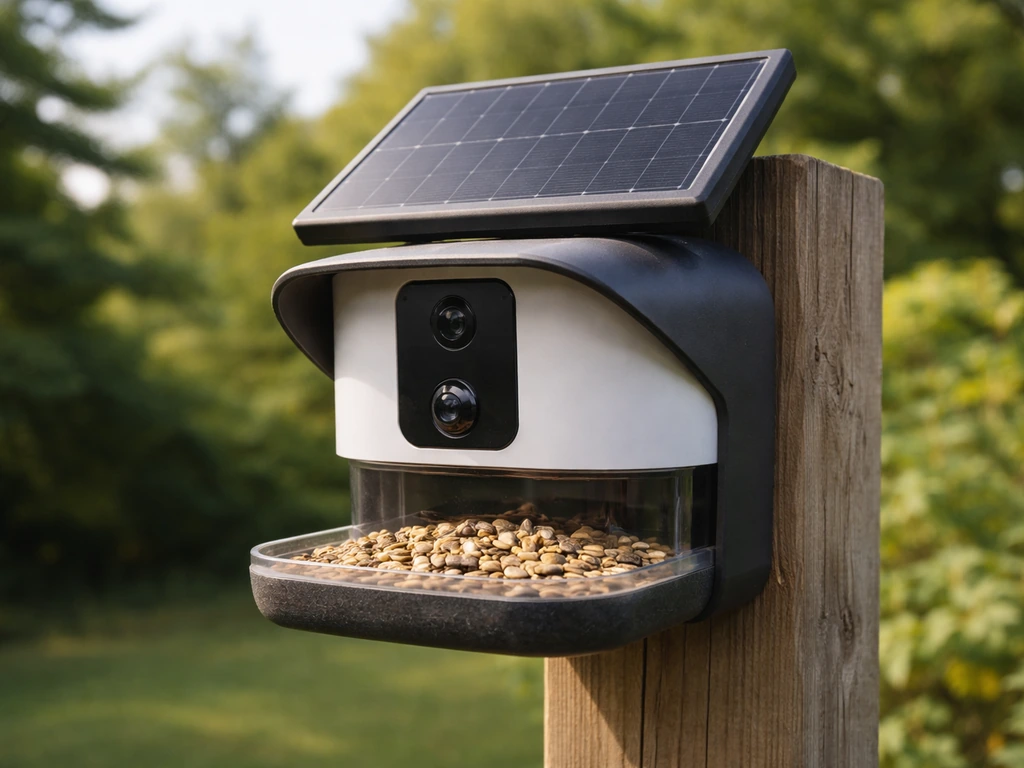
Before getting into the TT Nature specifically, it helps to know which smart feeder features are genuinely useful versus which ones are just marketing. Here's what I look at in any feeder camera, and how the TT Nature performs on each.
Camera quality
The TT Nature uses a 1080P sensor running at 15fps, with a 135-degree horizontal field of view, 85-degree vertical, and a 168-degree diagonal. That's a genuinely wide viewing angle, which is good because birds don't always land exactly where you expect. The minimum illumination is 0.01 lux, and night vision infrared range reaches about 23 feet. In practice, 1080P at 15fps is fine for identification purposes in good light. Where it falls short is in low light and heavy shade: the footage can get soft, and at 15fps there's some choppiness compared to 30fps cameras. The manual specifically warns against pointing the lens at direct sunlight, which is worth taking seriously. Backlighting washes out details fast.
Motion detection and alerts
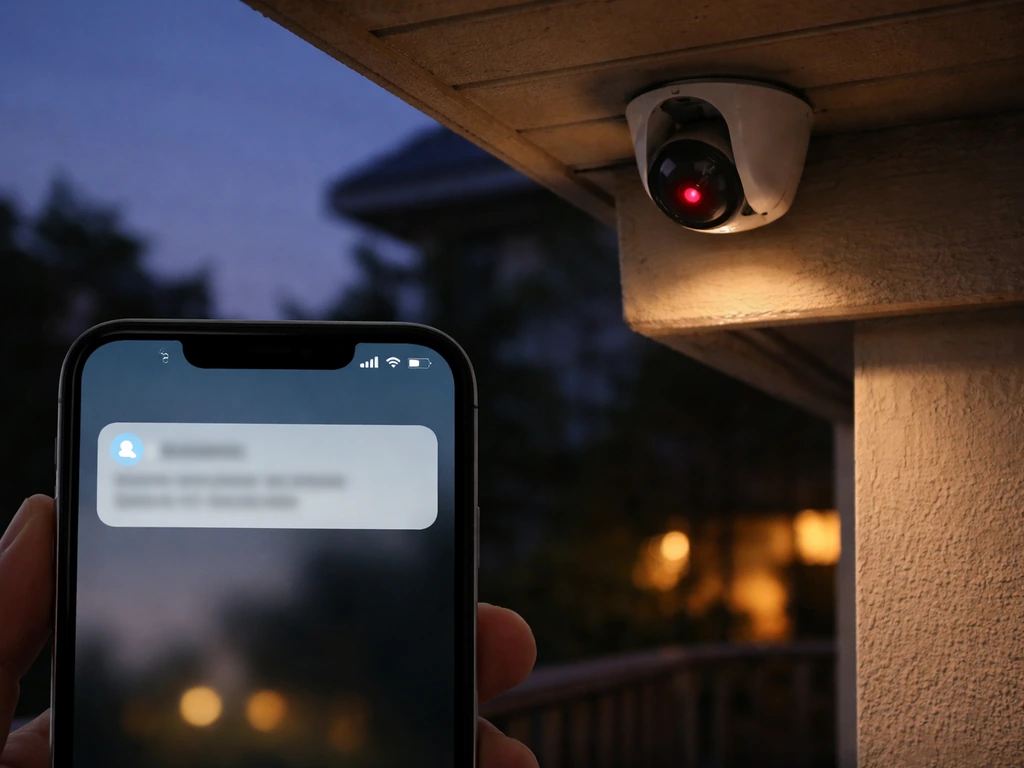
TT Nature claims a 0.5-second detection time, which sounds impressive. In real-world use, the motion detection is responsive, but the notification chain (detection, upload, app push) introduces latency that makes "instant" alerts feel more like delayed recaps. If your phone's notification permissions for the Birdty app aren't fully enabled, you may miss alerts entirely, which is a frustrating but fixable problem. TT Nature's own support page flags this as the most common cause when the camera is detecting birds but the phone stays silent.
Solar and battery power
The 3W solar panel and 5000mAh (or 5200mAh) battery combination is genuinely useful in summer when sun is plentiful. Charging takes 8 to 10 hours, and the solar panel can maintain the battery through most sunny days without ever needing you to plug in. In winter, overcast regions, or yards with heavy canopy shade, you'll need to rely more on the included 9-foot charging cable to top it up. This is true of basically every solar feeder camera at this price point, so it's not a knock on TT Nature specifically, just something to plan for.
App experience
The Birdty app (available on both iOS and Android) is where TT Nature's weak spots show up most clearly. Setup requires scanning a QR code during onboarding, which can be finicky if you're in bright light, since strong ambient light interferes with the QR scan. The feeder only works on 2.4GHz Wi-Fi, so if your router is 5GHz-only or doesn't broadcast a separate 2.4GHz band, you'll have connectivity problems. User reviews on both the App Store and Google Play mention inconsistent AI feature triggers and occasional notification spam versus missed alerts. The community features (Birdty platform sharing) are a nice touch if you enjoy that kind of thing, but they're not a core reason to buy.
Subscription and AI features
Here's something to be clear-eyed about: TT Nature's AI bird recognition features come with a 7-day free trial. If you are comparing it to other smart feeders, the isyoung smart bird feeder review will help you see how different models handle AI recognition and alert reliability TT Nature's AI bird recognition features come with a 7-day free trial. After that, continued access to AI ID and some cloud features requires a paid subscription. This is becoming common across smart feeder cameras, Birdfy does the same thing, but it's worth knowing upfront. If you're not willing to pay a monthly or annual fee, you'll still get video clips and motion alerts, but the automatic species identification will be limited.
Weatherproofing
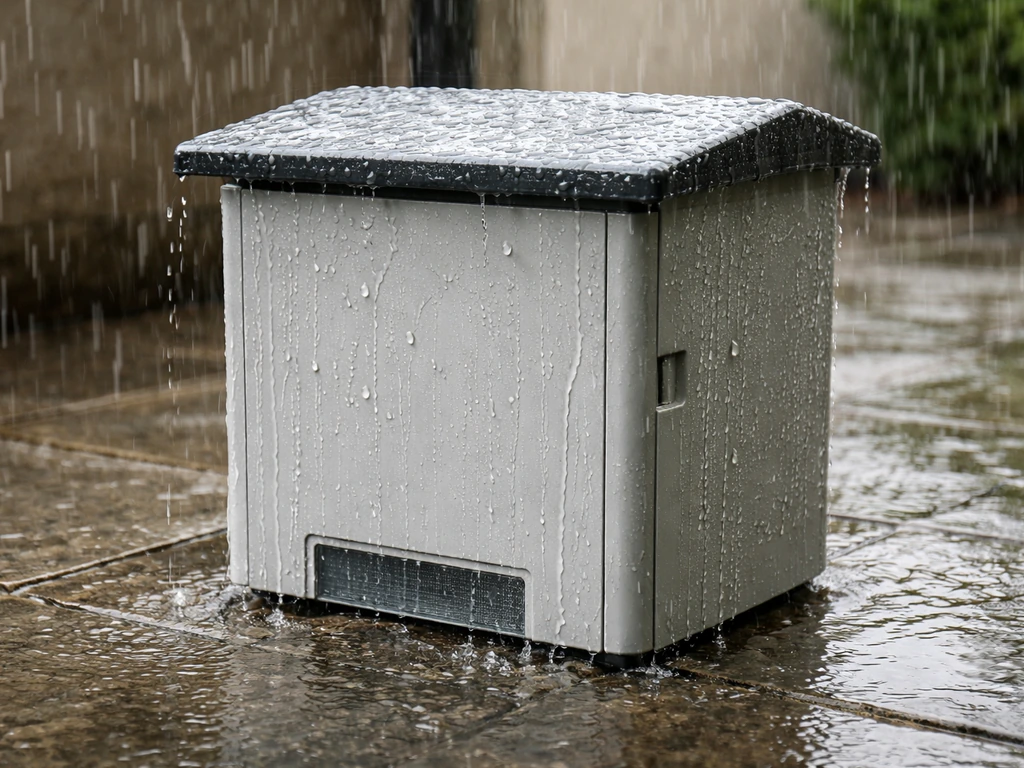
The IP65 waterproof rating means the unit is protected against dust ingress and sustained water jets, so rain and typical outdoor exposure are not a problem. The operating temperature range is -10°C to 45°C (14°F to 113°F), which covers most of North America across all seasons. Cold winters won't kill it, though battery capacity always drops in extreme cold, which may shorten between-charge intervals during January in northern climates.
Honest pros and cons after real-world use
| What works well | What to watch out for |
|---|---|
| Solar + battery combo handles most sunny-climate yards without wires | 2.4GHz Wi-Fi only; no 5GHz support causes setup friction for many routers |
| IP65 rating means genuine all-weather durability | 15fps video feels choppy compared to 30fps alternatives |
| Wide 168° diagonal FOV captures more of the feeding area | AI recognition is trial-gated; subscription required for ongoing species ID |
| Night vision reaches ~23 feet for dawn/dusk activity | App (Birdty) has mixed reliability reviews; setup QR scan can be finicky |
| Motion-triggered 20-second clips are useful for revisiting visits | No onboard microSD included; you supply your own card up to 128GB |
| Community sharing via Birdty platform is a nice bonus | Lens must avoid direct sunlight exposure, limiting some placement options |
The build quality on the HDPE variant is solid. Customer feedback on the TT Nature site describes the feeder as well-constructed with good sharing experiences once the app is set up. The complaints consistently center on initial setup friction and subscription expectations rather than the hardware itself. If you're patient during the first setup and get the notification permissions right, day-to-day use tends to be smoother.
Which birds it attracts best, and how to set it up for them
The TT Nature feeder's camera-platform design is essentially a small tray or dish feeder with a built-in camera housing. That design makes it most effective for birds that are comfortable landing on open, exposed platforms rather than clinging to ports or hanging tubes. Black-oil sunflower seed is the single best starting choice here: it attracts the widest range of North American backyard birds including chickadees, nuthatches, house finches, goldfinches, cardinals, and sparrows. It's the most universally accepted seed type for platform-style feeders.
For cardinals specifically, a lower platform height works better since they prefer feeding at mid-level rather than high perches. House finches and goldfinches come readily with sunflower seed and will also respond to nyjer (thistle) if you add a separate tube feeder nearby. Chickadees and nuthatches are bold and will investigate new feeders quickly, so they're often your first visitors and a good sign the location is working.
Birds the TT Nature is less suited for: woodpeckers really prefer suet feeders mounted vertically on a post or tree, and the platform design doesn't give them the vertical surface they like. Hummingbirds need nectar feeders entirely. Ground-feeders like mourning doves and towhees may visit if seed spills onto the ground below, but they won't use the platform itself reliably. If woodpeckers or ground-feeding birds are your main target species, this feeder type is the wrong match and you'd be better served by a suet or dedicated platform feeder.
Recommended seed setup by species goal
| Target birds | Best seed/food in TT Nature feeder | Notes |
|---|---|---|
| Chickadees, nuthatches, finches | Black-oil sunflower seed | Highest broad-spectrum attraction; start here |
| Cardinals | Black-oil sunflower or safflower seed | Lower mounting height helps; they avoid very high feeders |
| Goldfinches | Black-oil sunflower or nyjer (in separate tube feeder) | Will visit platform but prefer smaller seeds |
| Sparrows, juncos | Millet or sunflower seed mix | Ground spill often attracts them beneath the feeder |
| Woodpeckers | Not well-suited for this feeder type | Use a separate suet feeder on a nearby post or tree |
| Hummingbirds | Not compatible | Require a dedicated nectar feeder |
Placement, troubleshooting, and dealing with pests and weather
Getting the placement right
Placement for a feeder camera has two jobs: attracting birds and producing usable footage. The best spot is 10 to 15 feet from a tree or shrub that birds can perch in before approaching, but not so close that squirrels can leap directly from a branch onto the feeder. For camera quality, avoid pointing the camera toward the open sky or into direct sun at any point during the day.
A north- or east-facing orientation often works well, keeping the lens in shade while the bird side is gently lit. Avoid deep shade that kills image brightness, and make sure your Wi-Fi signal reaches the location before you commit to it. If the Birdbuddy 2 camera is not responding, Birdbuddy recommends charging the battery for 4 hours [charge the battery for 4 hours](https://support. mybirdbuddy.
com/hc/en-us/articles/43743500436241-Birdbuddy-2-Troubleshooting).
Height matters too. Around 5 to 6 feet off the ground is a practical sweet spot for most backyard species and keeps the feeder out of easy reach of cats. If you're hanging it from a branch, the solar panel still needs sky exposure to charge, so a spot with partial sun overhead is better than a fully shaded branch.
Fixing common camera and alert problems
- No notifications even though birds are visible: Go into your phone's settings and confirm that Birdty has full notification permission including background refresh. This is the most common cause and is a phone setting, not a feeder problem.
- Poor image quality or washed-out footage: Reposition the feeder so the camera lens isn't facing direct sunlight or open sky. Early morning east light and late afternoon west light are the most common offenders.
- Camera not connecting or dropping off the app: Confirm your router is broadcasting 2.4GHz (not 5GHz only) and that the feeder is within good Wi-Fi range. Thick walls and metal surfaces kill signal fast.
- Setup QR code won't scan: Move to a shadier environment for the onboarding scan; bright ambient light is explicitly noted in the manual as interfering with QR recognition.
- Battery draining quickly in winter or shade: Supplement solar charging with the included 9-foot cable on cloudy stretches. If the battery drops below 20%, camera responsiveness often degrades before it fully dies.
- AI not identifying species correctly or at all: Check whether your 7-day trial has expired and whether you've activated a subscription. Without it, AI ID features are limited.
Squirrels, rats, and other pests
The TT Nature feeder does not have any built-in squirrel or rodent deterrent. No weight-activated port closure, no baffle, no cage. If squirrels are active in your yard, they will get on this feeder and potentially damage the camera housing over time. The practical fix is a separate pole-mounted baffle below the feeder, which physically blocks climbing access. Avoid hanging it from a tree branch that squirrels can reach directly. Rats are attracted more by seed spillage on the ground than by the feeder itself, so using a seed tray or cleaning up spilled seed regularly reduces the problem significantly.
Winter and wet-weather performance
The IP65 rating handles rain and snow exposure well; the housing won't leak or corrode in typical outdoor conditions. The -10°C lower temperature limit means it survives most North American winters, but battery capacity will be reduced in sustained freezing weather. In heavy snow, the solar panel can get covered, which cuts charging. Wiping the panel after snowfall and using the cable to top up the battery when sun is scarce will keep it running reliably through winter months.
Is the TT Nature worth the money, and how does it compare to alternatives?
The TT Nature sits in an interesting position. If you want to compare how the TT Nature stacks up against other options, check out Tweety Feed smart bird feeder reviews for quicker buying insights. It offers more features than a basic hopper or tube feeder at a price point below premium smart feeders like the Birdfy 4K or Bird Buddy. Whether it's the right buy depends almost entirely on what you want out of it.
Smart feeder comparison
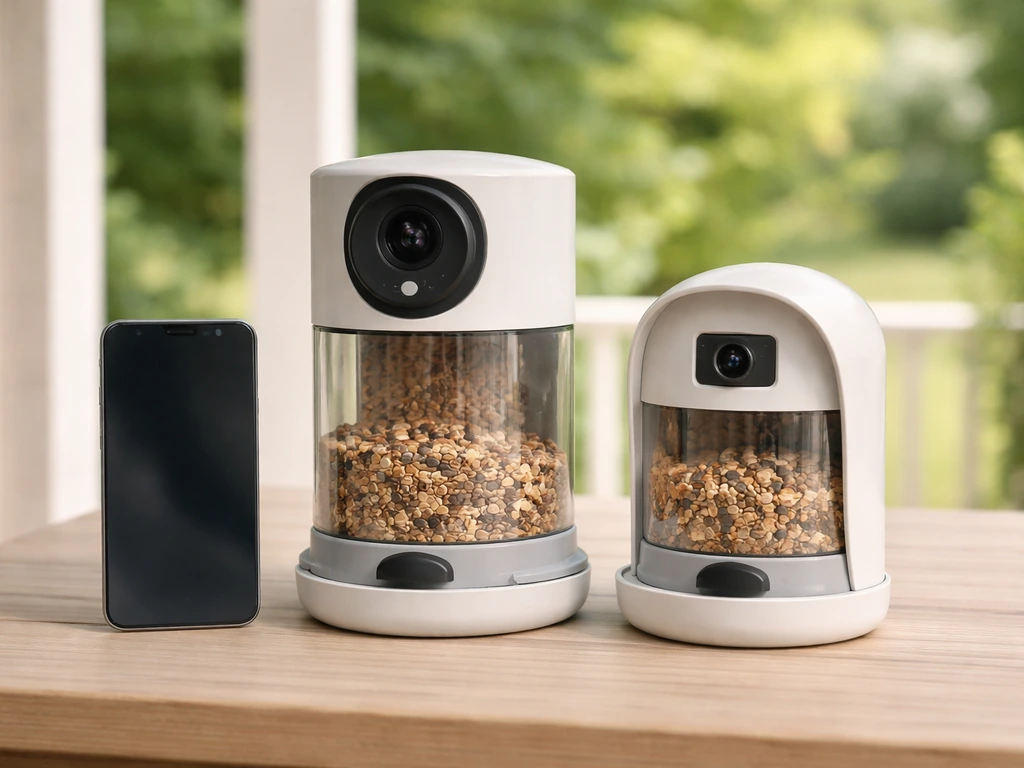
| Feeder | Camera resolution | Wi-Fi | Waterproofing | Subscription for AI | Best for |
|---|---|---|---|---|---|
| TT Nature (TT Nature 113 / HDPE 111) | 1080P, 15fps | 2.4GHz only | IP65 | Yes (7-day trial then paid) | Budget-to-mid smart feeder buyers in sunny yards |
| Birdfy (standard) | 1080P-4K depending on model | 2.4GHz + 5GHz on some | IP65 | Free tier + paid upgrade | Slightly better app and AI reliability, higher cost |
| Bird Buddy | 1080P | 2.4GHz | Weather-resistant | Subscription for cloud features | Polished design, strong community, premium price |
| Traditional hopper/tube feeder (non-smart) | None | None | Varies (look for UV-stable resin) | None | Lower cost, more bird species flexibility, zero tech friction |
If you've looked at other smart feeder options, the Birdfy lineup generally offers more polished app support and some models include free AI tiers without a hard subscription wall. The Lollyes, iSYoung, and Tweety Feed smart feeders are also in this same mid-range category, and the same evaluation criteria apply to all of them: check the Wi-Fi band requirements, check what's subscription-gated, and look at real user reviews for app stability before buying any of them. If you want to go deeper into another mid-range option, check our Lollyes smart bird feeder review for what to expect from its app and alerts real user reviews for app stability.
When a traditional feeder is the smarter choice
If your primary goal is attracting the most birds and the greatest variety of species, a combination of feeder types (hopper, tube, suet, and platform) outperforms any single smart feeder camera every time. A $20 tube feeder filled with black-oil sunflower seed will attract more individual birds than a $60 smart feeder with mediocre seed selection and a challenging placement.
The camera and AI features are genuinely fun and useful for identifying and logging species, but they don't attract birds on their own. If you are considering other options, you may also want to check Sylaza bird feeder reviews to see how it stacks up in real-world use smart feeder camera. If the tech side isn't important to you, spend the money on better seed and a squirrel-proof pole system instead.
Who should buy the TT Nature
- You want a solar-powered feeder camera without spending $100+ on a Birdfy or Bird Buddy
- Your yard gets reliable sun for at least part of the day, so solar charging actually works
- You have a 2.4GHz Wi-Fi network (or a router that can broadcast both bands) and strong signal reaching your yard
- You're comfortable with a subscription model for ongoing AI species identification
- You primarily attract chickadees, finches, cardinals, and nuthatches, the species this platform style serves best
- You want to casually log and share bird visits rather than build a serious species database
Who should look at something else
- You have a 5GHz-only router and don't want to deal with network configuration
- You want 4K or 30fps video quality for publication-quality bird photography
- Your yard is heavily shaded and solar charging will be unreliable
- You primarily target woodpeckers, hummingbirds, or ground-feeding birds, none of which suit this feeder design
- You want completely free AI bird ID with no subscription
- Squirrel pressure is severe in your yard and you need a feeder with built-in deterrents
The bottom line: the TT Nature smart bird feeder is a reasonable choice in 2026 for the right setup. If you want the full smart bird feeder review angle, the earlier sections cover where TT Nature performs well and where it falls short. Get your Wi-Fi situation confirmed before buying, accept the subscription model for AI features, use black-oil sunflower seed, position the camera away from direct sun, and enable Birdty's notification permissions properly on your phone.
Do those things and it'll deliver genuinely enjoyable backyard birding with decent footage and reliable species tracking for the common birds most North American yards attract. Just don't expect it to compete with higher-end smart feeders on image quality or app polish, and don't expect any smart feeder to substitute for good seed and smart placement.
FAQ
Does the TT Nature smart bird feeder work with 5GHz Wi-Fi? (2.4GHz only?)
For the TT Nature 113 and HDPE Bird Feeder 111, the feeder relies on 2.4GHz Wi-Fi only. If your router has a single SSID (one network name for both 2.4 and 5GHz), make sure it actually broadcasts a 2.4GHz signal or you may see setup loops and later dropouts. A quick workaround is to temporarily enable a 2.4GHz-only guest network during onboarding, then switch back after pairing.
Why does the TT Nature app QR setup sometimes fail or take multiple tries?
Birdty setup can fail or stall if the QR scan is attempted in strong glare or very bright direct sun. Try scanning indoors first, or step into the shade and hold the phone steady for the full scan moment. If scanning keeps failing, restart the app, then reboot the feeder power cycle before trying again, since partial pairing can lead to repeated “connected but not working” states.
What’s the best way to get usable footage if the camera only records a brief clip?
TT Nature captures short 20-second clips, so you will get better results by waiting for consistent bird visits rather than expecting perfect coverage of every arrival. If you want higher chances of getting the full moment, place the feeder so birds approach from a perch area (10 to 15 feet from a shrub or tree) rather than from open space. This increases the time they spend in view before leaving.
After the 7-day trial, what parts of the TT Nature experience still work without a subscription?
The AI species ID is subscription-gated after the 7-day trial, but video clips and motion alerts can still work. To avoid surprise charges, check whether you can test the AI while the trial is active, then decide on monthly or annual access based on whether the IDs help you (for example, ID accuracy on similar finches). If you only care about recording, you may not need to keep the AI tier.
If the feeder is detecting birds but I’m not getting notifications, what should I check first?
Notification delays often come from phone settings, not just the camera. Confirm that Birdty has notification permission enabled, and also check any “focus mode” or battery optimization settings that restrict background activity. If you miss alerts intermittently even though the feeder is detecting birds, disable “restrict background” for Birdty and test with a short bird visit, then confirm you receive the push notification immediately.
How do I reduce washed-out or low-contrast images at certain times of day?
The camera will struggle with direct backlight, especially when the sun is behind the birds or behind the lens. Even with correct orientation, adjust after seasonal sun changes, and avoid mounting where reflections from light-colored walls or fences sit behind the feeder. If you notice washed-out silhouettes, rotate or relocate slightly so the bird landing side is lit but the lens is kept out of direct sun.
Will the solar panel handle winter charging in a shaded yard?
Because it is a solar feeder, reliability depends on consistent charge. If your area has long overcast stretches or heavy canopy shade, you should plan to use the included charging cable on those days rather than relying on solar maintenance. A good decision aid is to observe charging behavior for several typical days in your worst month, then decide whether you need more sun exposure or a different mounting location.
What’s the best anti-squirrel strategy for the TT Nature camera feeder?
If squirrels are present, they can reach the feeder from branches or nearby surfaces and potentially damage the camera housing over time. The most effective fix is a separate pole-mounted baffle plus cleaning up spilled seed regularly. Avoid hanging the feeder from a branch or placing it near climbable structures, because a baffle around the pole can block access while branch mounting can bypass it.
Which seed type should I start with, and does it affect the AI bird recognition results?
For platform-style feeders, the feeder location and bird comfort matter more than “smart” features. Start with black-oil sunflower seed because it draws the widest variety, then refine if you want specific species (for example, nyjer if you are also targeting finches). If your main goal is woodpeckers, switch feeder type since platform cameras are not ideal for birds that feed from vertical surfaces.
How does extreme cold or heavy snow affect the TT Nature feeder’s performance?
The TT Nature is rated for rain and typical outdoor exposure, but extreme weather can still reduce performance, mainly through battery and panel charging limits. In heavy snow, the solar panel can become covered, and cold temperatures reduce battery capacity. Wiping the panel after snow and using the charging cable periodically in deep cold will keep operation consistent even when detection still works.
Next Article
Smart Bird Feeder Review: Best Models and Buying Guide
Smart bird feeder review with top picks, window models, AI features, and buying guide for your backyard birds