The best bird feeder for your yard depends on three things: which birds you want to attract, what your backyard conditions are like (trees, open space, predators, weather), and how much maintenance you're willing to do. For most people starting out, a hopper feeder filled with black-oil sunflower seed is the single best move because it attracts the widest range of species, keeps seed reasonably dry, and holds enough volume that you're not refilling every day. From there, you layer in specialty feeders for specific birds you want to target.
Bird Feeder Recommendations: Choose, Place, and Fix Fast
Marcus Hendricks
18 Jun 2026
Which feeder type should you actually use?
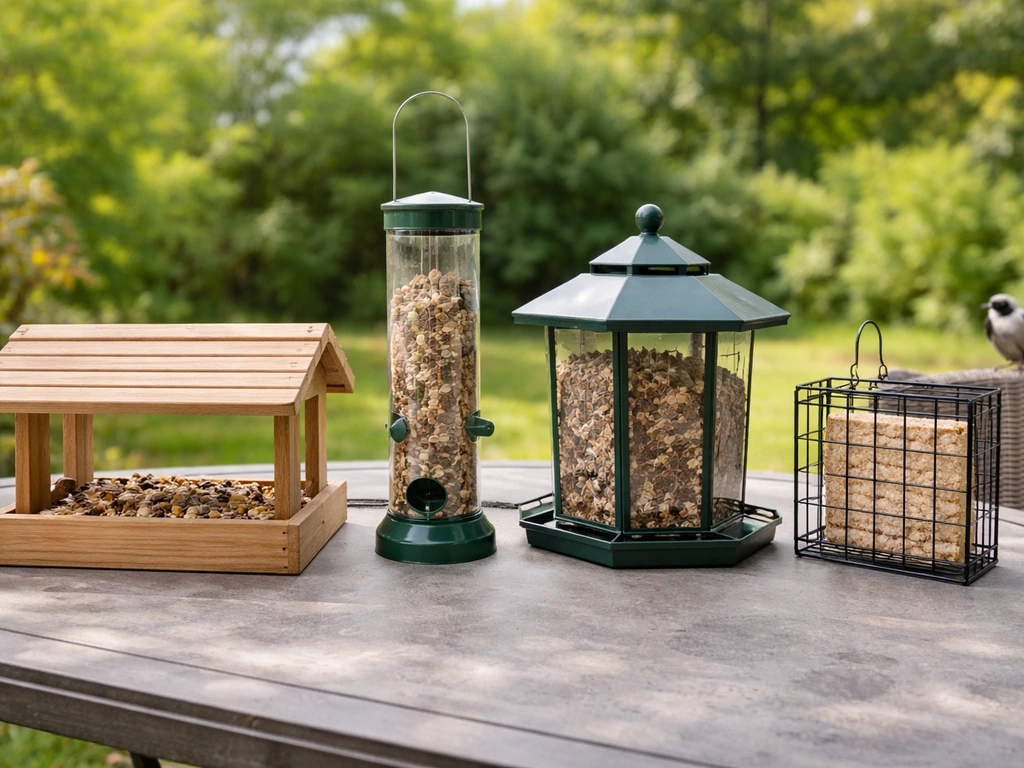
Every feeder type has a real use case. The trick is knowing which one fits your goals rather than buying whatever looks nice at the garden center. If you're comparing feeder types to refine your bird feeder setup, bird feeder examples can help you see what each style looks like in practice. Here's an honest breakdown of each type.
| Feeder Type | Best For | Key Advantage | Main Downside |
|---|---|---|---|
| Hopper | Cardinals, jays, finches, chickadees, general feeding | Large capacity, roof keeps seed dry | Needs regular cleaning, can harbor mold at bottom |
| Tube | Finches, chickadees, nuthatches, small birds | Keeps seed fresh, limits larger birds and waste | Small ports can clog; some designs hard to clean |
| Platform / Tray | Doves, sparrows, jays, juncos, ground feeders | Works for almost any food or seed type | No rain protection, seed spoils faster |
| Suet Cage | Woodpeckers, nuthatches, wrens, starlings | Simple, cheap, durable; works year-round | Can attract starlings and squirrels in some setups |
| Window Mount | Close-up viewing, any small species | Incredible bird-watching experience | Needs frequent cleaning; placement matters for collisions |
| Pole-Mounted | Any feeder type where squirrel-proofing matters | Baffle systems work well on poles | Setup takes more effort; need the right yard space |
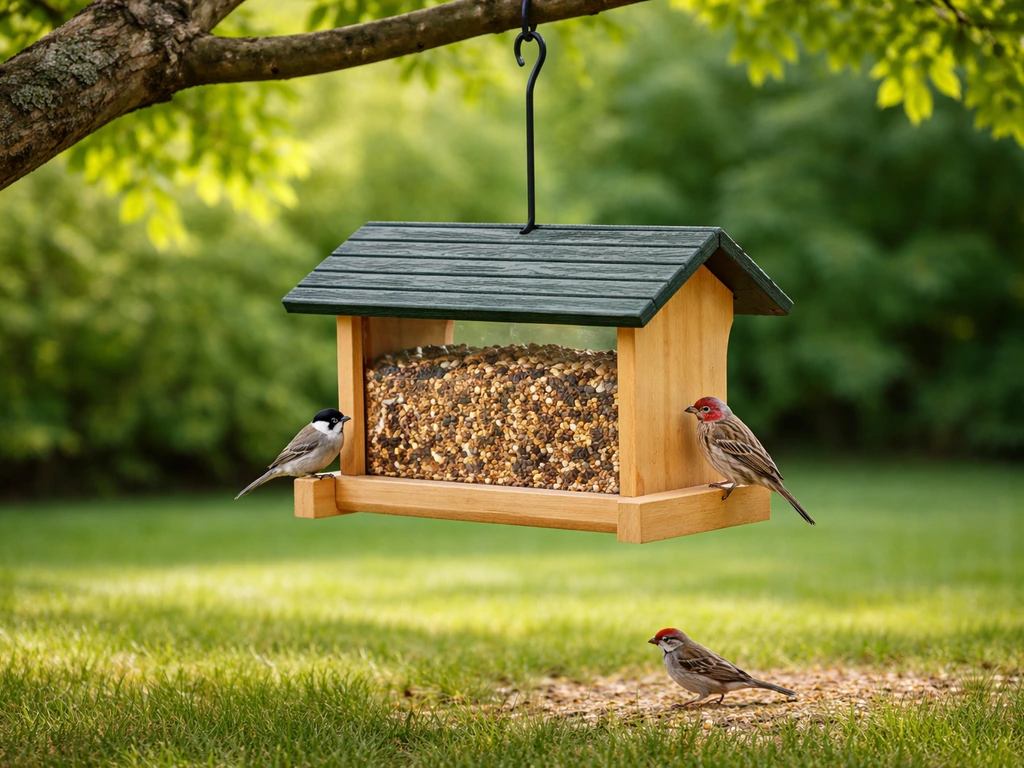
Hopper feeders are the workhorses of backyard feeding. They hold a good volume of seed, the roof keeps rain off the food (which matters a lot for reducing mold), and they attract the broadest mix of birds. The downside is that seed at the bottom can still get damp and clump, so you need to clean them thoroughly about every two weeks, and more often during rainy stretches.
Tube feeders are great for small birds and for reducing waste. Because the ports are sized for small beaks, larger birds like jays and grackles often can't access the seed efficiently. A tube feeder with small ports and a short perch will skew heavily toward finches, chickadees, and nuthatches. The downside is that some tube feeders are awkward to take apart and clean properly.
Platform feeders are the most flexible in terms of what food you can put in them, but they offer zero weather protection. If you live somewhere with frequent rain, a platform feeder with a screen or mesh bottom is a must so water drains through and doesn't pool under the seed. Without drainage, you'll be dumping out wet, moldy millet every other day.
Suet cages are simple wire or mesh frames that hold a suet cake. They're cheap, nearly indestructible, and work year-round. In summer, look for no-melt suet formulas since standard suet can turn rancid in heat. Suet cages are the fastest way to get woodpeckers into your yard.
Window feeders stick directly to the glass with suction cups. The bird-watching experience is genuinely great, but placement matters a lot for collision safety (more on that in the placement section). They also need cleaning more often since birds are eating right up against the glass and droppings accumulate quickly.
Pole-mounted setups aren't a feeder type themselves, but a mounting strategy. Putting any feeder on a dedicated pole with a baffle is one of the most effective squirrel-proofing approaches available, and it gives you the flexibility to switch feeders over time.
Matching feeders to the birds you actually want
This is where most people go wrong. They put out one generic feeder and wonder why they're only getting house sparrows. Each target species has real behavioral preferences that you can work with.
Hummingbirds
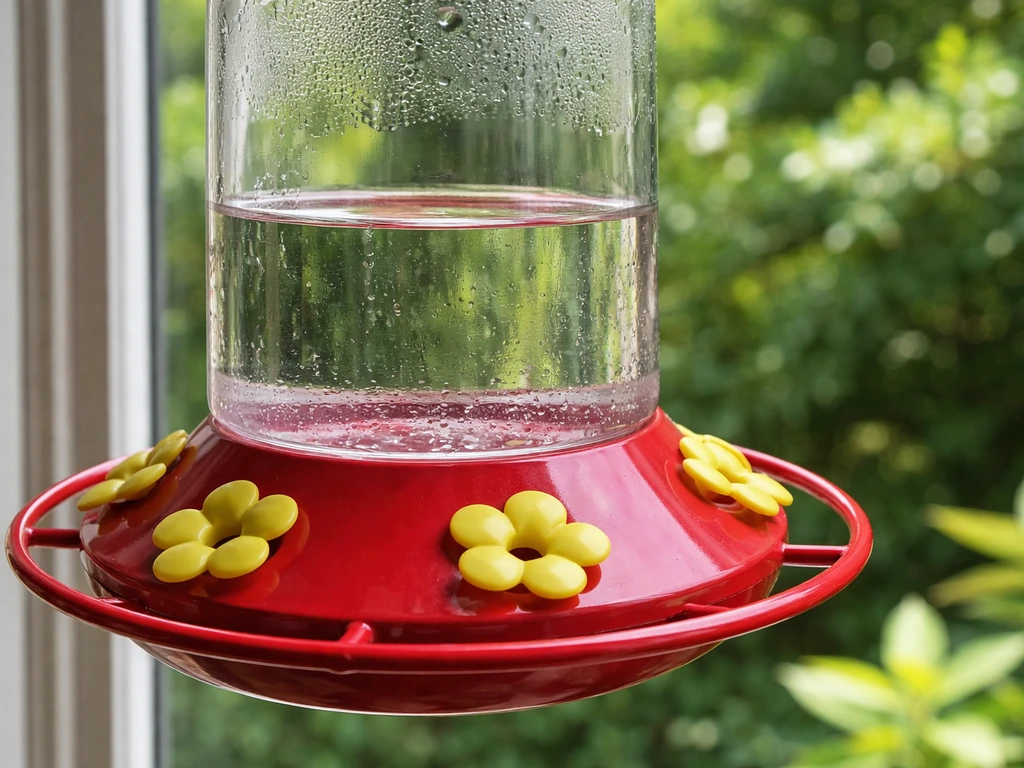
Hummingbirds need a dedicated nectar feeder, full stop. The nectar recipe is simple: one part plain white sugar dissolved in four parts water. No honey, no food coloring, no artificial sweeteners. Just plain white sugar and water. You can briefly boil the water to help dissolve the sugar and reduce microbial growth. The feeders themselves should be bright red (hummingbirds key on red) and easy to disassemble for cleaning. Here's the maintenance reality: in warm weather, you need to change the nectar every three to five days before it ferments or grows mold. If you see cloudiness in the liquid or black spots inside the feeder, it's overdue. Use a small bottle brush, rinse thoroughly, and refill.
Cardinals
Cardinals are medium to large birds that need a wide perch or a tray-style feeding area. A hopper feeder with a wide ledge or a platform feeder works well. They strongly prefer black-oil sunflower seed and safflower. If squirrels are a problem at your cardinal feeder, try safflower: most squirrels dislike the bitter taste, but cardinals eat it readily.
Finches
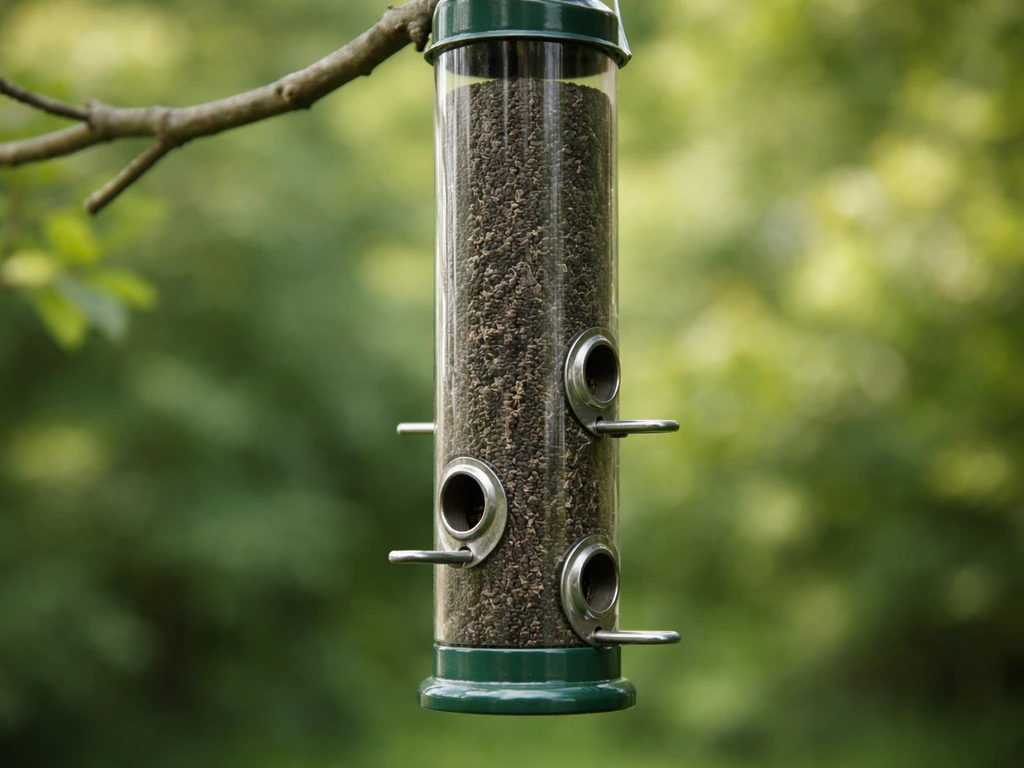
Goldfinches and house finches are tube feeder birds. For goldfinches specifically, use a thistle (nyjer) feeder, which is a tube with tiny ports that only let thistle seed through. Nyjer is fine and oily, and goldfinches are crazy about it. Keep nyjer fresh because it goes stale faster than sunflower seed and birds will ignore a feeder full of old nyjer as if it doesn't exist.
Woodpeckers
Woodpeckers want suet, and a suet cage is all you need to attract them. Downward-facing or tail-prop suet feeders give larger woodpeckers (like Pileated or Red-bellied) a better grip and also have the bonus of deterring European starlings, which can't cling upside down as easily. Peanuts in a wire mesh feeder also attract woodpeckers well, especially Downies and Hairies.
Orioles
Orioles are summer visitors in most of North America and they're attracted by a combination of nectar (same 4:1 sugar-water ratio as hummingbirds), grape jelly, and orange halves. A dedicated oriole feeder typically has orange accents and wider feeding ports than a hummingbird feeder. Put out a small dish of grape jelly alongside orange halves on a platform or spike feeder and you'll draw them in fast. Skip the food coloring in the nectar.
Bluebirds
Bluebirds rarely visit traditional seed feeders. They're insect eaters, so the way to attract them is with live or dried mealworms offered in a shallow dish or dedicated mealworm feeder. To prevent the mealworms from escaping, use a smooth-sided dish with slightly elevated walls. Some birders use what's called a 'bluebird jail' feeder, which is an enclosed feeder with small entrance holes sized for bluebirds but too small for starlings and larger competitors. Bluebirds will also eat suet and softened fruits.
Blue Jays
Jays are big, bold birds that need a big feeding area. A platform feeder or a hopper feeder with a wide tray works best. They love peanuts (in the shell or shelled), sunflower seeds, and corn. Be aware that jays will cache food aggressively, so if you're watching your feeder empty fast, jays may be the culprit. This is actually normal behavior and not something to discourage.
Doves
Mourning doves and other dove species are ground or low-platform feeders. They do best with a ground-level tray or a large flat platform feeder. They eat millet, milo, and cracked corn. If you want doves but don't want to deal with a messy ground tray, a low-mounted platform feeder works just as well.
Features that actually matter in real-world use
Bird feeder marketing is full of noise, so here are the features that genuinely affect day-to-day performance.
Weatherproofing and drainage
A feeder without proper drainage will be a mold factory after any rain. Look for feeders with drainage holes in the seed tray or a mesh/screen floor so water passes through. Hopper feeders with a roof are better than open platforms in wet climates, but even a roofed hopper can accumulate moisture at the base if it lacks ventilation. Wild Birds Unlimited's feeders, for example, use a seed ventilation system that helps keep the seed from sitting in humidity. This is worth paying attention to even in the product description.
Squirrel and pest proofing
Penn State Extension is blunt about this: many feeders marketed as squirrel-proof still get raided. The most reliable approach is a weight-sensitive feeder (like the Squirrel Buster line from Wild Birds Unlimited, which uses an adjustable spring mechanism to close ports under the weight of a squirrel) combined with a pole-mounted baffle. For baffles that work against squirrels jumping from above, use a tilting dome baffle at least 18 inches in diameter placed above the feeder. A smooth metal pole with a torpedo-style baffle below the feeder handles squirrels climbing up from the ground. Wire mesh feeder designs that let small birds in but block climbing attempts also help. You usually need more than one strategy to win this battle.
Capacity
Bigger isn't always better. A large feeder that sits full for two weeks in humid weather is worse than a smaller feeder you're topping off every few days with fresh seed. Match the feeder capacity to how many birds are actually visiting and how often you can refill. For a new setup before birds discover it, start smaller.
Ease of cleaning
This is probably the most underrated feature. A feeder you can take apart fully with no tools and clean in under five minutes will get cleaned. A feeder that requires prying apart with frustrating clips will sit dirty. Look for feeders with removable tubes, trays that drop out, and smooth interior surfaces without hidden corners where wet seed can hide. The cleaning routine recommended by All About Birds is about once every two weeks for seed feeders, more often during wet weather or if disease is reported in your area. For a bleach or hydrogen peroxide soak (Clemson's recommendation), leave parts submerged for about ten minutes, then rinse thoroughly before refilling.
Where to put your feeder (and where not to)
Placement affects both bird activity and safety. The two biggest placement mistakes are putting feeders too close to cover that predators can use, and putting them at a dangerous distance from windows.
Window distance rules
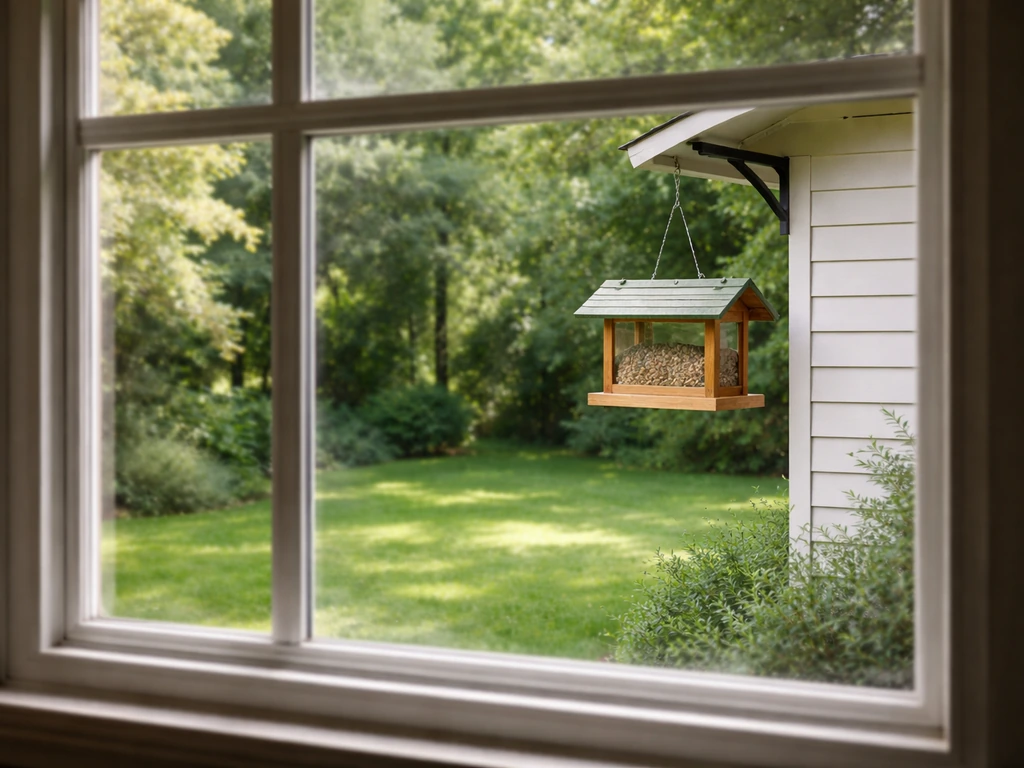
The window collision rule is counterintuitive but well-supported: place feeders either within three feet of a window or more than 30 feet away. At very close range (under three feet), birds don't build up enough speed to injure themselves if they do hit the glass. At mid-range distances of 10 to 25 feet, birds can accelerate fully before impact and collisions are often fatal. Window feeders that suction-cup directly to the glass are actually the safest option in terms of collision risk.
Height and shelter
Most seed feeders work well at around four to six feet off the ground, which puts them in the sight line of visiting birds and makes them accessible for you to refill and clean. Suet feeders can be hung from a tree branch or mounted on a pole at about five feet, per Audubon's guidance. Keep feeders close enough to shrubs or trees that birds have a quick escape route from predators (about five to ten feet from cover is ideal), but not so close that cats or squirrels can use the same cover to stage an ambush.
Multiple feeders and spacing
One feeder often creates a pecking order problem where dominant species monopolize the food. Running multiple feeders spaced at least ten to fifteen feet apart allows subordinate species to feed without constant displacement. Separating feeder types by species also helps: put the nyjer tube on one side of the yard and the suet cage on the other so finches and woodpeckers aren't competing for the same real estate.
Winter vs summer adjustments
In winter, birds need high-energy food (suet, black-oil sunflower, peanuts) and feeders should be positioned in a somewhat sheltered spot out of prevailing winds. A feeder on the south or southeast side of the house can get more winter sun and stay more accessible in freezing temperatures. In summer, shade matters more for nectar feeders because direct sun accelerates fermentation of hummingbird nectar. Rotate your hummingbird feeder placement seasonally if you can.
Troubleshooting when things go wrong
Birds aren't coming to the feeder
New feeders often take one to three weeks for birds to discover, especially if you're setting up in a new location. Make sure the feeder is visible from perch spots nearby and that the seed is fresh. Old or stale seed (especially nyjer) will be ignored completely. If birds visit briefly and leave without eating, check whether the seed is wet or compacted. Also verify you're using the right seed for local birds: milo and millet mixes are often ignored in the eastern U.S. where black-oil sunflower dominates.
Pests: squirrels, rats, and raccoons
Squirrels are persistent and clever. The multi-layer approach works best: a weight-sensitive feeder, a baffled pole, and eliminating nearby jump-off points (branches, fences within about eight feet). For rats and mice, the problem is usually seed spillage on the ground rather than the feeder itself. Switch to no-waste seed mixes (hulled seeds with no filler), use a tray catcher under the feeder, and clean up ground debris regularly. Raccoons are typically nocturnal, so bringing feeders in at night during active raccoon season solves the problem cleanly.
Mold and spoiled seed
Wet weather is the main cause of seed spoilage and mold. The Minnesota DNR confirms that mold and bacteria form quickly on wet birdseed, both in feeders and on the ground below them. If you find clumped, discolored, or sour-smelling seed, discard it all (don't just top it off) and do a full feeder cleaning before refilling. Penn State Extension is clear: never put moldy seed back into a feeder. Store your seed supply in a sealed, cool, dry container to prevent it from arriving at the feeder already compromised.
Uneven or wasted feeding
If seed is piling up at the bottom uneaten while the top empties, you may have a species mismatch or a compaction problem. Stir the seed occasionally to break up clumps and ensure fresh seed reaches the ports. If a dominant species is eating all the food before other birds get a turn, add a second feeder as described above. Specialty feeders with specific port sizes can also help limit access to target species.
What food to pair with each feeder
The right food in the wrong feeder is still a problem. Here's a practical pairing guide.
| Feeder Type | Best Food Choices | Avoid |
|---|---|---|
| Hopper | Black-oil sunflower, safflower, mixed seed (no filler) | Milo-heavy cheap mixes, nyjer (ports too large) |
| Tube (standard) | Black-oil sunflower, sunflower hearts, mixed seed | Nyjer (too fine for standard ports) |
| Tube (nyjer/thistle) | Nyjer (thistle) seed only | Sunflower, anything too coarse for tiny ports |
| Platform / Tray | Millet, milo, cracked corn, peanuts, fruit, any seed | Nyjer (blows away), suet (use a cage instead) |
| Suet Cage | Suet cakes (no-melt in summer), peanut butter suet blends | Seed, fruit (wrong container type) |
| Hummingbird / Oriole Nectar | 1:4 white sugar to water solution, grape jelly, orange halves (orioles) | Honey, food coloring, artificial sweeteners |
| Mealworm Dish | Live or dried mealworms, softened fruit | Seed (wrong food type for target species) |
Black-oil sunflower seed is the closest thing to a universal bird food. It has a thin shell that smaller birds can crack easily, high fat content for energy, and is preferred by more species than any other single seed type. If you can only stock one seed, make it black-oil sunflower. Safflower is the next most useful because cardinals and several other desirable species love it, while many pest species (including squirrels and grackles) typically ignore it.
To reduce ground waste (which attracts rodents), switch to hulled or no-waste seed blends. To support the goal of the bird feeder best out of waste, choose hulled or no-waste mixes that reduce leftover shells and keep the area cleaner reduce ground waste. These cost more per pound but the birds eat everything and you get almost no shell debris under the feeder.
Budget vs premium: what's worth paying for
You don't need to spend a lot to get started, but there are places where spending more genuinely pays off. Here's how to think about it.
Where budget options work fine
A basic wire suet cage costs under five dollars and works just as well as a thirty-dollar decorative version. Simple tube feeders in the fifteen to twenty-five dollar range from reputable brands clean up fine and last several years if you don't leave them out through harsh winters without care. For starting a first setup or testing a new location, there's no shame in a mid-range hopper feeder while you figure out which birds are actually in your yard.
Where premium is worth it
Squirrel-resistant feeders are the clearest case where paying more delivers real results. A good weight-sensitive feeder in the forty to seventy dollar range (like the Squirrel Buster line) actually works, while a cheap 'squirrel-proof' feeder from a big box store usually doesn't. The pole and baffle system is another area worth investing in: a solid metal pole with a torpedo baffle is a one-time purchase that protects every feeder you ever put on it. Cheap plastic baffles crack in cold weather and defeat the purpose.
Hummingbird feeders are worth buying in glass rather than plastic if you live somewhere with intense summer sun. Plastic degrades faster under UV and can become impossible to clean properly after a season or two. A glass nectar feeder with a wide base for cleaning is a better long-term investment even if it costs a bit more upfront.
DIY alternatives that actually work
A platform feeder is genuinely easy to build from scrap wood. A simple frame with a mesh or screen bottom, a slight lip to hold seed in, and a few drain holes works perfectly. If you're handy, you can build one in an afternoon for almost nothing, and it'll be more durable than most cheap plastic platform feeders from the store. For anyone interested in building their own feeder from scratch, there are purpose-built plans and beginner-friendly designs that make this approachable even without much woodworking experience. Similarly, a PVC pipe with drilled holes makes a reasonable nyjer tube feeder if you're experimenting before committing to a purchase.
The one place DIY doesn't work well is squirrel-proofing. A homemade feeder with no weight mechanism will get raided no matter how clever the design. For pest resistance specifically, the commercial weight-sensitive feeders are hard to replicate at home.
Your next steps: a simple decision path
Here's how to turn everything above into an actual purchase decision today.
- Decide which two or three bird species you most want to attract. This narrows your feeder type immediately.
- Choose your primary feeder type from the table above based on those target species. Start with one feeder, not five.
- Pick your mounting strategy: pole with baffle if squirrels are a problem, hanging from a tree branch for simplicity if squirrels aren't.
- Select seed based on the food pairing table. Buy black-oil sunflower seed as your baseline. Add nyjer for finches or safflower for cardinals if those are your targets.
- Apply the window placement rule before you hang anything: within three feet or beyond 30 feet from glass.
- Set a cleaning reminder for every two weeks in your phone. This one habit prevents most of the common problems.
- After four to six weeks, assess: which birds showed up, which feeder styles they prefer, and whether you have pest problems. Then add a second feeder type to expand your visitor list.
If you're brand new to backyard feeding and feeling overwhelmed by all the options, starting with just a hopper feeder, a bag of black-oil sunflower seed, and a good pole-and-baffle setup gives you a solid foundation to build from. From there you can add hummingbird, suet, or specialty feeders as you learn what birds are in your area and what they respond to. For those who want even more detail on getting started from zero, there's a lot of useful guidance aimed specifically at new bird feeder setups. If you're looking for a step-by-step plan, these bird feeders for beginners tips will help you choose the right type and avoid common mistakes. The whole point is to get started, observe, and adjust based on what actually shows up in your yard.
FAQ
What’s the simplest starter setup if I’m overwhelmed by feeder types and seed choices?
If you want the “bird feeder recommendations” payoff without constant fiddling, start with one hopper (black-oil sunflower) plus a pole-and-baffle, then add only one specialty feeder at a time (nyjer for finches, suet for woodpeckers, or mealworms for bluebirds). This prevents a pecking-order mess and makes it easier to tell which change brought in which species.
Why do birds visit briefly but then stop eating, even though my feeder is full?
Check for clumps and wetness first. If the seed is getting damp at the base or you see a strong “sour” smell, discard it and do a full cleaning, then refill with fresh seed. Also verify your seed is the right type for your region, since mixes heavy in millet or milo are often ignored where black-oil sunflower is the norm.
How often should I change hummingbird nectar, and what if birds keep showing up but don’t seem to feed?
Use fresh, temperature-appropriate nectar and clean on a tight schedule. In warm weather, replace nectar every 3 to 5 days, and do not “top off” when it looks cloudy or has dark specks. If you are getting frequent visits but no steady drinking, the nectar is usually fermenting too fast or the feeder ports are hard to access.
I’m seeing a lot of birdseed shells on the ground, how do I keep rats or mice away?
Instead of adding more seed, reduce waste and clean the spill zone. Switch to hulled or no-waste blends, add a tray catcher, and rake up shell debris under the feeder. Ground mess is what typically drives rodents, even when the feeder itself is squirrel-resistant.
What should I look for if I buy a squirrel-resistant feeder but squirrels still raid it?
Don’t rely on standard “squirrel-proof” labels. Weight-sensitive feeders plus a properly sized baffle (and removing easy jump-off spots within about 8 feet) are usually what finally works. Also keep an eye on port access, since some feeders are squirrel-proof against one angle but not against climbing from nearby cover.
Why is my feeder emptying unevenly (top down, bottom still full)?
In very humid conditions, treat feeder capacity as a freshness problem. A smaller feeder you refill every few days usually beats a large one that sits full, because stagnant seed at the bottom will clump and spoil. If you’re seeing “top empties, bottom stays full,” stir the seed to break clumps and ensure ventilation and drainage are working.
Can I salvage clumped or moldy seed by removing the worst parts and topping off?
Yes. Moldy seed should be thrown out, not mixed back in. The practical move is to clean and soak removable parts, rinse thoroughly, let everything dry completely, then refill with new dry seed from sealed storage so you are not reintroducing moisture or spores.
What’s the safest distance to place feeders from windows to prevent collisions?
Limit collisions by using the window rule. Place feeders either within about 3 feet of the glass or more than 30 feet away, and note that suction-cup window feeders generally have a safer collision profile. Also avoid mounting at a “middle distance” around 10 to 25 feet if birds are flying fast toward the feeder.
Can multiple bird species use the same feeder, or do I need separate feeders for each?
Yes for many species, but the key is the right food match. Cardinals usually do better with sunflower or safflower and a wide feeding area, while bluebirds often need mealworms rather than seed. If you put seed for one species into a feeder style preferred by another, you can attract the “wrong” birds and still fail to bring in your target.
Is it worth building a DIY feeder, and what DIY designs are most likely to cause problems?
If you’re building or experimenting, focus on drainage and cleanability. A DIY platform with drain holes and a screen bottom can work well, but avoid squirrel-proofing DIY without a real weight mechanism. For experimentation with nyjer, a drilled PVC tube can be a temporary option, just plan to clean it thoroughly because tiny ports trap residue.
How can I attract mourning doves if I don’t want seed all over my yard?
If you’re trying to attract doves without a messy ground tray, use a low-mounted platform feeder instead of a fully ground feeder. That usually keeps their preferred feeding height while reducing the scatter that creates a “rodent buffet” on the lawn.
How long should it take before birds show up, and how do I know whether to wait or fix something?
If you don’t see much action, give it time but also troubleshoot visibility and freshness. New feeders can take 1 to 3 weeks to be discovered, but birds will skip a feeder with wet or stale seed (nyjer especially). Make sure the feeder is visible from nearby perches and refill with fresh seed rather than extending a partially spoiled batch.
Next Article
Bird Feeder Examples: Best Types and What Each Attracts
Practical bird feeder examples: choose tube, hopper, tray, suet and match seeds to attract specific backyard birds.
