The best bird feeder for most backyard setups is the Droll Yankees 18-Inch Onyx Clever Clean tube feeder with removable base. It holds 2 lbs of seed, has four metal-reinforced ports, cleans out in under two minutes, and holds up through winters that destroy cheaper plastic feeders. If you want something closer to the house with no yard space needed, a suction-cup window feeder is the move. Both are solid choices for different situations, and this guide will help you figure out exactly which one fits your yard, your target birds, and your pest situation.
Best Bird Feeder Wirecutter Picks and Buying Guide
Marcus Hendricks
5 May 2026
What 'best' means: Wirecutter-style criteria for bird feeders
When Wirecutter evaluates a bird feeder, they're not just picking the prettiest one. They're looking at whether it actually holds up after a season outdoors, whether you'll still be willing to clean it six months in, and whether it does the one job it promises: getting seed to birds without becoming a squirrel buffet. That's the same lens worth applying here.
Here's what actually separates a good feeder from a waste of money:
- Durability: UV-resistant plastic, powder-coated metal, or treated wood that won't crack, fade, or rot after a year outside
- Ease of cleaning: If you can't take it apart easily, you won't clean it regularly, and dirty feeders spread disease between birds
- Weatherproofing: Ports and seed chambers that drain properly and don't let rain soak seed into moldy clumps
- Seed compatibility: The feeder type has to match the seed you're using, which has to match the birds you want
- Pest resistance: Squirrel-resistant design (weight-activated perches, outer cages, or metal construction) saves you constant frustration
- Capacity vs. refill frequency: Larger capacity means fewer trips out in cold weather, but too much seed sitting in a feeder gets stale or moldy
Optional features like smart cameras, solar charging, and app connectivity are genuinely useful for some people, but they should never come at the expense of the basics above. If you want to capture what visits your yard, look for the best bird feeder camera near me so you can review activity without constantly checking the feeder. A smart bird feeder with a camera and app can help you monitor visitors without constantly checking outside app connectivity. A feeder that's hard to clean and made of flimsy plastic isn't saved by a built-in camera.
Best overall bird feeder: top picks by feeder type and who they're for
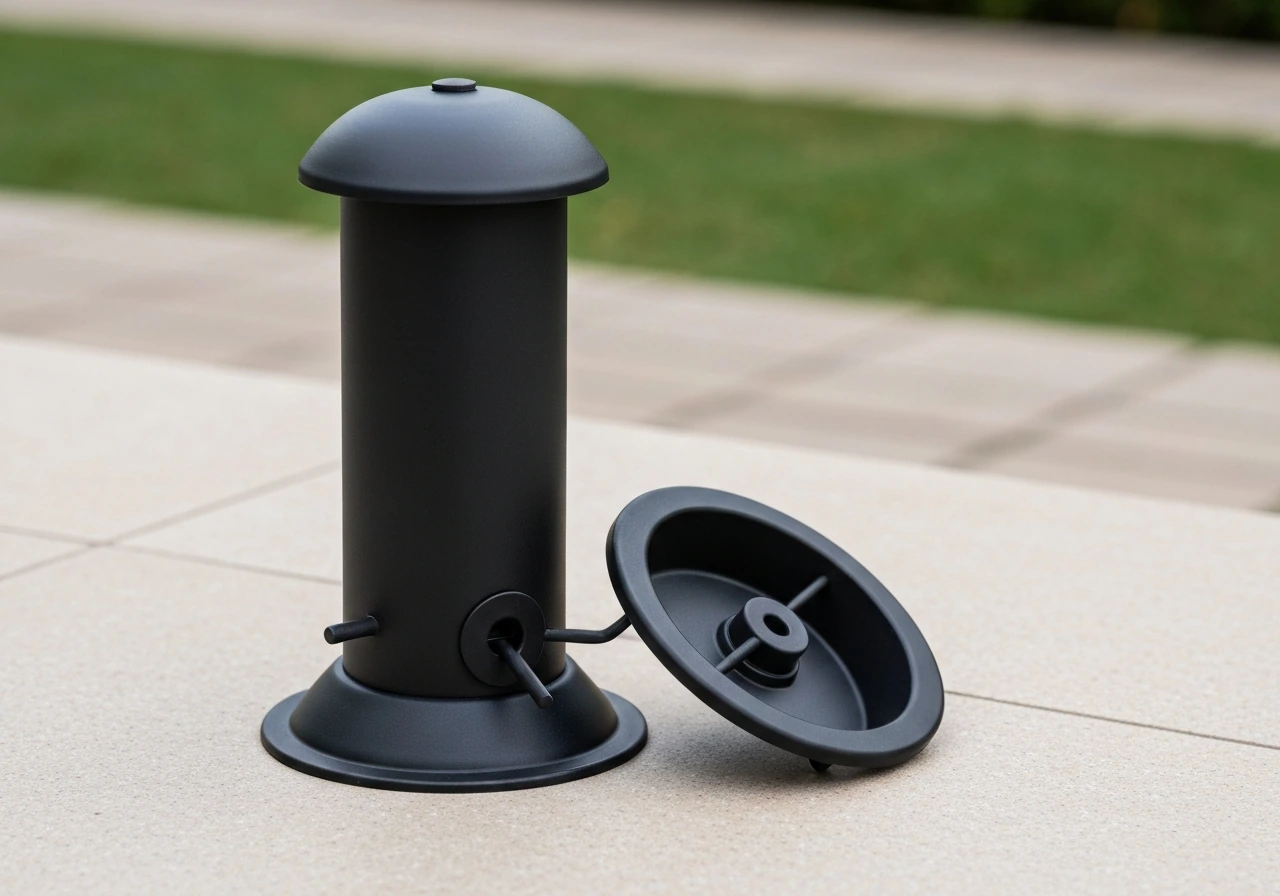
The Droll Yankees Onyx Clever Clean is the top overall pick, and Wirecutter called it the sturdiest and best-built feeder they tested. The twist-and-release removable base is the detail that makes it actually work long-term: you can pop the base off with one hand, knock out old debris before refilling, and rinse the whole thing in a vinegar-water solution in a few minutes. The spring-loaded top opens and closes one-handed too, which matters when you're doing this in January with gloves on. It holds 2 lbs of seed across 4 feeding ports, which is a practical size that doesn't let seed sit too long before birds cycle through it.
That said, different feeder types serve genuinely different purposes. Here's a quick breakdown of who each style is actually for:
| Feeder Type | Best For | Key Trade-off |
|---|---|---|
| Tube feeder (e.g., Droll Yankees Onyx) | Finches, chickadees, nuthatches, smaller songbirds | Lower capacity, but cleaner seed delivery and squirrel-resistant with metal ports |
| Hopper feeder | Cardinals, blue jays, doves, grosbeaks, woodpeckers | Holds lots of seed (fewer refills) but harder to keep dry and clean |
| Platform/tray feeder | Ground-feeding birds like doves, sparrows, juncos | Wide bird appeal, but fully exposed to weather and pests |
| Suet feeder (wire cage) | Woodpeckers, nuthatches, starlings | Simple and cheap, but needs suet replaced frequently in warm weather |
| Window feeder (suction cup) | Any small backyard bird, limited space situations | Close viewing, but smaller capacity and needs frequent cleaning |
| Pole-mounted system | Multiple feeder types in one setup | Best overall bird variety, requires squirrel baffle and proper placement |
If you want to attract the widest variety of birds with one feeder, go with the Droll Yankees Onyx tube feeder filled with black-oil sunflower seed. If you want a dedicated squirrel-proof option and have the budget, the Droll Yankees Yankee Flipper uses a weight-activated spinning perch that sends squirrels off without harming them. It holds up to 5 lbs of seed and uses powder-coated metal throughout. It's overkill for some yards but worth it if squirrels are a serious problem.
Best window bird feeder: best choices for close-up viewing and space limits
Window feeders are genuinely different from other feeder types, and they're worth considering seriously if you have a small yard, an apartment balcony, or you just want to watch birds from your kitchen table without binoculars. They mount directly to the glass with suction cups, sit just outside your window, and let you see birds at a few feet rather than across the yard.
The counterintuitive safety advantage is real: birds approaching a feeder right at the window see the feeder itself and slow down, which actually reduces window collision risk compared to feeders placed a few feet away. The ones placed 3 to 10 feet from windows are in the most dangerous zone for collisions. Ornithology Education recommends positioning a feeder either more than 30 feet (10 meters) from a window or closer than 3 feet to reduce window collision risk blank" rel="noopener noreferrer">The ones placed 3 to 10 feet from windows are in the most dangerous zone for collisions.. All About Birds recommends placing window feeders closer than 3 feet to a picture window for the safest option, noting that about 10 feet can be a compromise blank" rel="noopener noreferrer">3 to 10 feet.
The honest trade-offs with window feeders: suction cups can lose their grip in extreme cold or on older glass, the tray is small so you refill more often, and birds will leave droppings on the tray that you have to clean off regularly. Some Reddit users also say suction-cup window feeders can be hard to keep attached properly, with at least one thread noting it “doesn’t even matter if they are attached properly.” Window bird feeder?. A quality window feeder has a clear acrylic body so you can see the seed level from inside, drainage holes in the tray, and suction cups rated for outdoor temperature swings.
One thing to set realistic expectations about: after you install a window feeder, birds often take several days or more before they discover and start using it. Don't assume it's broken or placed wrong in the first week. Put some seed out, keep the area calm, and be patient.
The feature checklist that actually matters
Weatherproofing and drainage
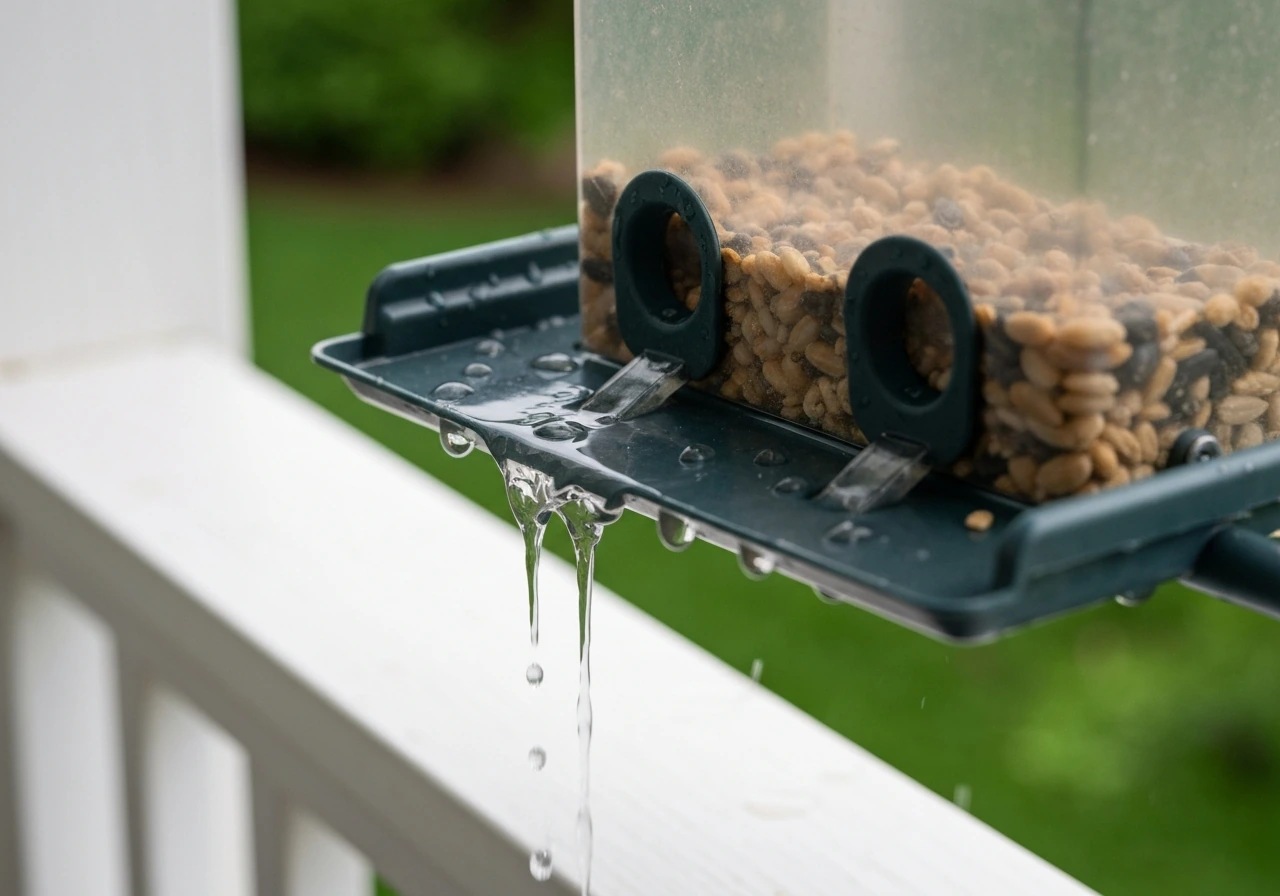
Seed that gets wet clumps, molds, and can make birds sick. Look for feeders with drainage holes in the seed tray, ports that angle slightly downward so water runs out, and materials that don't absorb moisture. UV-stabilized polycarbonate and powder-coated metal both hold up better than standard plastic or untreated wood over multiple winters.
Ease of cleaning and refilling
This is the feature most people underestimate when buying a feeder. Multiple birds reuse the same perches and ports, which means disease transmission is a real concern, especially in spring and fall when migrating birds mix with your resident population. A feeder you can fully disassemble, rinse with a dilute bleach solution or a 50/50 hot water and white vinegar mix, and dry completely before refilling is worth paying extra for. The Droll Yankees Onyx's twist-release base design is the best implementation of this idea in an affordable tube feeder. The instruction guidance specifically says to remove the base before every refill to knock out debris, not just when it looks dirty.
Seed compatibility
The feeder type has to match the seed, which has to match the birds. Tube feeders with smaller ports work best with black-oil sunflower, nyjer (thistle), or a fine mixed seed. Hopper feeders handle larger seeds and mixed blends well. Platform feeders accept almost anything but get contaminated faster. Suet feeders take suet cakes only. Putting the wrong seed in the wrong feeder creates waste, mess, and attracts the wrong visitors.
Port reinforcement and structural durability
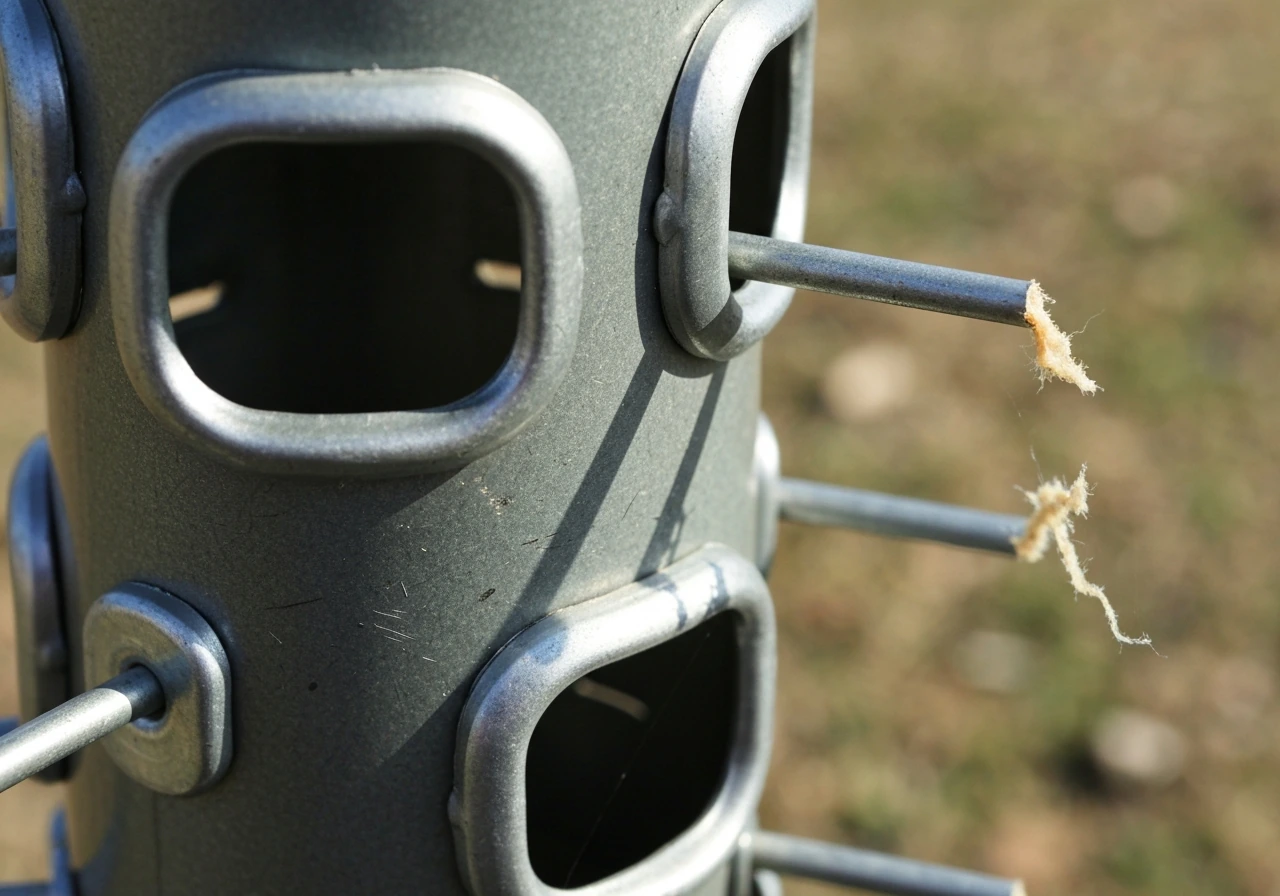
Squirrels chew through soft plastic ports in short order. Any tube feeder you buy should have metal-reinforced port collars, not bare plastic edges. This single feature is the difference between a feeder that lasts two years and one that's destroyed by fall. Metal body construction is even better, though it costs more.
Species match: which feeder design attracts which birds
There's no universal feeder that attracts every backyard bird equally well. Matching feeder design to the birds you actually want to see is how you get results instead of just pigeons and house sparrows.
| Bird Species | Preferred Feeder Type | Best Seed |
|---|---|---|
| Finches (goldfinch, house finch) | Tube feeder with small ports or nyjer sock | Nyjer (thistle) or black-oil sunflower chips |
| Cardinals | Hopper feeder or platform with wide perch | Black-oil sunflower seed or safflower |
| Blue jays | Hopper feeder or open platform | Whole peanuts, mixed seed, sunflower |
| Woodpeckers | Suet cage or hopper feeder | Suet, peanuts, sunflower seed |
| Chickadees and nuthatches | Tube feeder | Black-oil sunflower, safflower, or peanut pieces |
| Doves | Platform/tray or ground-level hopper | Millet, mixed seed, cracked corn |
| Orioles | Dedicated oriole feeder (dish style) | Grape jelly, orange halves, nectar |
| Hummingbirds | Nectar feeder (bottle or dish style) | Plain sugar-water nectar (no dye) |
| Bluebirds | Platform tray or specialized bluebird feeder | Mealworms (live or dried) |
If you want cardinals and jays alongside finches and chickadees, a hopper feeder and a tube feeder running side by side is a realistic setup. Trying to do it all with one feeder always ends in compromise. A pole-mounted system with two or three feeder styles is the most effective approach for bird variety.
Pests and safety: squirrels, rats, and placement rules
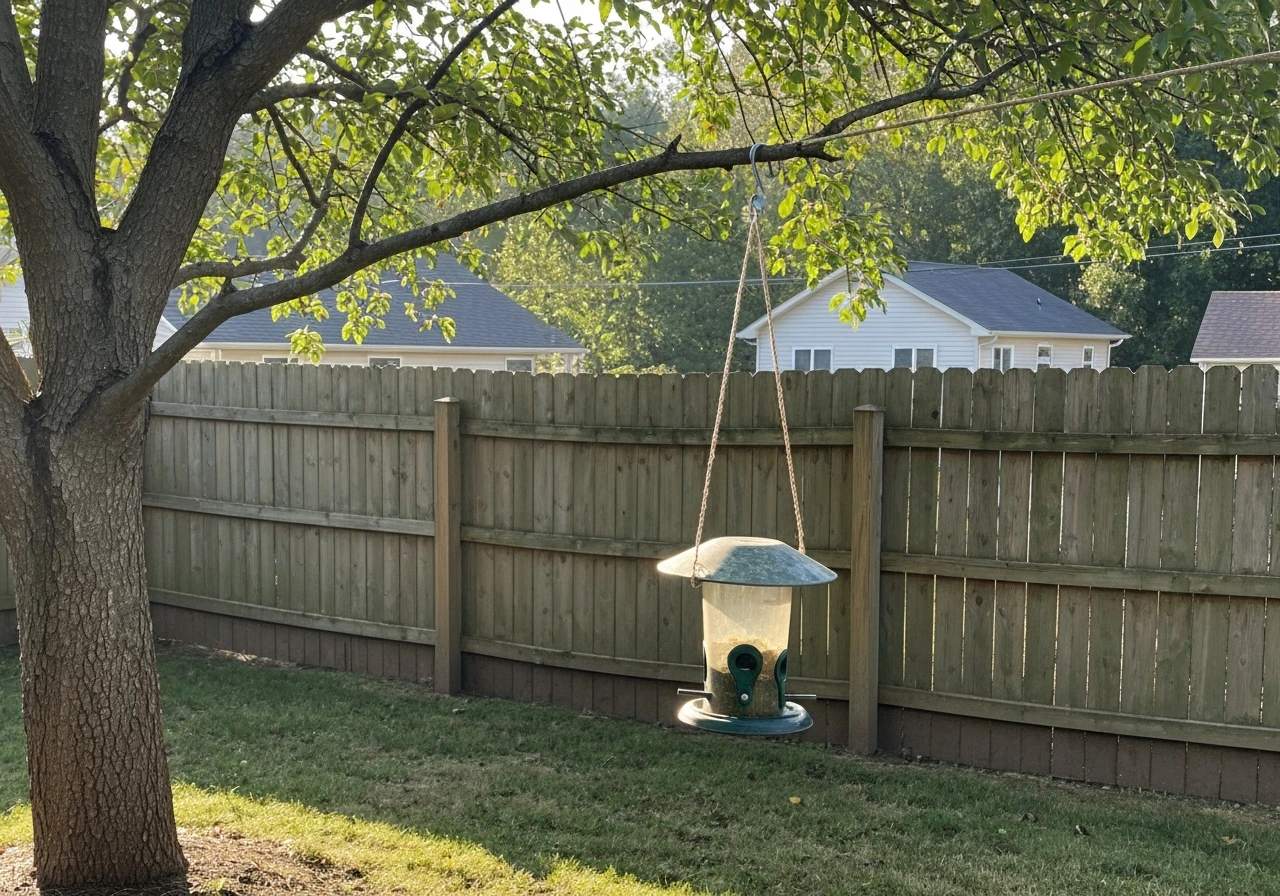
No single method beats squirrels every time. The most reliable approach combines three things: physical placement, a baffle, and feeder design. Do all three and you eliminate most problems. Skip one and squirrels will find the gap.
Placement rules
- Place the feeder at least 8 to 10 feet horizontally from any launch point: trees, fences, rooflines, or buildings
- If hanging from a line, the line should be at least 8 feet long and the feeder at least 4 feet above the ground or snow level
- For pole mounting, use a pole at least 5.5 feet tall so the feeder bottom sits around 4 feet high, then add a baffle below the feeder
- Mount the baffle 4 to 5 feet off the ground to block climbing squirrels before they reach the feeder
Feeder design for pest resistance
Weight-activated feeders like the Droll Yankees Yankee Flipper physically close off ports when a squirrel's weight triggers them. They work, but you still need to make sure the feeder is positioned so a squirrel can't grab the feeder itself and pull it toward a climbing point. Caged tube feeders (metal outer cage surrounding the feeder) let small birds through while blocking larger squirrels and most other pests. Metal tube feeders without cages are still far better than plastic because squirrels can't chew through the body or the port collars.
Seed strategy as a backup
If placement and baffles aren't an option in your yard, switching to safflower seed is a practical workaround. Many birds including cardinals, chickadees, and doves will eat safflower, but squirrels strongly dislike it and generally skip it. Spicy or hot pepper-treated seed blends also deter squirrels because mammals feel the capsaicin irritant while birds don't. You can also try putting cracked corn or a corn cob on the opposite side of the yard to pull squirrels away from your main feeders.
Rats and ground mess
Seed dropping on the ground is the main rat attractant. Use a tray attachment under tube feeders to catch fallen seed, switch to no-waste seed blends (already shelled sunflower chips, for example), and rake up ground debris regularly. If rats are already a problem in your yard, a tube feeder with a tray is much easier to manage than a platform or tray feeder that scatters seed widely.
Next steps: setup, winter strategy, and when to switch feeders
Getting started the right way
Once you have your feeder, install it before you fill it and let it sit for a day or two so it stops smelling like a store. Birds are cautious about new objects. Once you add seed, expect a few days before regulars start visiting, and longer for a window feeder. Putting the feeder near existing shrubs or trees gives birds a perch to survey from before approaching.
Winter feeding strategy
Winter is when feeders matter most to birds and when they're hardest to maintain. A few practical adjustments: switch to higher-fat seed blends (black-oil sunflower, peanuts, suet) because birds need more calories in cold weather. Check feeders after snow and ice events because ports can freeze shut or seed can clump from moisture. The removable-base design on the Droll Yankees Onyx makes clearing out frozen seed chunks much easier than trying to poke around a fixed base. Keep a supply of seed indoors so you're not digging through frozen bags. In extreme cold snaps, a hopper feeder's higher capacity means fewer trips outside to refill.
When to clean, when to switch
Clean feeders every two weeks under normal conditions, more often in wet weather or when you see a lot of bird traffic. Use a dilute bleach solution or a 50/50 hot water and white vinegar mix, rinse completely, and let the feeder dry fully before refilling. Putting seed into a damp feeder defeats the point. If you notice sick-looking birds near your feeder (fluffed up, lethargic, discharge around eyes), take the feeder down, clean it thoroughly with a bleach solution, and wait a few days before putting it back up.
Switching feeder types seasonally
Consider adding a nectar feeder in late April for hummingbirds and orioles passing through on migration, then keeping it up through September if hummingbirds stay in your area. Pull suet feeders or switch to no-melt suet formulations in summer, because regular suet goes rancid fast in heat above 80°F. If you've been running a tube feeder all winter and want to attract more ground-feeding sparrows and juncos in spring migration, adding a simple platform tray is a low-cost complement that dramatically broadens who shows up.
DIY and lower-cost alternatives
If you want to test the hobby before spending real money, a simple wooden platform tray nailed to a fence post costs almost nothing and attracts a wide variety of birds. You can also make a basic suet feeder from a mesh onion bag. These aren't as durable or effective as purpose-built feeders, but they'll tell you what birds are in your yard before you invest in species-specific setups. Once you know what's visiting, you can choose a feeder matched to those birds rather than guessing. And if you eventually want to go beyond just feeding and start identifying and photographing your visitors, pairing your feeder with a camera setup is a natural next step that some dedicated birders find more rewarding than the feeder itself. If you’re ready to level up, the best bird feeder camera Wirecutter recommends can help you identify visitors without guessing. If you want to capture close-up video without paying a monthly fee, consider the best bird feeder camera without subscription camera setup.
FAQ
Can I use a bird feeder year-round if it often gets rain or snow? (What should I look for?)
Yes, but only if you match the feeder and placement. Tube and hopper feeders usually allow seed to stay protected from the worst of rain, but you still need drainage where it can escape. For window feeders, confirm the tray has drainage and you can remove it to wipe droppings, otherwise wet seed will clump and mold quickly.
How do I know when seed or a feeder has gone bad, and what should I do right away?
Keep a simple rule: if seed smells sour, looks damp or clumpy, or you see mold spots, clean the feeder immediately and replace the seed. Also rinse and fully dry the feeder before refilling, dampness is what turns an “okay” feeder into a sick-bird hotspot even if the feeder is made of quality materials.
Do window feeders really reduce window strikes, and what if I cannot mount it right on the glass?
Bird collisions improve most when you reduce “line of flight” near the window and you address the dangerous distance. Even though a feeder right against the glass can slow birds down, the 3 to 10 feet zone remains risky. If you cannot place it very close, add window decals or a visible barrier pattern and avoid hanging feeders that create a clear straight path.
What’s the quickest way to stop rats from being attracted to feeders I already have?
It depends on how you’re feeding. If the feeder uses a tray under the ports, use raking and prompt disposal of fallen seed daily. For ground feeding, avoid broad-spread systems that drop lots of seed, rats track the easy food source. If you already have rats, a no-waste tube feeder with a tray is easier to manage than platform feeders that scatter seed widely.
What is the safest cleaning routine if I notice fluffed-up, lethargic, or visibly dirty birds at the feeder?
If you see sick-looking birds, take the feeder down and clean thoroughly, then wait before putting it back. After cleaning, let it dry completely, and don’t just do a quick rinse. A separate bucket and dedicated brushes help prevent re-contaminating other feeders.
Can I fill one feeder with a mixed birdseed blend and still get good results?
Use the same logic as seed choice. Tube feeders with small ports do poorly with large seeds, and hopper feeders filled with fine seeds can cause awkward flow and wasted seed. If you want a mixed-visitor approach, choose either a port size designed for the dominant seed you want or run two compatible feeder types side by side rather than forcing one feeder to serve everyone.
When should I change seeds for winter, and how do I handle feeders that freeze shut?
Switch earlier than you think. Start seed adjustments when temperatures regularly drop and birds are increased at the feeder, and increase energy density then. If ports start freezing shut, clear them and consider higher-fat options that birds will keep eating even when the feeder is cold and exposed.
Is it worth adding a nectar feeder, and how do I avoid attracting ants or creating spoiled nectar issues?
Yes, but it needs a planned setup so you do not worsen pest and waste issues. Add only when you can keep it clean and you have placement that matches the birds you want, nectar feeders are prone to spoilage in warm weather. In late spring, keep a closer schedule for checking and refilling, and pull it when heat ramps up or the birds stop visiting.
Does having metal parts automatically make a feeder safer, or does cleaning still matter for disease prevention?
Not directly. If you use metal-reinforced ports but neglect disassembly and drying, disease risk stays. Prioritize feeders that can be fully taken apart, cleaned with a disinfecting solution, and dried fully, because reusable perches and repeated contact points are where transmission risk concentrates.
If a feeder says it is squirrel-proof, why might squirrels still get in?
If you have a squirrel problem, start by evaluating “access paths” and mounting security. Many squirrels defeat weight-activated designs by grabbing the feeder body and pulling it toward a climbing point, so ensure it is hard to reach from surrounding branches or fences. If placement changes are impossible, a caged tube design can block larger pests while letting smaller birds feed.
Can I use deterrents like safflower or spicy seed instead of a baffle or squirrel-proof feeder?
Yes, with two important caveats. First, hot pepper-treated seed and safflower are deterrents, but they do not replace squirrel-excluding hardware if squirrels are highly persistent. Second, start with a small amount and confirm your target birds are actually eating it, because some bird species prefer other seed types and you do not want to starve your intended visitors while you deter squirrels.
What’s the most effective way to reduce the seed that ends up on the ground?
Rake or remove fallen seed regularly, and consider reducing the “seed footprint” rather than just cleaning. If you have tube feeders, use tray attachments and keep no-waste blends that create less debris. For existing platform or tray designs that scatter, upgrading feeder type is often the fastest path to reducing ground attractants.