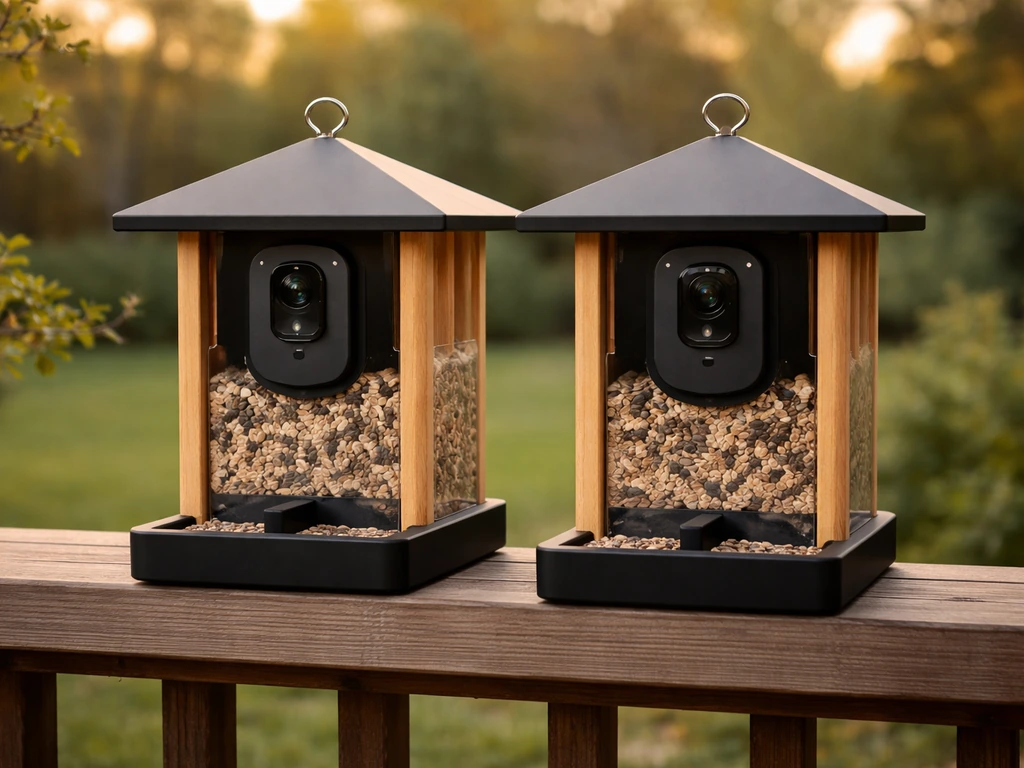
If you want a video bird feeder that actually captures the birds visiting your yard, the Birdfy Feeder 2 Pro is the best all-around choice for most people right now. It shoots dual-lens footage, offers solid AI species ID, runs on solar or battery, and stores clips locally on a microSD card up to 128GB. For a more social, app-first experience, Bird Buddy Pro is a close second. If budget matters more than bells and whistles, the Vinguys at 2.5K with solar is punching well above its price. The right pick, though, depends on what birds you're chasing, how strong your Wi-Fi is outside, and how patient you are with subscription paywalls.
Video Bird Feeder Reviews: Best Picks, Features, Setup Tips
Marcus Hendricks
14 May 2026
What a video bird feeder actually gives you (and what it won't)
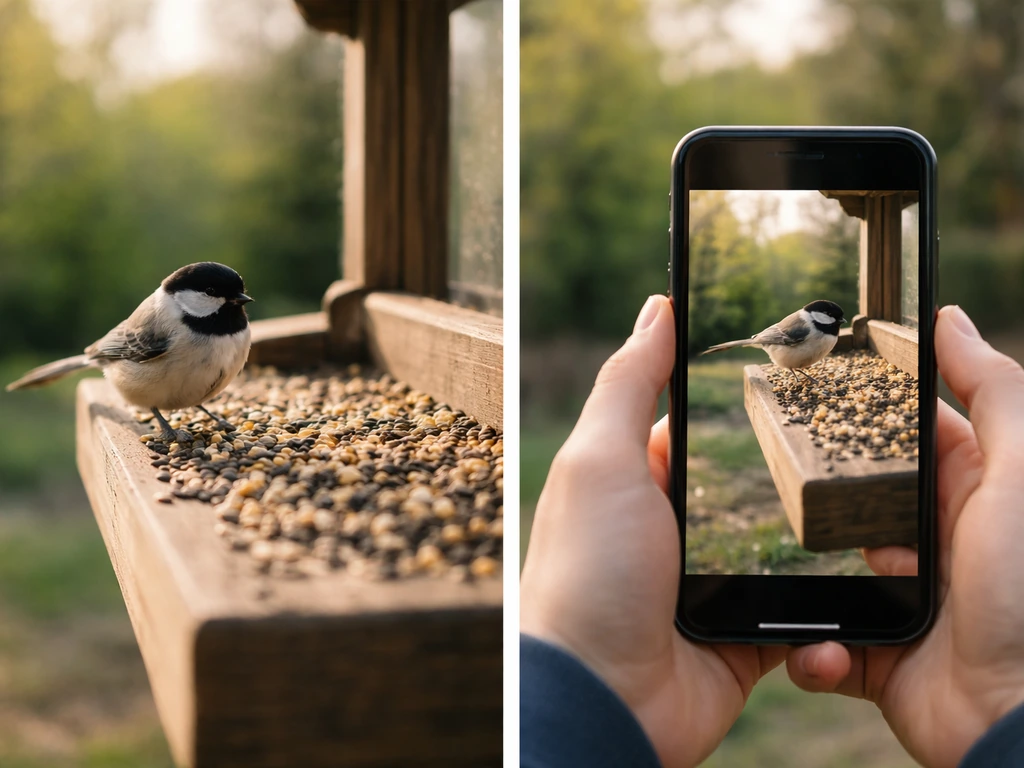
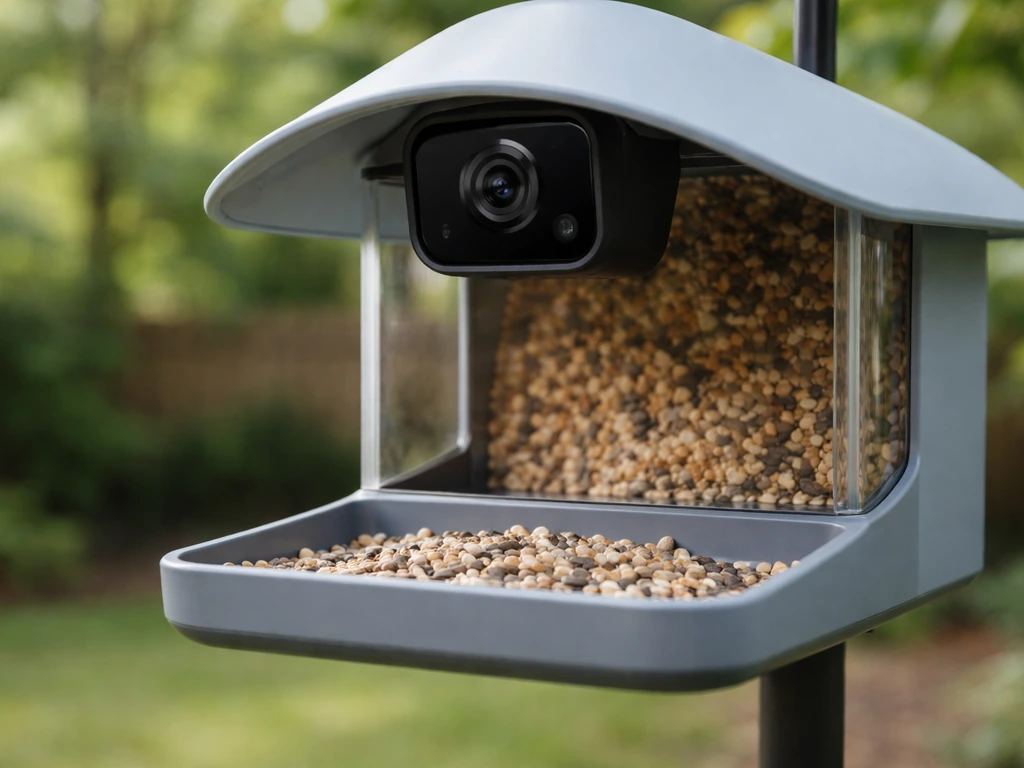
A video bird feeder is essentially a regular bird feeder with a camera built in or mounted onto it, connected to an app on your phone. When a bird lands, a motion sensor or AI trigger fires, and you get a notification with a photo or short video clip. Some models, like the Birdfy Feeder 2 Pro, use AI to identify the species on the spot. Others, like Bird Buddy, are more community- and social-share-focused. A few, like the PeckPerk, lean into pure video quality with ultra-wide lenses and color night vision.
What these feeders do well: they let you watch bird activity without sitting outside, they log visits automatically, and the better ones can tell you that a Rose-breasted Grosbeak stopped by at 7:14 AM while you were making coffee. What they won't do reliably: capture every single visit (quick-moving birds like hummingbirds or nervous warblers often leave before the clip is saved), deliver cinema-quality footage in all lighting conditions, or work flawlessly without a decent Wi-Fi signal within range.
Bird Buddy, for example, has been widely noted to miss visits when birds don't stay in frame long enough, and even its 5MP sensor only records at 720p. Manage those expectations upfront and you'll get a lot of enjoyment from one of these. If you’re looking for droll yankee bird feeder reviews, focus on how well a model captures short visits and how reliable its Wi-Fi and app notifications are.
Key features to evaluate before you buy
Camera resolution and video quality
Resolution specs are marketing bait more often than not. The EZ BirdFeed records at 1080p from a 2MP camera, but reviewers consistently describe the footage as heavily compressed and over-processed. The Vinguys shoots at 2.5K, and the Birdfy Feeder 2 Pro's portrait lens supports a high-frame-rate mode at 100fps. A higher-resolution sensor matters less than how the processor handles compression, how the lens is exposed in changing light, and whether the camera is physically close enough to the perch. For species ID accuracy, you want the bird large in the frame, not a tiny silhouette at the edge of a wide-angle shot.
Night vision
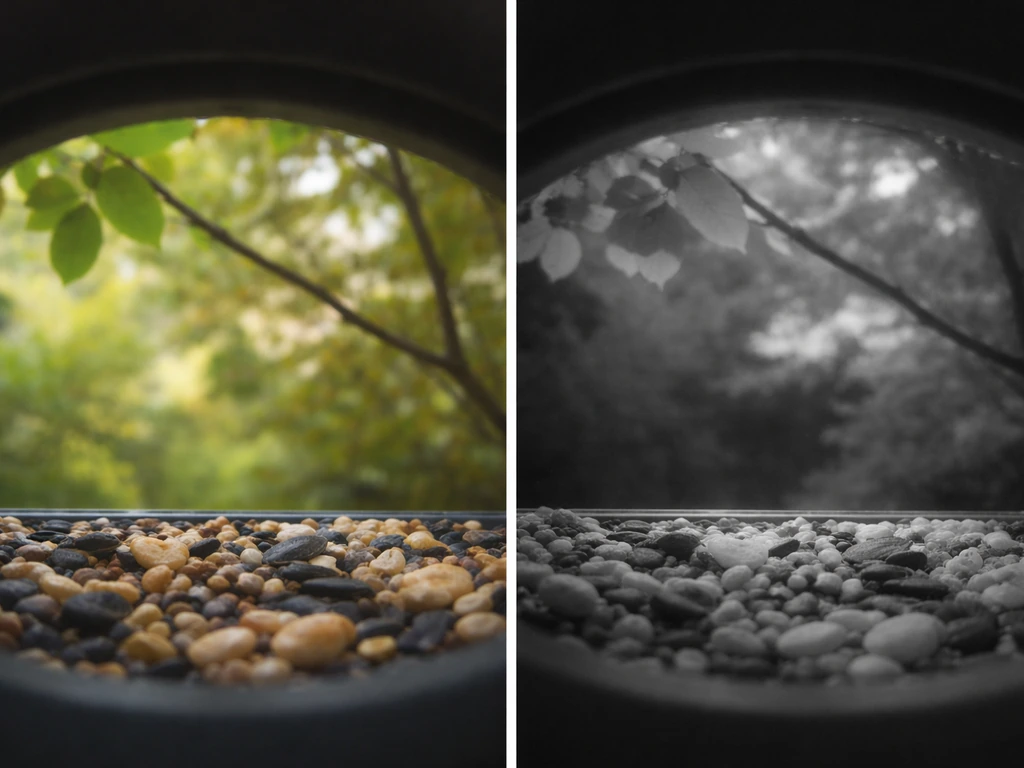
Two types of night vision show up in this category: infrared (IR) and color night vision. IR gives you grayscale footage and is standard on most models. The PeckPerk offers both options at 2K, which is one of the better setups for dawn and dusk birding. Standard IR night vision on Wi-Fi camera feeders typically reaches around 23 feet, which is plenty for a backyard setup. Color night vision preserves plumage detail, which matters a lot if you're trying to identify species in low light.
Field of view and motion detection
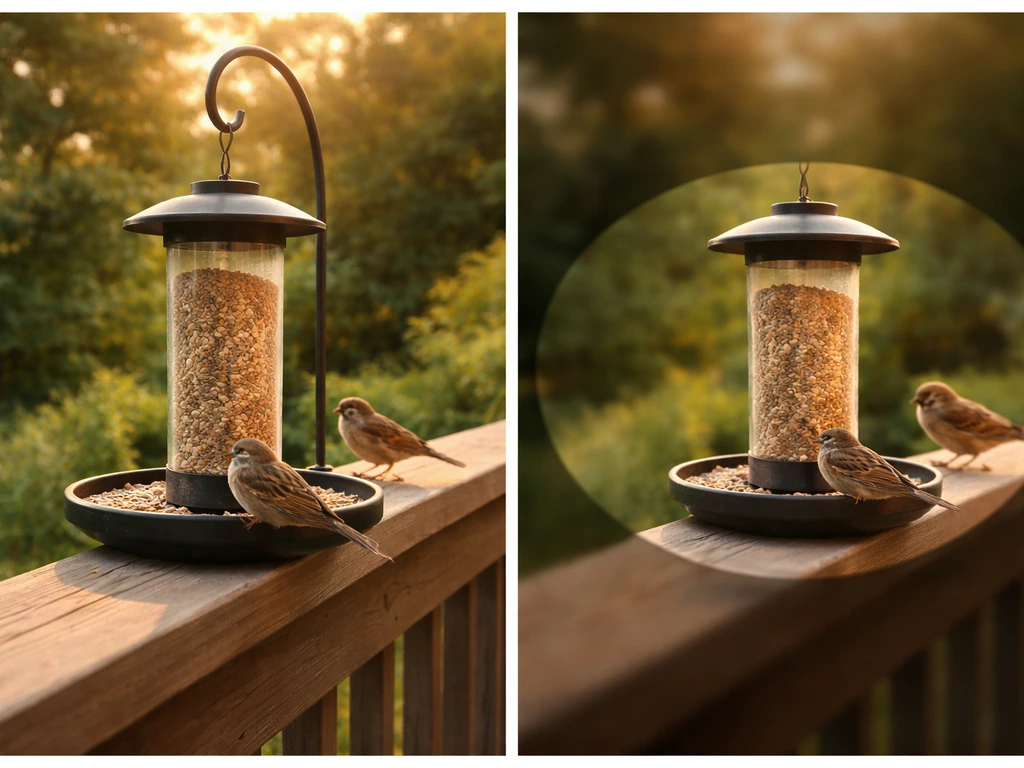
A wider field of view sounds better, but it's a trade-off. The PeckPerk uses a 165-degree ultra-wide lens, which catches birds that land anywhere on a platform but makes each bird look smaller. The FeatherSnap Scout uses a 170-degree horizontal and 90-degree vertical view, with a motion detection range of about ten feet and a focal range of just 4 to 24 inches, meaning it's tuned for close-up visits. The BirdKiss adds activity zones so you can define which part of the frame triggers an alert, which dramatically cuts down on false alarms from swaying branches or squirrels running past.
Connectivity and Wi-Fi stability
Every video bird feeder in this category runs on 2.4GHz Wi-Fi, not 5GHz. That's actually fine for range, but it means interference is more common in crowded suburban neighborhoods. The bigger issue is distance. If your feeder is at the back of a large yard, 30 or 40 feet from your router, you'll get choppy footage and missed alerts. A Wi-Fi extender pointed toward the feeder location is often the cheapest fix. Buffering and pixelation in Bird Buddy footage, for instance, have been traced back to connection quality rather than the camera itself.
Power options
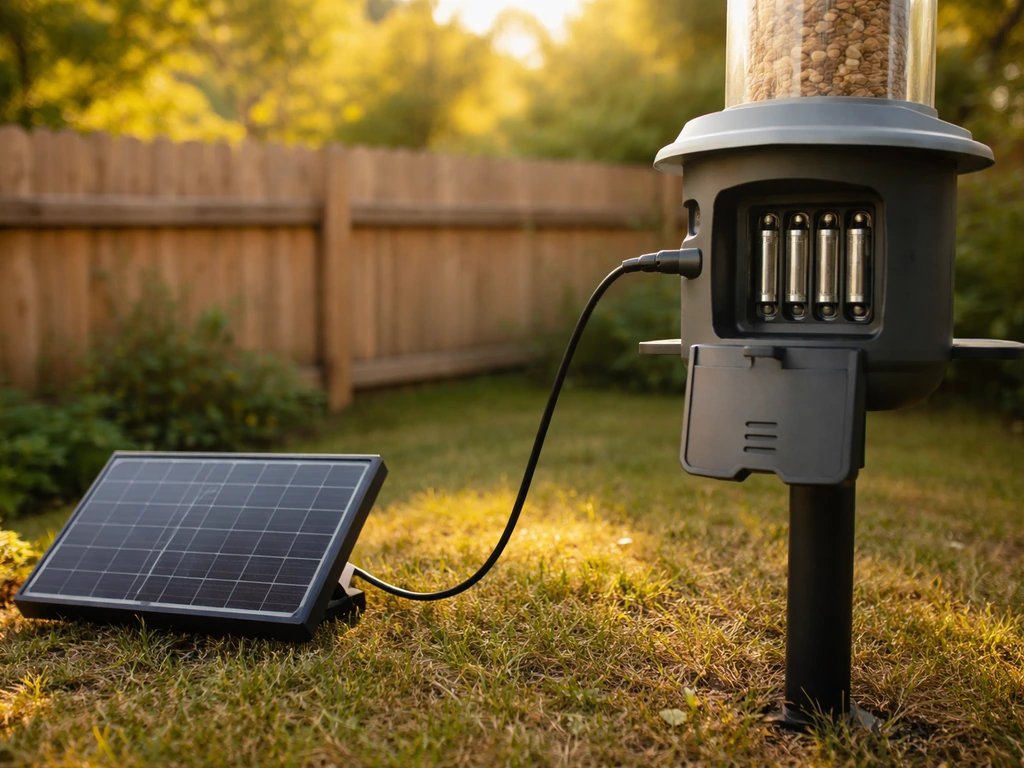
Solar-assisted feeders like the Vinguys are ideal if you don't want to pull batteries every few weeks. That said, "solar powered" often means solar-assisted in practice, meaning it supplements a battery rather than running fully off-panel power alone on cloudy winter days. Battery-only models need checking every 2 to 4 weeks depending on visit frequency and temperature. Cold weather kills battery capacity fast, so for winter feeding in northern climates, solar plus battery backup is the most practical combination.
Storage and subscription costs
This is where most buyers get a surprise. Almost every smart feeder camera has a free tier and a paid tier, and the paid tier unlocks the features you actually want. For more hands-on details like build quality and day-to-day app performance, see the Yankee Flipper bird feeder reviews Bird Buddy Pro. Birdfy's AI species recognition requires a subscription.
Bird Buddy Pro's 2K video and unlimited cloud storage are subscription-gated. Without a subscription, Birdfy records motion events in 20-second clips to a local microSD card (Class 10, up to 128GB), which is a reasonable free option.
The EZ BirdFeed has a frustrating limitation: even with a microSD card installed, you reportedly can't access your footage offline when away from Wi-Fi. Always check what you get for free versus what's locked behind a monthly fee before committing.
Best feeder types for video results
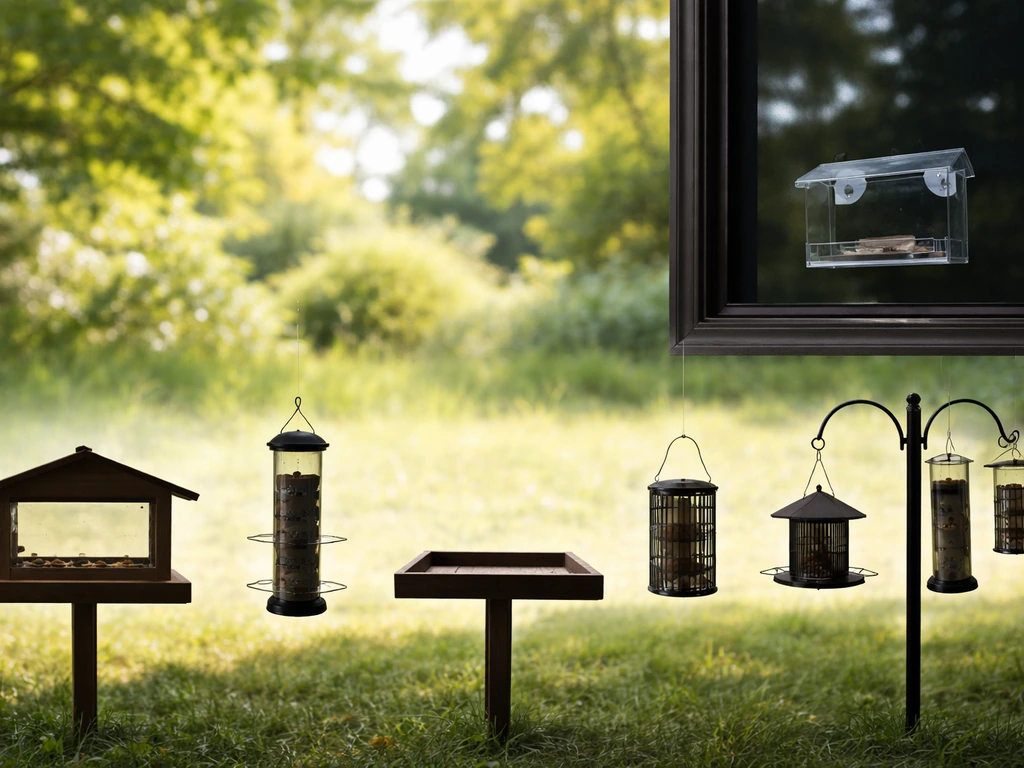
Not all feeder styles work equally well with a camera. The physical design affects how birds position themselves relative to the lens, which directly impacts clip quality.
| Feeder Type | Camera Fit | Best For | Trade-offs |
|---|---|---|---|
| Smart all-in-one (Birdfy, Bird Buddy) | Excellent | Species ID, alerts, app experience | Subscription costs, proprietary ecosystem |
| Platform / tray with add-on camera | Good | Doves, jays, cardinals, larger birds | Birds may land out of frame; wider angle needed |
| Tube feeder with camera mount | Moderate | Finches, chickadees, small songbirds | Multiple ports = birds scatter; harder to frame |
| Suet cage with camera | Good | Woodpeckers, nuthatches | Birds often cling sideways; need angled mount |
| Hopper with smart camera | Good | Cardinals, grosbeaks, mixed species | Roof can obstruct top-down shots |
| Window feeder with camera | Excellent for close-up | Any species comfortable near humans | Small capacity; needs frequent refilling |
The integrated smart feeders, meaning units where the camera is built into the feeder housing, consistently outperform add-on camera setups for video quality. The Bird Buddy's perch layout, for example, is specifically designed to position birds directly in front of the lens at close range. The Birdfy Feeder Vista, announced with a dual-camera and 360-degree concept, takes this further by reducing the blind spots that frustrate platform feeder users when birds land off to one side.
Choosing for your target birds and backyard setup
The bird you're trying to film changes everything about which feeder and camera you need. Here's how to think through it species by species.
- Cardinals and grosbeaks: These are medium-large birds that prefer hopper and platform feeders with sunflower seed. They tend to stay long enough to trigger a clip reliably. Almost any smart feeder will capture them well. Place the feeder at 4 to 6 feet high near shrubby cover.
- Finches and chickadees: Small, quick birds that work tube feeders. They're short visitors, so you want a feeder with fast motion triggering and a close focal range, like the FeatherSnap Scout's 4 to 24-inch range. Activity zones on the BirdKiss also help here by ignoring movement outside the tube ports.
- Woodpeckers: They cling to suet cages and often stay for 30 seconds or more, which makes them the most forgiving bird for video. Any camera with a decent resolution will give you great clips. Mount the suet cage on the side of a pole or tree at 5 to 7 feet.
- Hummingbirds: The hardest birds to capture on video. They move unpredictably and rarely pause. You need a feeder specifically designed for them (nectar ports) with a camera that has a very fast trigger and ideally high-frame-rate capture. The Birdfy 2 Pro's 100fps mode is one of the few that can freeze hummingbird wing movement.
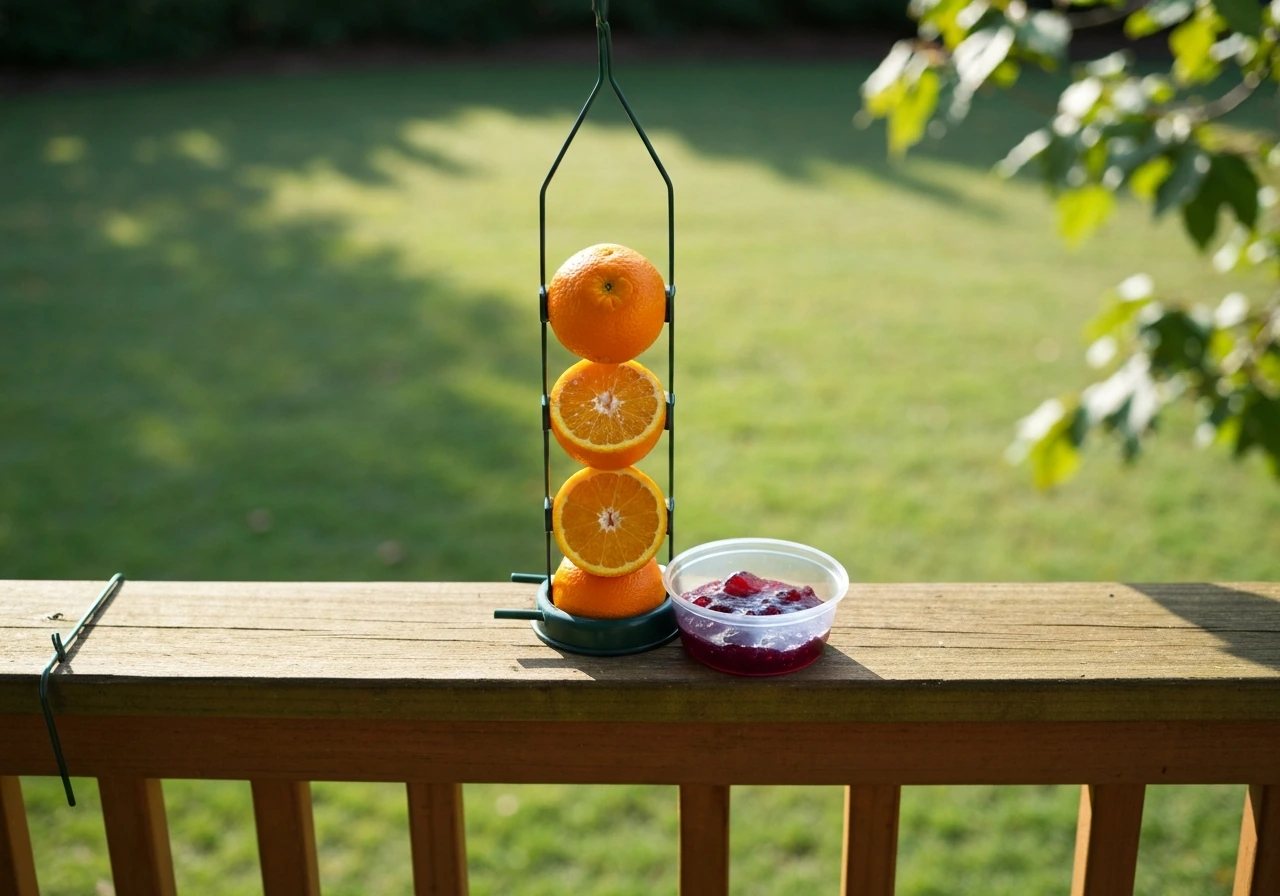
- Orioles: Platform or specialty oriole feeders with jelly or orange halves. Orioles are cautious but will linger once comfortable. Place the feeder in an open area with some tree backdrop, not directly against a fence.
- Bluebirds and doves: Ground-level or low platform feeders. Bluebirds prefer mealworm trays. Doves spread out on platforms and are easy to film. Use a wide-angle camera and place the feeder where you have at least 6 feet of open space around it.
- Blue jays: Big, bold birds that need a platform or hopper feeder with whole corn or peanuts. They'll dominate the frame, which is great for video but can crowd out other species. Jays are also notorious for approaching boldly, so motion detection fires reliably.
- Squirrels (as a problem, not a target): A squirrel identification failure was reported even on the Birdfy 4K, which logged squirrel visits as 'animal' rather than identifying the species. Keep this in mind if squirrel deterrence is part of your setup strategy.
For small yards or urban setups, a window feeder with a close-up camera is often more productive than a backyard pole feeder because birds are forced into a predictable, close position. In dense wooded areas, opt for a hopper or platform in a small clearing rather than hanging the feeder in canopy, where variable light causes constant exposure problems. For winter feeding, choose a feeder with solar-plus-battery power, since battery-only models may drain rapidly in temperatures below freezing and miss visits on dark days.
Performance in real life: footage, convenience, cleaning, and reliability
The gap between spec-sheet video quality and actual usable footage is real, and reviewers across multiple models call it out. Bird Buddy's 5MP sensor sounds capable, but recorded footage comes out at 720p. The EZ BirdFeed shoots 1080p but delivers visibly compressed video. The Birdfy Feeder 2 Pro dual-lens setup is one of the more technically honest offerings, with the portrait lens actually delivering on close-up sharpness. For species identification, close framing matters more than raw resolution. A sharp 1080p image of a bird 18 inches away beats a 4K image of a bird at the edge of a 165-degree wide-angle lens every time.
App experience varies dramatically. Bird Buddy leans into its community features, letting you share sightings and collect species cards, which many users love. The trade-off is that notifications can get overwhelming, and the "unrecognized" label appears frequently on fleeting visits. Good Housekeeping reports that Bird Buddy didn’t capture every bird encounter and that the app sometimes misidentified or returned an “unrecognized” label when a visit was too fleeting “unrecognized” label appears frequently on fleeting visits. Birdfy's app is more utilitarian but functional. The BirdKiss app lets you draw activity zones directly on the camera view, which is one of the most practically useful features for reducing nuisance alerts.
Cleaning is an underrated factor. Smart feeders have camera housings and electronic components that can't be fully submerged. Most are rated for weather resistance but not waterproof immersion. Stick to a damp cloth for the camera area and follow manufacturer guidance for the seed reservoir. Tube and hopper reservoirs on integrated smart feeders are often smaller than a standard standalone feeder, so expect to refill more frequently, roughly every 3 to 7 days depending on bird traffic.
Pests, weather durability, and safety issues to watch for
Squirrels are the number one enemy of video bird feeders, not just because they steal food but because they physically damage camera hardware. Bird Buddy users have reported squirrels gnawing through the plastic housing and chewing camera wires. One documented case involved a squirrel severing the camera wire entirely, requiring a waterproof repair and rerouting the cable inside the feeder body. The Birdfy Feeder 2 Duo has a built-in alarm and feed guard, but in real-world testing squirrels still managed to get into the seed. No smart feeder is truly squirrel-proof on its own.
The most reliable squirrel defense is a pole-mounted setup with a baffle, not the feeder itself. A steel pole with a wide dome baffle placed 10 feet from any jumpable surface is about as close to foolproof as it gets for protecting both your seed and your camera hardware. A Reddit post about Bird Buddy also describes using squirrel-proofing strategies like pole baffles as an “almost foolproof” way to reduce squirrel visits and camera damage risk blank" rel="noopener noreferrer">pole baffle placed 10 feet from any jumpable surface. Hanging feeders from a wire with a torpedo baffle is a reasonable alternative for smaller yards. If you're using a tree-hung feeder, expect squirrel contact and camera damage over time.
For weather durability, look for feeders with UV-resistant polycarbonate or metal components rather than standard ABS plastic. Harsh sunlight degrades plastic housings faster than cold does. Ants are a seasonal problem for nectar feeders and can get into seed feeder joints. An ant moat above a pole-hung feeder is cheap and effective. Standing water inside the seed reservoir after rain promotes mold, which is both a health hazard for birds and a source of clogging. Check for drainage holes in the reservoir and clear them regularly.
Privacy is worth a sentence: these feeders use your home Wi-Fi and upload footage to cloud servers. If you’re looking for specifics before you buy, check out netvue bird feeder reviews to compare models, recording quality, and app experience. Most major brands (Birdfy, Bird Buddy, Netvue) have reasonable privacy policies, but if your feeder is placed where it can see into a neighbor's property or a public sidewalk, be aware that activity-zone features let you constrain what gets recorded.
Top picks by user priority
| Priority | Top Pick | Why It Wins Here |
|---|---|---|
| Best overall | Birdfy Feeder 2 Pro | Dual-lens, 100fps mode, solar + battery, local microSD up to 128GB, solid AI ID |
| Best for beginners | Bird Buddy | Easiest app, species card collection, guided setup, strong community support |
| Best budget | Vinguys | 2.5K resolution, solar power, alert system, optional cloud subscription |
| Best for species ID | Birdfy Feeder 2 Pro | AI recognition with subscription, close-frame portrait lens, dual-angle capture |
| Best for night viewing | PeckPerk | 2K with both IR and color night vision options, 165° FOV, proprietary motion sensors |
| Best for winter | Vinguys or Birdfy 2 Pro | Solar + battery combos handle low-light cold-weather days better than battery-only |
| Best for pest-proofing | Any feeder on a pole with baffle | Hardware deterrence beats feeder-level features; pair with Birdfy 2 Pro for camera durability |
| Best for hummingbirds | Birdfy Feeder 2 Pro | 100fps capture is the only spec that can realistically freeze wing motion for ID |
Quick buying checklist
- Check your outdoor Wi-Fi signal at the intended feeder location before buying anything. If you get fewer than 2 bars, add a range extender first.
- Decide your subscription budget. Most meaningful AI and cloud features cost $3 to $8 per month per feeder. Factor that into the total cost.
- Match feeder type to target birds. Tube for small songbirds, platform or hopper for cardinals and jays, suet cage for woodpeckers, nectar feeder for hummingbirds.
- Choose solar-plus-battery if you're in a northern climate or plan to run the feeder through winter.
- Plan your squirrel deterrence separately. A steel pole with a dome baffle costs under $30 and protects both your seed and your camera hardware.
- Buy a Class 10 microSD card (32GB minimum, 128GB preferred) for local storage even if you plan to use cloud features.
- Check whether the camera app supports activity zones. If it does, set them up on day one to reduce false alerts.
Setup steps for usable footage from day one
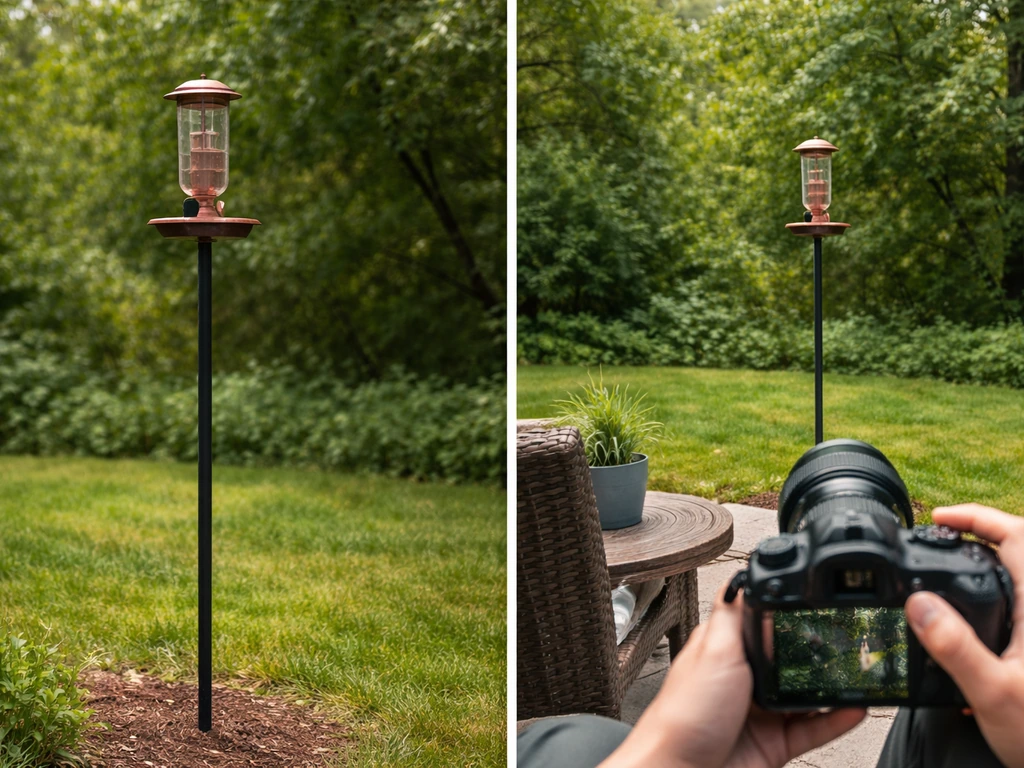
- Mount the feeder at 4 to 6 feet high on a pole, not hanging from a tree branch. This gives you a stable, controllable position relative to the camera angle.
- Aim the camera lens facing north or east to avoid direct afternoon sun blowout. Sun in the lens washes out footage completely and is one of the most common mistakes.
- Place the feeder within 10 to 15 feet of natural cover (a shrub or small tree) so birds feel safe landing, but not so close that branches constantly trigger motion alerts.
- Bait the location first. Scatter seed on the ground below the feeder for two to three days before turning on the camera. Once birds are comfortable with the spot, they'll approach the feeder directly.
- Set your activity zone (if supported) to cover just the perch area. Exclude sky, fence lines, and foliage from the trigger zone.
- Test the night vision angle before committing to the mount position. Point the camera at the perch in dark mode and confirm the IR illumination actually reaches the seed area.
- Clean the camera lens and seed reservoir every two weeks. A dirty lens costs you sharpness that no resolution upgrade can recover.
Brands like Netvue (behind several Birdfy products), FeatherSnap, Coolfly, and Harymor are all worth considering depending on your specific feature priorities and budget, with each offering a slightly different balance of resolution, subscription model, and feeder design. The fundamentals above apply across all of them: get the Wi-Fi right, mount the feeder on a secure pole, point the camera away from direct sun, and set up local storage from the start. If you're comparing options, coolfly bird feeder reviews can help you gauge real-world performance before you buy. Do those things and you'll have usable, enjoyable bird footage within the first week.
FAQ
Why does my video bird feeder miss birds even when it’s supposed to be AI-triggered?
Most video feeders record only when a trigger fires, and quick visits can finish before the clip is saved. If you notice missing birds, try increasing the bird's “dwell time” by using a platform or perch style that keeps birds stationary longer, and relocate the feeder so birds land closer to the lens (bigger bird in frame). Also confirm whether your model has adjustable sensitivity or activity-zone settings to reduce missed alerts versus cutting false triggers.
Can I watch or download clips from a video bird feeder when I’m away from home Wi‑Fi?
Yes, many models let you view footage offline after it has been written to the microSD card, but the exact behavior varies. If the app requires an internet connection to decrypt or load clips, you may only be able to see limited event thumbnails when away from Wi-Fi. Before buying, check whether the brand supports direct microSD playback on a phone or computer, and whether “local clips” include full video length on the free tier.
My feeder notifications arrive late and videos pixelate, how do I troubleshoot Wi‑Fi?
In most setups, “buffering” is caused by weak connection between the feeder and router, not the camera itself. Solve it by improving signal strength at the feeder location, not by changing video resolution. Common fixes include using a Wi‑Fi extender positioned so the feeder is in its strongest coverage area, reducing interference on the 2.4GHz band if your router allows channel selection, and placing the feeder where line of sight to the router is better.
How can I reduce false alerts and notification overload?
These feeders are usually not designed for constant high-volume playback, and they can generate many alerts. If your goal is species learning rather than endless notifications, prioritize models with activity zones and lower-motion sensitivity settings, then set alert schedules if the app allows. You can also reduce nuisance triggers by trimming nearby branches that sway, and by ensuring the perch and camera view are not aimed at fluttering leaves or hanging décor.
What matters more for identifying birds, higher resolution or camera framing?
For species ID accuracy, you generally want a tighter camera view than a wide-angle lens provides. That means choosing a feeder style that positions birds near the lens (integrated perch layouts, close window mounts) and avoiding angles where birds land at the extreme edges of the frame. Even if a model advertises higher resolution, the clearest ID often comes from sharper framing and exposure balance at close range.
Will a “solar powered” video feeder work reliably in winter?
“Solar powered” typically means solar-assisted, with a battery doing most of the work. In winter, short daylight and cold temperatures reduce panel output and battery capacity, so solar-only assumptions often fail. If you live in a cold climate, look for solar-plus-battery backup and plan on using fully charged batteries before the season, plus checking charge behavior after long cloudy stretches.
How should I clean a video bird feeder camera without damaging it?
Most smart feeders are weather-resistant rather than waterproof for full immersion, especially around the camera housing and electronics. The safer routine is to wipe the camera area with a damp cloth and keep water away from seams, ports, and cable entries. For the seed reservoir, follow the manual, and after heavy rain remove and dry any standing water before restarting the system.
What’s the most effective way to stop squirrels from destroying the camera?
Squirrels are notorious because they can chew wiring and housing even if the device has a feed guard. The most effective defense is a pole setup with a baffle that blocks squirrels from reaching both the seed and the camera. If you hang the feeder, use a proper torpedo baffle and secure suspension points, and consider adding guards on the cable route if the design exposes wiring.
How do activity zones help with privacy, and what placement mistakes should I avoid?
Yes, but placement matters. If the feeder can see into a neighbor’s yard or a public walkway, you may unintentionally record people or non-target activity. Use any available activity-zone controls to constrain the recording area, and mount the feeder so the camera points toward your feeder opening, not across property lines or windows.
Why is the battery draining faster than expected on my video bird feeder?
Battery drain is strongly tied to trigger frequency and cold weather. If you see rapid shutdowns, reduce alert sensitivity if possible, place the feeder where it gets more consistent light, and check battery health before the coldest weeks. For frequent visits, expect more frequent charging or battery swaps than the manufacturer estimate, especially during storms or windy conditions.
How do I evaluate “real-world” video quality beyond the resolution number?
Most higher resolution specs are less important than compression quality and exposure handling. If you want the most usable footage, look for: close framing (bird occupies more of the frame), good low-light processing (color night vision can help with plumage), and stable exposure without heavy artifacts. If your model supports a closer lens or portrait mode, prioritize that feature over marketing-heavy resolution claims.