
The best bird feeders made in the USA that I'd confidently recommend right now are the Aspects HummZinger Excel (16 oz, UV-stabilized polycarbonate, assembled in Rhode Island) for hummingbirds, and the NO/NO all-metal line from Woodstream/Perky-Pet for seed feeders that genuinely resist rust and squirrels. Beyond those two, the field gets complicated fast: a lot of feeders sold at U.S. retailers carry vague origin language, and a few well-known brand names turn out to have no domestic manufacturing at all. This guide cuts through that noise, verifies what 'Made in USA' actually means under FTC rules, and gives you practical recommendations organized by feeder type, target species, and budget.
Best Bird Feeders Made in USA: Top Picks by Type & Bird
Marcus Hendricks
19 Jul 2026
Why USA-made feeders matter (and when they don't)
The case for buying American-made bird feeders comes down to three things: material traceability, quality consistency, and warranty follow-through. Domestic manufacturers are subject to FTC scrutiny on claims they make about their products. Under the FTC's 'Made in USA' standard, a product must be 'all or virtually all' made in the United States, with the final assembly location, proportion of U.S. parts, and overall manufacturing process all factored in. That's a meaningful bar. It also means you have legal recourse if a company is lying, and the FTC does actively pursue these cases. When I'm spending $40 to $90 on a feeder I expect to last a decade, knowing a manufacturer stands behind a genuine domestic claim matters.
That said, 'Made in USA' isn't a proxy for every feeder quality metric. A domestically made feeder in cheap plastic will still crack after two winters. What the designation mostly guarantees is tighter quality control, faster access to replacement parts, and a customer service team operating in your time zone. For feeders in the sub-$25 range, origin matters less. For durable, long-term investments, it matters quite a bit.
Top USA-made bird feeders by type and use case
This is my short list based on confirmed manufacturing origin, real-world durability, and verified specifications. I've organized it by feeder type since that's how most buyers shop.
| Feeder Type | Model / Brand | Key Specs | Best For | USA Origin Notes |
|---|---|---|---|---|
| Hummingbird (tube) | Aspects HummZinger Excel | 16 oz, UV-stabilized polycarbonate, 8.3" diameter | Hummingbirds, high-traffic yards | Made in Rhode Island; stated on product listings |
| Hummingbird (tube) | Aspects HummZinger HighView | 12 oz, polycarbonate, elevated perch ring | Single-feeder setups, decks | Same Aspects facility; confirmed USA-made |
| Seed/All-purpose (metal tube) | NO/NO Cardinal Feeder | ~2.5 lb capacity, all-metal construction, 12.8" x 15.9" | Cardinals, finches, jays | Woodstream Corp. (Perky-Pet family); U.S.-distributed, verify assembly origin directly |
| Hopper | Droll Yankees Classic Hopper | Powder-coated steel, modular roof, multiple sizes | Mixed seed, cardinals, chickadees | Droll Yankees is a Connecticut-based manufacturer |
| Platform / Tray | Droll Yankees Open Tray | Recycled materials, open design, drainage holes | Doves, jays, cardinals | Connecticut-made; check current product line for confirmation |
| Suet | Kettle Moraine Plastic Suet Feeder | Recycled HDPE, standard suet cage size | Woodpeckers, nuthatches | Wisconsin-based production; verify current model year |
| Window | Aspects Window Feeder | Suction-cup mount, polycarbonate tray, 1-cup capacity | Up-close viewing, finches, chickadees | Aspects; Rhode Island assembly confirmed |
| Pole-mounted / System | Erva Tool & Die Feeders | Powder-coated steel, multiple configurations | Mixed species, pest-resistant setups | Chicago-area U.S. manufacturing; ask for current documentation |
A note on the NO/NO line: multiple retail product pages (Target, McCoy's, National Supply Network) list Woodstream Corporation as the manufacturer, which is a Pennsylvania-based company. If you want to know who makes NO/NO bird feeders, contact Woodstream or request the model-specific country-of-manufacture statement from the manufacturer. That confirms U.S. distribution, but Woodstream handles a large product portfolio and not every item in it is assembled domestically. If the NO/NO origin matters to you specifically, contact Woodstream directly and ask for the country-of-manufacture statement on the specific model number you're buying.
What to actually evaluate before you buy
Marketing copy on feeder listings can be impressively vague. Here's what I look at when I'm evaluating a feeder seriously.
Materials and finish
UV-stabilized polycarbonate is the gold standard for plastic feeders. It resists cracking in both cold winters and direct summer sun, and it doesn't yellow the way standard polystyrene does after a season or two. For metal feeders, look for powder-coated steel rather than painted or bare metal. Powder coating bonds at the molecular level and resists chipping, rust, and UV degradation far better than spray paint. Recycled HDPE (the same material used in cutting boards) is excellent for suet cages and platform feeders since it doesn't absorb moisture, won't rot, and can be scrubbed with bleach without degrading.
Weatherproofing
A good feeder keeps seed dry even in driving rain. This means an overhanging roof with at least a 1-inch lip overhang, seed ports that drain rather than pool water, and no trapped seams where moisture collects and promotes mold. I've tested plenty of feeders that look weatherproof and aren't. If the seed chamber sits directly at the port opening with no drainage gap, you'll be scooping out clumped, moldy seed after every rain.
Pest and raccoon resistance
Penn State Extension is clear on this: mount feeders on poles with properly placed baffles, keep feeders at least 10 feet from any launch point like a tree branch or roofline, and position baffles at least 5 feet off the ground. That hardware setup matters more than any feeder's built-in squirrel resistance. That said, weight-activated feeders that close ports when a squirrel sits on them (like the Brome Squirrel Buster line, which is Canadian-made but worth knowing) add a useful second layer of defense. All-metal construction also removes the chewing-through-plastic problem entirely.
Ease of cleaning
This is the criterion most buyers underestimate and later regret. A feeder you can fully disassemble, scrub, and reassemble in under five minutes will actually get cleaned on schedule. One with a fused seam, a narrow neck, or a base that requires a coin to unscrew will sit dirty for weeks. Audubon guidance calls for cleaning every two weeks as a baseline, and more often in hot or wet weather. That schedule is only realistic with a feeder designed for it.
Seed capacity and mounting
Larger capacity sounds convenient but can backfire: seed sits longer before birds finish it, which increases spoilage risk, especially in humid climates. For most backyard setups, a 2 to 3 lb seed capacity is the practical sweet spot for tube and hopper feeders. Hummingbird feeders should be sized to what your visiting birds will empty in three to four days in summer (nectar spoils quickly in heat). For mounting, integrated hanger loops are fine, but feeders with a dedicated pole adapter or mounting bracket give you more placement flexibility and better baffle compatibility.
Warranty
A manufacturer that backs its product with a multi-year warranty is signaling confidence in its materials. Aspects offers a lifetime guarantee on HummZinger feeders against defects and UV degradation. Droll Yankees has historically backed their products with strong warranty terms. Shorter warranties (90 days to one year) on feeders priced above $30 are a yellow flag. Ask specifically whether the warranty covers UV cracking and hanger wear, since those are the two most common failure points.
How to verify 'Made in USA' claims yourself
The FTC's standard is 'all or virtually all' domestic content, covering final assembly location, the share of U.S. parts and processing costs, and the overall impression a claim creates. That means a feeder with a U.S.-assembled frame using imported polycarbonate components might not technically qualify, even if the marketing says otherwise. Here's how I verify claims before recommending a feeder.
- Check the product packaging: look for 'Made in USA' versus 'Assembled in USA' versus 'Designed in USA.' These are meaningfully different. Only the first implies substantial domestic content.
- Look up the product's country of origin on the box or in the product's customs data. Many large retailers show this in the 'specifications' tab of the product listing as 'Country of Origin.'
- Contact the manufacturer directly and ask for the country-of-manufacture statement for the specific model number. A legitimate USA-made manufacturer will have this documentation ready.
- Search the FTC's enforcement database at ftc.gov if you suspect a claim is misleading. The FTC has pursued cases against Williams-Sonoma, Instant Brands/Pyrex, and Kubota, among others, showing they do act on false claims.
- For brands you're unsure about, check independent retailer product pages that pull from manufacturer data rather than reseller-written copy.
Checking specific brands: Kingsyard, Chapelwood, NO/NO, and Stokes
Kingsyard's public website (kingsyard.com) runs a wholesale program and lists a broad feeder product line, but as of mid-2026 the site carries no clear manufacturing-origin statement anywhere on its brand or product pages. That absence alone doesn't prove offshore manufacturing, but it does mean you cannot verify a USA-made claim from first-party information. If you need a direct source, see the note titled "where are kingsyard bird feeders made" for the latest origin information. If you're specifically asking where Kingsyard feeders are made, the honest answer is: not confirmed from available public sources.
Chapelwood is primarily a UK brand. Retailer and aggregator listings consistently place it in the UK distribution channel, and it does not appear in U.S. domestic manufacturer databases. If you've seen Chapelwood sold through a U.S. retailer, you're buying an imported British brand, not a domestic product.
NO/NO feeders are listed with Woodstream Corporation (Perky-Pet) as manufacturer across multiple major retail platforms including Target and National Supply Network. Woodstream is headquartered in Lititz, Pennsylvania, but the company's full manufacturing portfolio spans multiple countries. Treat NO/NO as a U.S.-brand/U.S.-distributed product and verify individual model assembly origin directly with Woodstream before making a 'Made in USA' assumption.
Stokes bird feeders are associated with Don and Lillian Stokes, whose brand has gone through multiple distribution partnerships over the years. If you need to know who makes Stokes bird feeders, contact the current distributor for a country-of-manufacture statement on your specific model. Current Stokes-branded feeders are sold through major retailers, but the manufacturing location varies by product line and production year. Contact the current distributor for a specific model's country-of-manufacture statement.
Where to buy USA-made feeders and how to think about price
Finding genuinely domestic feeders requires a bit more effort than walking down a big-box garden aisle. Here's where I've had consistent luck. For a quick list of reputable retailers and specialty sellers, see who sells bird feeders.
- Direct from manufacturer: Aspects (aspectsinc.com) and Droll Yankees both sell direct, which is the clearest way to confirm origin and access the full warranty.
- Specialty wild bird stores: locally owned wild bird stores (Wild Birds Unlimited franchises, independent shops) typically stock Aspects, Droll Yankees, and Erva Tool & Die because they vet their suppliers more carefully than mass merchandisers.
- Duncraft (duncraft.com): a long-running specialty bird supply retailer that explicitly filters by USA-made on many listings and provides manufacturer detail.
- National retailers (Home Depot, Walmart, Amazon): carry some domestic products but also mix them with imports without clear labeling. Use the 'Country of Origin' field in product specs and cross-reference against manufacturer sites.
- Local garden centers and farm supply stores: often carry regional brands that don't get national distribution. Ask staff specifically about origin since the staff at dedicated bird and garden shops tend to know their inventory.
Price vs. longevity: what to expect
A quality USA-made feeder typically runs $35 to $90 depending on size, material, and type. That sounds like a lot next to a $12 plastic tube feeder, but the math works out quickly: if a $15 feeder cracks after two seasons and a $55 feeder lasts ten years, you're paying less per year of use with the domestic product, and you're generating less plastic waste. I consider $40 to $65 the sweet spot for most buyers: enough to get UV-stable polycarbonate or powder-coated steel, a real warranty, and replaceable parts, without overpaying for features you won't use.
Match your feeder to your birds
Feeder type, port size, perch configuration, and food type all influence which species show up. Getting this right is more important than almost any other purchase decision.
| Species | Preferred Feeder Type | Seed/Food | Key Feeder Features |
|---|---|---|---|
| Hummingbirds | Tube / dish feeder (nectar) | Homemade or commercial nectar (4:1 water:sugar) | No red dye needed; easy-clean ports; built-in ant moat or bee guards |
| Finches (goldfinch, house finch) | Tube with small ports or sock feeder | Nyjer (thistle) seed | Small ports (3/32" or mesh); no large perches needed |
| Cardinals | Hopper or platform with wide tray | Safflower, sunflower seeds | Wide perch platform; 12"+ tray width; protected from weather |
| Woodpeckers | Suet cage or clinging tube | Suet cakes, peanuts, sunflower chips | Vertical clinging surface; no perch below port; 2-cake capacity useful |
| Orioles | Oriole-specific dish/nectar feeder | Nectar, grape jelly, orange halves | Wide jelly cups; orange-colored design optional; easy dismantling for cleaning |
| Bluebirds | Mealworm tray / platform | Live or dried mealworms | Low, open tray with good sightlines; near open lawn habitat |
| Blue Jays | Hopper or large platform | Whole peanuts, sunflower, corn | Sturdy construction; large seed ports or open tray; weight-rated perch |
| Doves | Ground-level platform or low tray | Millet, cracked corn, mixed seed | Flat or nearly flat surface; drainage holes; place near cover |
A few notes worth expanding: cardinals strongly prefer feeders where they can face forward rather than twist sideways to reach a port, which is why wide hopper trays dramatically outperform narrow tube feeders for this species. Woodpeckers want a surface to brace their tail feathers against, so suet cages with an extended tail-prop panel below the cage attract far more woodpecker activity than standard flat cages. And bluebirds rarely visit seed feeders at all. If you're trying to attract bluebirds, a mealworm tray near open lawn is almost the only reliable approach.
Smart features, cameras, and pest-proofing tech: worth it or not?
The market for 'smart' bird feeders has grown substantially, with camera-integrated feeders using AI to identify visiting species becoming a genuine product category. Most of these use app-connected cameras mounted at the feeder, and the technology has improved from novelty to genuinely useful over the past few years. The catch: most camera-ready feeders on the market are not USA-made, and very few combine domestic manufacturing with integrated electronics.
Camera-ready mounts
If you want a domestic feeder with camera observation, the practical approach is a USA-made feeder (Aspects, Droll Yankees, Erva) paired with a separately mounted wildlife camera or compatible smartphone mount. Many pole-mounted feeder systems have accessory arms that can hold a camera housing at the right angle. This gives you better hardware longevity than all-in-one units and lets you upgrade the camera independently.
Solar features
Solar-powered features on bird feeders typically mean LED lighting (for nighttime viewing or ambient decoration) or powered heating elements (to prevent suet from melting in summer or nectar from freezing in winter). Heated hummingbird feeders are genuinely useful in shoulder-season cold snaps. Solar-powered lights are mostly decorative. If you're in a climate where temperatures drop below 25°F during hummingbird season (which applies to parts of the Rocky Mountain West and southern Canada), a solar- or battery-heated nectar feeder can extend your feeding window meaningfully.
Squirrel-proofing technologies
There are three main approaches: weight-activated port closures (ports snap shut when a squirrel's weight triggers them), caged outer shells (a wire cage surrounds the feeder, sized to exclude squirrels while admitting small birds), and pole-plus-baffle systems. Penn State Extension recommends a combination: pole mounting at least 5 feet high, baffles placed correctly, and at least 10 feet of clearance from any squirrel launch point. In my experience, weight-activated feeders work well but only if the weight threshold is calibrated correctly for your local squirrel species, which can weigh anywhere from 10 to 28 oz depending on the type. Caged feeders reliably exclude squirrels but also exclude larger birds like jays and cardinals unless you specifically choose a cage with wider spacing. For a yard with serious squirrel pressure, the pole-and-baffle system is the most reliable long-term solution regardless of which feeder you mount on it.
Modular and replaceable parts
This is an underrated feature. Feeders from Aspects and Droll Yankees are designed so individual components (perch rings, port inserts, hanger wires, roof panels) can be replaced without buying a whole new feeder. This matters because the hanger is usually the first thing to fail, followed by the perch, and then the base seal. A feeder where you can order a replacement hanger wire for $3 will outlast three generations of sealed-unit feeders that get thrown out when one part breaks.
Seasonal feeding, cleaning, and pest prevention
Winter feeding
Winter is when quality materials show themselves. UV-stable polycarbonate handles freeze-thaw cycling without cracking; cheap polystyrene does not. Powder-coated steel handles ice and snow without rusting; painted or galvanized bare metal eventually fails at the joints. In winter, I shift to higher-fat foods: suet, peanuts, and black-oil sunflower seed. These foods provide the caloric density birds need to maintain body temperature overnight in cold weather. Seed capacity matters more in winter because you want to minimize how often you're going out in freezing temperatures to refill.
Cleaning schedule and methods
Audubon and Cornell Lab both recommend cleaning feeders every two weeks under normal conditions, and more frequently during hot weather, heavy rainfall, or if you observe sick or lethargic birds. The protocol that research supports: hot soapy water scrub to remove all seed debris and biofilm, followed by a 10-minute soak in a 1:9 bleach-to-water solution (one part bleach, nine parts water), then a thorough rinse and complete air drying before refilling. A small trial, 'blank" rel="noopener noreferrer">The efficacy of cleaning bird feeders with 10% bleach wipes to reduce bacteria (research abstract/report)', found that hot soapy washing followed by a 1:9 bleach soak significantly reduced bacterial loads on feeders. Do not skip the air-dry step: refilling a damp feeder accelerates mold growth. Studies on this cleaning protocol confirm it reduces bacterial loads to safe levels when the soak time is maintained.
If you observe multiple sick or dead birds near your feeders, Cornell Lab's guidance is to take feeders down, deep clean and disinfect, and keep them down for at least two weeks. This is especially relevant during avian influenza advisories. Cornell explicitly does not recommend permanent feeder removal during HPAI outbreaks unless you're operating near commercial poultry, but the two-week-down protocol after observing sick birds is well-supported.
Off-season storage
If you take feeders down for part of the year (many people stop feeding in summer when natural food is abundant), store them clean and dry. UV-stabilized polycarbonate can be stored outdoors under cover without degrading. Metal feeders stored in humid sheds or garages can develop surface corrosion at unsealed joints even with powder coating. I store metal feeders inside a dry garage or basement, and plastic feeders can stay on a covered porch.
Pest prevention cycles
Squirrel pressure peaks in late winter and early spring when natural food is scarce. Rat problems at feeders typically intensify in fall when rats are caching food before winter. For rat deterrence: switch to tube feeders with small ports (rats can't reach inside), use no-waste seed mixes (no shells = less ground debris), and mount feeders on poles with baffles rather than hanging from trees. Raccoon pressure is worst in spring and summer when they're feeding cubs. A correctly positioned pole baffle (smooth, wide enough that a raccoon can't reach around it, at least 5 feet off the ground) stops virtually all raccoon access.
A quick note on feeder history and why it matters for buying decisions
Garden bird feeding as a commercial practice grew largely out of British conservation culture in the late 19th and early 20th centuries, with the RSPB documenting its expansion into a mainstream hobby through the 20th century. The U.S. developed its own strong feeder culture independently, particularly through organizations like Cornell Lab of Ornithology and the National Audubon Society, which drove both feeder design standards and the science around feeding practices. That domestic tradition is part of why companies like Aspects, Droll Yankees, and Erva Tool & Die exist as genuinely American manufacturers with decades of design history rather than marketing-first importers. When you buy from these companies, you're buying into a lineage of iterative design improvement that shows in the details: hanger geometry, drainage angles, port sizing for specific species. If you're curious who invented the bird feeder, a short history explains its origins and key inventors. That's not nostalgia; it's engineering.
USA-made vs. imported: a direct comparison
| Factor | USA-Made Feeders | Imported Feeders |
|---|---|---|
| Material traceability | Higher; subject to FTC origin claims enforcement | Lower; harder to verify specific material standards |
| Typical price range | $35–$90 for quality models | $10–$45 for comparable types |
| Warranty terms | Often multi-year or lifetime (Aspects, Droll Yankees) | Typically 90 days to 1 year |
| Replacement parts | Usually available direct from manufacturer | Often unavailable; feeder must be replaced |
| UV resistance | Commonly UV-stabilized polycarbonate or powder-coated steel | Variable; often standard polystyrene or painted metal |
| Long-term cost | Lower cost-per-year due to durability | Higher cost-per-year due to replacement frequency |
| Design iteration | Often refined over many product generations | Frequently cloned designs with minimal field testing |
My recommendation: if you're buying one feeder to use for the next decade, buy USA-made. If you're equipping a teaching garden, a rental property, or need ten feeders at once on a tight budget, imported feeders fill a legitimate role. Just go in knowing what you're getting and plan for more frequent replacement.
Final thoughts: what to do next
Start with the Aspects HummZinger if you have hummingbirds. It's the easiest verified USA-made feeder to recommend because the origin claim is explicit, the design is excellent, and the cleaning process takes about three minutes. For seed feeders, look hard at Droll Yankees and Erva Tool & Die before defaulting to whatever's on the end cap at the hardware store. Verify origin claims directly with manufacturers for any brand where the website is vague, including Kingsyard, Stokes, and NO/NO. Set up your pole-and-baffle system before you obsess over which feeder to hang on it, because the hardware matters more than the feeder for pest control. And clean on schedule: every two weeks, bleach soak, full air dry. That one habit will do more for your backyard bird population than any single feeder upgrade.
FAQ
What are the best types of bird feeders commonly manufactured in the USA and which species do they suit?
Top USA-made feeder types and target species: hopper/box feeders — cardinals, doves, jays; tube feeders — finches, small songbirds; platform/ tray feeders — jays, doves, mixed species; suet cages/blocks — woodpeckers, nuthatches, chickadees; window feeders — close-up views for small songbirds; pole-mounted feeders with baffles — general use and pest control; specialized hummingbird feeders (e.g., Aspects/HummZinger) — hummingbirds; oriole feeders and bluebird houses (made in USA options exist). Choose by local species, seed type, and anti‑pest needs.
Which specific USA-made models are reliable starting points by feeder type?
Short list of verifiable, USA-manufactured models to consider: Hummingbird — Aspects/HummZinger (listed as Made in USA on multiple retailer pages); Tube (finch/small songbirds) — select metal/polycarbonate tube feeders sold by US firms that explicitly state 'Made in USA' on product pages (verify per brand); Hopper — several small US manufacturers produce steel/poly hoppers (confirm origin per model); Suet — many domestic metal suet cages are made or assembled in USA; Platform/window/pole feeders — look for US-made hardwood or metal platforms from domestic woodworking shops. Note: manufacturing origin varies by model — always verify the specific product page or manufacturer statement before purchase.
What evaluation criteria should I use when comparing USA-made bird feeders?
Key evaluation criteria: materials & build quality (stainless steel, powder-coated steel, UV-stable polycarbonate, solid hardwood); weatherproofing (drainage, corrosion resistance); pest resistance (baffles, weight-activated ports, cages, launch-point clearance); ease of cleaning (tool-free disassembly, smooth surfaces, dishwasher-safe parts); warranty & manufacturer support; dimensions & seed capacity; finish/safety (non-toxic paints); and verifiable 'Made in USA' documentation (see FTC guidance). Prioritize criteria that match your local pest pressures and target species.
How do I verify a 'Made in USA' claim is accurate?
Follow FTC guidance: an unqualified 'Made in USA' claim requires the product be 'all or virtually all' made in the United States. Check manufacturer statements and product pages for clear origin disclosures, ask the manufacturer directly for where final assembly and major components are produced, request documentation if needed, and prefer retailers that show country-of-origin on item pages. Be cautious of brand-level claims — confirm for the exact model.
How can I confirm the manufacturing origins of specific brands like Kingsyard, ChapelWood, NO/NO (Perky‑Pet), and Stokes?
Research steps: review the brand’s official website for origin statements and warranties; check retailer product pages for 'Manufacturer' or 'Country of Origin' fields; contact the brand’s customer service to ask which models are made/assembled in the USA; consult trade listings (manufacturer/distributor data) and reliable third-party seller pages. Examples from preliminary checks: NO/NO feeders are distributed under Perky‑Pet/Woodstream (retailer pages list Woodstream); Kingsyard’s site lists product lines but lacks a clear 'Made in USA' claim; ChapelWood appears primarily marketed in the UK — not a US manufacturing claim. Always verify per model.
Where are the best places to buy genuine USA-made bird feeders?
Buying channels: direct from manufacturer (best source for origin info and warranty), specialty retailers and birding stores (local shops and online specialty dealers), major national retailers that list country-of-origin on product pages, and local woodworking or metal shops for handcrafted feeders. Avoid assuming brand-level statements — check the specific product listing for origin and warranty. For value, compare direct prices, shipping costs, and offered warranties.
Next Articles
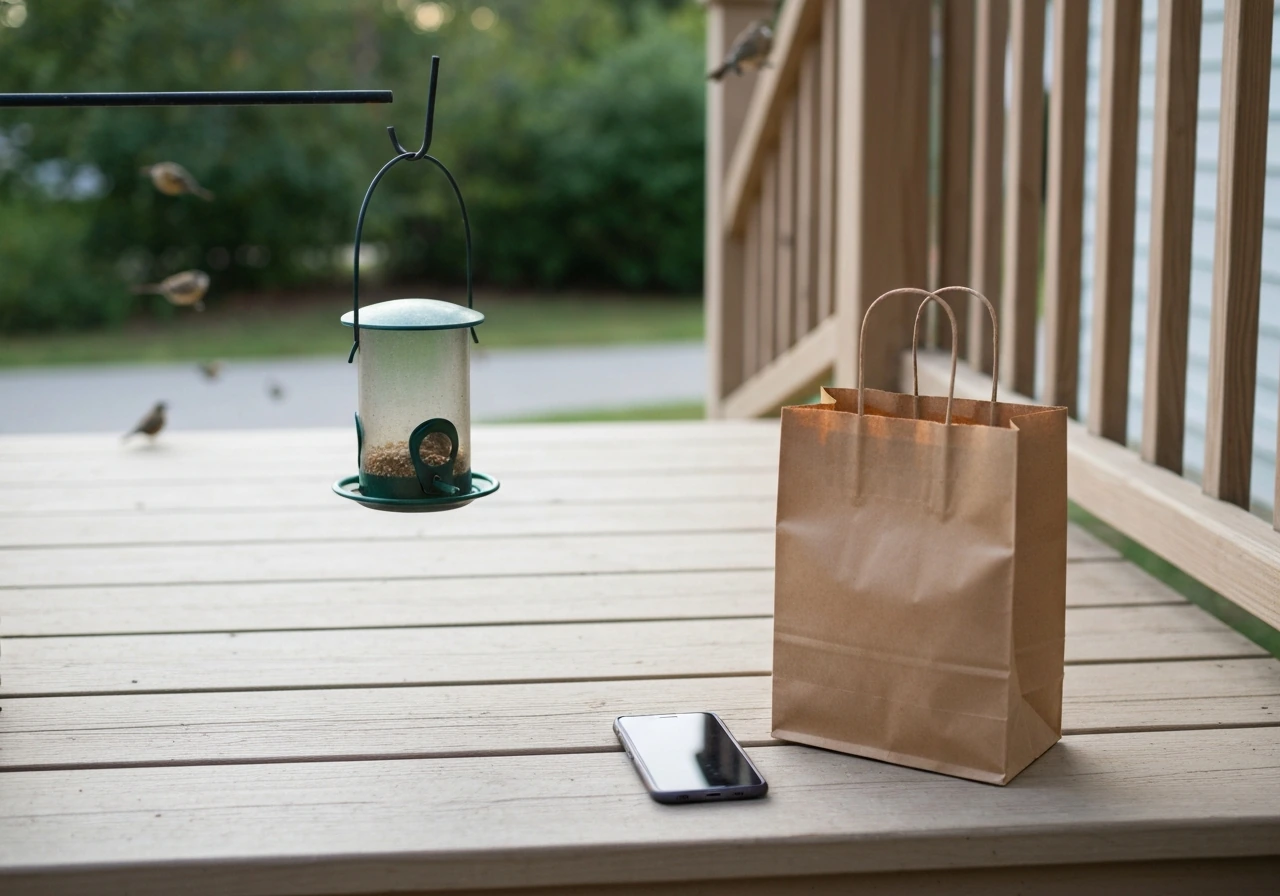
Who Sells Bird Feeders: Best Places to Buy by Type
Find who sells bird feeders by type, compare stores online and local, then choose the right feeder for your birds and we
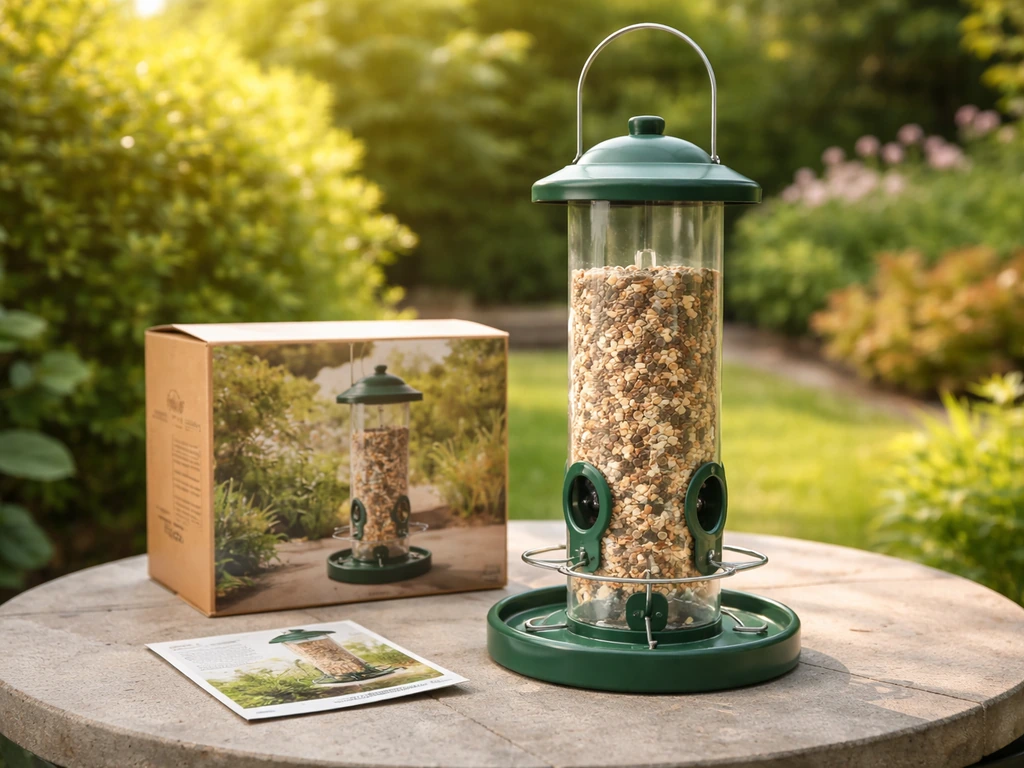
Where Are Kingsyard Bird Feeders Made? How to Verify
Learn where Kingsyard bird feeders are made and how to verify origin via labels, seller listings, and support.
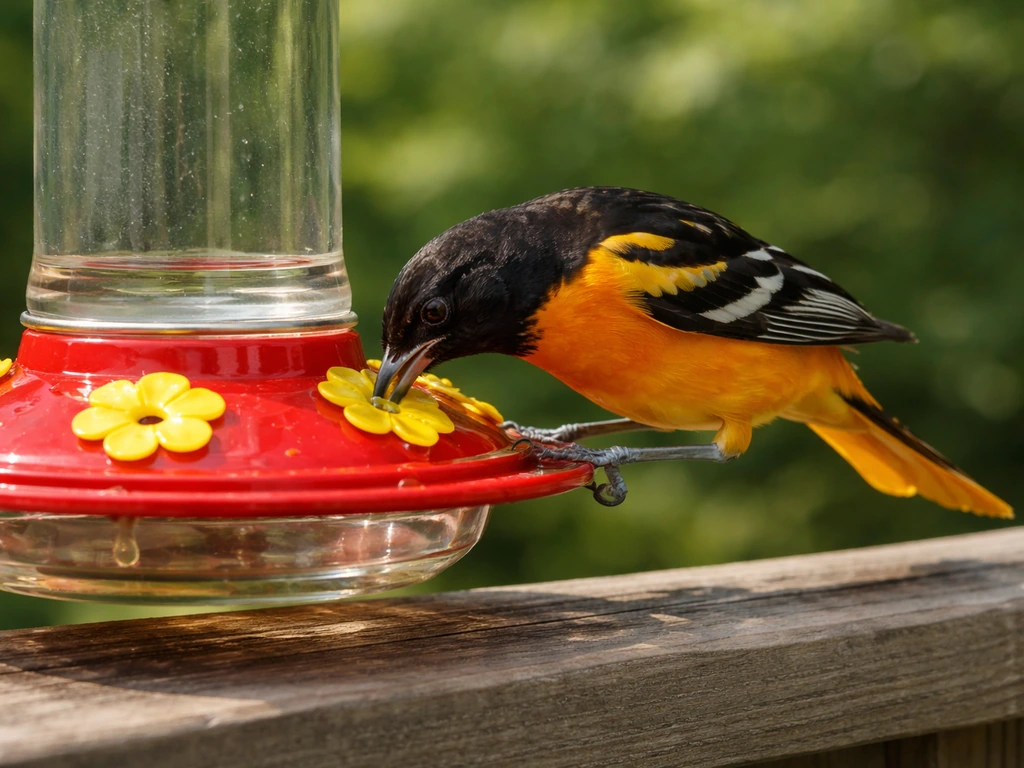
Best Bird Feeder for Baltimore Orioles: Buyer Guide
Choose the best bird feeder for Baltimore orioles: styles, features, placement tips, and fixes for heat, pests, and acce