Bird feeders are sold just about everywhere: Walmart, Amazon, Lowe's, Home Depot, Tractor Supply, Petco, and hundreds of online shops all carry them. But "who sells them" is really the wrong question. The better question is who sells the right one for your yard, your target birds, and your local weather. A tube feeder for finches from Wild Birds Unlimited is a completely different purchase than a plastic hopper from a big-box clearance shelf, even if both technically hold seed.
Who Sells Bird Feeders: Best Places to Buy by Type

Marcus Hendricks
28 Jun 2026
Where to buy bird feeders today: online vs. local stores
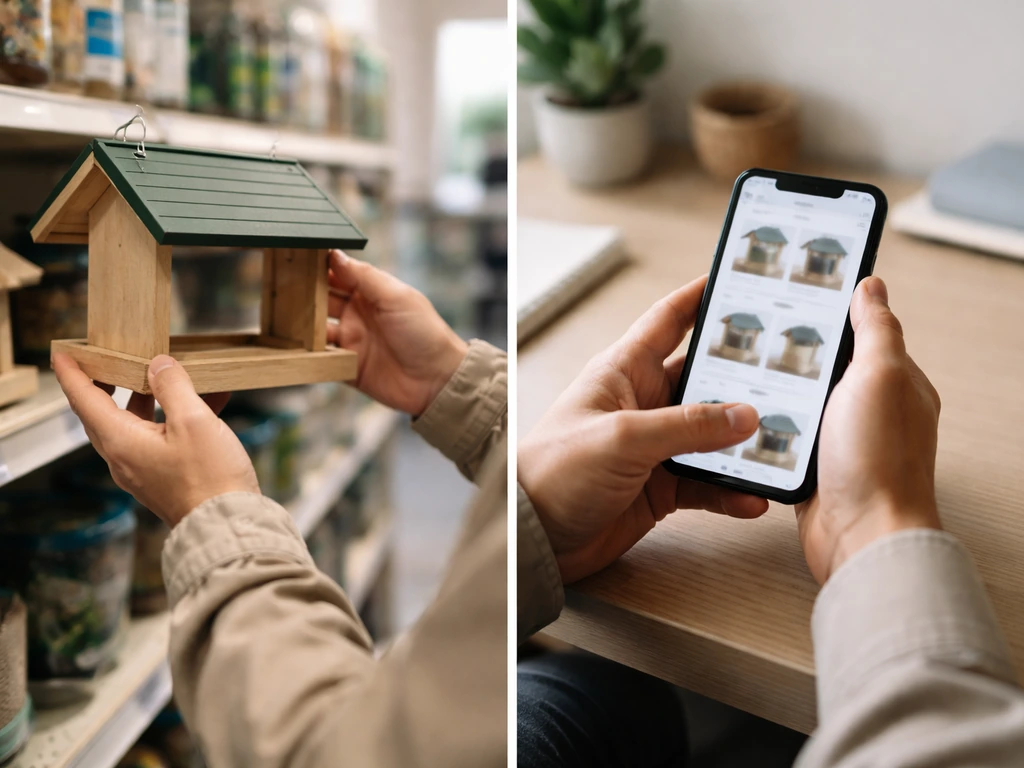
Right now, in mid-2026, you have more options than ever, which makes the decision a little overwhelming. The simplest way to think about it: go local if you want expert help or want to avoid shipping damage, and go online if you need a specific brand, a hard-to-find feeder type, or you're comparing prices across multiple options at once. Both paths work well, but they reward different things.
Local stores let you handle the feeder before you buy it. You can check port size, feel how heavy the construction is, and see whether the seed tray actually detaches for cleaning. Online shopping gives you access to a much wider range, including smart camera feeders, solar-powered models, and specialist squirrel-proof designs that most brick-and-mortar stores simply don't stock. For most people, the answer is a combination: research online, then buy locally if the right product is available within a reasonable drive.
Big retailers and home & garden stores: what you'll find and how to shop there
Walmart, Target, Home Depot, Lowe's, Tractor Supply, and Petco are the most common first stops. They're convenient, returns are relatively painless (Lowe's and Petco both publish straightforward return and exchange policies), and prices tend to be competitive on standard models. What you'll find at these stores is a solid but limited range: mostly hopper feeders, basic tube feeders, and suet cages in the $10 to $40 range. You'll see brands like Perky-Pet, Woodlink, and store-branded options. These are fine starter feeders, but inspect them carefully in the aisle. Check that the seed ports aren't loose, the roof overhangs enough to keep rain off the seed, and the construction feels solid rather than brittle.
Tractor Supply is worth calling out specifically if you live in a rural or semi-rural area. Their garden section often carries a wider variety of feeder styles and larger seed bags than a typical Walmart garden center, and their return policy is clearly documented if something doesn't work out. Home Depot and Lowe's lean more toward decorative and basic hopper styles, with seasonal inventory that expands in spring and contracts sharply after summer. If you're shopping in fall or winter, their in-store selection may be thin, but their websites carry more options with ship-to-store availability.
One honest limitation at big retailers: the staff generally can't help you pick a feeder for a specific bird or troubleshoot a problem you're having with squirrels or starlings. You're on your own for that research. If you're a beginner and don't know what you need yet, that's worth factoring in.
Specialty bird shops and local options: better selection and real expert help
Wild Birds Unlimited (WBU) is the biggest national chain of specialty bird-feeding stores, and it's genuinely a different shopping experience from a big-box retailer. Staff at WBU locations are trained as Certified Bird Feeding Specialists and can walk you through what birds are common in your area, what feeder types attract them, and how to set up a full feeder station, a service they call FeederScaping. That kind of in-store consultation is free and incredibly useful if you're trying to attract something specific like bluebirds, orioles, or woodpeckers.
WBU also stocks replacement parts for the feeders they sell, which is a bigger deal than it sounds. Reddit threads are full of people realizing their Brome or other quality feeder just needs a new seed tube or a fresh set of port rings, not a whole new feeder, and discovering that buying from a shop that stocks parts saves them money and hassle. WBU explicitly offers parts for non-warranty repairs, and certain feeder lines they carry (like Brome's Squirrel Buster series) come with limited lifetime guarantees covering manufacturing defects.
Beyond WBU, check your area for independent wild bird stores, local garden centers, nature centers, and bird clubs. Audubon Society chapters sometimes host sales. Farmers markets in spring often have a vendor selling handmade wooden feeders, which can be charming and sturdy, though wood feeders do require more maintenance than metal or polycarbonate designs. Co-ops with garden sections are also worth a visit, especially for platform and hopper styles that work well for cardinals and blue jays.
Buying direct from brands and manufacturers
Several feeder manufacturers sell directly through their own websites: Brome Bird Care (Squirrel Buster line), Droll Yankees, Aspects, and others all have direct storefronts. Buying direct has real advantages when you care about warranty coverage. Brome's limited lifetime warranty, for instance, covers material and manufacturing defects on the Squirrel Buster and Squirrel Solution lines when used as directed, with remedies that can include replacement parts or a replacement product. That warranty is easier to navigate when you bought from the source rather than a third-party marketplace seller.
Direct purchasing also makes it easier to order exact replacement components. Worn seed ports, cracked seed tubes, and damaged perch rings are common wear items on quality feeders, and a feeder that costs $50 to $80 is worth repairing rather than replacing if a $5 part fixes the problem. Going directly to the brand's website is the fastest way to find those parts with the right model compatibility. If you're investing in a higher-end feeder, bookmark the manufacturer's site the day you buy.
Online marketplaces vs. specialty e-commerce: how to shop each one
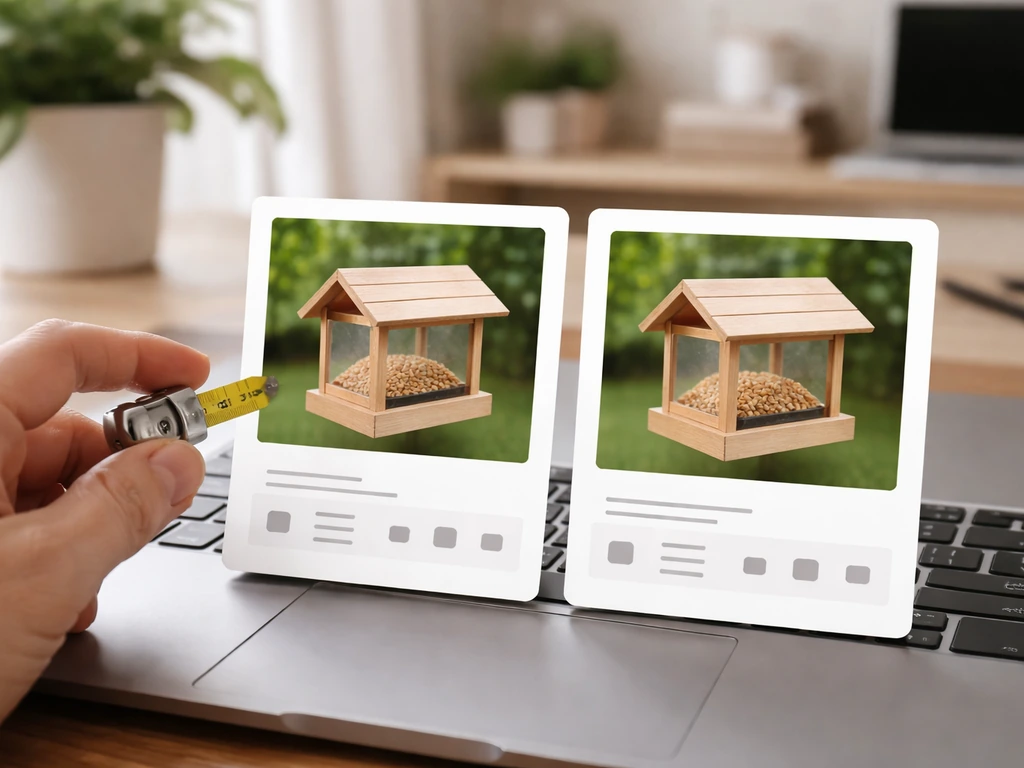
Amazon, Walmart.com, and eBay all carry bird feeders, but shopping them requires a bit more vigilance than walking into a specialty shop. On Amazon, you'll find the widest raw variety, from $8 plastic tube feeders to $200+ smart camera feeders. The key is filtering by verified reviews and checking that what you're reading actually describes the product in the listing, not a different variant. Walmart Marketplace operates similarly: the main Walmart listing may have generous return terms, but some Marketplace sellers have their own return policies that differ from Walmart's baseline, and returns can involve more friction depending on the seller's program.
eBay is worth checking for discontinued feeder models, vintage cast-iron designs, or secondhand feeders from brands no longer widely distributed. eBay's counterfeit policy formally prohibits fake or misrepresented items, but in practice you should verify the seller's feedback score and read the listing description carefully before buying. Look for feeders sold by private individuals cleaning out a garage rather than low-feedback bulk importers selling suspiciously cheap versions of premium branded feeders.
Specialty birding e-commerce sites like WildAboutBirds.com offer a curated selection with category filters that actually make sense for bird watchers. Many offer 30-day money-back guarantees and free shipping on featured products, which is genuinely useful when you're ordering something like a pole-mounted system that would be expensive to return if it's wrong. The tradeoff is a narrower overall catalog than Amazon, but everything in the catalog is relevant, which saves time.
For any online listing, verify these specifics before clicking buy: port size and number, feeder capacity in pounds or quarts (not just "large"), stated material (look for UV-resistant polycarbonate or powder-coated steel, not generic "plastic"), and whether the feeder includes a baffle or weight-sensitive mechanism if pest-proofing matters to you. A listing that omits these details is a warning sign.
Matching the store to your target birds and feeder type
Where you shop should depend partly on what birds you're trying to attract and what type of feeder you need. Here's a practical breakdown by bird and feeder type, with honest notes about which retail channels actually stock what you need.
| Target Bird | Feeder Type | Best Place to Buy |
|---|---|---|
| Hummingbirds | Nectar/bottle feeder (glass preferred) | Specialty bird shops, brand-direct sites; avoid rust-prone cheap metal models |
| Finches (goldfinch, house finch) | Tube feeder or nyjer sock | Big retailers for basics; specialty shops for quality ports and easier cleaning |
| Cardinals | Hopper or platform feeder with wide tray | Most retailers carry these; WBU for better construction quality |
| Woodpeckers | Suet cage or clinging cylinder feeder | Big retailers have basic suet cages; specialty shops for tail-prop designs |
| Orioles | Oriole feeder with jelly/nectar ports | Specialty shops and online; rarely well-stocked at big-box stores |
| Bluebirds | Platform or meal worm feeder | Specialty shops and brand-direct; uncommon at general retailers |
| Blue jays / Doves | Open platform or large hopper | Widely available at big retailers; no special sourcing needed |
| Mixed yard (multiple species) | Hopper + tube combo, or feeder station | WBU FeederScaping or specialty e-commerce for coordinated setups |
A few notes on feeder features that affect where to shop: if you need a rat-proof or squirrel-proof feeder, skip the big-box aisle and go directly to a brand like Brome (Squirrel Buster) or Roamwild, either at WBU or via the brand's own site. Smart camera feeders (like Bird Buddy or Netvue Birdfy) are almost exclusively sold online, either direct from the brand or through Amazon. Solar-powered feeders with built-in cameras are a newer product category and you'll rarely find them in a local store. For weatherproof and winter-feeding setups, look for feeders with covered ports, wide roof overhangs, and metal or thick polycarbonate construction, features that require you to read the spec sheet rather than just eyeball the price tag.
If you're interested in which manufacturers actually make the feeders you're considering, including brands like Kingsyard, Chapelwood, No No feeders, and Stokes, understanding who's behind the product is worth researching before you commit, especially for quality and parts availability. Kingsyard bird feeders are made by Kingsyard’s manufacturing partners, and their model details can be checked through the product listings or the brand’s support resources.
Mistakes worth avoiding before you buy
The most common beginner mistake is buying a feeder that's incompatible with the seed you plan to use. Large-port tube feeders designed for sunflower seeds clog badly with fine nyjer seed, and vice versa. Match port size to seed type before you leave the store or close the browser tab. Project FeederWatch specifically flags tube feeders as higher-risk for disease transmission (including finch eye disease) during heavy use and wet weather, so plan to clean any tube feeder every one to two weeks at minimum, with a dilute bleach rinse and thorough drying. Project FeederWatch notes that tube feeders can be especially risky for eye-related disease transmission during heavy use and wet weather.
Capacity is another underrated spec. A feeder that holds only half a pound of seed in a high-traffic yard will need refilling daily, which sounds minor until you're doing it in January. For busy yards, look for feeders in the 3 to 5 pound range for seed, and choose models where you can see the seed level from a distance, either through a clear tube or a see-through hopper panel.
On pest-proofing: any standard open platform or hopper feeder will attract squirrels, rats, and raccoons in most suburban and semi-rural areas. Look for squirrel-proof and rat-proof designs from brands like Brome or Roamwild if pests are the main issue you are trying to solve. If pests are a known issue where you live, don't assume a basic baffle will solve it.
Weight-activated feeders that close ports when a squirrel lands (Brome's Squirrel Buster mechanism is the best-known example) are more reliable than baffles alone. Platform feeders are also flagged by Cornell Lab's Project FeederWatch as problematic in disease-risk contexts because multiple birds share the same surface without separation. Project FeederWatch also warns that platform feeders can be problematic in disease-risk contexts because birds share the same surface without separation.
Rust is a real issue on cheaper hummingbird feeders with metal parts. Reddit hummingbird communities include multiple threads from users who noticed rust forming inside feeders after only a season of use, a genuine concern since hummingbirds are drinking directly from the reservoir. Stick with feeders that use glass bottles or clearly labeled BPA-free, food-safe plastic, with stainless or plastic (not painted iron) hardware at the ports.
Finally, check the return policy before you buy anywhere. Lowe's, Petco, and Tractor Supply all have clear, published return windows and processes. Walmart Marketplace and eBay sellers vary. If you're buying a $60+ feeder, the return policy is part of the purchase decision. Specialty shops and brand-direct sites often have the most straightforward remedies for defective products, especially if the brand backs it with a lifetime or limited-lifetime warranty.
Your next step based on your situation
If you're a beginner who just wants to get started: walk into a Wild Birds Unlimited or local specialty bird shop, tell them what birds you see in your yard, and let a Certified Bird Feeding Specialist steer you. You'll spend a little more than at Walmart, but you'll get a feeder that actually works for your birds, with parts available if something breaks. If you're curious who invented the bird feeder, Wild Birds Unlimited and other bird-feeding experts can point you to the history behind common feeder styles.
If you know what birds you're targeting and what feeder type you want: go online. Use Amazon or a specialty birding site to compare specs side by side, filter by the features that matter (port count, capacity, material, pest-proofing mechanism), and verify the brand's warranty and parts availability before buying. If you want the best bird feeders made in USA, focus on brands that clearly state their manufacturing location and quality materials. For hummingbirds, orioles, bluebirds, or any specialty species, buying from a birding-focused retailer or direct from the brand will serve you better than a general marketplace.
If you're upgrading or replacing a feeder you already own: start with the manufacturer's website. A replacement part is almost always cheaper than a new feeder, and the better brands genuinely support their products long after the original purchase. That's one of the clearest reasons to pay a little more upfront for a feeder from a manufacturer that stands behind what they make.
FAQ
Do big-box stores like Walmart or Home Depot sell the same feeder quality as specialty shops?
Sometimes, but not consistently. Big-box inventories skew toward standard hopper and tube feeders, and staff usually cannot troubleshoot species-specific needs or pest behavior. If you buy there, prioritize construction details (roof overhang, port tightness, removable tray design) and verify parts availability for your exact model before you rely on it long-term.
Which “who sells bird feeders” option is safest for beginners who don’t know what birds they’ll attract?
Start with a specialty shop (like Wild Birds Unlimited) or a local wild bird store so you can describe your yard and get a matched feeder plan. Even if you buy the feeder elsewhere later, using an in-store consultation first helps you avoid common mistakes like wrong port size or choosing a feeder that will increase disease risk in wet weather.
Can I buy bird feeders locally but still get a specific brand or squirrel-proof model?
Yes, if the store offers ship-to-store or can special-order. Home Depot, Lowe’s, and similar retailers may not stock squirrel-proof or camera-ready models on shelves, but their websites sometimes show availability that can be delivered to your location. Check model compatibility, since “similar-looking” feeders can have different port systems and parts.
What should I check online that I might miss in a store aisle?
Confirm five specs before buying: port size, stated seed capacity (in pounds or quarts), exact material (UV-resistant polycarbonate or powder-coated steel, not vague “plastic”), whether ports are included with a baffle or weight mechanism, and whether the seed ports are removable for cleaning. Listings that omit these usually mean higher return risk.
Is it worth repairing a feeder, or should I just replace it?
Repair is often worth it when the issue is a wear component like a cracked seed tube, worn port ring, or missing perch hardware. A feeder that costs around $50 to $80 is typically a better candidate for parts-based repair than full replacement if the manufacturer sells model-specific components. If parts are not available, replacement becomes more practical.
How do return policies differ when buying from Amazon or Walmart Marketplace?
Main-site return terms can be different from what applies to marketplace sellers. For high-cost feeders, verify who the seller is, confirm the return window in the product listing, and check whether return shipping or restocking fees may apply. If a feeder must be assembled or used outdoors, inspect it as soon as it arrives to document issues early.
What’s the best place to buy if I need discontinued or vintage feeder styles?
For discontinued or secondhand items, eBay is often the best starting point, because you can search for older cast-iron designs or legacy models from brands that are less available now. To reduce risk, buy from sellers with strong feedback, read the listing details closely, and watch for mismatched parts (ports, hangers, and trays) that may not be interchangeable.
Where can I find smart or solar-powered feeders if local stores don’t carry them?
Smart camera feeders and most solar-integrated models are usually sold online rather than in local aisles. When shopping online, double-check ecosystem compatibility (app requirements, subscription terms if any, power source type) and confirm that the feeder’s mounting system matches how you plan to install it (pole, railing, or hanging line).
Do pest-proof claims like “baffle included” actually solve squirrel problems?
Not always. A basic baffle can reduce access, but weight-activated mechanisms generally hold up better against persistent squirrels. If pests are your primary issue, choose feeders designed specifically for squirrel-proof or rat-proof performance and consider the feeder’s placement, because bridges like nearby branches can defeat many designs.
What’s the most common “who sells bird feeders” buying mistake related to seed?
Mismatching port size to seed type. Large-port tube feeders that are meant for sunflower can clog with fine seed like nyjer, and the reverse can limit feeding. If you’re switching seed, confirm the feeder’s stated port diameter or recommended seed types before changing your supply.
Where should I buy hummingbird feeders if rust is a concern?
Choose retailers that clearly specify materials and use hardware appropriate for drinking contact. Look for feeders using glass bottles or clearly labeled BPA-free, food-safe plastic, and prefer stainless or non-painted hardware at the ports. If a listing is vague about materials, assume higher rust or durability risk.
How often should I clean tube or specialty feeders, and does where you buy affect that?
Cleaning frequency depends on feeder type and weather exposure, not the store. Tube feeders in wet or high-use conditions typically need more frequent cleaning, often every 1 to 2 weeks at minimum, with thorough drying before refilling. Specialty shops may also sell the exact cleaning tools or replacement parts that make maintenance easier.
Next Articles
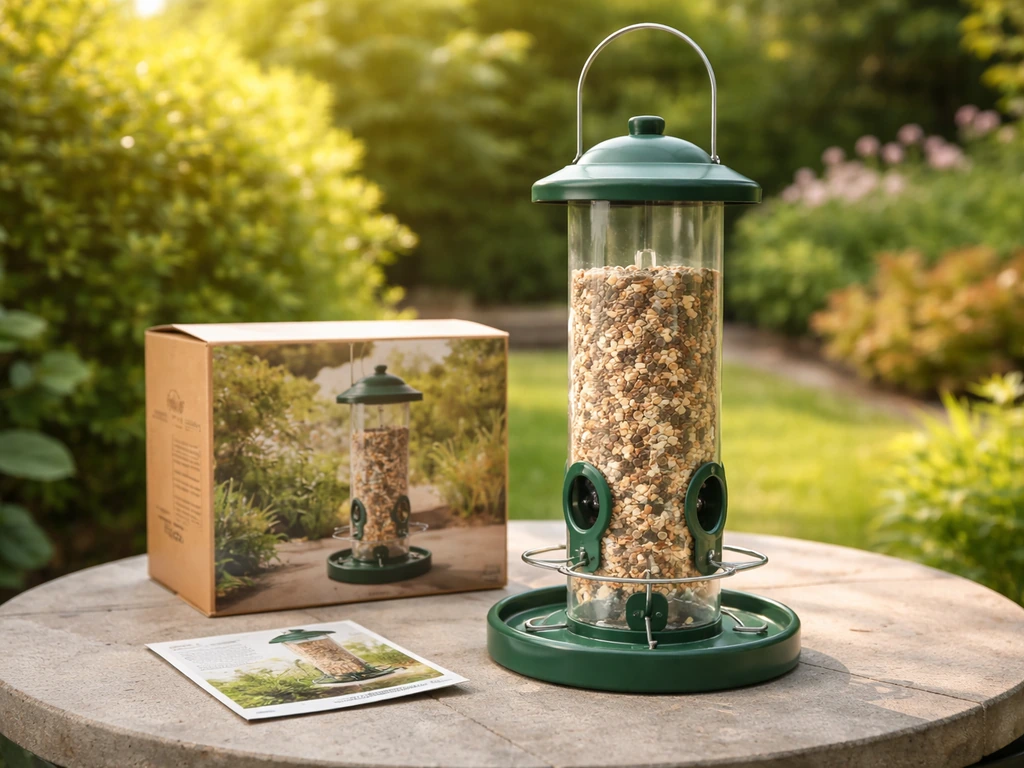
Where Are Kingsyard Bird Feeders Made? How to Verify
Learn where Kingsyard bird feeders are made and how to verify origin via labels, seller listings, and support.
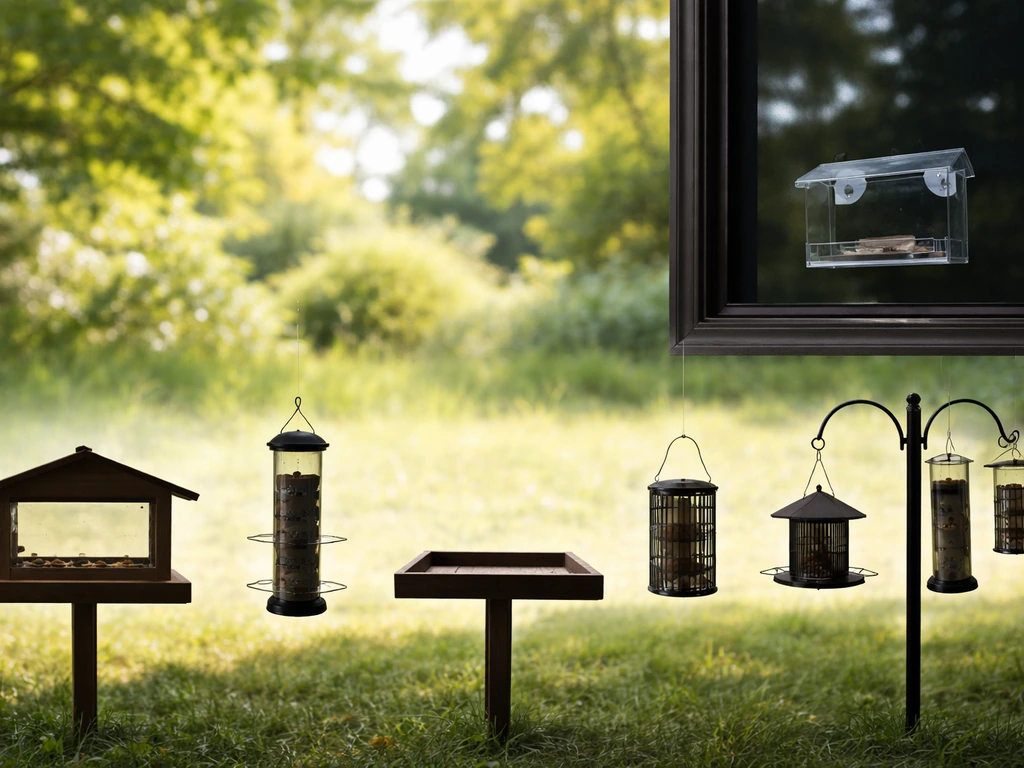
What Does a Bird Feeder Look Like? Types and Visual Cues
See common bird feeder silhouettes and visual cues, plus features for choosing and troubleshooting fast.
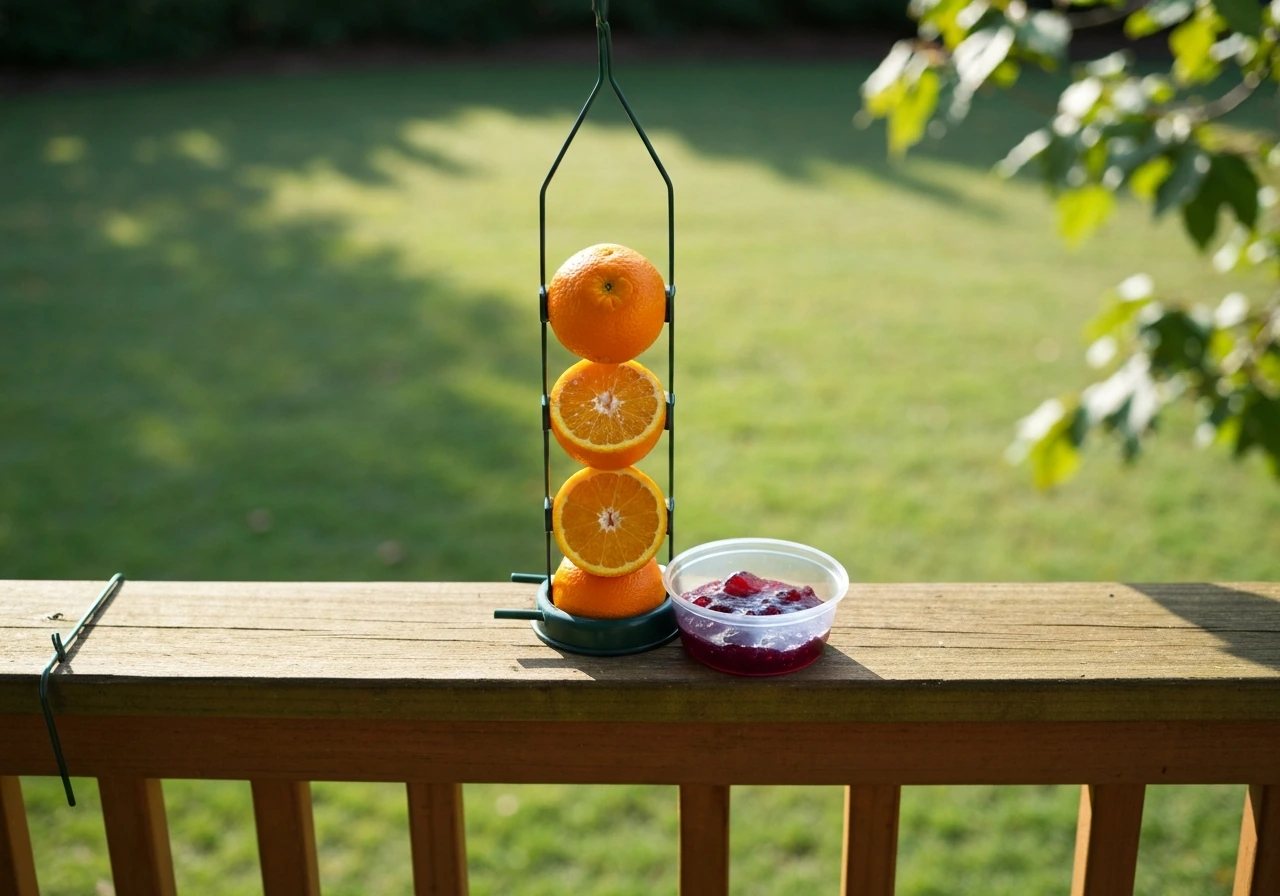
Best Oriole Bird Feeders: Buying, Setup, and Tips
Choose the best orioles feeders and set up jelly or nectar for backyard success, with pest-proofing and troubleshooting.