The right bird feeder comes down to two things: which birds you want to attract, and what your yard and season actually demand. Black-oil sunflower seed in a hopper or tube feeder will get you cardinals, jays, finches, woodpeckers, and doves with minimal fuss. From there, you layer in specialized feeders for hummingbirds (nectar), orioles (fruit and nectar), and woodpeckers (suet) based on who's showing up. Set it on a pole with a baffle, keep it clean, and you'll have consistent traffic. If birds aren't coming, the problem is almost always placement, seed freshness, or an unaddressed pest issue.
Guide to Bird Feeders: Choose, Set Up, and Troubleshoot
Marcus Hendricks
2 Jul 2026
Start with your goal: which birds and which season
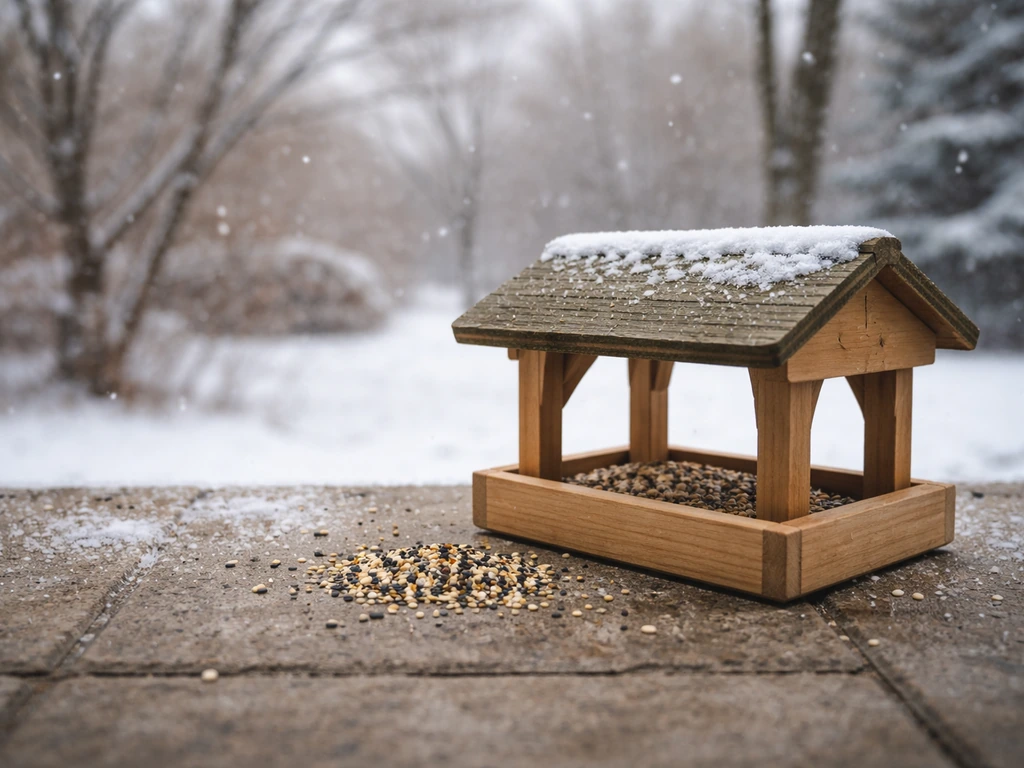
Before you buy anything, decide who you're feeding and when. That single decision eliminates most of the wrong options. If it's July and you're hoping to catch hummingbirds and orioles on their summer routes, you need nectar and fruit-based feeders, not a hopper full of sunflower seed. If you're setting up for winter, your priorities shift: high-fat foods like suet and black-oil sunflower keep resident birds like chickadees, nuthatches, and woodpeckers fueled through cold snaps. Penn State Extension specifically calls black-oil sunflower 'probably the best all-round winter seed,' and suet cakes are a solid cold-weather companion.
It also helps to think about feeding zones. Some birds, like doves, juncos, and sparrows, are ground or low feeders. They'll pick up spilled seed beneath a platform or hopper rather than perching at a tube feeder. Finches tend to want dedicated nyjer (thistle) feeders. Bluebirds don't come to seed at all unless you offer mealworms. Mapping out who you want and how they naturally feed saves you a lot of trial and error.
Feeder types: what each one does well and where it falls short
Every feeder type was designed with a particular feeding style in mind. Knowing what each feeder type is built for makes it much easier to choose what type of bird feeder you should get Every feeder type was designed with a particular feeding style in mind.. Using the wrong one for your target birds is the number one reason feeders sit empty. Here's a straight comparison of the main types.
| Feeder Type | Best For | Seed/Food | Weak Points |
|---|---|---|---|
| Hopper | Cardinals, jays, chickadees, woodpeckers, doves | Black-oil sunflower, mixed seed | Seed can mold if not emptied regularly; squirrel magnet without a baffle |
| Tube | Finches, chickadees, nuthatches, small songbirds | Sunflower chips, nyjer (thistle) | Small ports can clog; lower portions stay damp if not maintained |
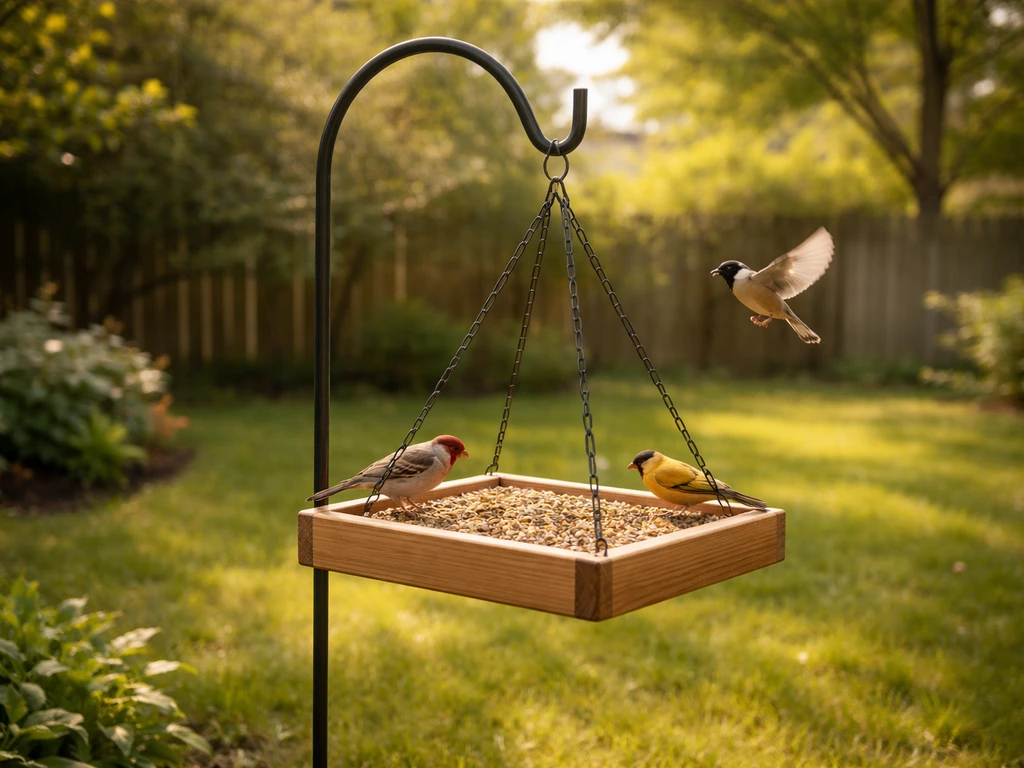
| Platform/Tray | Doves, sparrows, jays, cardinals, juncos | Almost any seed or food | No weather protection; seed spoils faster; easy pest access |
| Suet Cage | Woodpeckers, nuthatches, wrens, starlings | Suet cakes, seed/nut suet blends | Suet goes rancid in heat above 70°F; attracts starlings |
| Nectar/Hummingbird | Hummingbirds | Sugar water (4:1 water-to-sugar) | Nectar ferments fast; needs cleaning every 2–3 days or daily in heat |
| Window-Mounted | Close-up viewing of small birds | Sunflower chips, nyjer, suet | Limited capacity; works only if placed within 3 feet of glass to reduce collision risk |
| Pole-Mounted | Any species (mounting system, not a feeder style) | Depends on feeder attached | Effectiveness depends entirely on baffle installation |
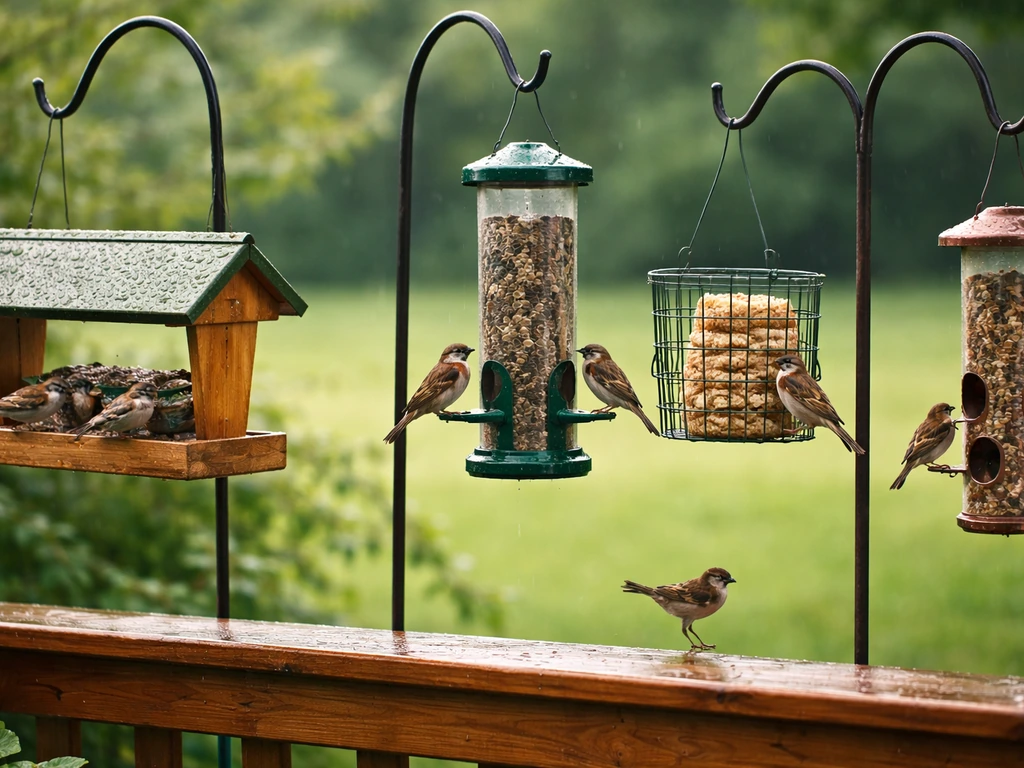
Hopper feeders are the most versatile starting point for most yards. Once you know the right feeder type, you'll also want to think about what makes a good bird feeder for your yard, including seed choice, cleaning, and placement. They hold a good volume of seed, keep it reasonably dry, and attract the widest range of common backyard birds. Tube feeders are cleaner and slightly harder for squirrels to raid, especially with smaller ports, but they need consistent attention to prevent damp seed from sitting at the bottom. Platform feeders are great for ground-feeding species but exposed to the elements, so only fill them with what birds will eat in a day or two. Suet cages are nearly essential if you want woodpeckers, but swap them out for no-melt suet in summer heat. Window feeders are a great choice if you want close views, but placement matters a lot for safety (more on that below).
Matching feeder features to your real-world conditions
Weatherproofing and capacity
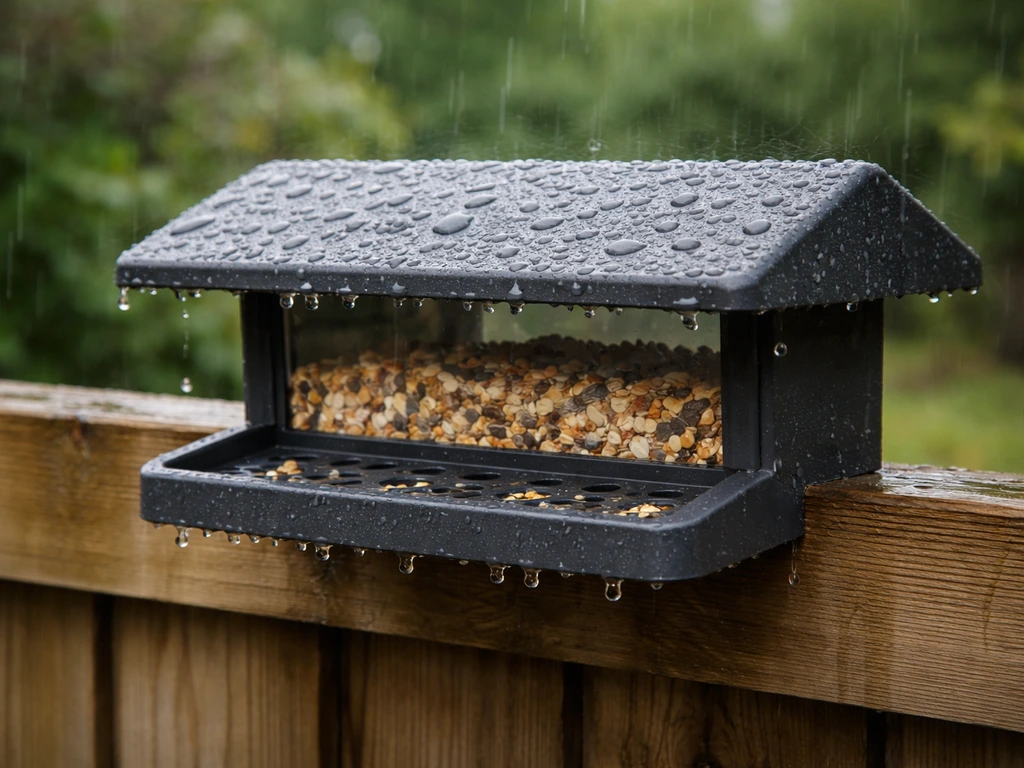
If you live somewhere with heavy rain or snow, look for feeders with wide roof overhangs, drainage holes in the tray, and UV-resistant materials that won't crack after a few winters. K-State Extension recommends trays with drain holes specifically to reduce water buildup and mold risk. Capacity matters too: a larger hopper (2 lbs or more) means fewer refills, which is nice in winter when you might be out there in freezing temps. That said, don't buy a massive feeder if you're just starting out, because unused seed sitting for weeks will go stale and waste money.
Cleaning access
This is the most underrated feature when buying a feeder. If you can't easily open and scrub the thing, you won't do it consistently, and that leads to mold and sick birds. Look for feeders that fully disassemble, have smooth interior surfaces, and don't have awkward corners where wet seed packs in. Cornell Lab recommends cleaning seed feeders about once every two weeks under normal conditions, more often during wet weather or if you spot sick birds. For nectar feeders, that schedule tightens to every two to three days in moderate weather, and daily during heat waves. The cleaning solution recommended by Audubon and Iowa DNR is nine parts water to one part bleach, rinsed thoroughly and fully dried before refilling.
Smart and solar-powered feeders
Smart feeders with built-in cameras and AI bird identification have gotten genuinely good in the past couple of years. Models like the BirdReel BF23 hold around two liters of seed, use blank" rel="noopener noreferrer">dual solar panels to stay charged, and ID birds automatically through an app. Other options from brands like FeatherSnap and Ringsee run on 5000 to 5200 mAh batteries with solar top-ups, which typically keeps them running through cloudy stretches. The real-world limitation is winter: shorter days mean less solar charging, and cold temperatures reduce battery efficiency. If you want a smart feeder for year-round use, pick one with a backup USB charging option. They're a great upgrade if you're already happy with your feeder setup and want to take the ID and watching experience to the next level.
Which feeder to use for each bird
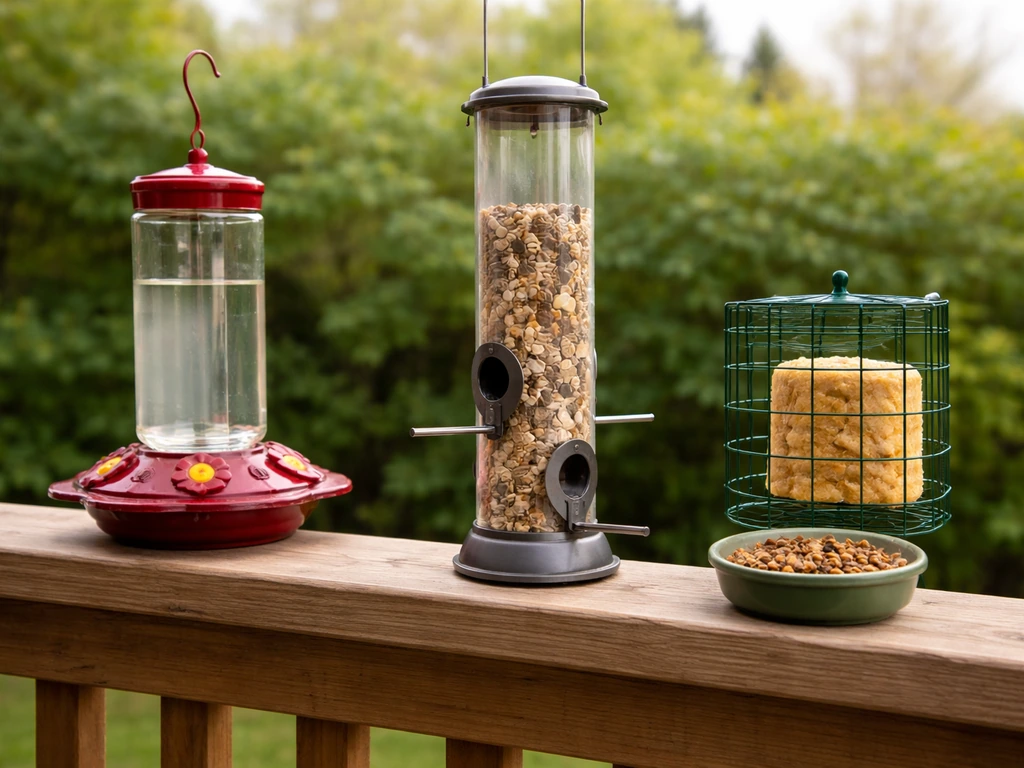
Here's the practical breakdown by species. These are the birds the site covers most, and each one has specific preferences that make a real difference in whether they show up.
- Hummingbirds: Use a dedicated nectar feeder with red accents (no need for red dye in the nectar itself). The correct mix is four parts water to one part plain white sugar, boiled and cooled. Change it every two to three days, or daily when temps climb above 85°F. Clean the ports with a bottle brush each time.
- Cardinals: They love black-oil sunflower seed in a hopper or a platform feeder with a wide perch. Cardinals are larger and prefer stable perches over narrow tube ports. Safflower seed is a solid secondary option and has the bonus of being less attractive to squirrels.
- Finches: A dedicated nyjer (thistle) tube feeder draws goldfinches and house finches reliably. Use a fine-port tube feeder or a mesh 'sock' style. Nyjer seed goes stale quickly, so buy in small batches and keep it fresh.
- Woodpeckers: Suet cages are their go-to. A cage with a tail-prop extension (a longer backing board below the cage) is especially good for larger species like Pileated and Red-bellied woodpeckers. They'll also come to a hopper with sunflower chips.
- Orioles: Oriole-specific feeders with orange coloring work best. Fill them with the same 4:1 sugar-water nectar as hummingbirds, plus offer grape jelly and orange halves on a platform tray. They arrive in spring migration and stay through summer.
- Bluebirds: They don't come to seed feeders. Offer live or dried mealworms in a small open tray or a dedicated bluebird feeder with a clear dome. Consistency matters: put mealworms out at the same time each morning.
- Blue Jays: Hoppers and platform feeders loaded with black-oil sunflower, whole peanuts (in-shell or shelled), and corn will bring them in. Jays are bold and will dominate a feeder, so a second feeder on the opposite side of the yard helps smaller birds still get access.
- Doves: Mourning doves and Eurasian collared-doves are ground feeders. They'll clean up spilled seed under any feeder, but a low platform feeder or a ground tray with millet and sunflower gives them a dedicated spot. Avoid placing food directly on bare soil where it gets wet and moldy fast.
Placement, setup, and keeping birds coming back
Where you put the feeder is almost as important as which feeder you choose. The first rule is window distance: place feeders either within three feet of a window or farther than thirty feet away. The zone in between is the danger zone where birds pick up enough speed to cause fatal collisions. U.S. Fish and Wildlife Service guidance supports the three-foot rule for close placement: birds that flush from a nearby feeder can't build enough momentum to injure themselves on the glass.
Beyond windows, feeders should be within sight of shrubs or trees (about ten to fifteen feet away) so birds have cover to retreat to, but not so close that squirrels use branches as launch pads. A pole-mounted setup is the most flexible: you can move it, add baffles, and hang multiple feeder styles from one post. Mount the feeder at least five feet off the ground, which keeps it accessible for viewing but high enough to work with a baffle below.
For maintenance, stick to a schedule. Refill before the feeder goes completely empty. Rake up spilled seed and droppings from the ground below the feeder every week or so, because wet, moldy debris under a feeder is a disease and pest magnet. During heavy use periods or after a stretch of rain, bump your cleaning frequency up and check for any clumping or mold inside the feeder itself.
Dealing with squirrels, rats, and other pests
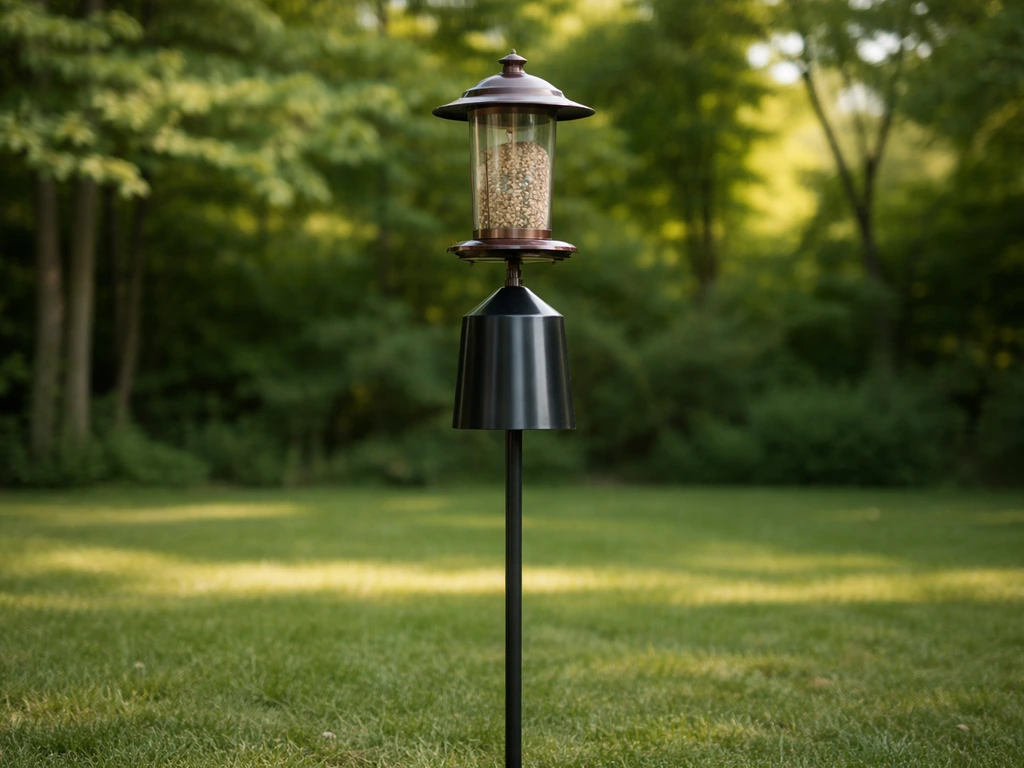
No feeder is truly squirrel-proof, but a properly set-up baffle system gets close. The approach that actually works is a smooth metal pole (no rough surface for claws to grip) with a torpedo or dome baffle mounted at least four to five feet off the ground and positioned so it's not within jumping range of any fence, tree, or structure. Audubon and Penn State Extension both describe this as the most reliable deterrent available. Weight-activated feeders (which close ports when something heavier than a small bird lands) are a strong backup, but squirrels will test them constantly and occasionally defeat cheaper versions.
For seed selection, switching to safflower instead of sunflower significantly reduces squirrel interest while still attracting cardinals and chickadees. Nyjer seed is almost universally ignored by squirrels. Hot pepper suet or adding cayenne to seed mixes is popular online, but results are genuinely mixed and birds can sometimes be put off by it too, so it's worth trying in small amounts before committing.
Rats are a different issue. They're attracted to spilled seed on the ground and to low or easily accessible feeders. The UNL Selective Bird Feeding guide emphasizes that any feeder setup can attract rodents if the area below it isn't managed. Choosing the best bird feeders a buyer's guide recommends also helps you prevent rodents by reducing spilled seed and keeping feeders properly managed feeder setup. The fix is simple but requires discipline: use a catch tray to limit ground scatter, rake the area under the feeder regularly, and never let wet seed pile up. If rats are already present, temporarily remove feeders for a week or two to break the habit before restarting with a tidier setup.
Insects, particularly ants and wasps, are the main pest problem for nectar feeders. An ant moat (a small water-filled cup above the feeder port) stops ants effectively. For wasps, look for feeders with bee guards on the ports, which allow hummingbirds to access nectar with their long tongues but block bees and yellow jackets.
DIY vs. buying: what actually works
DIY feeders can work well for certain types. A simple wood platform feeder is easy to build, easy to clean, and costs almost nothing. Recycled plastic bottle tube feeders are a popular project, but they tend to crack in UV exposure and don't last more than a season or two. DIY suet cages from wire mesh are effective and cheap. Where DIY falls apart is in pest-resistance and weatherproofing: a handmade wooden hopper will warp, swell, and eventually fail to keep seed dry, and it won't have the tight tolerances that help deter squirrels the way a well-designed commercial feeder does.
If you're budget-conscious, the smarter move is to buy one quality commercial feeder (a sturdy hopper or tube feeder with metal components) and DIY the pole and baffle setup rather than the feeder itself. If you are wondering about whether the animal jam bird feeder is worth it, compare the feeder type to your target birds, placement, and cleaning access first buy one quality commercial feeder. A basic shepherd's hook from a hardware store plus a dome baffle is cheap and highly effective. Save the DIY projects for platform trays and suet holders, where precise fit doesn't matter as much.
Your next steps if birds aren't showing up
If you've had a feeder up for two weeks and still aren't seeing the birds you want, run through this checklist before assuming the feeder or location is wrong. For help choosing the right model for your yard and the birds you want to attract, use this bird feeder buying guide checklist before assuming the feeder or location is wrong.
- Check seed freshness. Stale or rancid seed is the most common reason birds ignore a feeder. Dump it, clean the feeder, and refill with a fresh batch of black-oil sunflower.
- Confirm the target species is actually present in your area this season. Orioles, hummingbirds, and bluebirds are migratory. If they're not in your region yet (or anymore), no feeder will help.
- Evaluate feeder placement. Are you in the danger zone between three and thirty feet from a window? Is the feeder close to shrubs with cover but not directly accessible from branches above?
- Make sure the feeder is visible. Birds find new feeders by sight. A feeder tucked behind dense vegetation or in a low-traffic part of the yard takes longer to discover.
- Check for pests. If squirrels or rats are dominating the area, birds will stay away. Address the pest problem first.
- Try a second seed type. If you're running straight millet or mixed seed without sunflower, you may be attracting only sparrows and doves while the birds you want pass by.
- Be patient. A newly installed feeder in a yard with no feeding history can take two to four weeks for birds to discover and trust, especially if natural food sources are abundant.
If you're choosing between going deeper on a specific feeder type, comparing accessories like baffles and mounting hardware, or narrowing down what makes one feeder better than another for your exact situation, those are all natural next steps that build on the foundation here. Getting the basics right with one good feeder and one good pole setup will almost always outperform having four mediocre feeders scattered around without a clear plan. With that in mind, the best bird feeder accessories help you fine-tune placement, protection, and feeding schedules for the birds in your yard.
FAQ
How do I prevent mold if I can’t refill the feeder for several days during rainy weather?
Switch to smaller-capacity refills you can finish quickly, and use feeders with drainage or a covered design that keeps seed from sitting in pooled water. Also increase cleanup at the first dry day by fully emptying and scrubbing the feeder interior, not just topping it off, since damp seed clumps and grows mold even after rain stops.
Is it better to top off a feeder or empty and refill to keep seed fresh?
In most cases, top-offs are fine for dry seed, but if you notice clumping, musty odor, or visible dampness, empty the feeder and refill. For tube and hopper feeders, stale seed builds up at the bottom, so rotating the feeder contents (empty fully, then refill) reduces that problem.
What should I do if birds start visiting but then stop after a couple of weeks?
First check for cleanliness and spoilage, especially under the feeder where wet droppings and husks accumulate. Next, inspect the ports and tray for dampness and blockage that can reduce flow. If squirrels are active, verify the baffle positioning because partial access can scare birds away once they repeatedly get chased or forced off.
Can I use seed mixes if I’m trying to attract specific birds like cardinals or chickadees?
Yes, but watch the dominant ingredients. If the mix includes lots of low-interest fillers for your target, you may attract more nuisance birds and spend more on seed. Consider tailoring with black-oil sunflower for general winter visitors, safflower to reduce squirrel pressure, and using specialized feeders (nyjer for finches) rather than relying on mixed seed.
Why do some hummingbirds avoid a nectar feeder even when it’s clean and full?
Common misses are feeder location and nectar handling. Place nectar feeders in shaded or partially shaded spots with quick access to cover, and don’t use leftover nectar that has been sitting longer than your heat schedule. Also ensure the ports match the species you want, since narrow ports may limit access for some hummingbirds.
How often should I clean bird feeders if I live in a humid area or near the coast?
Clean more frequently than the “normal conditions” baseline, because humidity accelerates mildew in trays, especially after foggy mornings. A practical approach is to inspect daily in humid stretches, and then do a full disassemble-and-scrub immediately after any signs of slimy residue or mold, rather than waiting for a set calendar date.
Do I need a different baffle setup in winter than in summer?
Not usually, but you do need to recheck it after snow or wind. Snow buildup and ice can shift how a baffle blocks jump paths, and a pole mount that’s slightly misaligned can create new “escape routes” for squirrels. Verify the baffle height and positioning when temperatures stabilize after storms.
What is the safest placement height for a feeder to balance viewing and collision risk?
For general outdoor viewing, mounting at least five feet off the ground helps with stability and accessibility, but collision risk is mostly about window distance. Use the safe window zones, and keep feeders within sight of cover (shrubs or trees) so birds have an escape route, without making the feeder so close that squirrels can launch from nearby branches.
How can I reduce seed waste if ground feeders keep taking spilled seed?
Use a platform or hopper style that includes a tray or edges that limit scatter, and refill in smaller amounts so the feeder empties before debris becomes wet. Rake and remove husks regularly, then place the feeder where birds naturally feed (ground feeders closer to the ground, perching feeders in an open perch zone) to reduce long-term mess.
What should I do if ants keep taking nectar even with an ant moat?
Check for a “bridge” route, like a stem, branch, or wire that ants can use to bypass the moat. Trim nearby vegetation and keep the feeder pole clear. If ants still persist, switch to feeders with better port guards and ensure the moat stays filled and clean, since evaporated or dirty water can lose effectiveness.
Are there any signs that my feeder is making birds sick?
Yes, watch for changes like birds looking puffed up for long periods, lethargy, and increased deaths near the feeder. Also look for dark, crusty buildup inside the feeding ports or damp seed that smells fermented. If you see any of these, stop refilling, remove the feeder temporarily, and clean thoroughly before restarting.
Should I pause feeding to address rats, or keep feeding but cleaner?
If rats are already established, temporarily remove feeders for about one to two weeks to break the feeding habit, while you also manage ground scatter with a catch tray and regular raking once you restart. Keep nearby food sources (pet food, fallen fruit, trash) secured because rats will continue to return even if you clean the feeder area.
Is a “squirrel-proof” feeder worth it if I’m also using a baffle?
Often, yes, but only as a redundancy. A baffle correctly set up around a smooth pole is the core defense, while squirrel-resistant port designs help reduce frequent testing and rapid seed loss. If you go with one feature only, prioritize the baffle and correct placement over buying higher-priced “squirrel-proof” claims.
Can I mix multiple feeder types close together?
You can, but keep a plan to avoid competition and safety issues. Too many feeders in one spot can increase waste and pest activity under the area, and hummingbird and seed feeder traffic can clash if they share the same path. If you add feeders, stagger them so each type has its own feeding zone and cover route, then monitor for more spillage and pests.
Next Article
Bird Feeder AJ Worth: Is It a Good Buy and Why?
See what bird feeder AJ worth really means, then choose the right feeder, placement, and maintenance for fewer pests and