The short answer is: a hopper feeder filled with black-oil sunflower seed is the best starting point for most backyards. It attracts the widest range of birds, it's easy to fill, and it handles modest weather better than a basic tube feeder. But the right pick really does depend on which birds you want, where you're putting it, and how much time you want to spend on upkeep.
The Best Bird Feeders Buyer’s Guide: Types, Seed, Placement
Marcus Hendricks
20 Mar 2026

A good way to decide if a hopper is right for your yard is to follow this advice on how to select a bird feeder based on the birds you want to attract. Once you have the basics down, you can use this bird feeder type guide to match a feeder to the birds you want to attract.
If you want help deciding between hopper, tube, window, and suet options, use this feeder type guide to match the right feeder to the birds you want. If you want a broader checklist before you buy, this bird feeder buying guide is a useful next read alongside feeder type and placement. This guide walks through all of that so you can buy with confidence today.
Start here: match the feeder to the birds you want
Not every bird eats the same way, and feeders are designed around that fact. If you still want an even simpler way to choose after this, use a guide to what feeder types do best, then compare that against what makes a good bird feeder for your yard. If you want a quick match between feeder style and bird behavior, see this guide to bird feeders for an at-a-glance comparison.
Audubon breaks it down pretty simply: ground-feeding birds like juncos and doves do best with low, open, table-style feeders. Birds that forage in shrubs and treetops, like finches, sparrows, and titmice, prefer tube or hopper feeders hanging a few feet up. And woodpeckers, nuthatches, and chickadees want suet feeders placed well off the ground, typically on a tree trunk or high pole.
If you're not sure which birds visit your yard yet, start with a hopper feeder. Hoppers are the barn-shaped feeders with a central seed reservoir and a tray around the base. They attract everything tube feeders do, plus larger species like cardinals, blue jays, grackles, and red-winged blackbirds. That broad appeal makes hoppers the best default choice, especially in the first season when you're still figuring out your local bird population.
The main feeder types, and what each one actually does well

| Feeder Type | Best For | Birds It Attracts | Biggest Drawback |
|---|---|---|---|
| Hopper | General backyard feeding, all-season use | Cardinals, jays, finches, sparrows, chickadees, nuthatches | Seed can clump if it gets wet; needs regular emptying |
| Tube | Smaller songbirds, targeted feeding | Finches, chickadees, titmice, nuthatches | Harder to clean thoroughly; doesn't attract larger birds |
| Nyjer/Thistle tube | Attracting goldfinches specifically | American goldfinches, pine siskins | Very species-specific; seed can go stale if not used fast |
| Suet cage | Cold-weather feeding, woodpeckers | Woodpeckers, nuthatches, chickadees, wrens | Suet melts in summer; needs to be placed high |
| Platform/tray | Ground-feeding species | Mourning doves, juncos, sparrows, towhees | Exposed to weather and droppings; needs very frequent cleaning |
| Window feeder | Close-up views, small spaces | Chickadees, finches, nuthatches | Small capacity; needs cleaning often due to moisture buildup |
Window feeders deserve a special mention for anyone who wants that up-close look at birds from inside. They mount with suction cups and position the birds right at eye level through the glass. The catch is capacity: you'll be refilling more often, and they need more frequent wipe-downs since moisture gets trapped easily. They work best as a secondary feeder rather than your main one.
What seed to put in it

Black-oil sunflower seed is the one to buy. Audubon is pretty clear about this: it appeals to the greatest number of backyard bird species of any common seed type. The shells are thin enough that small birds can crack them open, the kernels are high in fat, and almost nothing that visits a feeder will turn it down. Cardinals, chickadees, finches, nuthatches, sparrows, and even woodpeckers go for it.
If you want a blend instead of a single seed type, look for mixes that contain sunflower seeds, white millet, and cracked corn. That combination covers a broad range of feeding preferences. Skip blends that are heavy on fillers like milo or wheat, especially in the early stages. Those seeds mostly end up on the ground uneaten and can attract pests.
For Nyjer tube feeders, use fresh thistle seed only. It goes stale faster than sunflower seed, so buy smaller bags and store them in a cool, dry spot. If the goldfinches stop showing up, stale seed is usually the first thing to check.
Where to hang it so birds actually use it (and stay safe)

Placement matters more than most beginners expect. The main issue is window collisions, which kill a significant number of backyard birds every year. Audubon's guidance is straightforward: place your feeder either within 3 feet of the nearest window or more than 30 feet away. Within 3 feet, a bird that startles and flies toward the glass doesn't have enough speed to hurt itself. Beyond 30 feet, it has time to identify the glass as a hazard and redirect. The dangerous zone is the middle distance, roughly 3 to 30 feet, where birds are moving fast enough to hit hard.
Height-wise, aim for at least 5 feet off the ground for pole-mounted feeders. That keeps the seed out of easy reach for most ground-based predators and gives you a clear line of sight from inside. For suet feeders or trunk-mounted setups, position them high enough that cats can't reach them from the ground but low enough that you can refill and clean without a ladder.
Dealing with squirrels without losing your mind
There's no truly squirrel-proof setup, but you can get very close with the right combination of pole placement and a baffle. Mounting feeders on a smooth pole (metal or PVC) and using commercially available dome-shaped squirrel baffles above and/or below the feeder can help prevent squirrel access, according to Washington Department of Fish & Wildlife [smooth pole and dome-shaped squirrel baffles](https://wdfw. wa. gov/sites/default/files/publications/00639/wdfw00639.
pdf). Audubon puts it plainly: use a smooth metal pole with a cone or cylinder baffle mounted on it, and make sure the feeder is hanging far enough from any nearby tree trunk or branch that a squirrel can't leap onto it directly. Squirrels are impressive jumpers, so the feeder needs to be at least 10 feet horizontally from any launch point.
Baffles work by being slippery or unstable. Cone-shaped baffles tilt under a squirrel's weight so it slides off before reaching the feeder. Cylinder baffles block the climbing path entirely. Either style mounted below the feeder on a smooth pole will stop most squirrels. If yours are still getting through, check whether they're dropping from above rather than climbing up, and adjust accordingly. Adding a second baffle above the feeder (if it's hanging from a wire or branch) can close that gap.
One thing that genuinely does not work: hot pepper additives in seed. Birds can't taste capsaicin, so some feeders are marketed with pepper-treated seed as a squirrel deterrent. It occasionally works in the short term, but it doesn't replace a physical baffle, and in wet conditions the pepper can wash off and irritate birds' feet. Stick with the baffle-and-pole approach.
Keeping feeders clean so birds stay healthy

This is the part most beginners skip, and it matters a lot. Dirty feeders spread salmonella, aspergillosis, and other diseases through bird populations. The good news is that cleaning isn't complicated; it just needs to be consistent.
Project FeederWatch recommends cleaning seed feeders about once every two weeks under normal conditions, and more often during warm or damp weather when mold grows faster. In summer, or after any stretch of rain, consider bumping that to weekly. The cleaning process itself is simple: disassemble the feeder, scrub all surfaces and cavities with a brush, then soak it in a solution of 9 parts water to 1 part bleach for about 10 minutes. Rinse thoroughly, and let it air dry completely before refilling. That last step matters because moisture left inside the feeder accelerates the exact mold problems you're trying to prevent.
If you open the feeder and see black mold or the seed inside looks clumped and dark, don't just top it off. Discard all the old seed, clean the feeder immediately, and let it fully dry before adding fresh seed. Leaving moldy seed in place is worse than not feeding at all.
Tube feeders take more effort to clean than hoppers because of the narrow ports and interior crevices. A set of bottle brushes in different diameters makes the job much easier. If you're new to feeding birds and want to minimize cleaning hassle, a hopper feeder with a removable tray is a more forgiving starting point than a tube feeder.
Hopper vs. tube: if you're deciding between the two
If you want maximum variety, go with a hopper. It pulls in the most species, holds more seed, and is generally easier to clean and refill. The tradeoff is that seed at the bottom of the reservoir can get damp if the feeder doesn't drain well, so look for one with ventilation holes or a screen floor.
If you specifically want to target smaller songbirds like finches, pine siskins, or goldfinches, and you don't mind the extra cleaning, a tube feeder is the better fit. A Nyjer tube feeder with small ports will draw goldfinches with almost no competition from larger birds. That's a nice setup if you want to watch finches up close rather than managing a mixed crowd.
For most people starting out, my honest recommendation is to buy one good hopper feeder, a bag of black-oil sunflower seed, and a baffle for the pole. Get that working smoothly before adding a second feeder type. Once you know which birds are regular visitors, you can add a suet cage in winter or a Nyjer tube if goldfinches show up, and it will feel intentional rather than overwhelming.
A few things to look for when you're comparing specific products
The market is full of feeders at every price point, and not all of them are worth the money. If you're wondering whether an Animal Jam bird feeder is worth it, the value depends on what you plan to spend and what rewards it gives you in-game animal jam bird feeder worth. If you are thinking about bird feeder aj worth, remember the real-world feeder type still matters most for which birds show up. Here's what to actually pay attention to before buying:
- Drainage: Look for drainage holes or a screen bottom in the seed tray. Pooled water turns seed into a mold incubator fast.
- Material: Metal and UV-stabilized polycarbonate hold up much better outdoors than plain plastic, which cracks and yellows within a season or two.
- Ease of disassembly: If the feeder is hard to take apart, you won't clean it as often as you should. Try opening and closing the feeder before buying if you can.
- Port size: For standard seed, ports should be wide enough to allow easy feeding without spilling. For Nyjer, you want small ports specifically to prevent waste.
- Capacity: A larger reservoir means less frequent refilling, but only if the feeder drains and dries well. For high-traffic feeders in wet climates, medium capacity with good ventilation often beats large capacity with poor drainage.
- Roof or weather cover: A wide roof overhang keeps rain off the seed and extends the time between cleanings meaningfully.
When to add more feeders
Once you have one feeder running and you're comfortable with the cleaning routine, adding a suet cage in fall is a natural next step. Woodpeckers, nuthatches, and chickadees shift toward high-fat food in winter, and suet feeders are inexpensive, nearly maintenance-free in cold weather, and fun to watch. Just take the suet down or swap to no-melt suet cakes once temperatures consistently hit 50°F or above, since regular suet goes rancid quickly in warm conditions.
A platform or tray feeder placed low to the ground is a good third addition if you notice mourning doves or dark-eyed juncos pecking at spillage under your main feeder. Give them their own low station with cracked corn or millet and they'll mostly leave your hopper alone. Just plan to clean tray feeders more often since they're exposed to droppings from above and collect moisture from below.
The quick-start setup most beginners get right
- Pick a hopper feeder with good drainage and a wide roof overhang.
- Mount it on a smooth metal pole with a cone baffle, at least 5 feet off the ground and within 3 feet or beyond 30 feet from the nearest window.
- Fill it with black-oil sunflower seed.
- Clean it every two weeks with a 9: 1 water-to-bleach solution, rinse well, and let it dry before refilling.
- Watch what shows up for 4 to 6 weeks, then add a second feeder type based on what you're actually seeing.
That's really all there is to it at the start. The birds will find the feeder faster than you expect, usually within a few days if you place it near existing shrubs or trees where birds already perch. Give it a little time, stay consistent with cleaning, and the variety of visitors will surprise you.
FAQ
What’s the easiest way to reduce squirrels stealing seed? (I don’t want to tinker.)
If you want the simplest “set it and forget it” approach, use a hopper or tube feeder with black-oil sunflower seed, then add a squirrel baffle on the support pole. The big mistake is relying on cages or thin wire guards instead of a properly placed baffle, since squirrels are great climbers and will reach the feeder if the gap is wrong.
How often should I clean my bird feeder, and what counts as “clean enough”?
For most yards, clean on a schedule even if it looks fine. Plan on about every two weeks for seed feeders, and more often in hot or damp weather, because moisture speeds up mold and bacteria growth. Also, empty the feeder fully before deep-cleaning, so leftover damp seed doesn’t keep contaminating the fresh batch.
My feeder was popular last week, now birds stopped coming. What should I check first?
A sudden drop in visitors is usually one of three things: the feeder is dirty, the seed is stale or wet, or the birds have moved on because competition changed. Try switching seed brands or refreshing the bag, check for clumped/wet seed at the bottom, and scrub the tray or base so birds see a clean, reliable food source again.
Can I change seed types without scaring birds away or causing problems?
Yes, but be careful. If you switch to a different seed type, do it gradually over several days so regular visitors can adjust. Also, avoid “healthy at home” experiments like cooking fats or unapproved mixtures in feeders, since they can spoil and create health risks. If you want changes, choose a single proven seed (like black-oil sunflower) before experimenting further.
What size feeder should I buy, so I’m not constantly refilling it?
Don’t use a small feeder in a high-traffic situation. If you constantly refill and the feeder runs empty every day, birds will move to other food sources. As a rule of thumb, pick a capacity that you can refill on your normal cadence (weekly is fine for most backyards), especially during peak season or cold snaps.
How close to windows is safe for bird feeders, and what if I can’t move the feeder?
If your feeder is near windows, the placement rule matters more than feeder brand. Put it either very close (within about 3 feet) or farther away (more than about 30 feet), since the dangerous zone is the middle distance. If you want to keep it in that middle zone, you need window-safety tactics like applying bird-safe film or decals across the glass.
My area is rainy or snowy, and the seed gets wet. What’s the best feeder choice?
Most people overwater platform feeders and trays because they fill too long. Use only enough seed to last a short window, keep the tray sloped if it has a design option, and clean more frequently when rain is common. For wet climates or lots of snowfall melt, hopper feeders with better protected seed reservoirs usually stay usable longer.
I already own a feeder. Should I upgrade the feeder or just change the seed and setup?
Use an order-of-operations approach: start with a safe placement, then seed, then cleaning. If you already have a feeder but want to improve results, upgrading seed to black-oil sunflower typically boosts variety without requiring new equipment. Only change feeder types after you know your main issue, like squirrels, window collisions, or ground-feeder targeting.
I want goldfinches. What feeder and seed details matter most?
If you want to attract finches, specifically goldfinches, tube feeders for nyjer/thistle are the right tool, and the seed freshness is non-negotiable. Goldfinches often disappear when thistle is stale, so store nyjer cool and dry, buy smaller bags, and don’t expect the same results if you leave nyjer for months.
How do I attract the birds I want if I’m getting too many “wrong” species?
If your seed feeders are attracting nuisance birds or too many aggressive species, you can narrow the diet rather than just adding feeders. For example, stick with black-oil sunflower if you want broad variety, but switch to a more targeted setup (like a nyjer tube) if you’re trying to encourage goldfinch visits. Also, avoid mixing “everything” seeds if you only want certain species, since broad blends invite broader competition.
Next Articles

Bird Feeder Buying Guide: Choose the Right Feeder Fast
Pick the right bird feeder fast by matching feeder type and seed to the birds you want to attract.
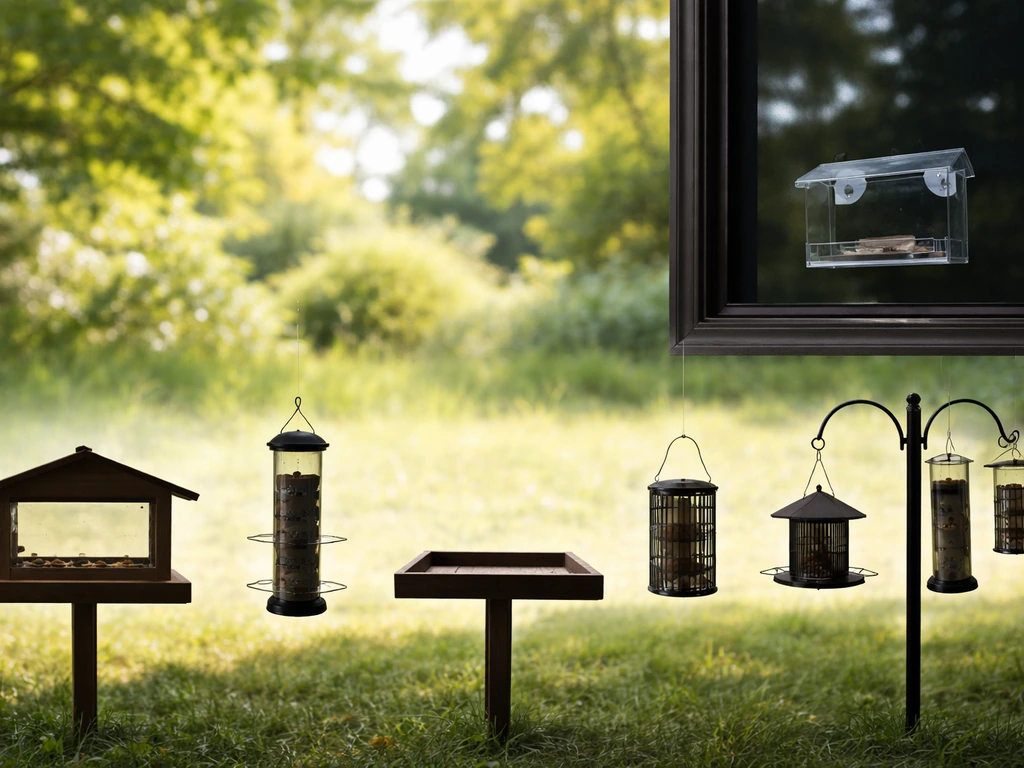
What Does a Bird Feeder Look Like? Types and Visual Cues
See common bird feeder silhouettes and visual cues, plus features for choosing and troubleshooting fast.
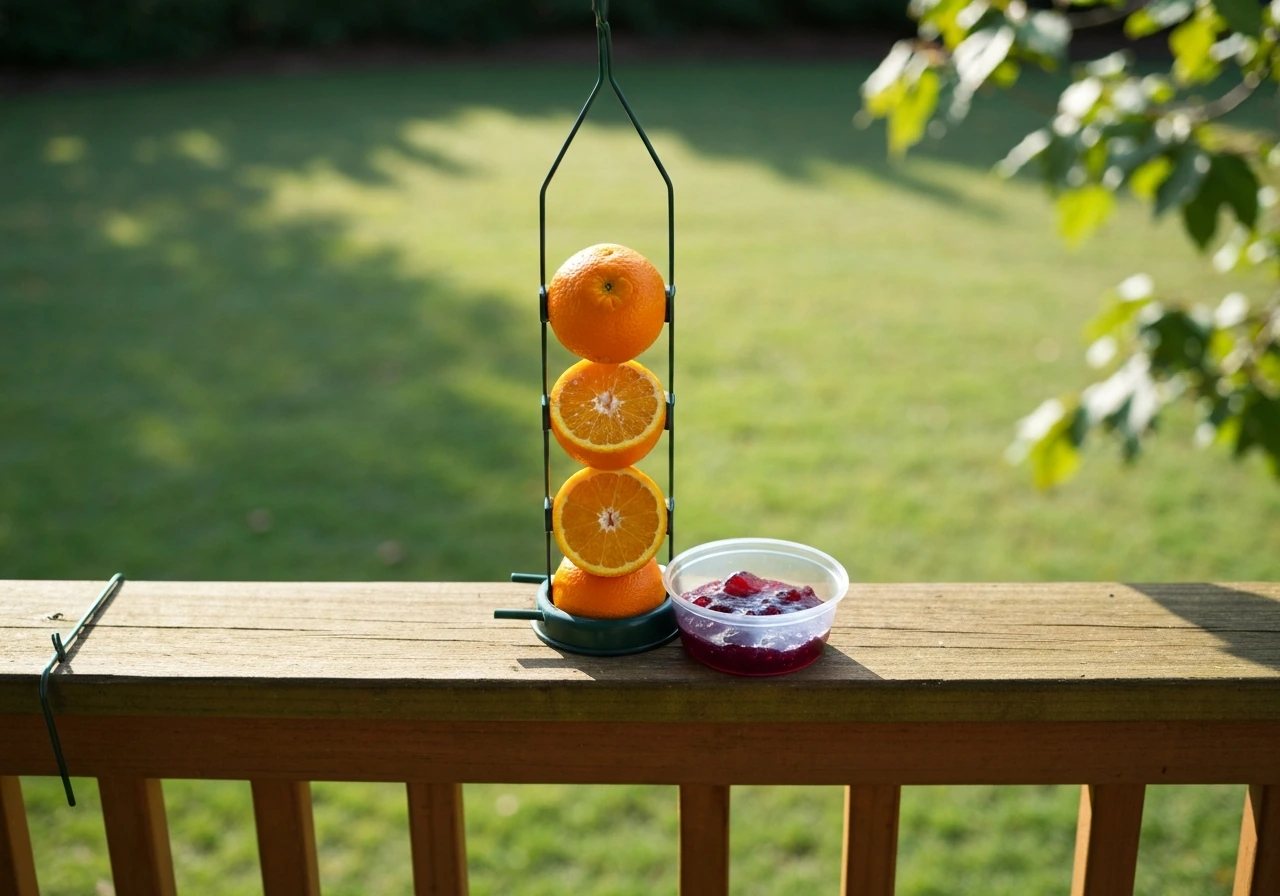
Best Oriole Bird Feeders: Buying, Setup, and Tips
Choose the best orioles feeders and set up jelly or nectar for backyard success, with pest-proofing and troubleshooting.