The best bird feeder for crows is a large, open platform feeder, ideally 12 inches square or bigger, placed at ground level or on a low post. Crows are big, cautious birds that need space to land, look around, and eat without feeling trapped. A wide tray with no cage or cover, stocked with whole corn, unsalted peanuts in the shell, or large seeds like sunflower, is about as reliable a crow setup as you can build in an afternoon.
Best Bird Feeder for Crows: Top Picks, Food, and Deterrence

Marcus Hendricks
19 May 2026
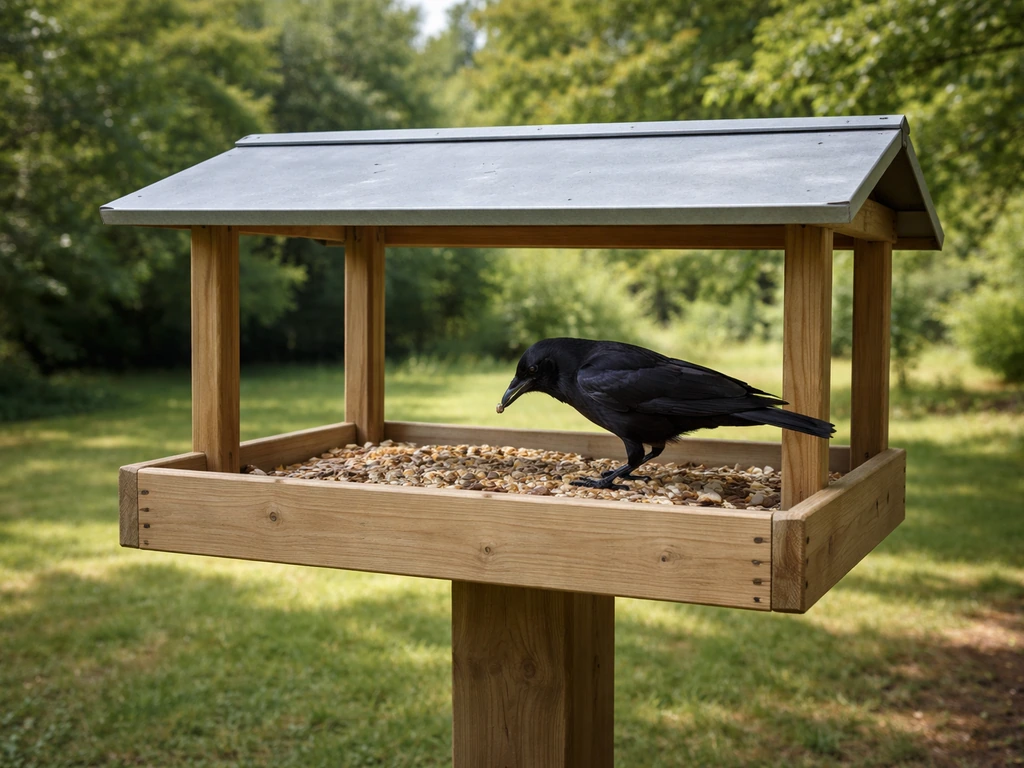
What crows actually want to eat
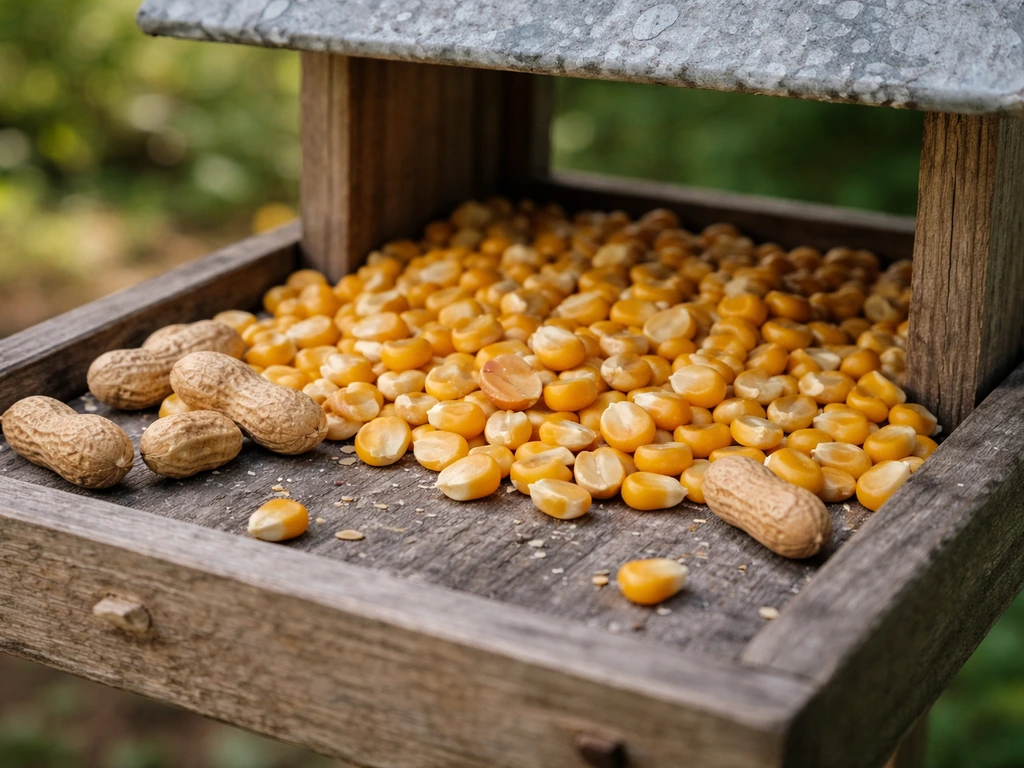
Crows are true omnivores and genuinely opportunistic. Their natural diet covers seeds, corn, fruit, nuts, insects, invertebrates, and yes, carrion and scraps. That adaptability is exactly what makes them so easy to attract once you know what to put out. They're not looking for tiny finch seed or nyjer; they want something they can pick up, carry off, and cache for later.
In practice, the foods that pull crows in fastest are whole dried corn (field corn, not sweet corn), raw or roasted unsalted peanuts in the shell, black oil sunflower seeds, suet blocks or meat scraps, and cracked corn as a budget option. Whole peanuts are a particular favorite because crows are intelligent enough to value cacheable, calorie-dense food. If you want to attract them quickly, start with a mix of whole corn and peanuts. You'll see results within a few days in most areas.
Skip the millet, nyjer, and safflower blends. Those are fine for smaller songbirds but crows largely ignore them. Also skip anything moldy or stale. This sounds obvious, but it genuinely matters: crows are smart enough to reject sketchy food, and spoiled seed is a disease risk at any feeder. Store your crow food in a sealed container in a cool, dry space and toss anything that's been rained on or sitting out for more than a couple of days.
Why platform feeders are the right choice for crows
Crows are large birds, typically around 17 to 21 inches long with a wingspan pushing 3 feet, and they don't do well with feeders designed for small birds. Tube feeders, caged feeders, and most hopper feeders are simply too awkward or too small. If you also want to protect smaller birds, a best caged bird feeder can help keep crows from taking over while finches and chickadees still feed comfortably. Crows need to stand flat, turn around, and eat without being cramped. That's why a platform or tray feeder is the only style that genuinely works for them.
A platform feeder is essentially an open tray, sometimes with a shallow lip or rim, mounted on a post or hung from a branch. The better ones have a mesh or slatted floor for drainage so rain doesn't pool and turn your corn into mush. That drainage detail is more important than it sounds. Wet seed goes moldy fast, and moldy feed is a feeder health problem you don't want to deal with.
Hopper feeders can technically work if they're large and have a wide enough landing ledge, but most hoppers are designed around squirrels and smaller birds. The narrow perch bars and covered hood make crows uneasy. They'll attempt it, but they won't commit to the feeder the way they will to an open tray with clear sightlines in all directions.
| Feeder Type | Works for Crows? | Best Feature | Main Downside |
|---|---|---|---|
| Large platform/tray feeder | Yes, best option | Open landing space, easy access | Exposed to weather and other wildlife |
| Ground tray or ground scatter | Yes, very effective | Most natural feeding position for crows | Higher pest and rodent risk |
| Large hopper feeder | Sometimes | Higher capacity, weather cover | Narrow ledges, crows feel exposed |
| Tube feeder | No | Great for small songbirds | Too small, wrong food type |
| Caged feeder | No | Good for excluding large birds | Physically blocks crows |
| Suet cage (open style) | Partially | Crows do eat suet | Usually too small, awkward for large birds |
Best bird feeders for crows: top picks by type and feature
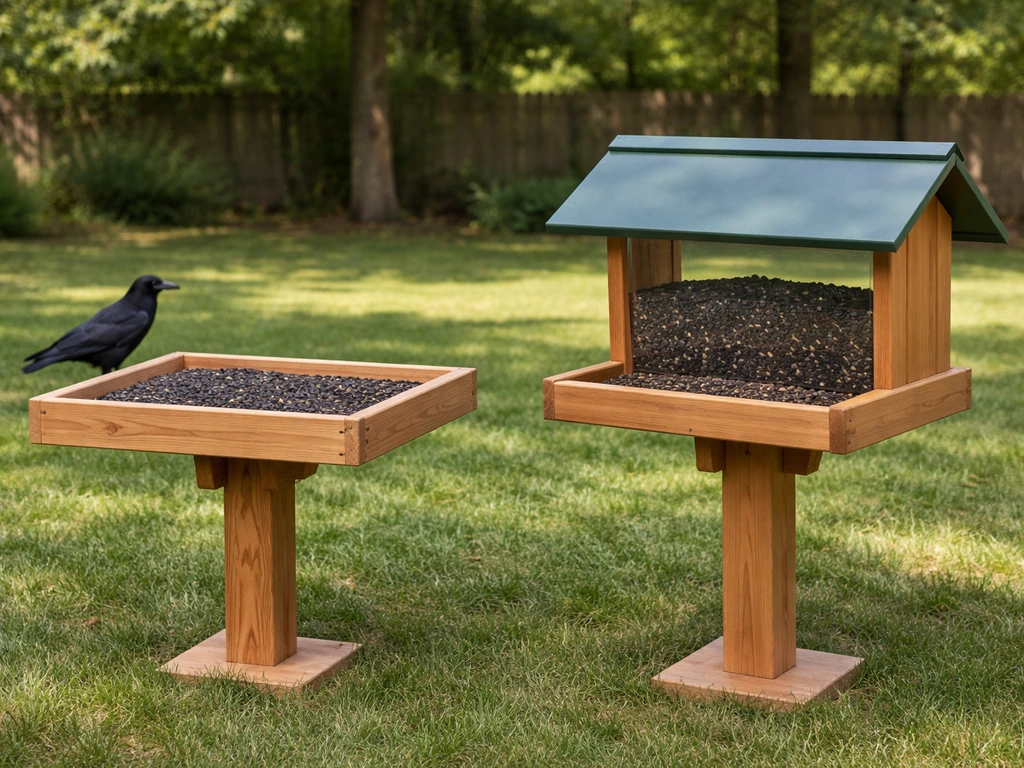
You don't need a fancy feeder to attract crows. What you need is the right size, the right material, and decent drainage. Here's how the main options compare and what I'd actually recommend for different setups.
Best overall: large open platform feeder on a post
A cedar or recycled-plastic platform feeder in the 14 to 18 inch range, mounted on a 4 to 5 foot post, is the gold standard. Cedar handles weather well without warping, and recycled plastic is even more durable and easier to clean. Look for a mesh or screen floor rather than solid wood, since solid bottoms hold moisture and create exactly the mold problem you want to avoid. Models from brands like Woodlink, Stokes, and Brome's platform line hit this description. Capacity should be enough to hold a couple of generous handfuls of corn and peanuts without overflowing. You don't need a massive reservoir; just enough for a day's feeding, which aligns with the best practice of only putting out what birds can consume in a single day.
Budget pick: a simple wooden tray or DIY platform
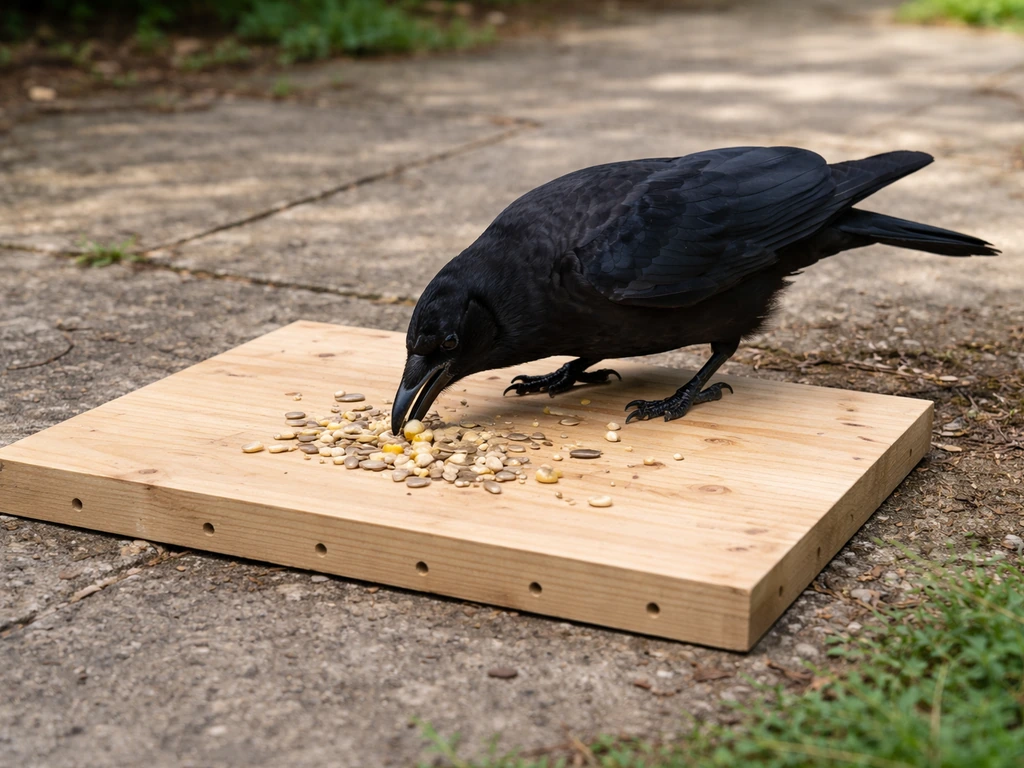
If you want to test crow feeding before investing in a proper feeder, a flat piece of plywood (1/2 inch thick, around 12x16 inches) with small drainage holes drilled in the bottom and a short lip around the edge works perfectly well. Mount it on a fence post or set it on a low tree stump. Crows don't care about aesthetics. This is also a good way to figure out your optimal placement before committing to a permanent mounted feeder.
For durability and weather resistance
If you're in a wet climate or want something that lasts years without maintenance, go with a powder-coated steel or recycled polycarbonate platform feeder. These won't rot, warp, or absorb moisture. They're also easier to scrub down, which matters because you should be cleaning your crow feeder every week or two, especially in warm weather. Crows bring food scraps to feeders and leave debris behind that ferments faster than seed alone.
If you also want to feed smaller birds nearby
Use a separate tube or hopper feeder for your cardinals, finches, and sparrows, and keep the platform feeder dedicated to crow food. Crows will absolutely dominate a mixed feeder. Separating the feeding stations by 15 to 20 feet lets smaller birds use their feeder while crows work the platform. This is also where a caged feeder for the smaller birds becomes genuinely useful; a caged design physically excludes crows while still letting chickadees and finches feed freely.
How to keep crows from becoming a problem
Attracting crows and managing them are two sides of the same coin. Crows are smart, social, and assertive. Once they find a reliable food source, they'll recruit family members. A group of 4 to 6 crows can empty a platform feeder quickly and intimidate other backyard birds. If you want to attract them but keep it manageable, a few design and placement decisions make a real difference.
- Only put out small amounts at a time, enough food for one feeding session, not a full day's supply for a flock
- Feed at a consistent time each day so crows learn a schedule instead of hanging around all day waiting
- Use a feeder with a lip or rim that limits how much food can be pushed off the edge at once, reducing spillage that attracts pests and rodents
- Keep the feeding station away from your smaller-bird feeders and your vegetable garden
- Avoid leaving pet food or compost accessible nearby, since those are even stronger crow attractants than anything in your feeder
If your actual goal is to keep crows away from your yard entirely, the feeder design flips. Crows are excluded by small cage openings, tube feeders with narrow perches, and any feeder designed for birds under 8 inches. An anti-crow or crow-proof feeder typically uses a cage with openings around 1. If you specifically want a best anti crow bird feeder, look for dedicated crow-proof designs with small openings that block larger birds but still let songbirds feed anti-crow or crow-proof feeder. 5 inches, wide enough for sparrows and finches but too narrow for a crow's body. There are dedicated crow-proof and anti-crow feeder designs built specifically for this purpose, and those work well when your priority is protecting your songbird station rather than attracting crows. If you need a crow-proof setup, look for the best anti pigeon bird feeder style that blocks larger birds while still letting smaller species eat comfortably anti-crow feeder.
Where to put the feeder and how to set it up through the seasons
Placement is almost as important as feeder type when it comes to crows. They're cautious, intelligent birds. A feeder in a completely open area with no nearby perch trees will get visited less than one placed at the edge of a tree line or near a fence, where crows can land and scan the area before dropping down to eat. Give them a perch point within 10 to 20 feet of the feeder and they'll use it more confidently.
Keep the feeder at least 20 feet from your house if possible. Crows are bold but they're also reactive to sudden movement in windows. They'll learn your schedule over time, but early on, distance from human activity helps them feel safe enough to commit to the feeder regularly.
Seasonally, crows are year-round residents across most of North America, so there's no 'off season' for feeding them. That said, a few things shift with the calendar. In winter, high-calorie foods like suet, peanuts, and whole corn matter more because crows are burning energy staying warm. In spring and early summer, crows are nesting and will be especially interested in protein-rich offerings like mealworms, meat scraps, or suet. Late summer and fall is when crow flocks get larger as juveniles from the year's brood join the adults, so expect more visitors and adjust your feeding amounts accordingly.
In wet or snowy weather, check the platform feeder more often. Wet corn and peanuts go bad fast. A feeder with a roof or partial cover helps in rainy climates, though crows are less bothered by rain than smaller birds and will feed in light drizzle. The bigger risk is the food spoiling on the tray, not the crows avoiding rain.
Troubleshooting: when crows won't come, or when they take over
Crows aren't visiting
If you've set up your platform feeder with corn and peanuts and nothing's happening after a week, the most likely issues are location, disturbance, or local crow population. Try moving the feeder closer to a tree line or perch point. Check whether your yard has a lot of foot traffic, dogs, or cats that might be spooked the crows off. You can also try scattering a little food on the ground near the feeder to help crows notice it faster; they forage on the ground naturally and will then discover the elevated feeder.
Too many crows, too much mess
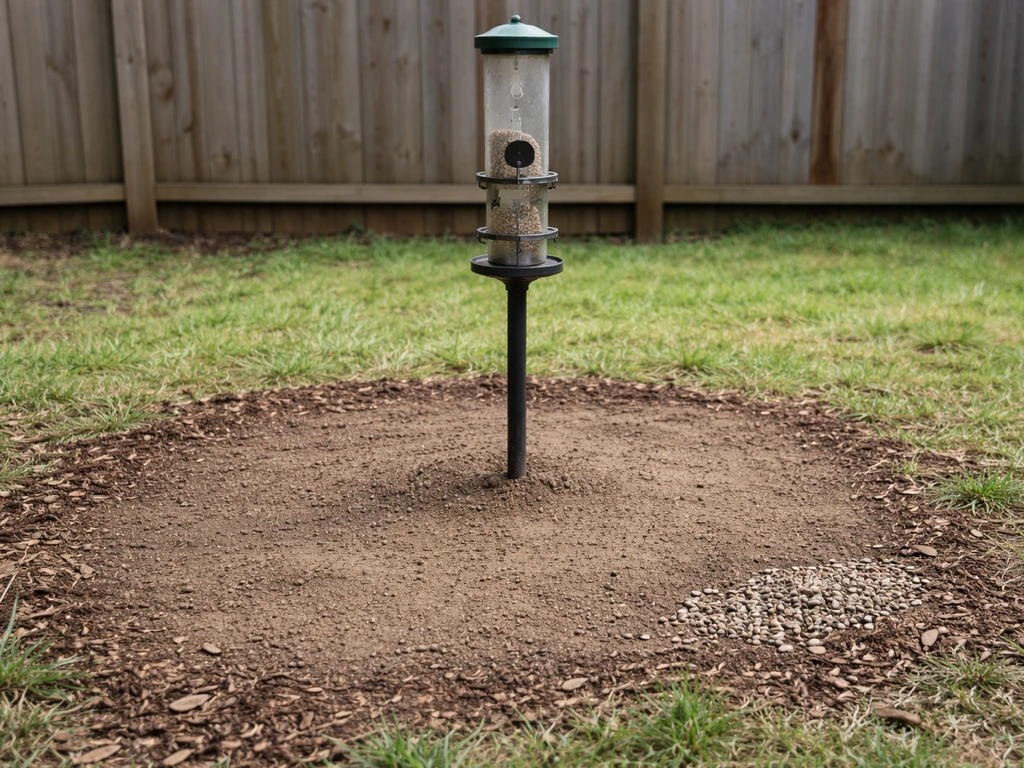
If you've got the opposite problem, a large gang of crows dominating the feeder and leaving shells, scraps, and droppings everywhere, scale back the food quantity immediately. Crows recruit by communication, so a feeder that's always full will draw an ever-growing crowd. Switch to timed, smaller portions. You can also feed only in the morning so the tray is empty by afternoon, discouraging crows from hanging around all day.
Spillage and rodent problems
Platform feeders and ground feeding inevitably mean some spillage, and spilled corn and peanuts absolutely attract mice and rats. The fix is consistent cleanup: sweep or rake spilled seed from below the feeder every day or two, and never leave food out overnight. A tray feeder with a rim reduces how much gets knocked off, and keeping the ground below clear is the best rat deterrent you have. For best results, look for the best anti rat bird feeder designs that make it harder for rodents to access spilled seed anti-rat feeder designs. If pests are already a problem, it's worth looking at anti-rat feeder designs or switching to shell-on peanuts that crows have to work harder to extract, which naturally slows consumption and reduces scatter.
Crows and smaller birds competing at the same feeder
Crows don't just eat from a shared feeder; they take over it. If your songbirds are being chased off, separate the feeding stations as described earlier, and consider using a caged design for your smaller-bird feeder. The physical barrier is the most reliable solution. Trying to deter crows from a shared feeder with baffles or guards alone rarely works long-term because crows are persistent problem-solvers. Dedicated stations for each bird type is the cleaner answer.
The bottom line is straightforward: get a large platform feeder with mesh drainage, stock it with whole corn and peanuts in the shell, place it near a tree line on a low post, and feed small consistent portions. If crows get out of hand, reduce the food amount before trying anything else. And if your actual goal is to protect your songbird feeders from crows, skip the platform entirely and go with a caged or enclosed design that physically excludes larger birds from the start.
FAQ
What size platform feeder do I really need for a “best bird feeder for crows” setup?
A 12 by 12 inch tray is the bare minimum, if it’s truly open. For easy landing and room to turn, aim for 14 to 18 inches across, and choose a feeder height where the tray is low enough that crows can step down comfortably. If the surface feels cramped, crows may perch nearby and eat only intermittently.
Can I use a bird feeder with a roof, or will it block the crows?
A roof is fine as long as the tray remains openly accessible from all sides and the landing area is wide. Choose designs with drainage and airflow, because a fully enclosed feeder can trap wet seed and debris. If you want partial cover, prioritize a shallow overhang that keeps rain off the tray without narrowing the entry space.
How far should I place the crow feeder from my house and from my other bird feeders?
Keep it at least 20 feet from the house when possible, and place it near a tree line or fence edge for safety scanning. If you’re also feeding small birds, separate stations by about 15 to 20 feet so crows don’t treat the smaller feeder as an extension of the same meal.
What’s the quickest way to stop mold and keep the feeder healthy?
Use a platform with a mesh or slatted floor, and don’t rely on “drying in place.” After heavy rain, remove the top layer of any wet seed and top up with fresh food. Also, clean on a weekly or biweekly schedule, scrubbing off oily residue from peanuts and suet so it does not spoil between visits.
Should I feed whole corn and peanuts in a mix, or choose one food only?
A mix works best to get crows to commit fast, but you should still keep the foods fresh and consistent. If you notice heavy shell piles but little consumption, increase the peanut content slightly, because shell-on peanuts slow extraction just enough for crows to stay engaged without emptying the tray instantly.
Is sweet corn or canned corn okay for attracting crows?
Generally no. Use dried field corn, not sweet corn, because corn intended for human consumption often has moisture, additives, or a softer texture that spoils faster on the tray. For consistency and fewer waste issues, stick to dried whole corn or cracked corn as a budget option.
Why do crows ignore my feeder even though I put out the “right” food?
Most of the time it’s placement and disturbance. Try moving the feeder closer to a clear perch route (10 to 20 feet from a safe landing spot), and reduce human and pet traffic near the feeding area. If nothing changes within a week, experiment with a simple plywood test tray at the new location so you remove “feeder style” as a variable.
How do I prevent mice and rats if the feeder spills seed?
Clean below the feeder daily or every other day, and never leave seed out overnight. Spilled corn and peanuts are a reliable rodent attractant. If you already have pests, consider switching to shell-on peanuts and a tray with a low rim, since extraction takes longer and reduces scatter.
Will feeding crows cause them to bring more crows to my yard?
Yes, crows recruit quickly. If you see rapidly increasing numbers, scale back the amount immediately or use smaller timed portions, such as morning-only feeding. A feeder that is consistently full tends to keep crows around longer, which also increases droppings and damage to nearby bird activity.
What should I do during winter or nesting season if I’m trying to attract crows?
In winter, emphasize high-calorie foods like suet and peanuts, and check more often because frozen or damp trays can still spoil when thawed. In spring and early summer, crows often want protein, so mealworms or meat scraps can increase visits, but remove leftovers promptly to avoid odor and spoilage.
Can I feed crows and keep smaller birds coming reliably?
Yes, but you need separate feeding stations with physical barriers where possible. Keep the crow platform dedicated to crow foods, and use a separate feeder within 15 to 20 feet for smaller birds. If crows chase smaller birds, add a caged or enclosed feeder for the smaller species rather than relying on baffles, because crows are persistent and learn workarounds.
What’s the best way to build a temporary feeder before buying one?
Use a 12 by 16 inch plywood tray (about 1/2 inch thick) with small drainage holes and a short lip around the edge, then mount it on a fence post or low stump. This lets you dial in placement based on crow landing behavior before you invest in a permanent platform feeder with drainage and durable materials.
Next Articles
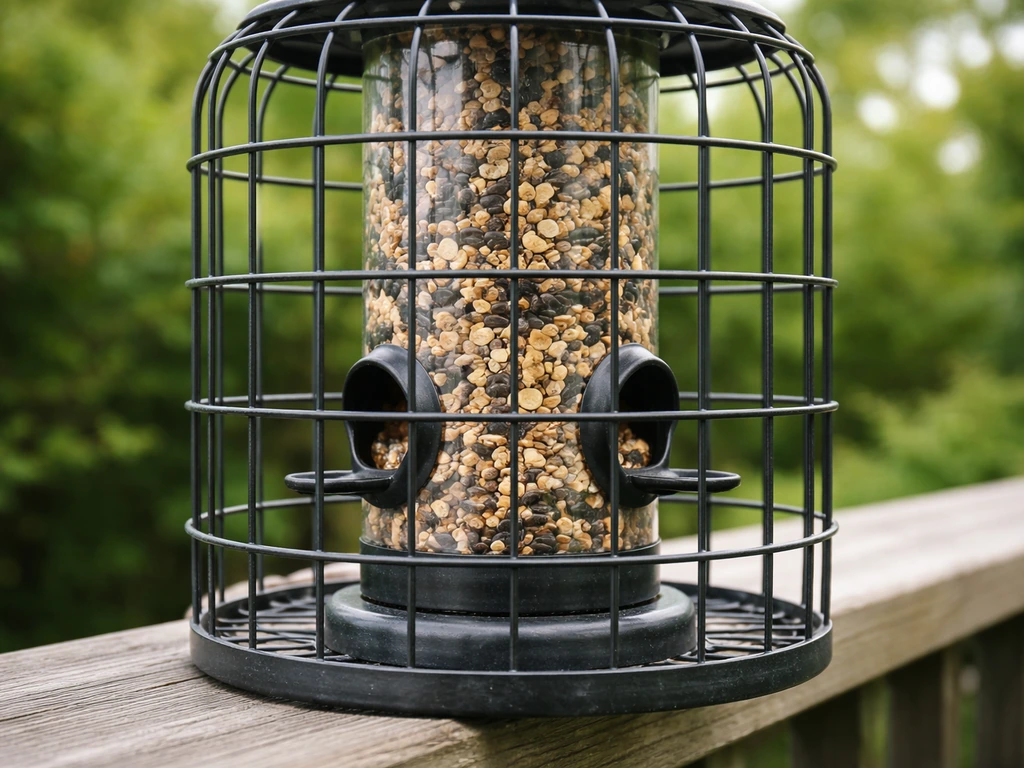
Best Caged Bird Feeder: Top Picks, Setup, and Tips
Find the best caged bird feeder: top picks, placement tips, pest-proof setup, and seed and port troubleshooting.
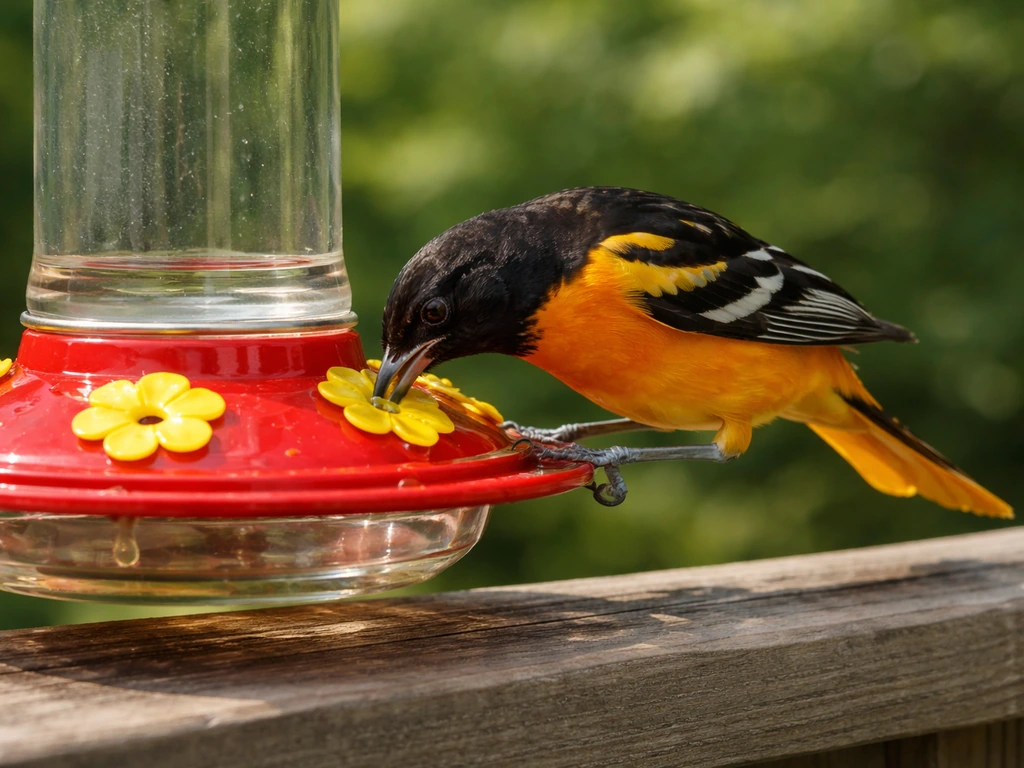
Best Bird Feeder for Baltimore Orioles: Buyer Guide
Choose the best bird feeder for Baltimore orioles: styles, features, placement tips, and fixes for heat, pests, and acce
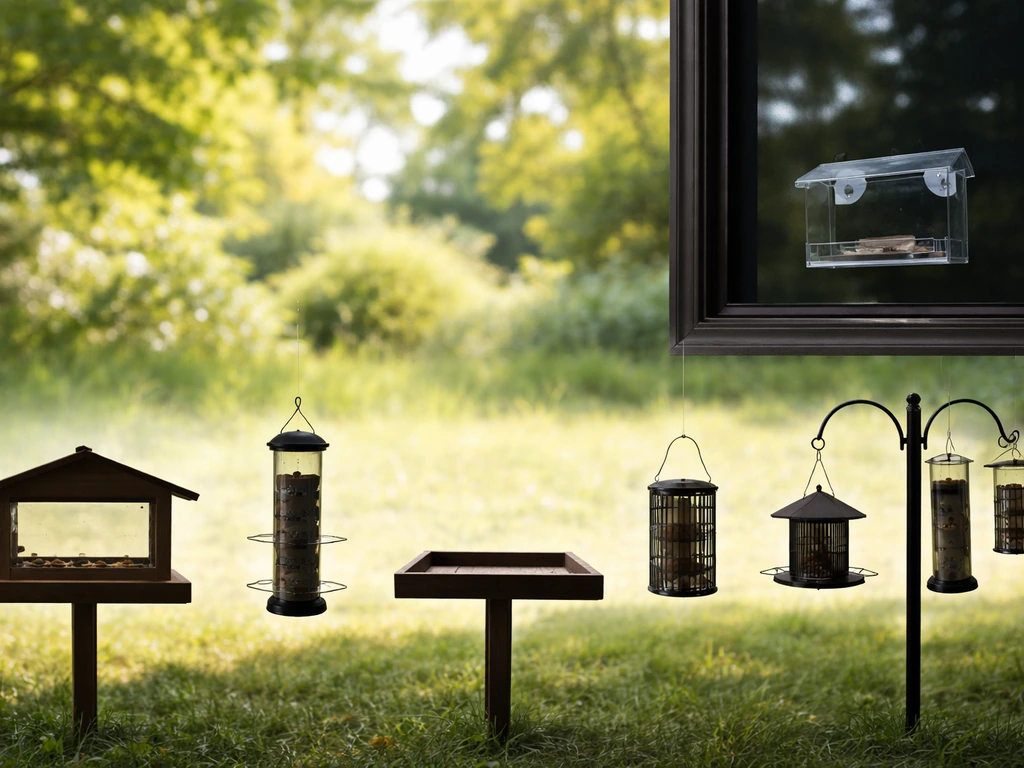
What Does a Bird Feeder Look Like? Types and Visual Cues
See common bird feeder silhouettes and visual cues, plus features for choosing and troubleshooting fast.