The best bird feeder for mourning doves is a platform feeder, full stop. Doves are ground foragers with weak feet that aren't built for clinging to tube feeders or balancing on narrow perches. What they want is a wide, flat surface with easy seed access and clear sightlines so they can watch for predators while they eat. The Woodlink 3-in-1 Platform Feeder (NAPLAT2) is the best overall pick: it's cedar, holds up to 3 lbs of mixed seed, has a removable mesh screen bottom for drainage and cleaning, and its open tray design is basically purpose-built for how doves actually feed.
Best Bird Feeder for Doves: Buyer Guide and Setup Tips
Marcus Hendricks
26 Apr 2026
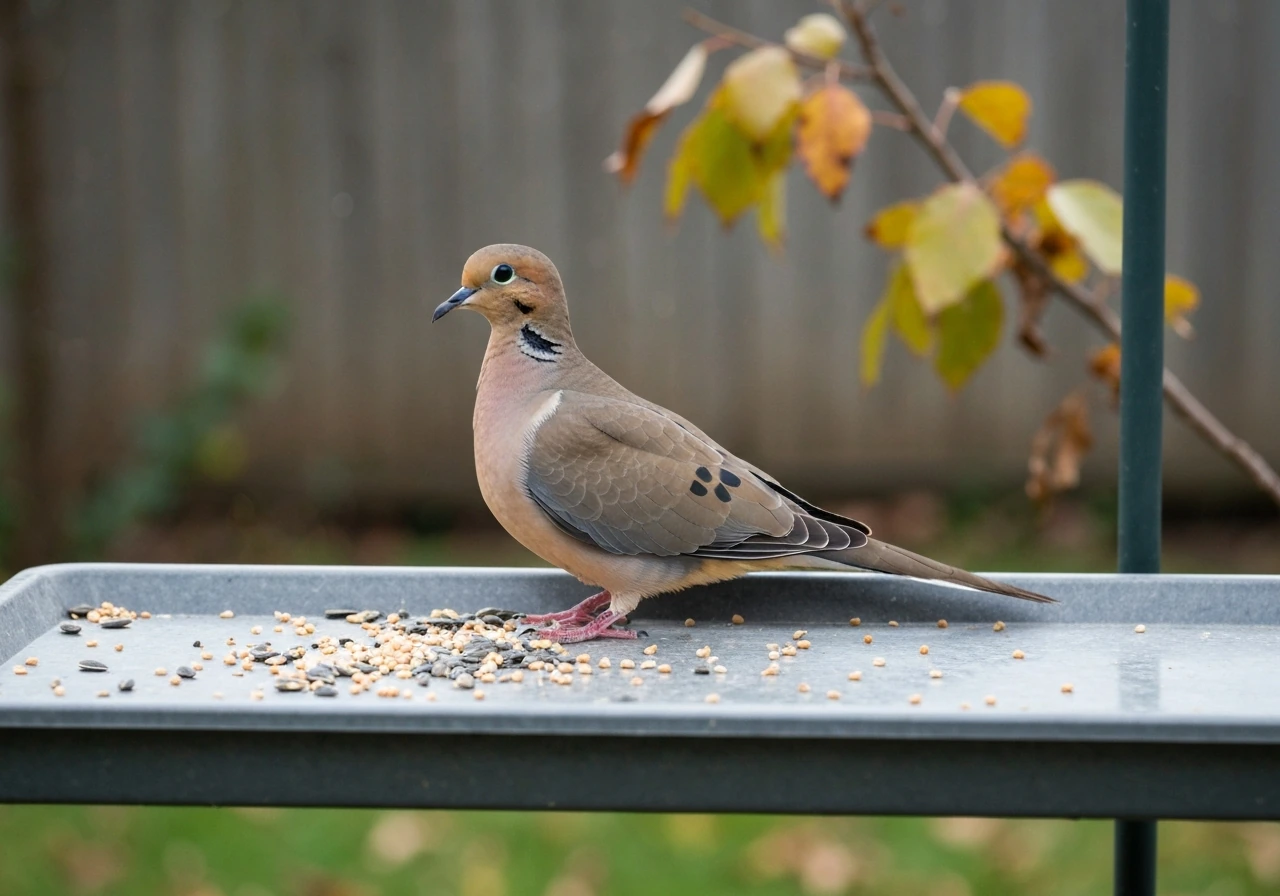
Why doves need a different feeder than most backyard birds
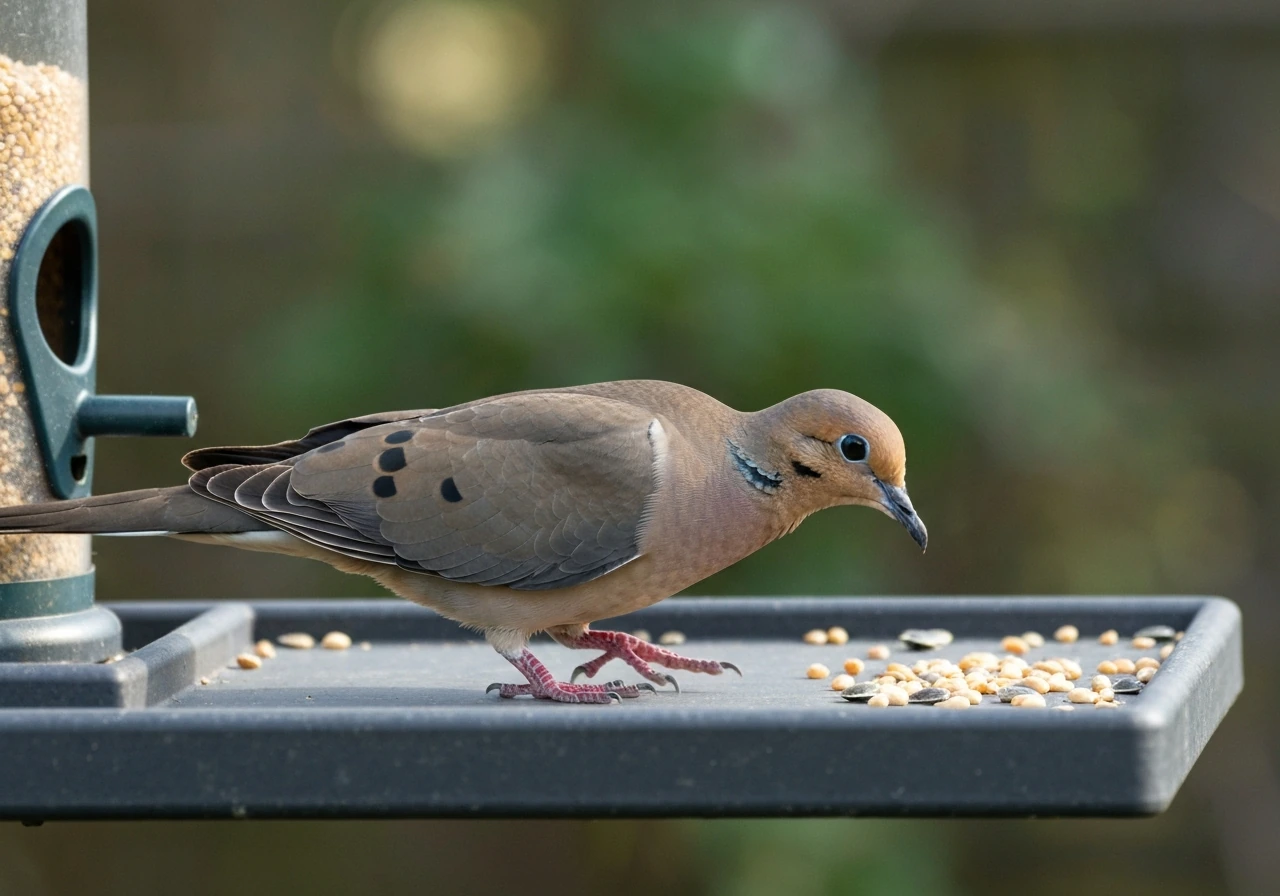
Most bird feeders are designed for birds that grip, cling, or scratch. Mourning doves do none of those things well. Their foot structure is adapted for walking on the ground, not latching onto perch rods or navigating caged tube feeders. When you put a dove in front of a standard tube feeder, it either gives up immediately or hangs awkwardly and spills seed everywhere trying to make it work.
Doves are also almost entirely seed eaters, with seeds making up roughly 99% of their diet. They prefer exposed, visible feeding spots near cover they can retreat to quickly. In the wild, that means open fields with nearby brush. In your backyard, it means a wide feeder tray in a spot where they can see trouble coming from several directions. Dense, enclosed feeders feel like a trap to them, which is why you rarely see doves spending much time at hopper feeders with small ports.
There's also the size factor. Mourning doves are bigger than most feeder birds, around 12 inches long and heavier than a sparrow or finch. They need landing space. A feeder with a 4-inch perch ring or a narrow hopper ledge just isn't going to cut it. They'll show up, shuffle around awkwardly, and leave. A platform feeder with 10 or more inches of open tray space is where they'll actually settle in and eat.
Platform vs. hopper vs. tube: which feeder type actually works for doves
Platform feeders: the clear winner
Platform feeders mimic the ground feeding that doves are naturally built for, just elevated enough to add some protection and visibility. A good platform feeder has a wide open tray, a mesh or screen bottom for drainage (wet seed goes moldy fast and doves won't touch it), and enough surface area for two or three doves to feed at once without bumping into each other. The Woodlink 3-in-1 is made from kiln-dried red cedar and has a removable powder-coated mesh screen bottom, which is the detail that separates a feeder you'll actually maintain from one that becomes a soggy mess by week three. Woodlink also makes a double-platform cedar feeder that explicitly lists doves among the species it's designed for, which is a nice confirmation that the sizing and design are on the right track.
Ground feeders: the most natural option
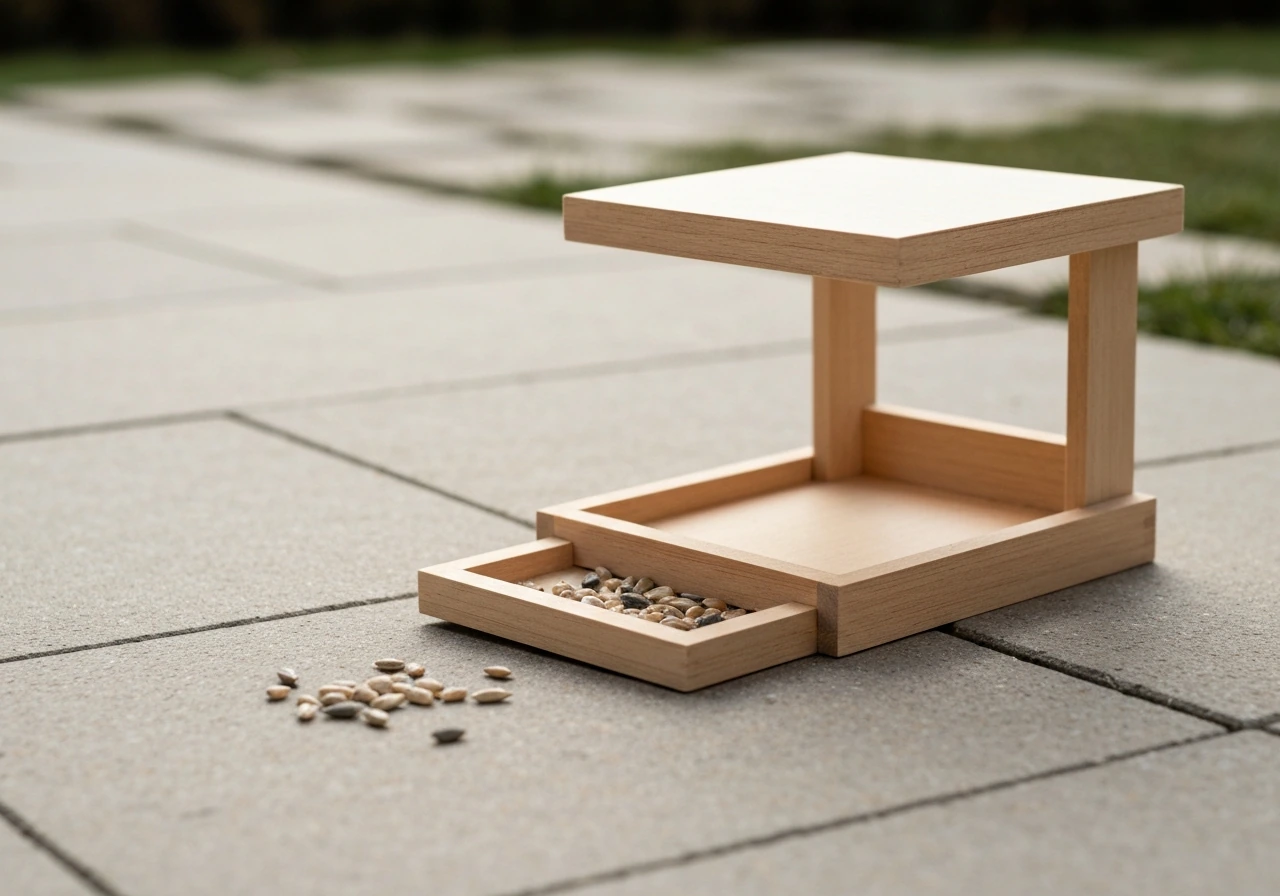
If you want the easiest possible setup for doves, scatter seed directly on the ground or use a low-profile ground tray feeder like the JCs Wildlife Removable Tray Platform Ground Feeder. JCS Wildlife sells a Removable Tray Platform Ground Bird Feeder, matching the article’s suggestion of a low-profile tray that’s easier to clean. Doves are completely comfortable at ground level and will often ignore elevated feeders entirely if there's an easier option at their feet. The downside is that ground feeding dramatically increases pest problems: rats, squirrels, and larger birds like grackles can overwhelm a ground setup fast. If you go this route, keep portions small and rake up uneaten seed at the end of each day.
Hopper feeders: workable with the right tray
Standard hopper feeders aren't ideal for doves, but some designs include a wide seed tray at the base that doves can actually use. The key is tray width. If the tray is 8 inches or wider and the feeder is mounted at a comfortable height, doves will use the tray while the hopper itself keeps seed flowing. JCs Wildlife's hopper designs use slotted acrylic sides that feed seed steadily into a removable base tray, which reduces seed buildup inside the hopper and makes the tray more useful for dove-sized birds. Think of the hopper as the seed reservoir and the tray as the actual feeder for your doves.
Tube feeders: generally skip these for doves
Tube feeders with small ports and narrow perch rings are not dove-friendly. Doves can't grip the perches comfortably, and the ports are usually too small for them to feed efficiently. The one exception is if a tube feeder has a wide seed-catch tray at the bottom, in which case doves may use the tray the same way they'd use a platform. But if you're specifically trying to attract doves, don't spend money on a tube feeder expecting it to work well. You'd be fighting against their natural behavior the whole time.
What to look for in a dove-friendly feeder: the features checklist
- Wide landing and feeding area: Aim for at least 10 to 12 inches of open tray space. Doves are large birds and need room to stand and move without feeling crowded.
- Open or semi-open design: Doves want visibility while eating. Deep-sided hoppers or enclosed feeders make them nervous. A low-walled platform or shallow tray is ideal.
- Mesh or screen bottom: Drainage is non-negotiable. Standing water in a tray turns seed moldy within a day or two. Look for removable mesh screens (like the Woodlink NAPLAT2) that let water drain and make cleaning practical.
- Weather durability: Cedar is the gold standard for wood feeders because it resists moisture and warping naturally. Powder-coated metal components add durability. Avoid feeders with untreated wood trays or thin plastic that cracks in cold weather.
- Ease of cleaning: Removable trays and screen bottoms mean you can actually clean the feeder every two weeks as recommended, rather than avoiding it because it's a hassle. Dirty feeders spread disease and doves will stop visiting.
- Appropriate seed access: No small ports, no caged barriers. Seed should be open and accessible from the tray surface.
- Stable mounting or base: A platform that wobbles or tips easily will send doves flying. Pole-mounted platforms with a secure locking collar, or heavy ground trays, work best.
- Roof or partial cover (optional but useful): A roof keeps rain off the seed and extends how long a fill lasts, especially in wet climates or winter. It also gives doves a small amount of overhead protection from hawks.
Best picks by situation
| Scenario | Best Pick | Why It Works |
|---|---|---|
| Best overall backyard feeder | Woodlink 3-in-1 Platform Feeder (NAPLAT2) | Cedar construction, removable mesh bottom, holds 3 lbs seed, open tray design doves love |
| Ground feeding (most natural) | JCs Wildlife Removable Tray Ground Platform Feeder | Low profile, easy to clean, mimics natural ground foraging; best for yards with low pest pressure |
| Hopper feeder with dove access | JCs Wildlife Hopper with wide base tray | Slotted sides feed seed into removable tray; doves use the tray while smaller birds use the ports |
| Winter feeding (weather protection) | Woodlink Double Platform Cedar Feeder | Deeper cedar walls and roof option help shelter seed; cedar handles freeze-thaw cycles well |
| Squirrel and pest pressure | Platform feeder on a pole with a baffle | Add a squirrel baffle 4 to 5 feet up the pole; keeps squirrels off while leaving the platform open for doves |
| Small yard or limited space | Single platform feeder mounted 4 to 5 feet high | Keeps footprint minimal; one platform at the right height covers doves without wasted space |
The seed matters as much as the feeder
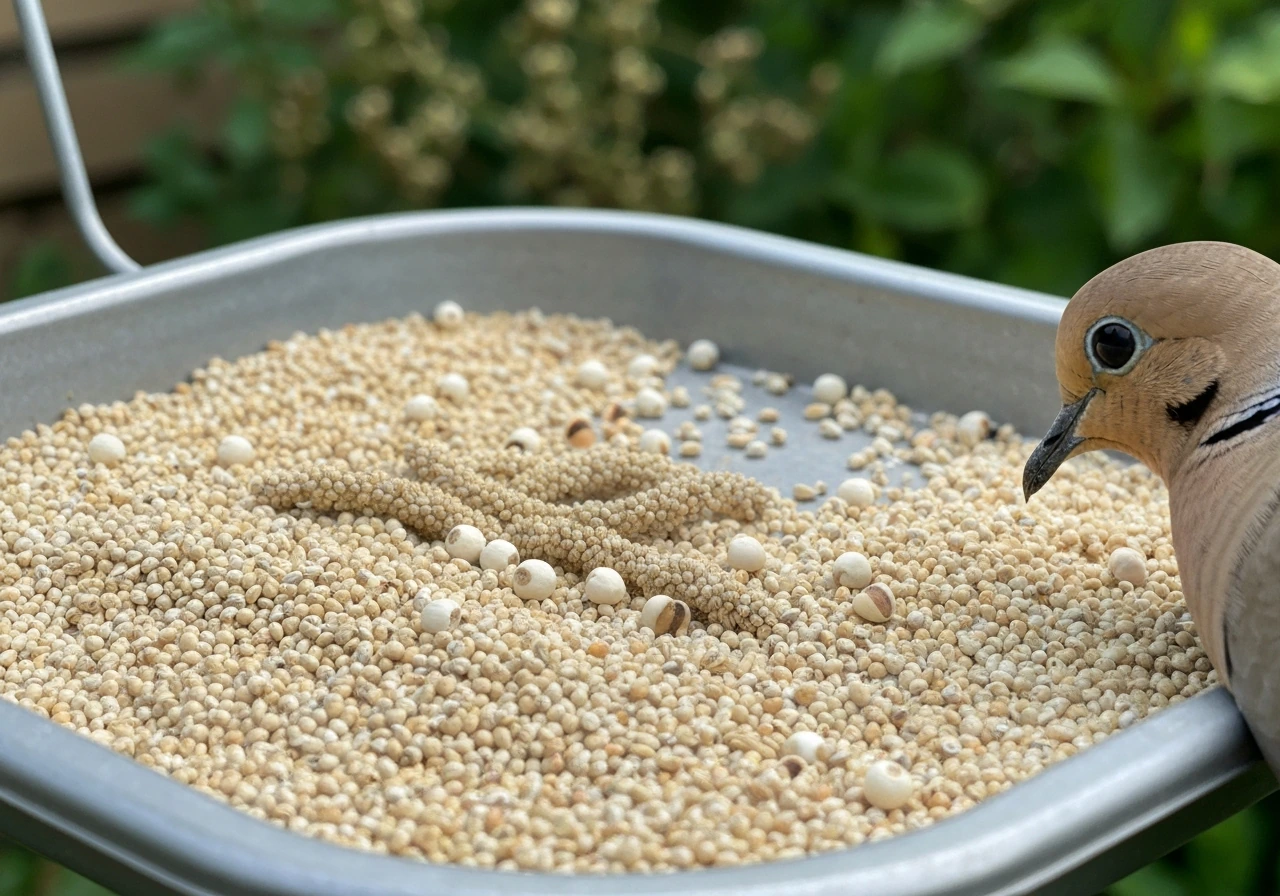
Mourning doves are not picky, but they do have preferences. Millet is their top choice, particularly white proso millet and foxtail millet. They also readily eat Japanese millet, sorghum, wheat, and sunflower seeds (both black oil and striped). Corn and peanuts will attract them too, though corn tends to bring in more pest pressure than millet. What doves are not interested in is safflower or nyjer (thistle), which are better suited to finches and cardinals. A simple mix of white millet and black oil sunflower seed is the most cost-effective dove-attracting combination you can put in a platform tray.
One practical tip: doves return to feeding sites consistently once they discover them, so be patient the first week or two. Scatter a small amount of millet on the ground near your new feeder to help them find it faster. Once they've visited a few times, they'll come back regularly on their own.
Keeping pests out without locking doves out
Here's the frustrating paradox of dove feeders: everything that makes them attractive to doves also makes them attractive to squirrels, rats, pigeons, grackles, and starlings. An open tray with lots of visible seed is exactly what every opportunistic backyard pest is looking for. You can't cage or port-restrict a dove feeder without ruining it for the doves, so you have to manage pests through placement and hardware instead.
Squirrels
A pole-mounted platform feeder with a quality squirrel baffle is your best defense. Mount the pole so the feeder sits 4 to 5 feet off the ground, and place it at least 10 feet away from any fence, tree, or structure a squirrel can launch from. A cylindrical baffle positioned about 4 feet up the pole stops squirrels from climbing. Weight-activated feeders like the Brome Squirrel Buster Classic (which closes seed ports when heavy pests land) work brilliantly for tube-style feeders, but they're not compatible with the open platform design doves need. Stick with the pole-plus-baffle approach for dove platforms.
Rats and ground pests
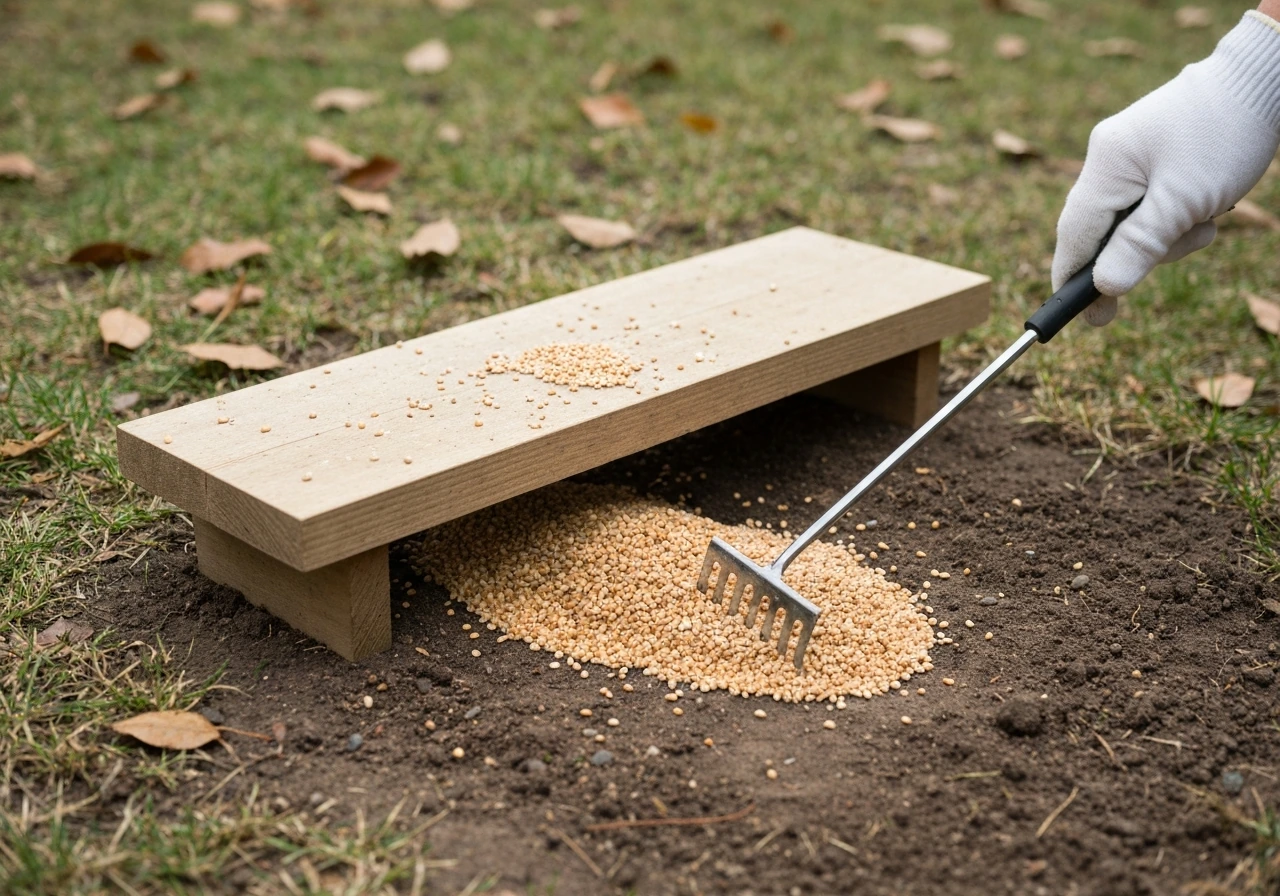
Fallen seed is the main rat attractant, not the feeder itself. Doves are messy eaters and will kick a lot of seed off the tray. Rake or sweep up spilled seed every day or two, and avoid using ground feeders if you already have a rat problem in your area. If you have rats around, prioritize a rat-proof bird feeder and pair it with frequent seed cleanup to keep fallen seed from building up. Feeders elevated on poles with baffles dramatically reduce rat access compared to ground trays. For more details on managing rats specifically, the rat-proof feeder guides on this site cover the full range of options. If you want a cleaner setup overall, look for bird feeders that are rat proof and pair them with daily seed cleanup rat-proof feeder guides.
Grackles, starlings, and pigeons
These larger birds are the hardest to deter from dove-style feeders because they use the same open platform setup. Reducing perch space helps with starlings (they struggle with small or unstable perches), but doves need that same space, so there's a real tension there. The most practical solution is to limit how much seed you put out at one time, which reduces the reward for large flocks. A platform that holds 1 to 2 lbs of seed instead of 3 to 5 lbs will still attract your regular doves but is less likely to turn into a grackle buffet. If you're trying to stop larger birds from swarming an open platform, you may also want the best grackle proof bird feeder as a comparison point for how to reduce the buffet effect. If pigeons are crowding your feeding station, the best pigeon proof bird feeder is the right next step after you dial in your dove setup platform feeder. If pigeon and grackle pressure is a serious problem in your yard, it's worth reading up on dedicated grackle-proof and pigeon-proof feeder options, since those situations sometimes need a separate feeding station strategy rather than a dove-optimized one.
Seed waste and mess
Clean your platform feeder every two weeks minimum, and more often in wet weather. Remove any clumped or moldy seed immediately since doves will stop visiting a dirty feeder. Rake the ground beneath the feeder regularly. Audubon recommends completely drying a feeder after washing before refilling it, which is easy with cedar and mesh-bottom platforms since you can leave them in the sun for an hour. All About Birds recommends cleaning bird feeders regularly, including using a dilute bleach solution for washing, and then air-drying the feeder before refilling blank" rel="noopener noreferrer">Audubon recommends completely drying a feeder after washing before refilling it. If seed waste is a constant issue, switching to hulled sunflower seeds or no-mess millet blends reduces the mess significantly since there are no shells to pile up. If you want to minimize waste and scrubbing, look for the best no mess bird feeder options that use hull-free or no-mess seed blends with easy-to-clean trays.
Where to put your dove feeder and how to adjust by season
Placement basics
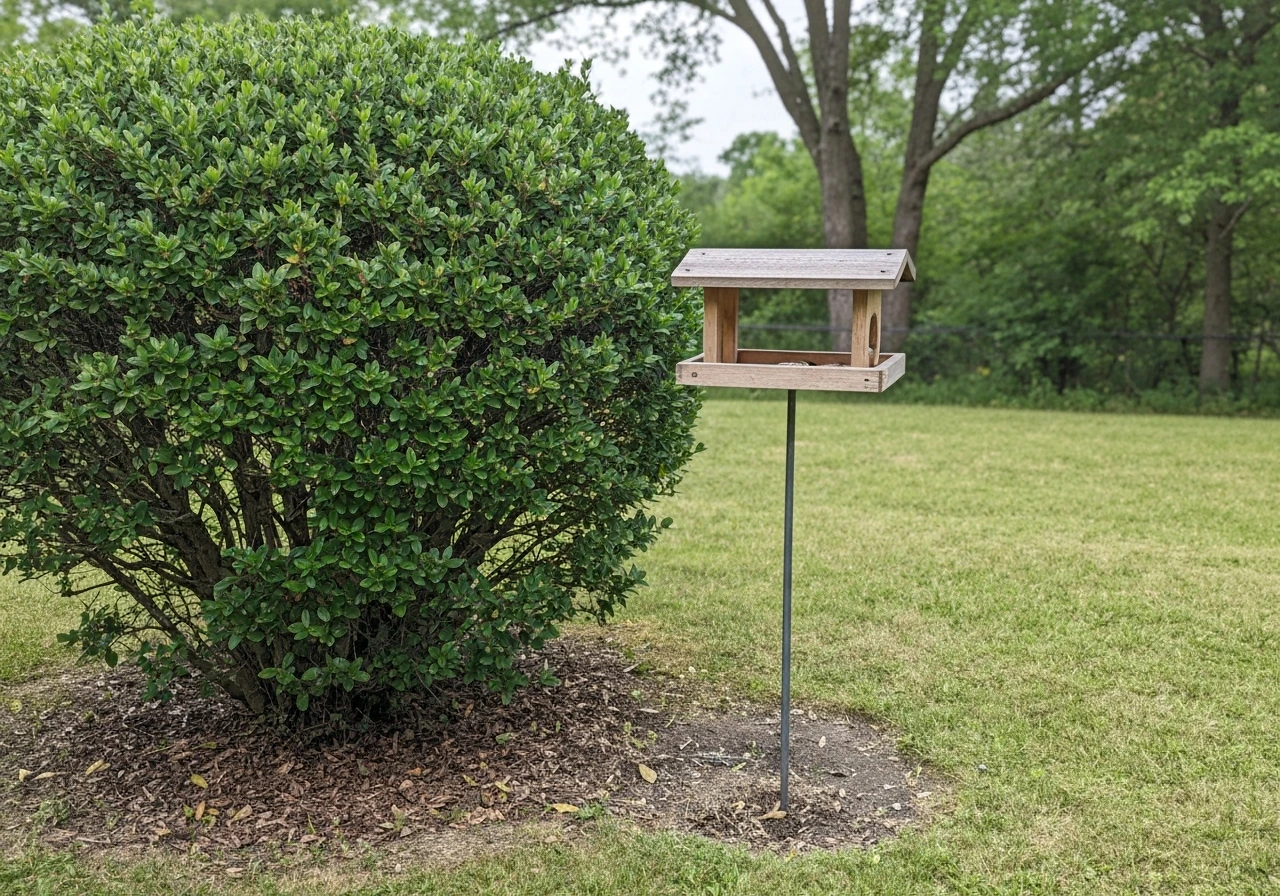
Doves want to see the feeder from a distance before they commit to landing, and they want nearby cover they can retreat to if startled. Place your feeder 5 to 10 feet from a shrub, hedge, or brush pile, but not directly underneath dense cover where a cat or hawk could hide. Open lawn or gravel between the feeder and the cover zone gives doves the clear sightlines they prefer. If you have trees nearby, a low branch 10 to 15 feet away is ideal because doves will perch there to scout the feeder before descending.
Mounting height matters too. For pole-mounted platforms, 4 to 5 feet is the sweet spot. It's high enough to complicate squirrel access and keep the feeder dry, but low enough that doves feel comfortable landing. Ground-level trays are fine if pests aren't a concern, but most backyards benefit from the slight elevation.
Spring and summer
Doves nest early in spring and will often hang around a reliable feeder site throughout the breeding season. Keep the feeder well-stocked from February onward, especially if you're in the southern half of the US where doves start nesting as early as March. Be aware that a consistently visited platform feeder can sometimes encourage doves to nest very close to your yard, which most people find delightful but it's worth knowing. Warmer weather also means faster seed spoilage, so reduce fill amounts in summer and check for moisture or mold more frequently.
Fall migration and winter feeding
Mourning doves in northern states may partially migrate south in fall, but many stick around year-round where food is available. A consistently stocked feeder is one of the best things you can do to keep doves through winter. In cold climates, switch to a roofed platform or the Woodlink Double Platform design to keep snow and ice off the seed. Cedar holds up well through freeze-thaw cycles, but check wooden feeders in late winter for any warping or cracking. Millet is especially valuable in winter because it doesn't freeze into a solid block the way wet corn can. Keep the area under the feeder clear of deep snow so fallen seed stays accessible, since doves will often feed from the ground directly beneath the platform during heavy winter traffic.
If you're also managing problem birds
If you're trying to attract doves while keeping out specific pest species, the calculus gets more complex. An open platform that's great for doves is also accessible to starlings, grackles, and pigeons. A truly best deer proof bird feeder style of barrier helps protect your seed and keeps deer from wiping it out before the doves can eat. If you also deal with deer near your yard, a best dove proof bird feeders approach can help protect seed from both deer and opportunistic feeders. Some feeders marketed as dove-proof or designed to exclude doves (yes, that's a real product category) take the opposite approach entirely and are worth understanding if you're trying to manage a mixed-species feeding station. Knowing what those feeders do differently can actually help you understand what features to prioritize for attracting doves versus excluding them.
FAQ
How high should I mount the best bird feeder for doves if squirrels are a problem?
Start with a pole-mounted platform at about 4 to 5 feet, then add a squirrel baffle positioned around 4 feet up the pole. Also keep the feeder at least 10 feet away from any launch points like fences, tree limbs, or stacked firewood, because baffles work best when there is no nearby “step-up” route.
Can I use a platform feeder and still keep grackles or starlings from taking over?
Yes, by limiting the “seed reward” rather than trying to restrict access. Choose a platform that holds a smaller amount (around 1 to 2 lbs) and refill in smaller batches, so you attract regular dove traffic without leaving a long-lasting buffet for larger flocks.
What seed should I use if I want to attract doves but reduce mess and waste?
White proso millet or a millet-heavy mix is usually cleaner than corn for dove setups, and hulled or “no-mess” millet blends reduce shells and debris. The goal is less spilled and less trash on the ground, since fallen seed is what drives most rat and pest activity.
Do doves prefer millet over sunflower, and what blend works best for first-time visitors?
Doves strongly favor millet, especially white proso and foxtail millet, but they also eat black oil sunflower readily. For faster discovery at a new feeder, use mostly millet with a smaller portion of sunflower (such as black oil) so the feeder stays appealing even after the initial novelty period.
Should I scatter seed on the ground under the platform to help doves find it?
It can help during week one or two, but only use small amounts because ground scattering increases pests and creates extra cleanup. If you do it, rake it up each day or two so you do not accidentally train rats or other ground feeders to your feeding spot.
How often do I need to clean a platform feeder for doves?
Plan on a deep clean at least every two weeks, and more often during wet or humid weather. Remove clumped or moldy seed immediately, since doves will stop returning to a dirty feeder faster than many other backyard birds.
What’s the best way to manage fallen seed so rats do not move in?
Treat cleanup as part of the feeder setup, not an optional chore. Sweep or rake beneath the feeder every day or two, and avoid letting seed build up on the ground. If you already have rats in the area, prioritize a setup that minimizes ground access and reduce overall fill volume so less seed ends up spilling out.
Are roofed or covered platform feeders better in winter for mourning doves?
Often yes, especially where snow and ice are common. A roofed platform (or a design that sheds precipitation) helps prevent seed from getting soaked, then freezing, and it makes it easier to keep a dry feeding surface. Still, you should clear heavy snow around the base so fallen access remains available.
Will doves nest near my yard if I keep the feeder stocked?
They sometimes do. A reliable food source can increase dove activity in the yard during breeding season, and birds may choose nearby nesting sites. If you want to encourage feeding but discourage nesting close to home, consider slightly reducing consistency after the first visits rather than keeping constant full refills.
Is there a meaningful difference between an actual platform feeder and a hopper with a wide tray for doves?
Yes. A true platform with open tray space is easiest for doves because it offers straightforward landing and feeding. A hopper can work if it has an 8-inch-or-wider tray that doves can use comfortably, but the tray can still become a messier “spill zone” depending on how the design dispenses seed.
I bought a tube feeder and doves won’t use it. Is there any workaround?
Tube feeders are usually a bad match for dove feet and narrow ports, but if your tube has a genuinely wide seed-catch tray at the bottom, doves may use that tray. If the tray is narrow or the ports require clinging, switch to a platform approach rather than trying to force the tube feeder to work.
Next Articles
Bird Feeders That Are Rat Proof: Buy and Set Up Guide
Step-by-step guide to choose and install rat-proof bird feeders, baffling setup, placement, and winter adjustments.
What Does a Cardinal Bird Feeder Look Like: Design & Tips
Identify and choose the best cardinal bird feeder: shapes, colors, perches, seeds, placement, and winter tips.
Best Bird Feeder for Baltimore Orioles: Buyer Guide
Choose the best bird feeder for Baltimore orioles: styles, features, placement tips, and fixes for heat, pests, and acce