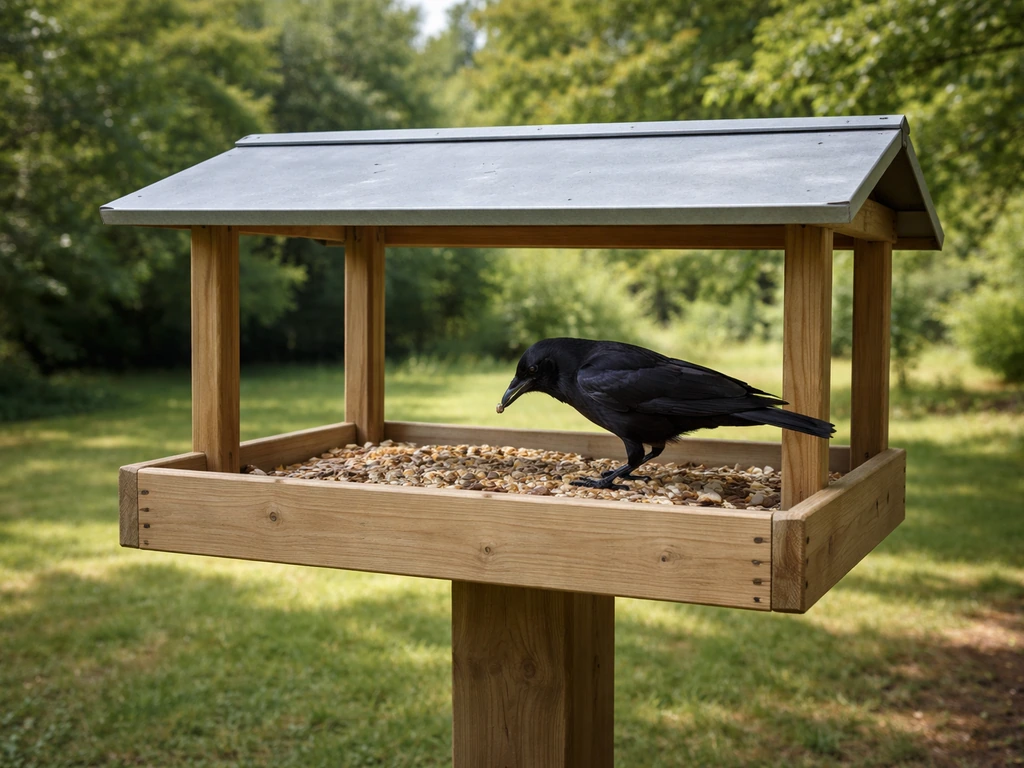
A 'nest bird feeder' usually means one of two things: a feeder set up during spring and summer to attract breeding and nest-building birds, or a feeder stocked with the right foods to help parent birds feed their nestlings. Either way, the feeder types that work best are hoppers, tube feeders, platform feeders, suet cages, and hummingbird feeders, depending on which species you want to attract. There is no single magic 'nesting feeder' sold under that name, but picking the right style and food for your target birds makes a real difference during breeding season.
Best Nest Bird Feeder Guide for Nesting Season Birds
Marcus Hendricks
27 May 2026
What 'nest bird feeder' usually means (and which feeder types fit)
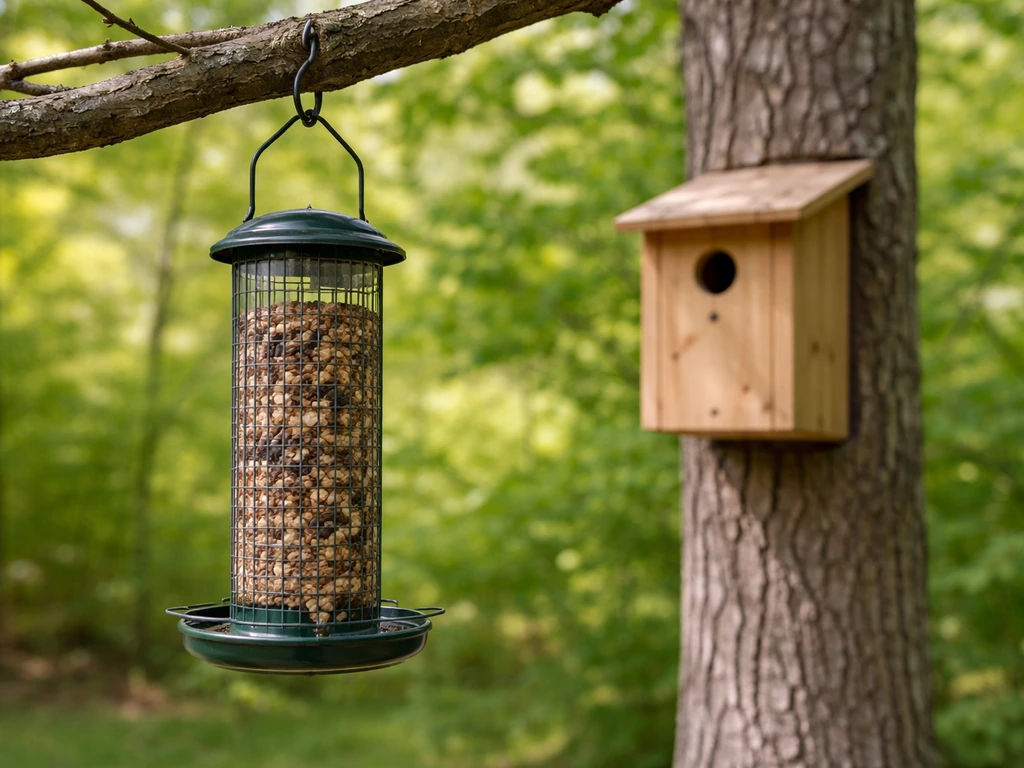
When people search for a nest bird feeder, they generally fall into one of two camps. The first group wants to attract breeding-season birds, cardinals, finches, chickadees, and others that are actively nesting and need reliable food sources close to their territory. The second group wants to support nestlings indirectly by feeding the parent birds so those adults can bring high-energy food back to the nest. In both cases, the goal is a feeder stocked with the right food, placed safely near nesting habitat.
What you are NOT looking for is a nest box, which is a different product entirely. Nest boxes give birds a place to nest inside a structure. Feeders give birds food. The two serve different purposes, and confusing them leads to a lot of frustration. If you want to support nesting birds with food, which is what most people actually mean, then you want a conventional feeder matched to your target species.
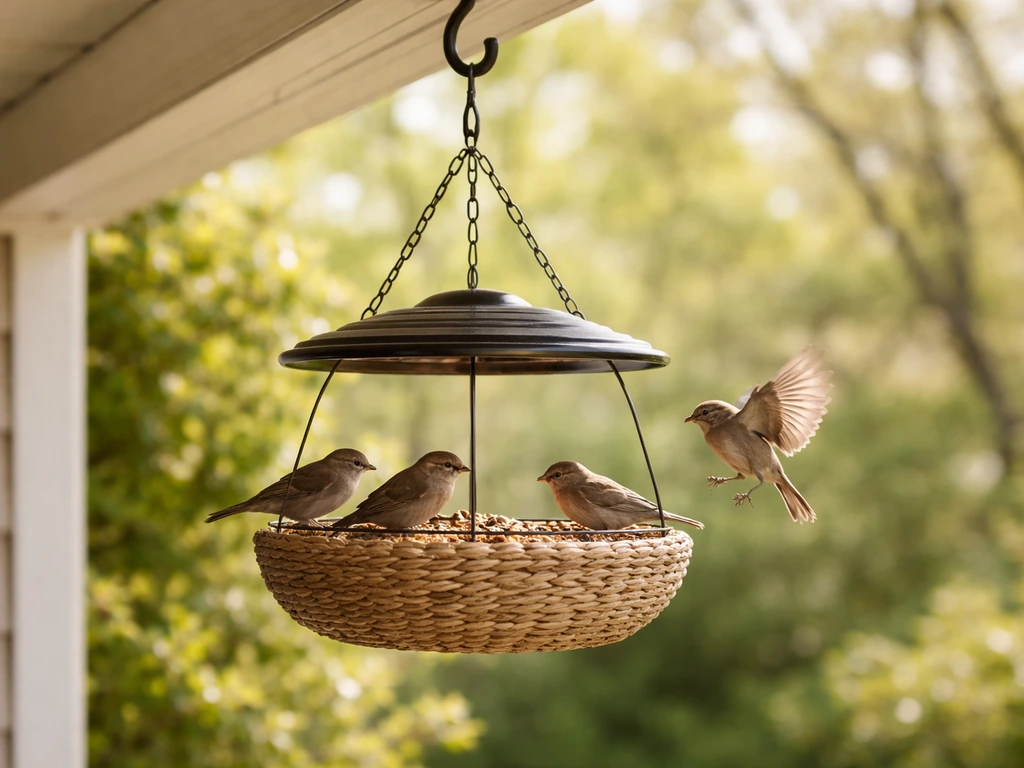
The feeder types that cover most nesting-season needs are: hopper feeders (great all-around, attract the widest variety), tube feeders (ideal for finches and smaller birds), platform feeders (open access for larger birds like doves, jays, and cardinals), suet cages (essential for woodpeckers and insect-eating species during breeding season when protein demand is high), and hummingbird feeders (nectar feeders for hummingbirds, which begin arriving in spring). Window-mounted and pole-mounted versions of these types also work well depending on your yard setup.
How to choose the best feeder for your yard and target birds
Start with two questions: which birds visit your yard already, and how much space and infrastructure do you have? If you have a deck or porch, a window feeder or pole-mounted setup gives you close-up views and better control over placement. If you have an open yard with trees and shrubs nearby, you have more flexibility. Your target species should drive everything else, feeder size, port style, seed type, and height.
For a single all-purpose nesting-season feeder, a large hopper feeder on a pole with a squirrel baffle is the most practical starting point. Hopper feeders attract the widest range of species, hold enough seed to reduce daily refills, and can be paired with safflower or black oil sunflower seed that suits most common backyard birds. If you want to target specific species, add a tube feeder for finches or a suet cage for woodpeckers as a second station.
Budget matters too. A well-built metal or heavy-duty polycarbonate feeder costs more upfront but outlasts cheap plastic models that crack in UV exposure or warp after a season. If you are starting out and want to test your yard before investing, a basic tube feeder or platform feeder under $25 is a perfectly reasonable way to figure out which birds are actually showing up before you spend more.
| Feeder Type | Best For | Capacity | Pest Resistance | Ease of Cleaning |
|---|---|---|---|---|
| Hopper | Wide variety of species, all-purpose use | High (1–5 lbs seed) | Moderate (baffle needed) | Moderate |
| Tube | Finches, chickadees, small songbirds | Low–Medium (up to 2 lbs) | High (ports too small for large birds) | Easy |
| Platform/Tray | Cardinals, doves, jays, sparrows | Variable | Low (fully open) | Easy but needs frequent cleaning |
| Suet Cage | Woodpeckers, nuthatches, insect eaters | N/A (suet cake) | Moderate | Very easy |
| Hummingbird | Hummingbirds (spring–fall) | Small (4–32 oz nectar) | High (not attractive to most pests) | Requires frequent cleaning |
| Window-mounted | Any species, close-up viewing | Low | Moderate | Very easy |
Bird-by-bird matchup guide
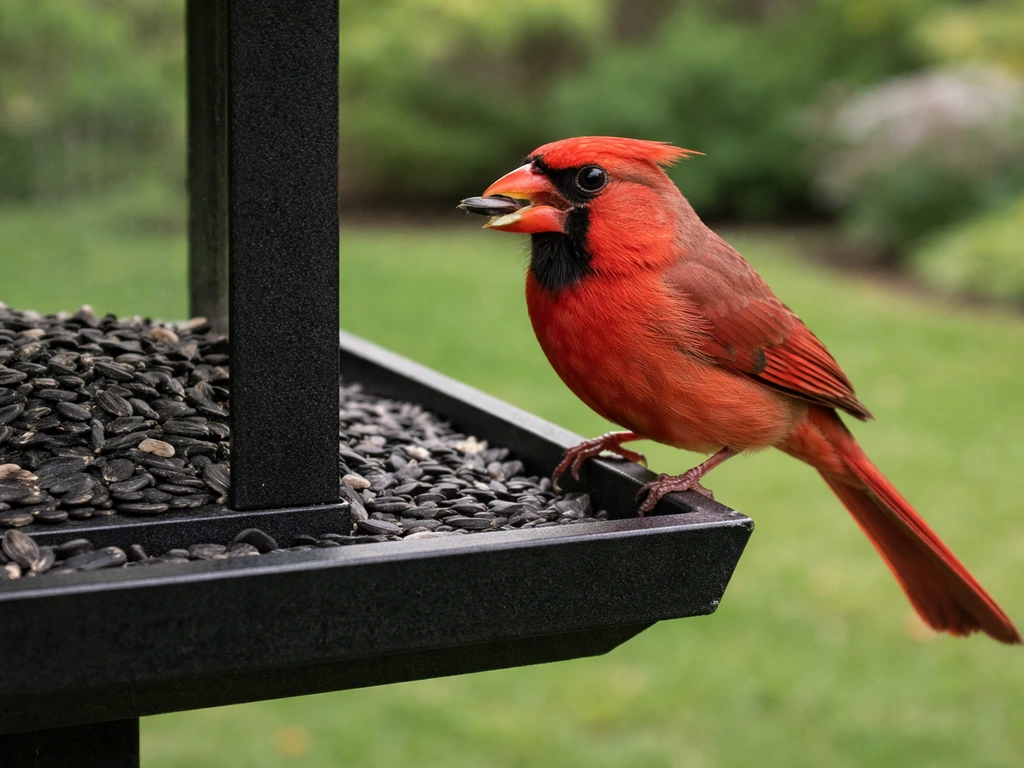
Different birds have very different feeding preferences, and matching the feeder style and food to your target species is the single fastest way to improve results during nesting season. Here is a practical rundown of the most common backyard birds and what actually works for each.
| Bird | Best Feeder Style | Best Food | Notes |
|---|---|---|---|
| Northern Cardinal | Hopper or platform | Black oil sunflower, safflower | Prefers perching on solid ledge; pairs visit together in breeding season |
| House/Purple Finch | Tube feeder | Nyjer (thistle), black oil sunflower | Small ports keep larger birds away; active nesters spring–summer |
| American Goldfinch | Nyjer tube feeder | Nyjer seed | Breeding plumage peaks in spring; love finch-specific feeders |
| Black-capped Chickadee | Tube or hopper | Black oil sunflower, suet | Quick grab-and-go feeders; nest nearby if habitat allows |
| Downy/Hairy Woodpecker | Suet cage, clinging tube feeder | Suet, peanut pieces | High protein need during nesting; use tail-prop suet feeder for Hairy |
| Baltimore Oriole | Oriole feeder (nectar/jelly tray) | Grape jelly, orange halves, nectar | Arrive in May; dedicated oriole feeder with jelly dish is most effective |
| Eastern Bluebird | Platform or mealworm dish | Live or dried mealworms | Don't use a tube feeder; bluebirds strongly prefer open trays |
| Mourning Dove | Platform or ground tray | Millet, cracked corn, sunflower | Ground feeders or low platforms work best; avoid elevated tube feeders |
| Blue Jay | Hopper or platform | Peanuts in shell, sunflower, corn | Dominant at feeders; platform size matters for their wingspan |
| Ruby-throated Hummingbird | Nectar feeder | 1:4 sugar-to-water solution | Arrive spring; replace nectar every 2–5 days, daily in heat |
One important note for nestling support: parent birds feeding chicks need high-protein food. Suet, mealworms, and peanuts are far more valuable during nesting season than plain seed. Avoid bread, crackers, or cereal, these foods fill birds up quickly but provide almost no nutritional value, which is a real problem when parents are trying to raise fast-growing chicks.
Placement, spacing, and seasonal setup for nesting season
Where you put your feeder matters as much as what's in it. The general rule is to place feeders either very close to windows (within 3 feet) or far away (more than 10 feet). Feeders within 3 feet of a window are actually safer because birds approaching at low speed from that distance don't build up enough momentum to injure themselves if they do strike the glass. Feeders placed 5 to 10 feet away sit in the danger zone where birds gain speed but don't have time to correct course.
During nesting season specifically, placement near natural cover is critical. Birds should be able to retreat quickly from predators between feeding trips. Place feeders within 10 to 15 feet of shrubs, native plants, or trees so smaller birds have somewhere to duck into if a hawk shows up. Completely exposed feeders in the middle of open lawns get visited far less during breeding season because birds are more cautious when they have chicks nearby.
If you run multiple feeders, space them at least 5 to 10 feet apart so dominant species (jays, grackles, doves) at one feeder don't block smaller birds from accessing another. A dedicated nyjer tube feeder hung separately from your main hopper gives finches a private dining spot. Position suet feeders on a tree or post away from seed feeders to keep woodpeckers from being displaced by the crowd.
Spring is when you want to have everything in place before the birds arrive. In most of the US, that means setting up feeders by late March or early April. Oriole and hummingbird feeders should go up a week or two before your expected first-arrival date based on your region. In winter, maintaining feeders gives the same birds that will nest near your yard in spring a reason to stay in your territory, so year-round feeding does pay off in breeding-season activity.
Pest-proofing and safety: squirrels, rats, raccoons, and disease
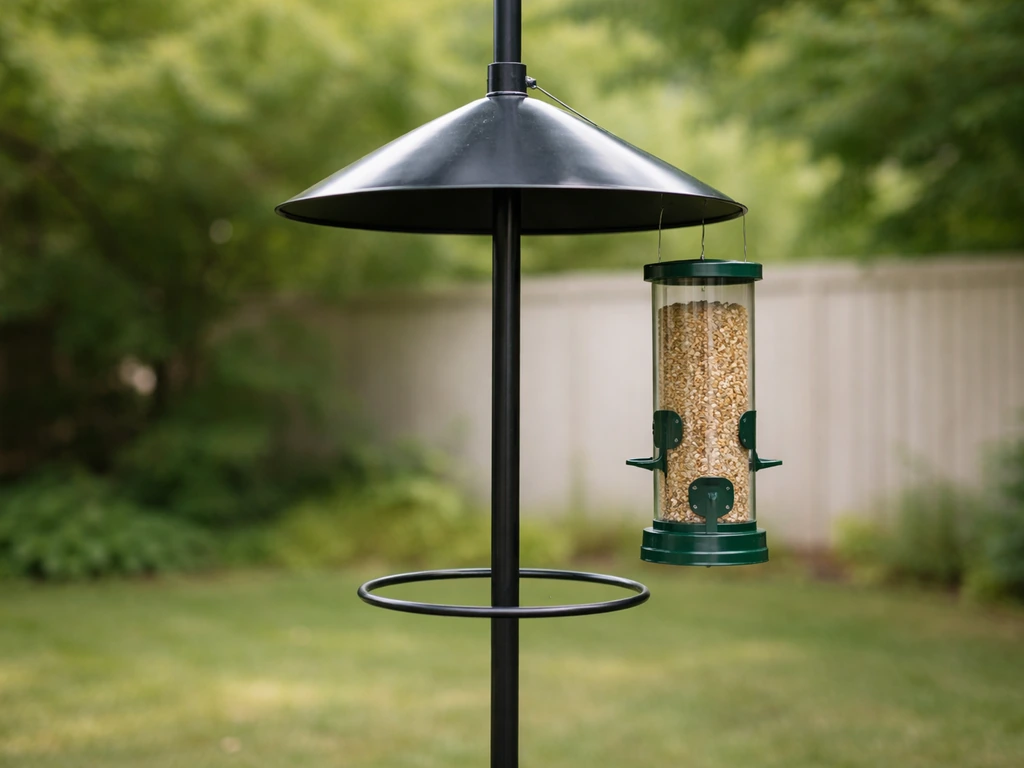
Squirrels are the most common feeder problem during nesting season, when they are also actively foraging to support their own young. The most effective approach combines a pole-mounted feeder with a quality baffle, a dome or cylinder that blocks climbing access. A 16-inch baffle mounted on a smooth metal pole and positioned at least 5 feet off the ground stops most squirrels. There is no truly foolproof method, but this setup comes closest. Some birders also offer cracked corn in a separate spot away from bird feeders to give squirrels an easier target and reduce pressure on the main feeder.
If squirrels or other animals completely take over a feeder, sometimes the best move is to take the feeder down for a week or two until the animals move on to other food sources. It sounds drastic, but a feeder that is constantly overrun by squirrels or raccoons discourages birds from returning at all.
Rats are attracted by seed that falls to the ground, not usually by the feeder itself. Tray feeders with mesh bottoms that let rain drain through reduce wet, rotting seed accumulation. Cleaning up spilled seed under feeders regularly is the single most effective rat deterrent. If rats are a persistent problem in your yard, a no-mess seed blend (hulled sunflower hearts or shelled peanuts) produces far less ground debris. Caged feeders, feeders surrounded by a wire cage that only lets small birds through, also prevent large pest birds and some mammals from accessing seed.
Disease is a real risk during warm nesting season. Damp seed molds fast, and birds crowding around a contaminated feeder can spread illnesses like salmonella quickly through a local population. If you find sick or dead birds near your feeders, take the feeder down immediately, clean and disinfect it outdoors (not in your kitchen), and wait two weeks before putting it back up. The CDC's guidance for salmonella outbreaks linked to wild songbirds specifically recommends this two-week removal period.
One safety note that doesn't get enough attention: never put string, yarn, or loose twine near your feeders or nesting areas as nesting material, even with good intentions. These materials can wrap around birds' legs or necks and cut off circulation, which is often fatal. The U.S. Fish & Wildlife Service specifically warns against this practice.
Weatherproofing, capacity, and durability: what to look for
Nesting season runs through some of the year's most variable weather, spring storms, heavy rain, and summer heat all take a toll on feeders. The features that matter most for durability are material, roof design, drainage, and UV resistance.
- Material: Metal (powder-coated steel or aluminum) outlasts plastic in both UV exposure and squirrel chewing. Polycarbonate is a decent middle ground—tougher than standard acrylic but lighter than metal. Avoid feeders with cheap acrylic tubes that yellow and crack after one season.
- Roof design: A wide, overhanging roof on a hopper feeder keeps seed dry in rain. Look for at least a 2-inch overhang on all sides. Peaked roofs shed water better than flat ones.
- Drainage: Platform and tray feeders need drainage holes or mesh bottoms. Without them, seed sits in standing water after rain and molds within hours during summer.
- Capacity: For nesting season when feeding activity peaks, a larger capacity (3–5 lbs for hoppers) reduces how often you need to refill. But don't overstock—seed sitting in a feeder for more than a week in warm, humid conditions goes stale or moldy.
- UV resistance: Dark or opaque seed reservoirs protect nyjer and sunflower seeds from heat degradation better than clear tubes, which also make uneaten seed visible (a mixed blessing).
- Smart features: Camera-equipped feeders and solar-powered models are increasingly popular. Camera feeders let you identify which species are visiting without disturbing them, which is genuinely useful for matching food and feeder style. Solar models work well for feeder cameras or heated birdbaths but aren't necessary for basic seed feeders.
Feeding routines: cleaning, seed selection, and troubleshooting
How often to clean and how to do it right
Cornell Lab's Project FeederWatch recommends cleaning seed feeders at least once every two weeks, and more often during warm or damp conditions. In practice, during peak summer nesting season I clean mine weekly because heat accelerates mold growth and sick birds spread disease fast. The cleaning method matters: scrub with a brush and soapy water, then soak in a diluted bleach solution (one part bleach to nine parts water) or a 50-50 vinegar-and-water solution for at least 15 minutes, rinse thoroughly, and let the feeder dry completely before refilling. Never skip the drying step, refilling a wet feeder defeats the purpose.
Hummingbird and nectar feeders need more frequent attention. Replace nectar every two to five days, and every day or every other day in hot weather. Clean the feeder every time you refill it, not every other time, every time. Cloudy nectar or black mold inside the feeder means you are already behind schedule. Use only plain white table sugar and water (1:4 ratio). Honey promotes bacterial and fungal growth when diluted with water, and artificial sweeteners provide no energy for the birds.
Seed selection by season and species
Black oil sunflower seed is the best all-purpose choice for most seed-eating nesting birds, it has a thin shell and high fat content that suits cardinals, chickadees, finches, nuthatches, and more. Nyjer (thistle) is essential if you want goldfinches or house finches. Safflower is a smart choice if squirrels are a problem, since most squirrels don't like it but cardinals do. Mealworms (live or dried) are the go-to for bluebirds and robins during nesting season. Avoid no-nutrient fillers like milo or red millet in mixed seed blends, birds sort through and dump them onto the ground, creating mess and waste.
Common troubleshooting issues
- Birds not visiting: Check seed freshness first (stale or wet seed smells off and birds avoid it), then check feeder placement relative to cover. New feeders often take 1–2 weeks to get discovered.
- Seed clumping or clogging in tube feeders: Usually caused by moisture. Check for cracked tubes that let rain in, and switch to a feeder with a drainage vent at the base.
- Mold in hopper feeder: Increase cleaning frequency, reduce fill amount so seed is used faster, and add drainage holes to the seed tray if the design allows.
- Dominant birds blocking smaller species: Add a separate smaller feeder with ports sized for finches only, placed away from the main feeder.
- Feeder emptying overnight: Raccoons or squirrels. Install a baffle, or bring the feeder in at night if the problem is severe.
- Dead or sick birds near feeder: Remove the feeder immediately, clean and disinfect outdoors, and wait two weeks before reinstalling.
DIY and alternatives to commercial nesting feeders
If budget or space is a constraint, you do not need to buy a specialized commercial feeder to support nesting-season birds. A simple platform tray made from a scrap piece of cedar board with a few drainage holes drilled in it and hung from a branch works well for cardinals, doves, and jays. A PVC pipe tube feeder with wooden perch dowels is a proven DIY build for finches that costs a few dollars in materials.
For squirrel baffles, Project FeederWatch notes that backyard birders have successfully used old vinyl LP records, plastic salad bowls, and cut two-liter soda bottles threaded onto a pole as low-cost squirrel deterrents, and some of them actually work pretty well. The key is a smooth, curved surface that squirrels can't grip, positioned below the feeder on the pole.
A shallow ceramic dish or repurposed plant saucer filled with water also serves as an informal birdbath and drinking station that actively draws nesting birds to your yard without any feeder required. During nesting season, water can be as attractive as food, especially in dry summers when natural water sources are scarce.
If your main concern is pest intrusion rather than budget, it's worth knowing that caged feeders are one of the most effective commercial solutions, they use a wire cage around the seed reservoir that only lets small birds through, blocking squirrels, large pest birds, and in some configurations, rats. If large nuisance birds like crows are your specific problem, there are feeder designs built specifically around that issue, just as there are feeders engineered to exclude pigeons and rats. You can also choose pigeon-deterring features to help keep larger birds like pigeons from taking over your feeding area exclude pigeons. To really keep crows away, look for the best crow proof bird feeders with squirrel baffles and secure ports designed to limit access. If you are trying to attract or manage crows, the best bird feeder for crows is one designed to hold up to their strength while still dispensing the foods they prefer. Different pest problems genuinely call for different feeder designs, and the right tool for the job matters. If crows are the main problem at your feeder, choosing the best anti crow bird feeder design for your yard can help protect the seed and keep the birds you want coming back.
The bottom line for nesting season: pick a feeder that matches your target birds, stock it with high-quality seed or the right food type, place it near cover, keep it clean, and protect it from the pests most common in your yard. That combination will do far more for your backyard nesting birds than any single 'best' product ever could.
FAQ
Do I need a special “nestling” feeder, or is it just about the food?
Not necessarily. During nesting season, use “nestling-support” foods (suet, mealworms, peanuts) for parent birds bringing high-protein items back to chicks, and keep plain seed mostly for adult maintenance. If you want maximum chick survival, prioritize protein-rich options plus a feeder that large birds cannot dominate at the same station.
Can I use any bird seed for a nest bird feeder, or do I need specific seed blends?
Yes, and it matters how you add it. Offer only the foods you’re matching to your target birds, and remove any wet, fermenting, or spoiled seed quickly. If you must use mixed seed, choose blends that are shell-light and nutrient-dense (for example black oil sunflower as the base), because birds will discard low-value fillers onto the ground.
What if birds keep hitting my windows near the feeder?
If you have frequent strikes or broken glass issues, start by moving the feeder to within 3 feet of the window or beyond 10 feet, and add a visual deterrent to the window (such as decals on the glass). Keep placement consistent for a week so birds learn the new routine, then reassess if you still see bird injuries.
How close should the feeder be to shrubs or trees for nesting season safety?
Put it near cover, but avoid tight entanglement zones. Aim for 10 to 15 feet from shrubs or native plants so birds can retreat, and do not place feeders where birds must fly through dense branches at close range to get to the perch.
Does feeder placement affect nest safety if I have pets or lots of foot traffic?
To reduce nest abandonment risk from constant human or pet activity, choose a spot with predictable quiet access. Place feeders where you can maintain them without hovering, and keep cats indoors or use an outdoor cat enclosure, because predation risk spikes dramatically when parents are feeding nearby.
I’m getting a lot of seed waste under the feeder, will that reduce nesting success?
Yes. When feeding near nesting birds, the main “mess” isn’t just ground waste, it is disease spread and attraction for pests. Use a tray design that catches drips and spilled seed, clean more often in warm weather, and consider no-mess options (hulled sunflower hearts or shelled peanuts) if rats are showing up.
Can I offer kitchen scraps to help nesting birds?
It can. Bread, crackers, and cereal may fill adults temporarily, but they do not provide the protein and energy balance needed for growing chicks. If you want a buffer food for adults, use appropriate nutrient options like suet, mealworms, or peanuts rather than human snacks.
How should I maintain a hummingbird feeder during nesting season when it’s hot?
For hummingbird feeders, do not top off with old nectar. Empty and refill on schedule so any cloudy nectar does not build up mold, and clean the ports and interior every refill, not just when the bottle looks dirty.
My dominant birds are chasing others away, what’s the best fix?
Sometimes. If aggressive birds are excluding smaller nesters, add a separate feeding station instead of trying to change everything at once. Use species-matched feeder sizes, add spacing between stations (5 to 10 feet), and consider squirrel baffles so you do not lose the feeder to pests that also create crowding and stress.
If I notice sick birds near the feeder, what should I do immediately and when can I restart feeding?
Yes, especially for disease control. If you see sick or dead birds, take the feeder down, disinfect outdoors, and wait the full two-week recovery window before returning it. Also clean the surrounding area where debris and droppings accumulated, not just the feeder itself.
When is the best time to put up a nest bird feeder so birds actually use it?
It’s usually better to set feeders before peak arrivals so adults establish feeding routes, then keep them steady through the nesting window. A good practical approach is late March to early April for seed feeders, and one to two weeks before first expected hummingbird or oriole arrivals in your region.
Why does my squirrel baffle not work even though it’s the right product?
If squirrels are winning, baffles help but placement can make or break the result. Use a smooth pole with a quality baffle mounted low enough to block climbing, and position the feeder so there are no “launch pads” like nearby fence tops, tree branches, or stacked items.
Is it safe to hang string or yarn near the feeder to help birds build nests?
Avoid it. Nesting birds can become entangled, and strings, yarn, and loose twine are especially dangerous even if they are “meant for nests.” Keep all loose fibers away from the feeding and nesting area, and remove any already-there material promptly.
If pests are the main issue, should I switch feeder types or just add a baffle?
Not always, and that’s why “small birds first” designs are useful. If crows, grackles, or pigeons are your main problem, use feeder designs with port restrictions or caging, and ensure the food type matches the birds you want (so pests aren’t rewarded with their preferred diet).
Next Article
Best Bird Feeder for Crows: Top Picks, Food, and Deterrence
Top crow-friendly feeders, best food and placement, plus deterrence tips to limit crow visits and pests.