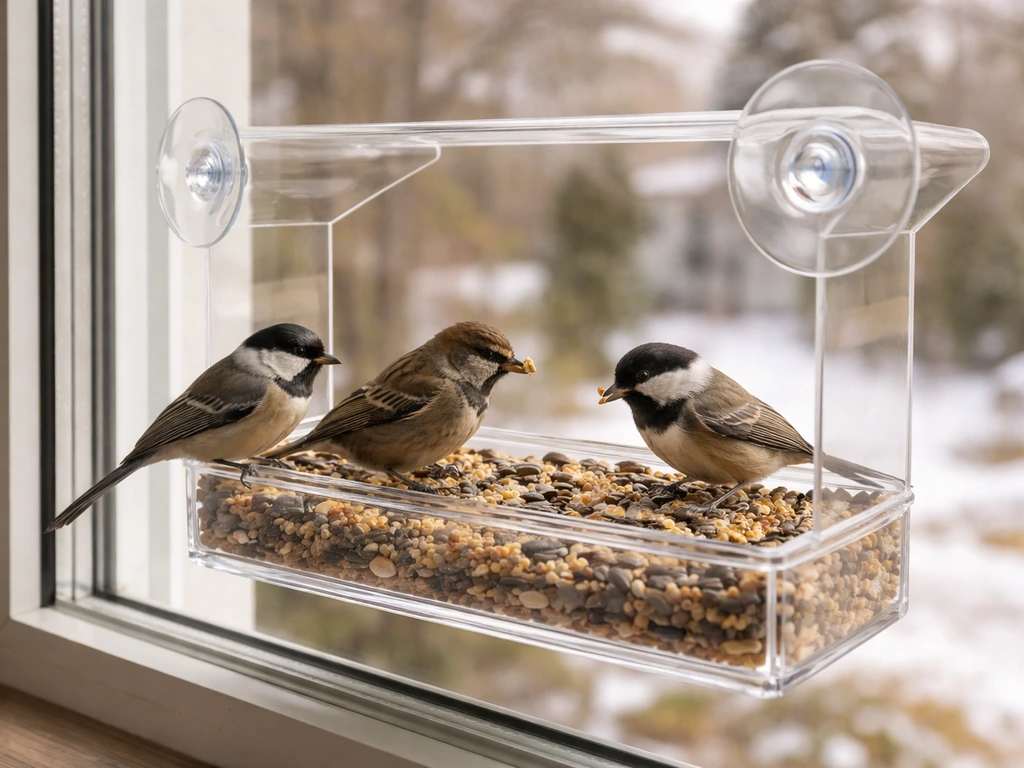
The best window bird feeders for cat households are ones built from shatter-resistant polycarbonate, mounted with heavy-duty triple suction cups, and positioned on a window your cat can't physically reach or press against. Lee Valley’s AG322 window bird feeder uses three strong suction cups, is made from tough, UV-stable polycarbonate, and includes a 3/4-quart hopper with an integral seed catch tray that has small drainage holes AG322 window bird feeder uses “three strong suction cups”. Models like the Lee Valley AG322, the Birds Choice Window Cafe, and the Droll Yankees Observer hit all three of those marks and hold up well even when a curious cat is pressing its nose against the glass from the inside.
Best Window Bird Feeder for Cats: Buying Guide & Tips

Marcus Hendricks
20 May 2026
What a window bird feeder is (and whether it makes sense if you have cats)
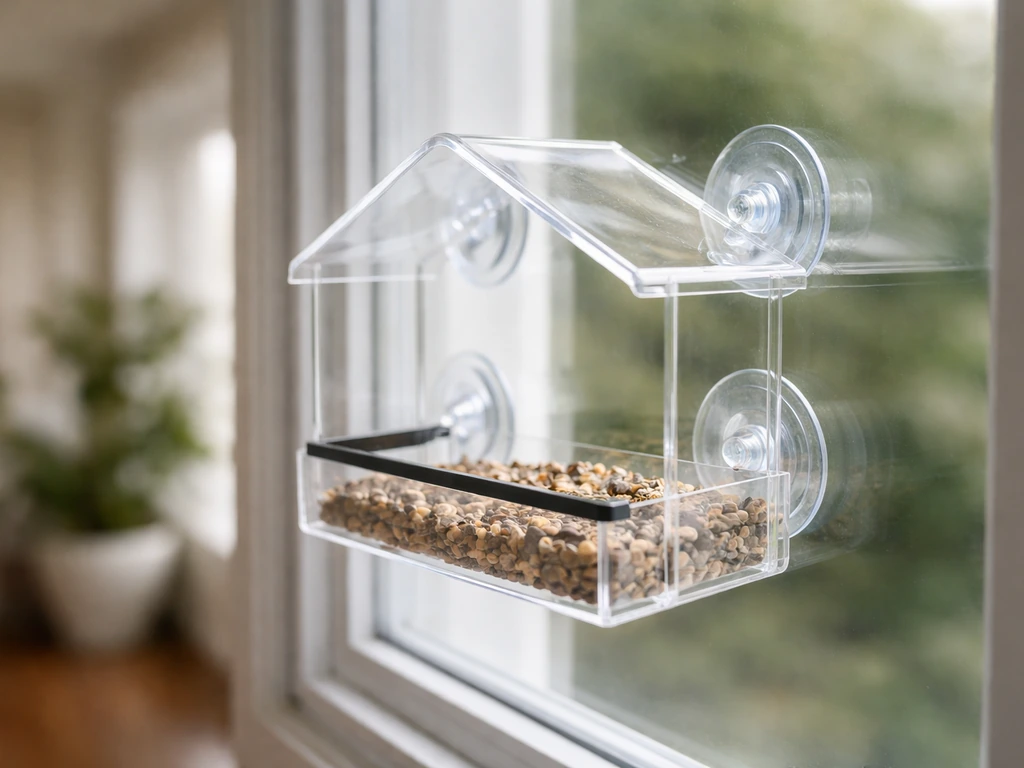
A window bird feeder attaches directly to glass using suction cups, putting birds just inches from your face with no pole, hook, or yard space required. That's the appeal. Seeds go into a small hopper or tray, birds land on a perch or the tray edge, and you watch from a foot away. The best designs include a catch tray with drainage holes to keep wet seed from rotting and to stop spilled seed from building up on your sill.
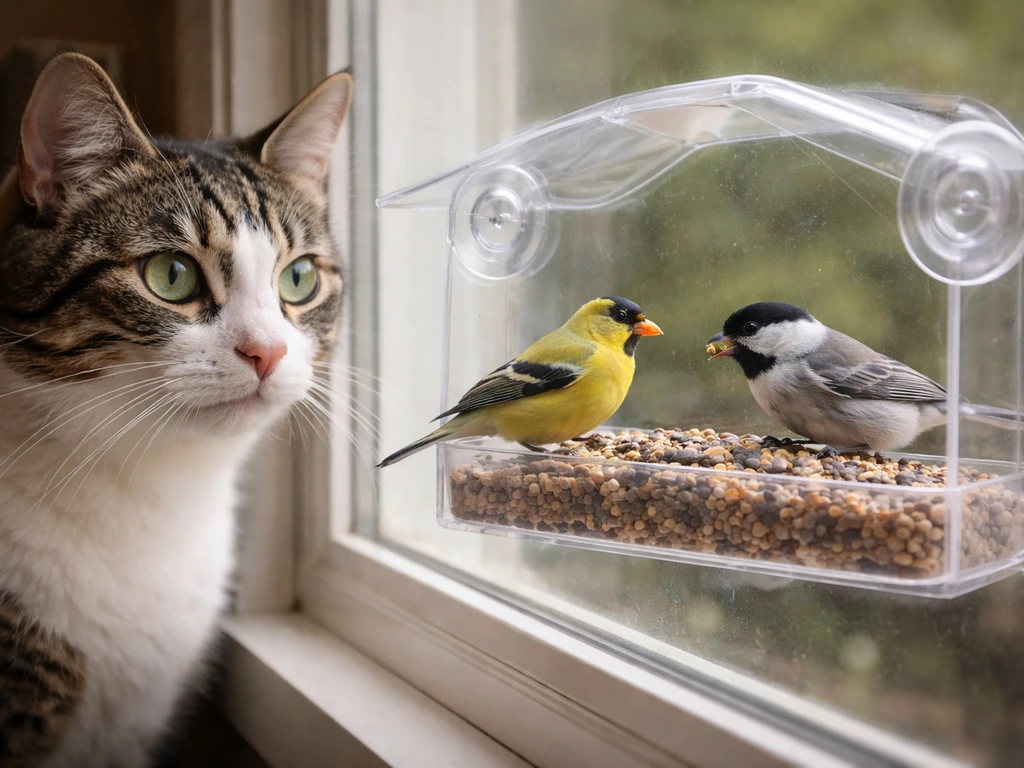
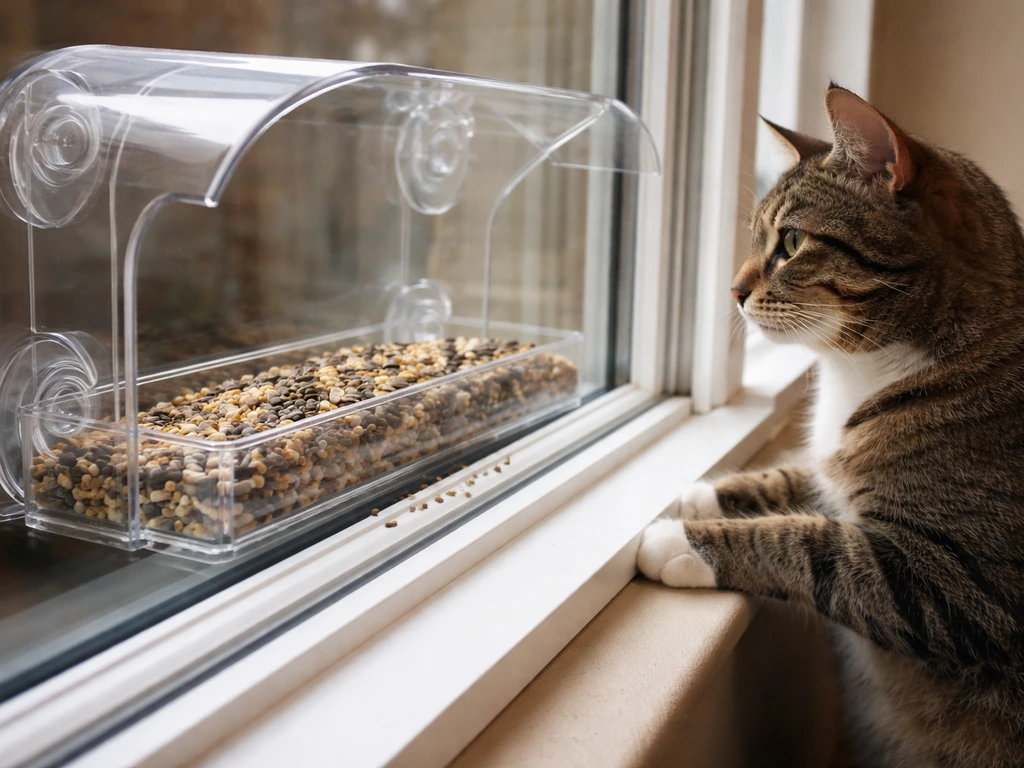
For cat owners, the setup is actually better than most people expect. Your cat watches birds from the inside while the feeder stays on the outside of the glass. The problem only gets real if your cat is on an outdoor ledge or porch where it can physically paw at the unit, or if the feeder is on a sliding door that the cat can push open. If the window is a standard closed double-pane you view from indoors, a window feeder is probably the safest, most entertaining option you have since it gives your cat a bird TV subscription and keeps actual contact impossible.
Where things get tricky is glass strikes. Birds flying away from a window feeder sometimes don't realize the glass extends beyond the feeder itself and fly straight into it. That risk is real and worth addressing directly in how you position the feeder and treat the glass. More on that in the safety section below.
Top picks: the best window bird feeders for cat households
These three models stand out specifically in cat-involved setups because of their build quality, mounting strength, and ease of cleaning. All use suction cup mounting, which is the standard for window feeders, but the quality of those cups and the frame material varies a lot.
| Model | Material | Mounting | Seed Capacity | Cat-Relevant Strengths | Best For |
|---|---|---|---|---|---|
| Lee Valley AG322 | UV-stable polycarbonate | 3 heavy-duty suction cups | 0.75 quarts (3/4 qt) | Shatter-resistant body, drainage catch tray, clear view for indoor cats | All-around pick for cat households |
| Birds Choice Window Cafe | Acrylic/polycarbonate | Triple suction cup assembly | 0.75 quarts | Wide tray fits multiple birds, sturdy triple-cup lock, easy tray removal | Households with active window watchers (cats and humans) |
| Droll Yankees Observer (OWF) | Clear acrylic | 2-3 suction cups | Approx. 0.75 quarts | Oil-assist suction tip for stronger grip, compact for small windows | Apartments or narrow windows |
| Nature Anywhere Window Feeder | Polycarbonate | 100% silicone suction cups | Varies by model | Silicone cups rated for indefinite hold on clean glass, weather-resistant | High-humidity or winter climates |
Lee Valley AG322: the most cat-proof all-rounder
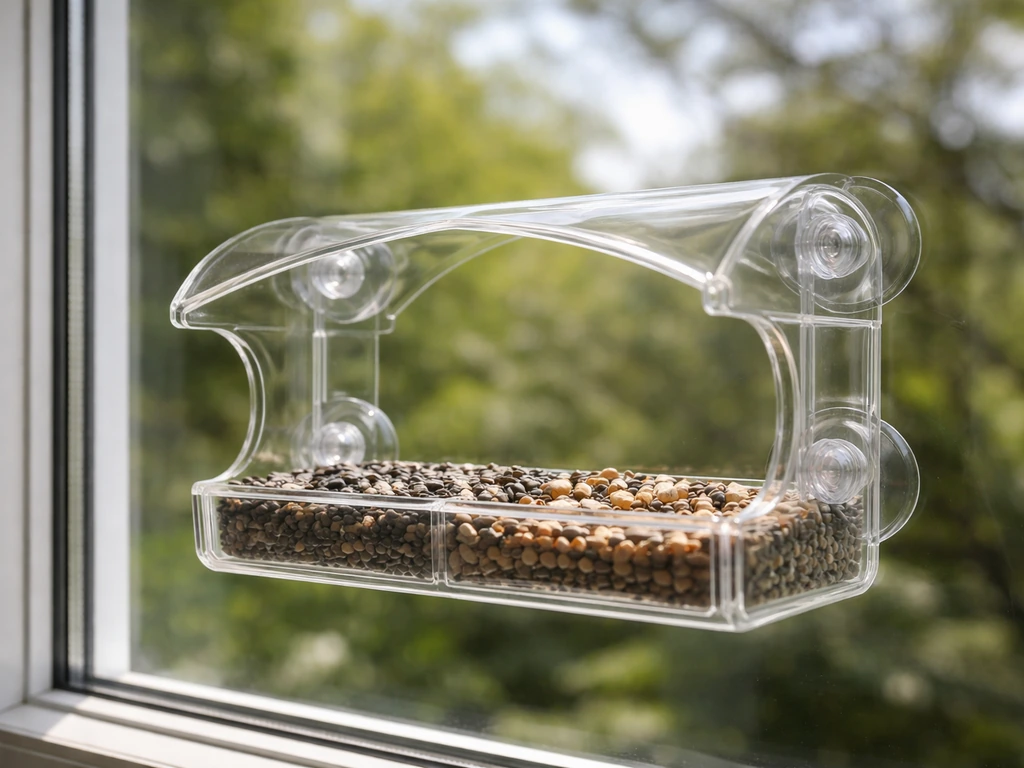
This is the one I'd hand to someone who said 'my cat headbutts the window every time a bird shows up.' The polycarbonate body won't shatter if a startled bird hits it hard or if the feeder takes a knock. The seed catch tray has small drainage holes so spilled seed doesn't pool into a soggy mess that attracts rodents (and subsequently more cat attention). Three suction cups give it a solid grip on the glass. Capacity is 0.75 quarts, which sounds small but actually means you're refilling every 2 to 4 days depending on bird traffic, so the seed stays fresh.
Birds Choice Window Cafe: best for watching multiple birds at once
The triple suction cup assembly on the Window Cafe is notably beefy. The base tray is wide enough that a few birds can feed at once, which your cat will absolutely appreciate as entertainment. The tray detaches cleanly for rinsing, which matters because wet seed is the number-one thing that draws pests. If you're interested in seeing which feeder works best for attracting specific species like cardinals or finches to your window, this wider tray design gives more birds a reason to land.
Droll Yankees Observer: best for tight or small windows
The Observer is more compact than the other two and fits smaller panes or double-hung windows where real estate is limited. The instruction manual actually recommends applying a small drop of oil to the suction cup before mounting to create a stronger vacuum seal between the cup and glass. That's a small tip that makes a big difference in how long the feeder stays put, especially in temperature extremes that cause glass to expand and contract.
How to choose the right feeder for your specific setup
Glass type matters more than you think
Standard flat double-pane glass is the easiest surface for suction cups. Textured glass, frosted glass, or older wavy single-pane windows create air gaps that make suction cups fail faster. If you have textured glass, look for feeders that use silicone suction cups (like Nature Anywhere's lineup) rather than standard rubber ones, since silicone conforms better to minor surface irregularities. Tempered glass works fine but can be more sensitive to temperature swings that loosen cups in winter.
Factor in where your cat actually sits
If your cat watches from a cat tree or a shelf positioned at the window, you're almost certainly fine. The feeder is outside, the cat is inside, and the only thing the cat can do is fog up the glass. The risk scenario is a screened porch, a cracked window where a cat could get a paw through, or a low window that a cat could jump through to an outdoor ledge. In those cases, position the feeder higher on the pane, away from where your cat would have leverage, or consider a pole-mounted feeder near the window instead.
Match the feeder to the birds you want
Window feeders work best for smaller birds: finches, chickadees, nuthatches, house sparrows, and sometimes titmice. Larger birds like blue jays and cardinals may visit a wide-tray design like the Window Cafe but will often be too heavy or skittish for smaller cup-mounted trays. If you specifically want to attract cardinals, a wider tray with sunflower seeds is your best bet. For finches, a tube-style window feeder with nyjer ports is worth considering. If hummingbirds are your goal, skip seed feeders entirely and look at window-mounted nectar feeders, which are a separate category.
Placement: height, sun exposure, and sight lines
Mount the feeder at eye level for the best view and for easier refilling. Avoid placing it in direct west-facing afternoon sun if you're in a hot climate, since seeds go rancid faster in heat. A north or east-facing window keeps seed fresher and gives you better light for watching birds without glare. If you want one-way glass privacy so birds don't see you (and so your cat can watch without spooking them), there are specific one-way mirror window feeder designs worth exploring separately.
Cat-proofing and safety: keeping birds, cats, and glass safe
Preventing bird-window collisions
Window feeders placed very close to the glass (2 inches or less) actually reduce collision risk rather than increasing it, because birds taking off don't have room to accelerate before hitting the glass. The dangerous zone is feeders set 3 to 30 feet from a window, where birds get full speed before impact. So paradoxically, attaching the feeder directly to the glass is safer than mounting it on a shepherd's hook a few feet away from your window. If strikes are still a problem, apply window collision deterrent tape or decals in a grid pattern (2-inch spacing vertically, 4-inch spacing horizontally) on the outside of the glass around the feeder.
Protecting the feeder from cat damage
Polycarbonate bodies are the key. Standard acrylic (Plexiglas-style) can crack or shatter if a cat manages to swat it hard enough through a screen or open window. Polycarbonate is the same material used in safety glasses and won't crack from a paw hit. If your feeder has acrylic components and you have an outdoor-access cat, reinforce the suction cup anchoring and consider using the oil-on-cup trick mentioned in the Droll Yankees manual to increase grip resistance.
Keeping pests away from the cat's attention
Cats get riled up by squirrels and mice as much as birds. The fastest way to bring rodents to a window feeder is to let spilled seed accumulate on the sill or ground below. Use a feeder with a drainage-hole catch tray, clean it every 3 to 5 days, and sweep below the window weekly. Avoid black oil sunflower shells by using shelled sunflower hearts or no-mess seed mixes. This one swap alone cuts ground mess by about 80% and dramatically reduces the rodent signal that gets cats wound up.
Installation, maintenance, and keeping things going through winter
Installing suction cup feeders correctly
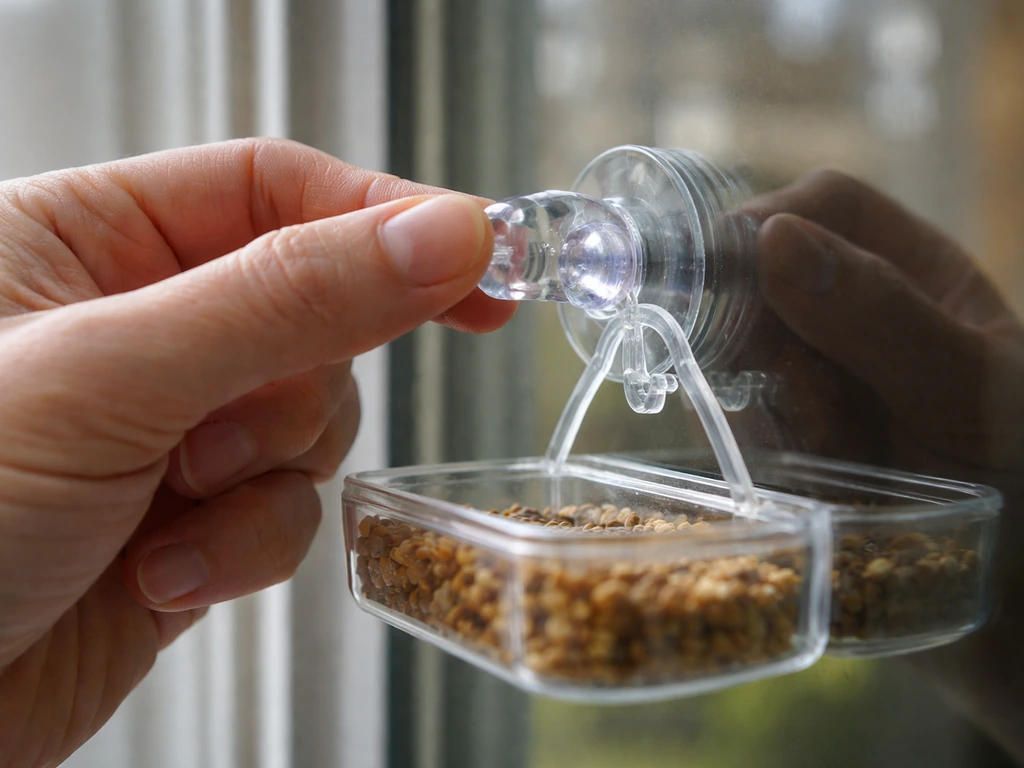
- Clean the glass thoroughly with a streak-free window cleaner and let it dry completely. Even a small film of residue will prevent a good seal.
- Wet the suction cups slightly with water or add a tiny drop of food-grade oil to the rim before pressing.
- Press each cup firmly against the glass and twist slightly to push out any trapped air.
- Attach the feeder to the cups and give it a gentle downward tug to confirm it's locked.
- Wait 30 minutes before adding seed so the suction can fully set before the weight is applied.
Ongoing cleaning and refilling
Rinse the seed tray every 3 to 5 days and do a full scrub with a 10% bleach solution (one part bleach to nine parts water) every two weeks. Let it air dry completely before refilling. Wet, moldy seed is a health risk to birds and the single most common reason birds stop visiting a feeder. If you're using a feeder with a seed hopper, tip it upside down and knock out old seed before each refill rather than just topping off.
Winter performance
Cold weather is the enemy of suction cups. Glass contracts in the cold, which can break the seal overnight and drop your feeder. UV-stable polycarbonate handles temperature swings better than cheap acrylic, but the suction cups are often the weak link. In climates below 20°F, check the cups every few days and reapply as needed. Some birders switch to a bracket-mounted window feeder in winter (one that clips over the window sill or frame rather than relying on suction) for more reliable hold. High-fat seed mixes with suet nuggets or peanut pieces are worth adding in winter since birds need the extra calories. Avoid straight millet or mixed seed in winter as it sits in damp cold and molds faster.
Common problems and how to fix them
Feeder keeps falling off the window
This is the most common complaint with window feeders and almost always comes down to dirty glass or low-quality rubber cups. Reclean the glass, use the oil-on-cup trick, and if it still fails after a week, the cups are probably worn out. Replacement suction cup kits are available for most major brands and are worth keeping on hand. Silicone cups from Nature Anywhere's line hold up longer than standard rubber, especially through seasonal temperature changes.
Birds aren't using the feeder
Give it two weeks before you worry. Birds take time to discover a new food source and are often scared off by their own reflection in window glass. If nothing's visiting after two weeks, try moving the feeder to a different window, switching to a higher-value seed like black oil sunflower hearts, or adding a small brush or perch nearby that birds can stage on before committing to the feeder. Your cat staring intently from 6 inches away on the other side of the glass can also spook birds into avoiding the feeder, particularly for smaller, jumpier species. Try blocking the cat's view temporarily with a sheer curtain to let birds establish the habit.
Cat is physically interfering with the feeder
If your cat has outdoor access to the window ledge and is swatting or hanging off the feeder, move it to a window the cat can't reach from outside. If that's not possible, switch to a bracket-style feeder that clamps over the window frame rather than suction-mounting to the glass, since these have no cup to dislodge and are harder to knock loose. A polycarbonate body will survive casual batting, but repeated hard swats will eventually crack standard acrylic feeders.
Pests and mess
Squirrels can't typically reach a window feeder unless there's a branch, railing, or ledge nearby giving them access. If squirrels are reaching it, trim back any launch points within 5 to 6 feet. For ants trailing to the feeder through the window frame, a thin line of petroleum jelly on the window frame around the suction cups creates an effective barrier. For general mess, the easiest fix is switching to no-mess seed blends with shelled seeds that produce no hulls.
Alternatives when a window feeder still isn't working
If you've tried two or three window feeders and the combination of your glass type, cat access, or window position keeps defeating you, there are nearby alternatives that still give you a close-up bird view without the suction cup headaches.
- Window-box bracket feeders: These clamp over the window sill or frame and hold a small hopper or tray feeder. No suction required, much more stable in winter, and harder for cats to disturb from outside since there's nothing to swat loose.
- Pole-mounted feeders 6 to 8 feet from the window: Place a pole feeder just outside the window you watch from most. Your cat still gets the view, birds still come close, but the feeder is freestanding and immune to suction failure. Adding a squirrel baffle to the pole also removes the pest problem entirely.
- Shepherd's hook with a hanging tray feeder: A hooked pole beside a window works well in cat households because the feeder itself is 5 or 6 feet off the ground and the pole can be placed far enough from the building that your cat can't jump to it from a ledge.
- Deck rail feeders: If you have a deck your cat isn't allowed onto, a rail-mount feeder puts birds very close to a sliding glass door or large window without any window attachment at all.
The window feeder category is broader than it might look at first. Beyond standard suction cup models, there are one-way mirror designs that hide your cat from birds' view, Reddit-vetted community favorites that have built up real user track records, and specific brands like Better Crafter that have carved out a niche in this space.
If you want more real-world advice, browsing threads like the best window bird feeder on Reddit can help you compare what actually works for different cat situations Reddit-vetted community favorites. Each solves slightly different problems, so if the models above don't fit your specific window or cat situation, those are worth exploring as next steps.
If you want even more window options beyond these cat-friendly picks, check out our guide to the best bird feeder window for the same suction-cup setup.
The bottom line: for most cat households with standard double-pane windows, a polycarbonate-body feeder with triple silicone or heavy-duty rubber suction cups, a drainage catch tray, and no-mess shelled seed is enough to solve every problem at once. If you want a quick recommendation, look for a polycarbonate-body window feeder with strong suction cups and a drainage catch tray best window bird feeder. Start there, follow the glass-cleaning and cup-oiling steps on install day, and you'll have birds at your window within a week or two while your cat watches safely from the inside.
FAQ
What’s the best window bird feeder for cats if my window is a little textured or slightly wavy?
Choose a model that uses silicone suction cups instead of standard rubber, because silicone conforms better to minor surface irregularities. Also mount after cleaning both the glass and cup with alcohol, then press and hold for 30 to 60 seconds to help the seal form.
How do I stop my cat from knocking the feeder off even if the feeder is polycarbonate?
Polycarbonate prevents cracking, but it does not prevent dislodging. If your cat can reach the glass, mount the feeder higher than your cat’s comfortable jump height and avoid placing it where paws land. In hard cases, switch to a bracket-style feeder that clamps over the frame instead of suction-mounting.
Is it safer to mount the feeder very close to the window or a few feet away for collision prevention?
For collision reduction, closer is generally safer. Mounting directly to the glass (or as close as practical) limits how much speed birds can build up. If you must place it farther out, use collision deterrent tape or decals on the outside of the glass in a grid pattern around the feeder.
Do window feeders work for cardinals, or will they only attract small birds?
They mostly attract small birds, but cardinals can visit if the feeder has a wider tray and is stable. A wider design with sunflower hearts tends to be more successful than small cup-mounted perches, because cardinals require more footing and may refuse tiny entry points.
How often should I clean a window bird feeder to prevent mold and pests?
Rinse the seed tray every 3 to 5 days, and do a full scrub every two weeks with a diluted bleach solution, then air dry completely before refilling. Don’t just top off the hopper, tipping and knocking out old seed reduces clumps that mold faster.
My suction cups keep failing in winter, what’s the best fix?
In cold weather, suction cups are the first thing to fail because the glass contracts. Check the cups every few days below about 20°F, reapply the recommended oil-on-cup trick, and keep a spare suction cup kit on hand. If failures persist, consider a bracket-mounted feeder for winter.
What seed mix should I use if I’m trying to reduce mess and rodents under the window?
Use shelled sunflower hearts or a no-mess seed blend to minimize hulls and spilled waste. Also prioritize a feeder with a catch tray that drains through drainage holes, then sweep below the window weekly to remove the rodent signal.
Can I use a one-way style window feeder if my cat still sees birds too clearly?
Yes, one-way mirror style designs can reduce birds’ stress by limiting what they can see from inside, which may improve visitation. However, still keep the feeder positioned so your cat cannot physically access it, because the cat risk is about reach and pawing, not about the view alone.
What should I do if birds don’t visit after I install the feeder?
Give it at least two weeks for discovery and habituation. If no birds come, try a different window exposure, upgrade to higher-value seed like sunflower hearts, and reduce your cat’s visibility by temporarily using a sheer curtain so birds feel less threatened.
Are glass strikes only a problem when the feeder is far from the window?
No, strikes can still happen even with window-mounted feeders, because birds don’t always realize the glass plane extends beyond the feeder. The best approach is placing the feeder to maximize the immediate “stop” distance, then adding exterior collision deterrent tape or decals if you notice repeated collisions.
Can I use the same window feeder for hummingbirds?
Not with seed. Hummingbirds require nectar, so a seed hopper window feeder is the wrong category. Switch to a window-mounted nectar feeder if hummingbirds are the goal, and keep the placement consistent so your cat cannot reach it from outside.
How can I tell whether my suction cups are just dirty or actually worn out?
If cleaning the glass and using the oil-on-cup method still results in loosening within a week, the cups are likely degraded. Replace suction cup kits when you see flattening, cracking, or loss of grip, since worn cups fail faster during temperature swings.
Next Article
Best Bird Feeder Window Guide: Mount, Choose, and Attract Birds
Pick the best window bird feeder: mounting, safe ventilation, winter setup, feeding ports, and pest-free troubleshooting