If you want a straight answer based on what Reddit birders actually recommend in 2026: the Kiwibit Beako gets the most consistent praise for ease of setup and solid camera quality, the Birdfy sits in the middle as a capable but subscription-complicated option, and Bird Buddy is the most talked-about feeder on Reddit for all the wrong reasons lately. If you want more opinions like these, browsing the best bird feeder reddit threads is a good related starting point before you decide. All three have real strengths, but each comes with tradeoffs you need to know before spending $100 to $300 on one.
Best Smart Bird Feeder Reddit Picks With Cameras
Marcus Hendricks
3 May 2026
What actually makes a bird feeder 'smart'
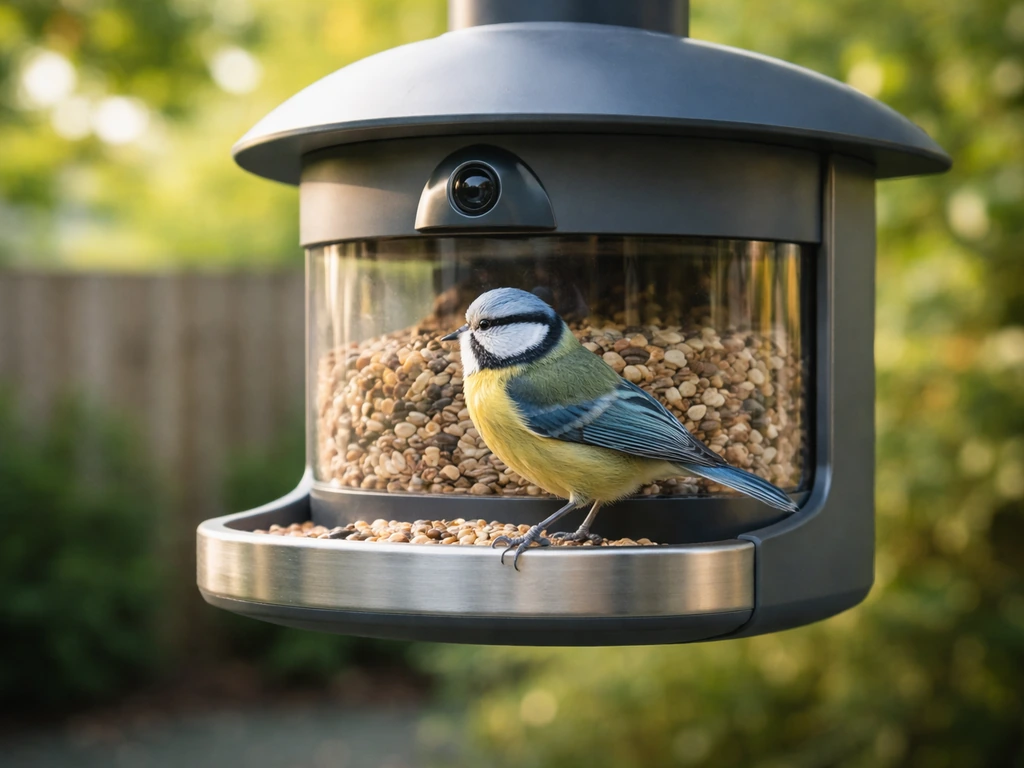
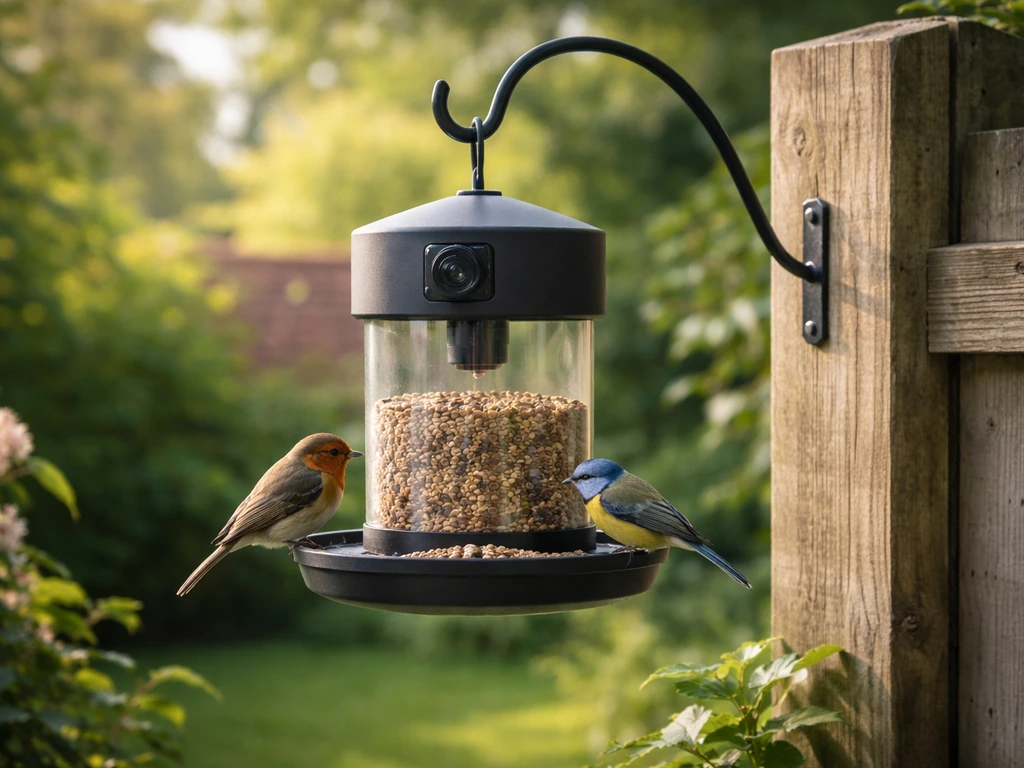
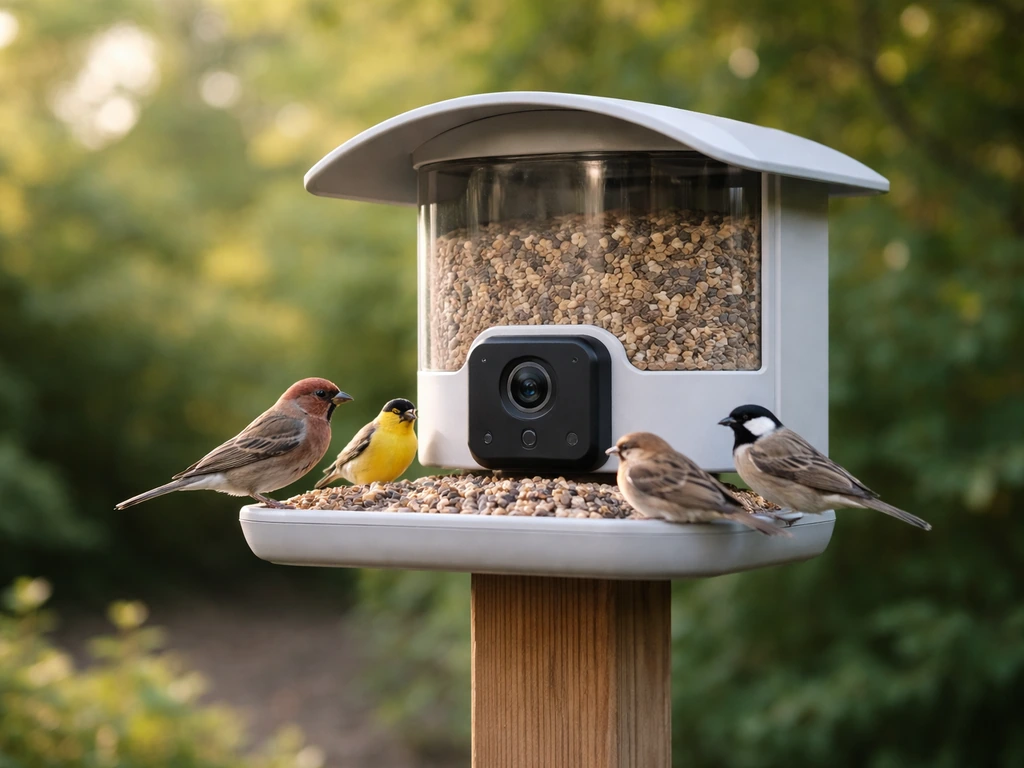
The word 'smart' gets thrown around loosely, so here's what it actually means in practice. A smart bird feeder combines a built-in camera (usually 1080p), motion detection, a companion smartphone app, and some form of Wi-Fi or cellular connectivity. Most also offer AI-powered bird species identification, which is the feature that separates them from a regular feeder with a clip-on trail camera.
The core experience works like this: a bird lands, the camera triggers, a short video or photo is captured, the AI tries to identify the species, and you get a push notification with the result. Good implementations do this with minimal false alerts and fast identification. Weaker ones flood your phone with notifications every time a leaf blows past the lens or the feeder sways in the wind.
Power comes from one of three sources: a rechargeable battery, a solar panel (sometimes sold as an add-on roof attachment), or a wired connection. Most feeders lean on battery plus an optional solar top-up. Wi-Fi is almost always 2.4GHz only, which is worth flagging early because it catches a lot of buyers off guard, especially if your router broadcasts a combined 2.4/5GHz network under one name.
- Camera: typically 1080p, wide-angle, with IR night vision
- Motion detection: triggers recording when something enters the frame
- AI bird ID: identifies species from captured images, usually requires a subscription for full access
- App: where you review clips, manage alerts, and check battery or connectivity status
- Power: battery, solar, or both
- Connectivity: 2.4GHz Wi-Fi (nearly universal); some newer models support Bluetooth pairing for setup
How to choose the right smart feeder for your yard and birds
Before you pick a model, nail down a few things about your specific setup. Your yard environment, target bird species, and distance from your Wi-Fi router will affect which feeder actually works well for you, not just which one has the best marketing photos.
Match the feeder to your target birds
Most smart feeders use a standard hopper or platform design that works well for cardinals, blue jays, finches, and doves. If you're primarily targeting woodpeckers, you'll want a feeder that accommodates suet or has a wider landing area. Orioles and hummingbirds typically need species-specific nectar feeders, and most current smart camera feeders aren't designed for those. If bluebirds are your goal, their preference for mealworms means you'd need a feeder with an open tray design, which fewer smart models offer.
Urban vs. suburban setups
Urban yards tend to have stronger Wi-Fi coverage and more pest pressure (rats, raccoons, aggressive squirrels). Suburban and rural setups often have the opposite problem: more birds, more variety, but weaker Wi-Fi signal at the feeder location. If your feeder will sit more than 30 to 40 feet from your router, test your signal at that spot before buying. A dead spot means constant disconnects, which is one of the top complaints on Reddit regardless of brand.
Subscription costs: know before you buy
Every major smart feeder brand has some form of paid tier. Kiwibit Beako lets you use basic functions for free but puts AI bird recognition behind its 'Kiwibit Plus' plan. Birdfy splits its subscription into separate items covering AI identification and cloud video storage, so you can end up paying for multiple things if you want the full feature set. Bird Buddy has had repeated issues on Reddit with users not realizing their free trial year would convert to a paid subscription, leading to surprise charges and frustrating refund requests. Read what's included in the free tier carefully before you commit to any of these.
Top smart feeder picks and what Reddit actually says
These are the three feeders that come up most in Reddit threads about camera-enabled smart feeders. Each has a distinct reputation based on real user experience, not press releases.
| Feeder | Camera Quality | Setup Ease | Subscription Model | Common Reddit Praise | Common Reddit Criticism |
|---|---|---|---|---|---|
| Kiwibit Beako | Nearly as good as Birdfy | Easiest of the current options | Free basic tier; AI ID requires Kiwibit Plus | Simple setup, clean app, good value | Newer brand, smaller community for troubleshooting |
| Birdfy | 1080p, solid daylight performance | Moderate | Split AI and cloud plans sold separately | Good camera, wide feeder arm options | Multiple subscription items confusing; pole stability affects false alerts |
| Bird Buddy | 1080p, inconsistent capture rate | Complicated; firmware issues reported | Free trial converts to paid; unclear tier language | Strong community; postcard/sharing features | Buggy connectivity, spammy alerts, high total cost with add-ons, freezing issues |
Kiwibit Beako
The Beako is regularly called the 'easiest' camera bird feeder to get running, and that tracks with what users report. Setup is straightforward, the app works without much fuss, and the camera quality holds up well compared to pricier options. The free tier covers basic recording and viewing, which is genuinely useful without paying anything extra. If you want AI species ID, you'll need the Kiwibit Plus subscription. The solar charging option is built in and accessible through the app's device settings. For most backyard birders who want a camera feeder that just works, this is the one I'd tell a friend to start with.
Birdfy
Birdfy offers solid hardware and a camera that performs well in good light. The main friction points are the subscription structure and mounting stability. Users report that a light or flexible pole increases false alerts because the camera view shakes, which the motion detection reads as activity. If you use Birdfy, invest in a stable, heavy-gauge pole rather than the lightest mounting option. Also read the subscription tiers carefully: the AI plan and cloud video storage are sold separately, so the cost adds up faster than it appears at first glance. Birdfy’s cloud video retention is time-based, with videos stored for 30 days before they are automatically cleared unless you buy Moment Video Recording cloud video storage.
Bird Buddy
Bird Buddy has the biggest community of the three, which is both a pro and a con. The community is a great troubleshooting resource, but the fact that you need extensive troubleshooting in the first place is telling. Common complaints include buggy Wi-Fi connectivity (it only works on 2.4GHz and struggles with combined-band networks), firmware updates that get stuck and lock users out of their accounts, alert volumes that overwhelm some users while missing actual bird visits for others, and a component ecosystem where the full experience requires buying the base feeder, solar roof, perch extender, and pole separately. Some users find it worth it. Many don't, and several have recommended switching to alternatives after the frustration of early setup issues.
Camera setup tips and how to troubleshoot common problems
Placement: height, angle, and glare
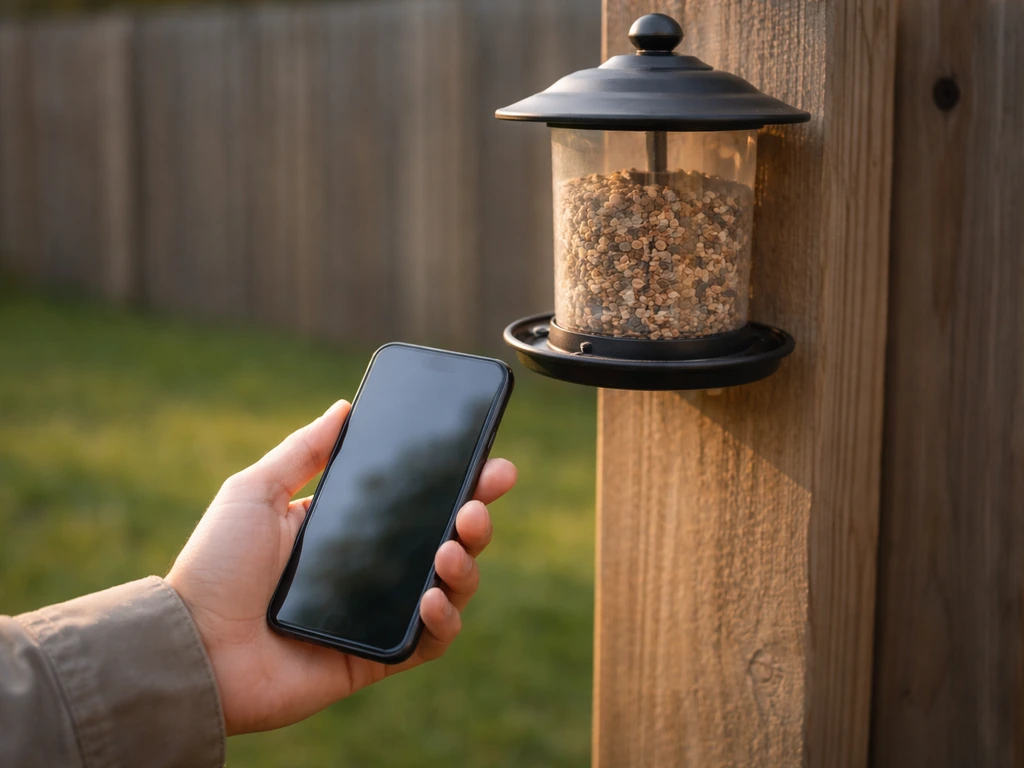
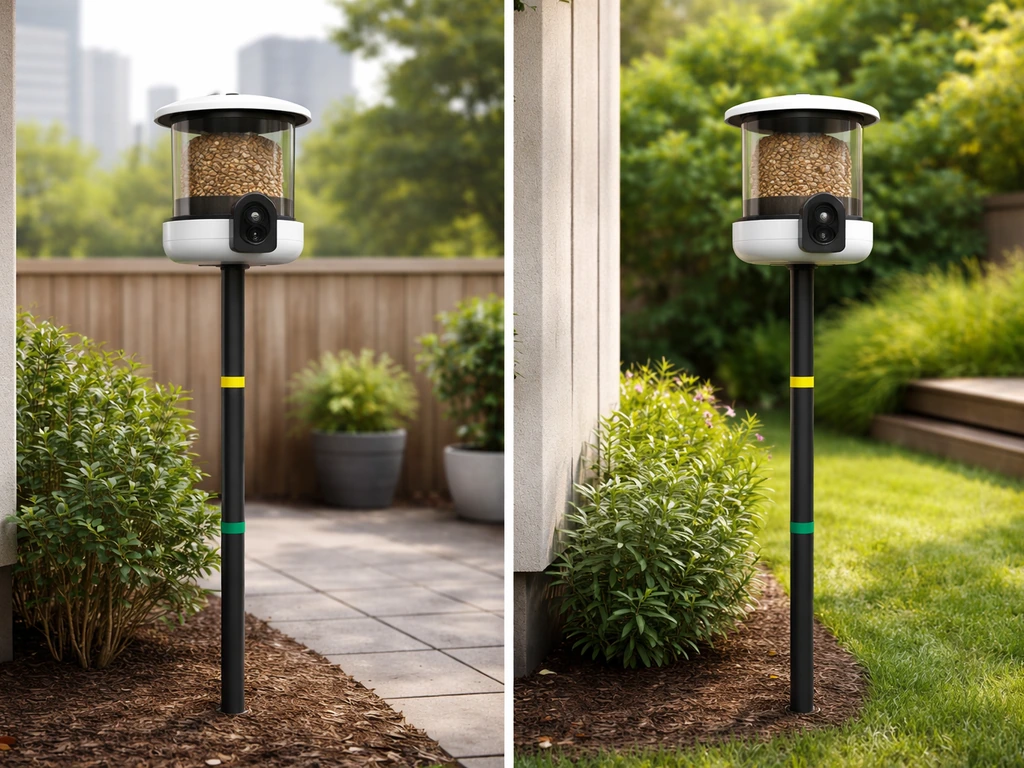
Mount the feeder at eye level with the birds you're targeting, typically 4 to 6 feet off the ground for ground-feeding species like doves, and 5 to 7 feet for perching birds like cardinals and finches. Aim the camera so the landing perch fills the center of the frame rather than pointing straight at the sky, which creates glare during sunny conditions. Avoid pointing the camera east or west if your feeder gets direct morning or afternoon sun, as lens flare will wash out footage during peak bird activity hours.
Wi-Fi dead spots
Before mounting anything permanently, take your phone to the planned feeder location and check your Wi-Fi signal. During setup, Birdfy specifies that your phone must be connected to a 2.4GHz Wi‑Fi network phone connected to a 2.4GHz Wi‑Fi network during setup. If it's weak, a Wi-Fi extender or mesh node placed closer to a window facing the yard will solve most connectivity issues. For Bird Buddy specifically, check that your router's 2.4GHz and 5GHz bands broadcast under different network names. If they share one SSID, the feeder may try to connect to 5GHz and fail repeatedly. Separating the bands in your router settings is usually a five-minute fix.
Reducing false alerts
Wind is the biggest source of false triggers. A feeder that sways in a breeze will generate constant motion events. Use a solid pole mount rather than hanging the feeder from a flexible cord or thin bracket. Some apps let you adjust the sensitivity zone within the camera frame, so you can exclude the background sky or nearby branches that move frequently. Birdfy and Kiwibit both offer this in their apps. If you're still getting too many alerts, narrow the detection zone to just the perch area.
Night and low-light performance
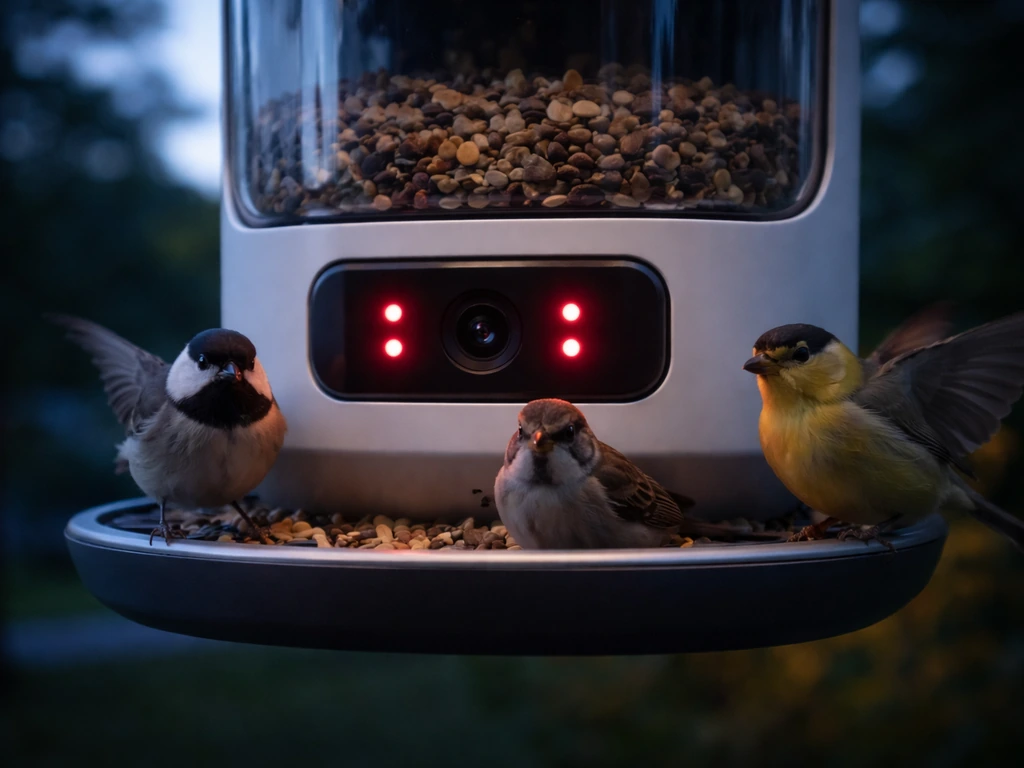
IR night vision on current smart feeders is functional but not impressive. You'll be able to identify that something is at the feeder at night, but species identification from a nighttime clip is often unreliable, and the AI won't always tag nocturnal visitors correctly. This is actually useful for pest detection: several Reddit users have caught raccoons cleaning out their feeders at 4am via motion alerts, which is the system working as intended even if it's not the bird visit you were hoping for.
When the app isn't capturing what you see
If you're watching birds at the feeder but not getting captures in the app, check a few things in order: confirm the feeder is online and connected, check that motion detection is enabled and sensitivity isn't set too low, and verify that your cloud storage or local storage hasn't filled up. Bird Buddy in particular uses AI selection to send only what it judges as the 'best' captures, which means real visits can go unrecorded even when everything appears to be working. If this is happening frequently, adjusting sensitivity upward or switching to continuous recording mode (where available) can help.
Power and weather: what survives winter
Solar charging sounds ideal for a bird feeder, but it comes with real limitations in winter. Shorter daylight hours, snow covering the solar panel, and lower sun angles all reduce charging efficiency significantly. In cold climates, plan on solar being supplemental rather than primary during December through February. Battery-only feeders need more frequent manual charging in winter, often every two to three weeks instead of the summer average of four to six weeks.
Freezing temperatures create a separate set of problems. Bird Buddy users have reported the feeder freezing to its mounting hardware in sub-zero conditions, and pole couplers can fail when the ground freezes and shifts. The electronics themselves are generally rated for cold weather, but condensation from temperature swings can cause connectivity issues. In regions with harsh winters, bringing the feeder indoors during ice storms is worth the hassle.
Rain and humidity are generally handled well by current smart feeders, which use sealed electronics compartments. The camera lens is the weak point: water droplets on the lens degrade footage quality significantly. Positioning the feeder under a roof overhang, a large baffle dome, or a purpose-made weather guard keeps the lens dry and also helps with squirrel deterrence.
| Condition | Recommended Approach |
|---|---|
| Winter cold (below 20°F) | Use battery power with solar supplement; check pole hardware for freeze damage |
| Heavy rain | Position under overhang or dome baffle; check lens for water droplets |
| Wind | Use heavy-gauge stable pole; adjust motion sensitivity zone in app |
| Snow on solar panel | Clear panel manually; keep battery charged as backup |
| Summer heat | Ensure seed doesn't spoil; shade panel slightly if overheating causes connectivity drops |
Squirrels, rats, and what smart features actually do about them
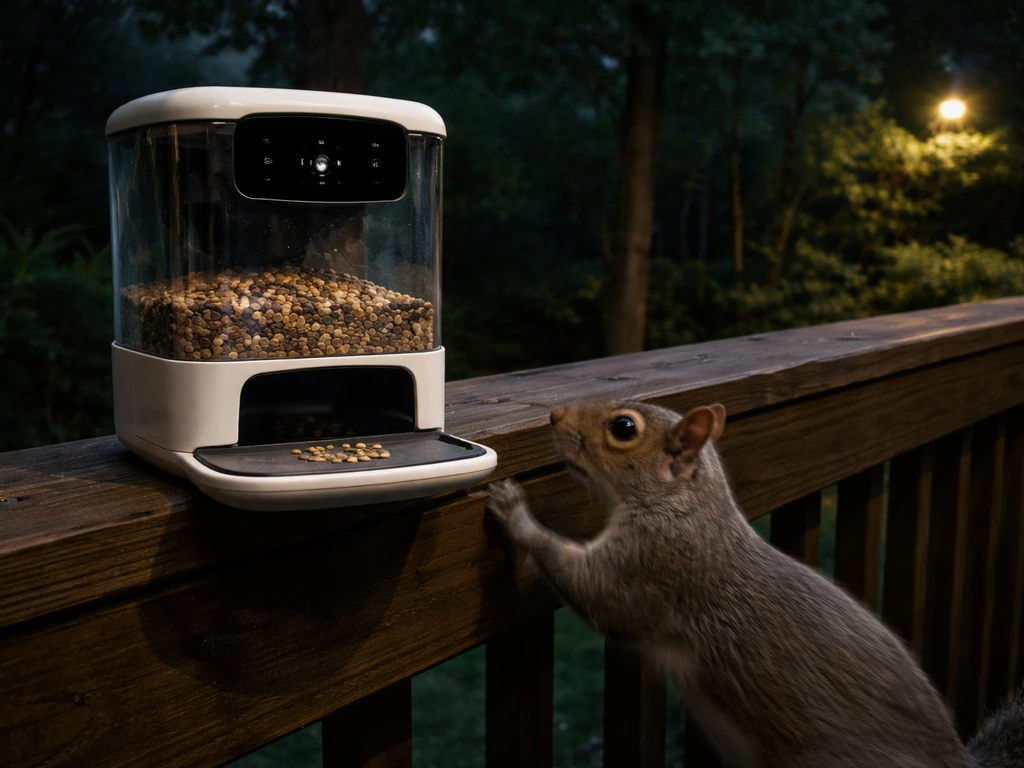
Smart feeders are great at showing you exactly which pests are raiding your feeder and when. They are not inherently good at stopping them. The camera documents the problem; you still have to solve it mechanically.
The most effective setup Reddit users report for squirrel resistance is a smooth steel pole (minimum 5 feet tall), a wide dome baffle mounted about 4 feet up, and at least 8 to 10 feet of clearance from any fence, tree branch, or structure a squirrel could jump from. Users who did all three consistently report squirrels giving up within a week or two. Users who skipped any one of those three steps usually report continued problems. A squirrel that can jump from a fence to the feeder doesn't care how smart your camera is.
Squirrels can also cause physical damage beyond seed theft. Reddit users have documented squirrels chewing on feeder components and accessories, which is a particular concern with the plastic housings on Bird Buddy systems. Rats are a nighttime problem in urban settings, and this is where night-vision motion alerts genuinely help: you'll know within a day or two whether rats are visiting after dark, which lets you pull the feeder in at dusk as a simple mitigation.
One tradeoff worth knowing: increasing motion sensitivity to catch more bird activity also means more pest alerts. Birdfy and Bird Buddy both let you filter alerts by detected category (birds vs. squirrels vs. other), which helps manage notification volume without losing pest awareness. Raccoon alerts at 4am are annoying, but they tell you something useful about your setup.
Budget, installation effort, and whether DIY makes sense
Smart feeders with cameras run from about $80 for entry-level options to $200 or more for premium models, before accounting for subscriptions. When you add a quality pole, a baffle, and a year of AI subscription, you can easily hit $300 to $400 in total investment. That's a real number to weigh against what you actually want from the feeder.
If your main goal is attracting specific birds and watching them, a high-quality traditional feeder plus a separate trail camera or a dedicated window-mount camera will often outperform a smart feeder at lower total cost, with none of the connectivity or subscription headaches. Trail cameras have come down dramatically in price and don't require app accounts or Wi-Fi. The smart feeder format earns its premium when you genuinely want the AI identification feature and the convenience of push notifications, not just video.
For DIY-minded birders, a weatherproof project camera (like a Wyze Cam Outdoor or similar) pointed at a conventional feeder can deliver most of the smart-feeder experience at a fraction of the cost, though you lose the integrated seed management and the dedicated bird-ID AI. Some birders find that tradeoff completely acceptable.
Pre-purchase checklist
- Measure the Wi-Fi signal strength at your planned feeder location before buying anything
- Check whether your router broadcasts 2.4GHz and 5GHz as separate SSIDs (critical for Bird Buddy)
- Identify which birds you're targeting and confirm the feeder design suits them
- Price out the full ecosystem cost: feeder plus pole, baffle, mounting hardware, and subscription
- Assess your pest situation (squirrels, raccoons, rats) and plan pole placement and baffling before setup
- Decide whether AI bird ID is genuinely important to you or whether basic video capture is enough
- Check the return/warranty policy: smart feeder connectivity issues sometimes don't show up until day 3 or 4 of use
If you want the simplest path to a working camera feeder today, start with the Kiwibit Beako on a stable pole with a dome baffle, separated from any climbable structure by at least 8 feet. Sort your Wi-Fi band configuration before the feeder arrives. Use the free tier for the first month to make sure it works in your yard before committing to a subscription. That setup covers the majority of what people are actually looking for when they search Reddit for smart bird feeder recommendations, without the frustration loops that come with more complicated options. A few smart models stand out as the best smart bird feeder options depending on your bird species and how sensitive you want the alerts to be.
FAQ
If I buy a smart bird feeder, do I need a paid subscription for it to be useful, or can I start for free?
You can often use the camera basics without paying, but AI bird identification is usually the feature locked behind the paid tier. For example, Kiwibit’s free tier supports basic recording and viewing, while Birdfy and Bird Buddy commonly separate AI and other functions into additional paid components. Before buying, confirm exactly what “free” includes for recording, playback, and motion alerts in your region.
How can I tell whether my smart bird feeder is missing visits due to settings versus hardware problems?
Do a controlled test: temporarily set motion sensitivity higher and ensure your detection zone frames only the perch area, then watch for 1 to 2 peak-activity windows. If captures improve immediately after changing sensitivity or zone size, it’s usually configuration. If nothing changes, check connectivity stability first (online status and signal strength at the feeder location), then confirm storage capacity so clips are not failing to save.
What’s the easiest way to reduce false alerts from wind without losing bird detections?
Start by making the mount rigid (avoid flexible hanging setups) and then tighten the detection zone to exclude sky and moving branches. If your app allows sensitivity-zone editing, shrink the active area to the perch landing spot. Only after those steps should you adjust overall sensitivity, because higher sensitivity increases both bird and pest notifications.
Can smart feeders work if my router uses a single combined Wi-Fi network name (one SSID)?
Often they struggle because many feeders only reliably connect to the 2.4GHz band, and some attempt the wrong band when 2.4 and 5GHz share one SSID. The practical fix is separating 2.4GHz and 5GHz into different network names in router settings, then reconnecting the feeder to the 2.4GHz network only.
Do these camera bird feeders work for birds that don’t land on a standard platform, like hummingbirds or orioles?
Most camera-enabled smart feeders are designed around a landing area that works for common perching and platform feeders, which means nectar-feeding birds typically need dedicated nectar designs. If your goal is hummingbirds or orioles, you’ll usually have better results using a nectar-specific feeder, and pairing it with a separate camera solution rather than expecting the smart feeder’s AI camera format to match those behaviors.
Is night recording good enough for identifying animals, or does it mostly confirm something is there?
IR night clips are generally better for detecting movement and documenting pests than for reliable species-level identification. Plan to treat nighttime AI labels as an indicator, not a guarantee, especially for nocturnal visits. If you’re using the feeder for pest monitoring, night alerts can still be valuable even when species tags are inconsistent.
Will solar panels keep a smart bird feeder running through winter, or should I plan for battery-only operation?
In most cold climates, solar is supplemental rather than primary in winter due to shorter daylight, snow cover, and lower sun angles. A good decision rule is to assume significantly more manual charging (or battery wear) during December to February, unless the feeder location gets strong winter sun without obstructions.
How high should I mount a camera smart feeder for the birds I want to attract?
A common starting point is around 4 to 6 feet for ground-feeding birds like doves, and 5 to 7 feet for perching birds like cardinals and finches. The bigger win is framing, aim the camera so the landing area is centered, and avoid pointing straight at open sky to reduce glare during peak daylight.
What’s the most cost-effective alternative if I just want to watch birds without paying subscriptions?
If AI identification and app connectivity are not must-haves, a traditional feeder plus a separate outdoor trail camera or weatherproof camera pointed at the feeder often gives comparable viewing value at lower total cost. The tradeoff is you lose integrated seed management and bird-ID AI, but you also avoid ongoing subscriptions and account or cloud storage issues.
If I keep getting pest notifications, how do I decide whether it’s a notification filter issue or a real pest problem?
First, confirm alert categories are set correctly in the app so bird and pest detections are not mixed. Then validate with timing and patterns: consistent early-morning or nighttime motion is a strong sign of real pest activity. Since smart feeders mainly document, you’ll still need mechanical controls like baffles, clearance from jumping points, and sturdier mounting if the alerts line up with actual visits.