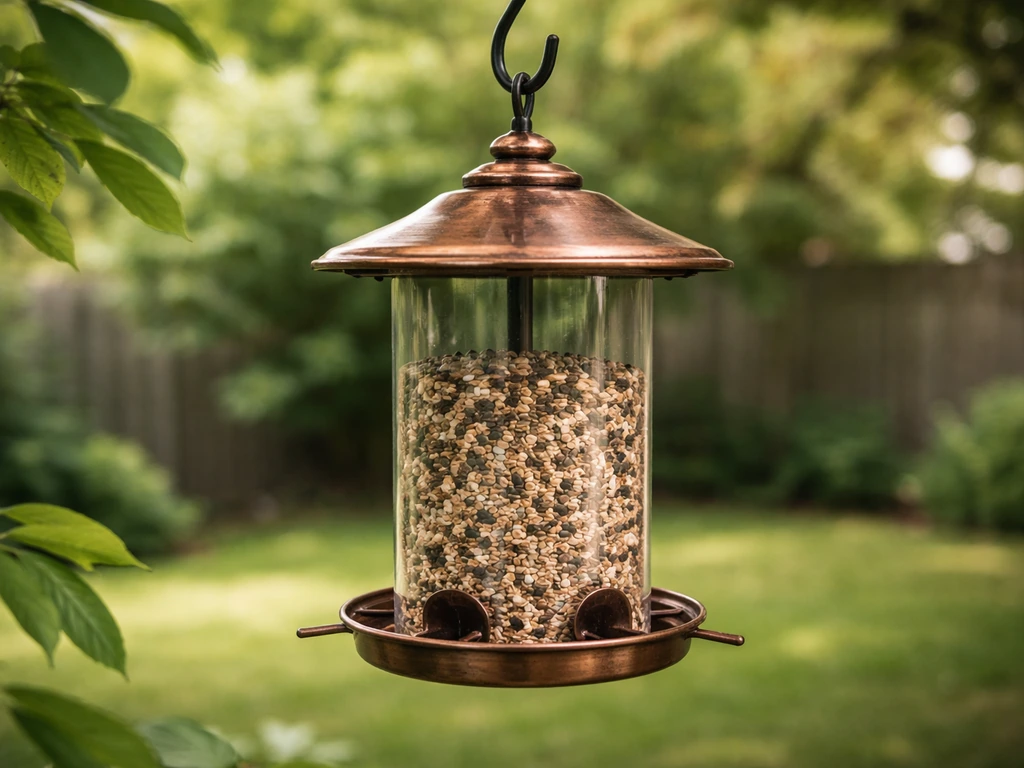
The best metal bird feeder for most backyards is a powder-coated steel or stainless steel hopper or tube feeder mounted on a pole with a baffle. Metal feeders outlast plastic by years, resist squirrel gnawing, and hold up through ice, snow, and driving rain without warping or cracking. The exact type you need depends on which birds you want to attract, how much seed capacity you want, and how serious your squirrel or rodent problem is, but in almost every case, metal is the more durable, pest-resistant, and ultimately better-value choice over plastic. If you want the quickest way to narrow down options, compare these metal feeder choices against the best copper bird feeders for style and weather durability.
Best Metal Bird Feeder: Buyer’s Guide by Type and Use Case
Marcus Hendricks
2 May 2026
Why choose a metal bird feeder (and when it's not the best option)
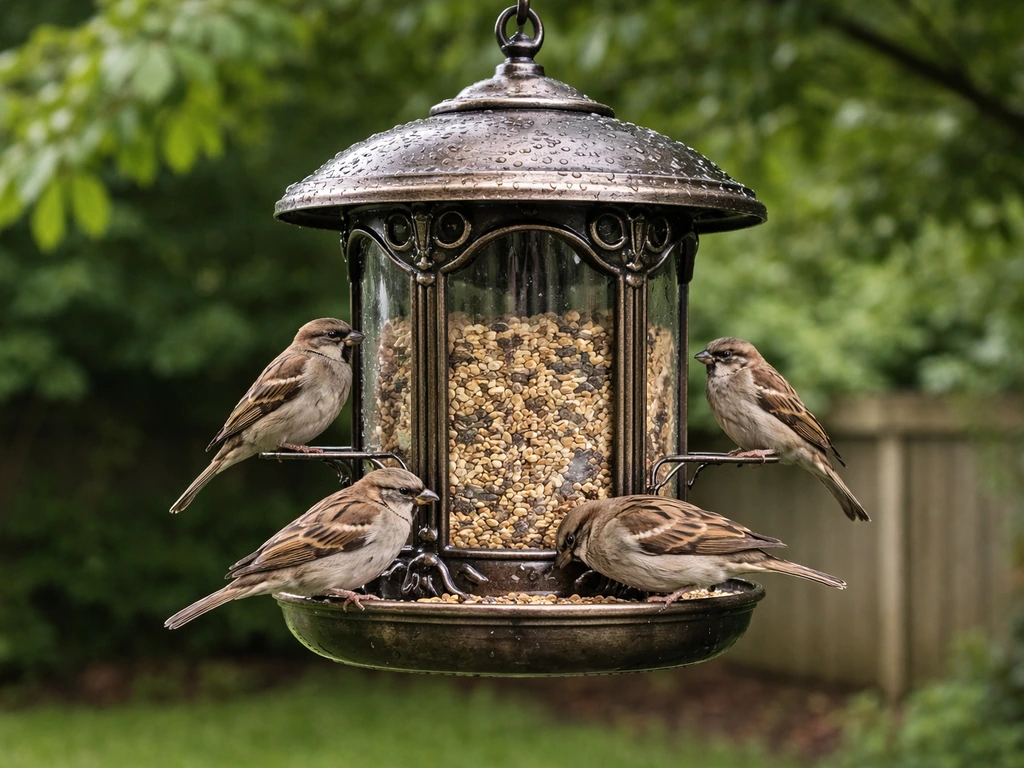
Metal feeders win on durability and pest resistance, plain and simple. Squirrels can and will chew through plastic feeders, sometimes within a single season. Metal, especially powder-coated steel or stainless steel, is genuinely harder for animals to damage. Stainless steel in particular requires no protective coating to resist rust and is about as close to maintenance-free as a feeder gets. Powder-coated steel is nearly as good as long as the coating stays intact, which it will if you buy from a quality brand and don't let standing water pool inside the feeder.
Metal also handles temperature extremes better than plastic. Plastic feeders can become brittle in hard freezes and warp or crack in summer heat. If you feed birds year-round, especially through a real winter, a metal feeder is going to look and function better five years from now than an equivalently priced plastic one.
That said, metal isn't always the right call. Metal feeders are heavier, which matters if you want to hang a feeder from a thin shepherd's hook or a flexible branch. They also tend to cost more upfront. And if you're feeding hummingbirds, a glass or plastic nectar feeder is still the standard, metal construction doesn't suit nectar dispensing in the same way. For seed feeding, though, metal is hard to beat.
What to look for: metal quality, rust protection, and weather durability
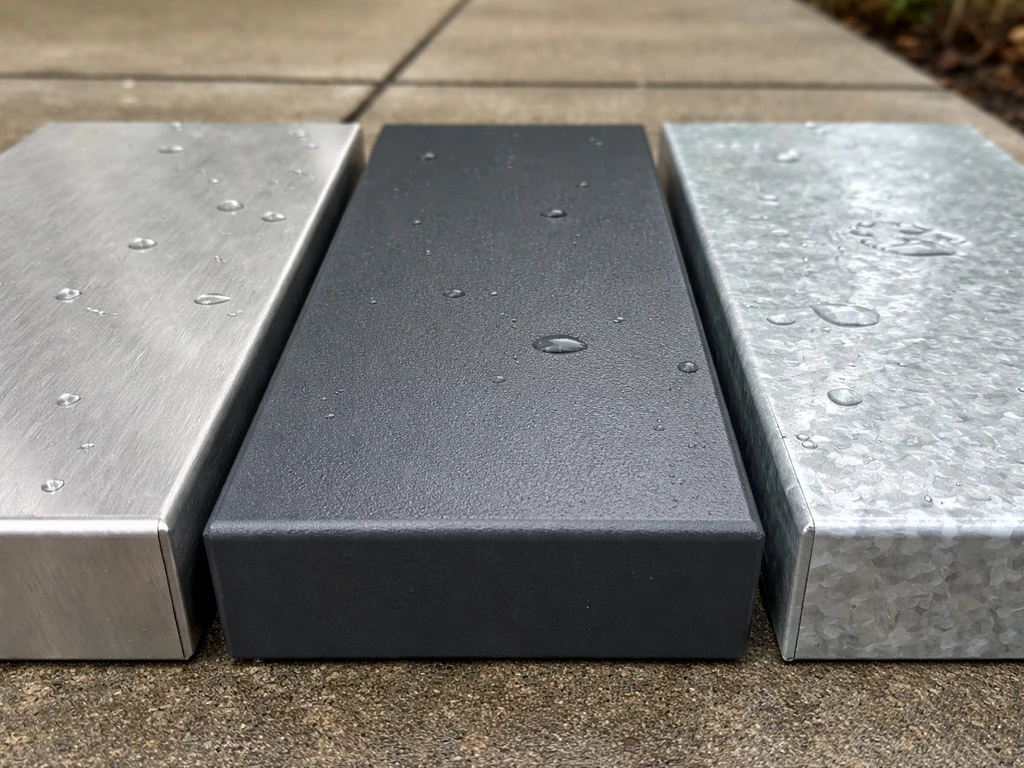
Not all metal feeders are created equal. The material and finish matter enormously for how long a feeder will actually last outdoors.
Stainless steel vs. powder-coated steel vs. galvanized
| Metal Type | Rust Resistance | Weight | Cost | Maintenance |
|---|---|---|---|---|
| Stainless steel | Excellent — no coating needed | Moderate-heavy | Highest | Very low |
| Powder-coated steel | Good — depends on coating integrity | Moderate-heavy | Mid-range | Low if coating is intact |
| Galvanized steel | Decent — can rust at cut edges | Heavy | Low-mid | Moderate |
| Copper/copper-topped | Good — patinas naturally | Moderate | Mid-high | Low (aesthetic aging) |
Stainless steel is the gold standard. Manufacturers like Twelve Mile Metals back their stainless feeders with rust-hole warranties because perforation from corrosion essentially shouldn't happen. Powder-coated steel is a solid choice and covers the majority of quality feeders on the market, just inspect the coating before buying and look for any chips or thin spots around seams and ports, since those are where rust starts. Galvanized steel works but can rust at cut or drilled edges over time. Copper and copper-topped feeders are popular for their look and do develop a natural patina that resists corrosion, though the real durability often comes from the steel structure underneath.
Weatherproofing features to check
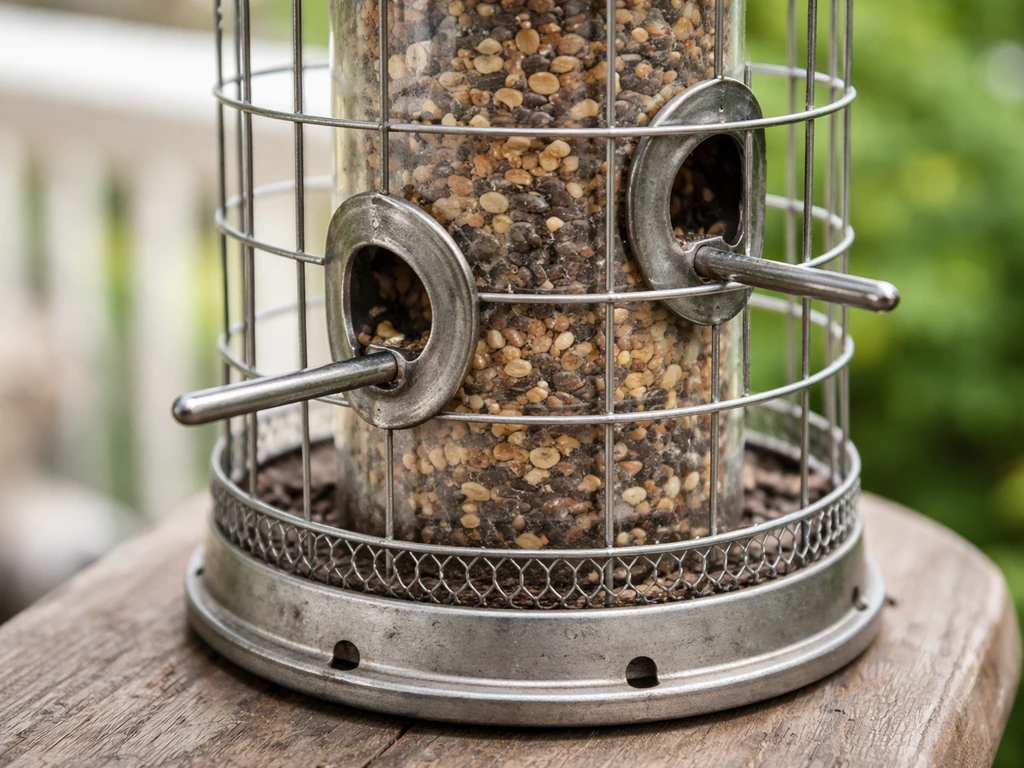
- Sloped or peaked roof design that sheds rain and snow rather than letting water pool on seed
- Drainage holes or gaps at the bottom of the seed reservoir so moisture doesn't accumulate
- Tight-fitting lids and ports that keep rain out of the seed without blocking bird access
- Welded or crimped seams rather than glued ones (glue fails outdoors over time)
- UV-stable coatings if the feeder has any plastic components like seed ports or viewing windows
Best metal feeder types by bird-feeding goal
The shape and style of the feeder determines which birds show up. Here's a practical breakdown of each type and when to choose it.
Hopper feeders
Metal hopper feeders are the workhorses of backyard bird feeding. They hold a large volume of seed (often 3 to 6 pounds or more), have a gravity-fed dispensing system, and attract the widest variety of birds including cardinals, blue jays, house finches, nuthatches, and chickadees. The house-shaped design with a peaked metal roof keeps seed dry remarkably well. If you only want one feeder in your yard, a metal hopper on a pole with a baffle is the most versatile option. Look for a model with a removable bottom tray for easy cleaning.
Tube feeders
Metal tube feeders, or tube feeders with metal hardware and caging, are excellent for smaller birds like finches, chickadees, and titmice. If you want to attract multiple bird types at once, a best triple tube bird feeder is a smart way to offer different ports while keeping the feeding system tough against pests. If you want the best tube bird feeders, focus on durable all-metal construction and port designs that help resist squirrels tube feeders.
The cylindrical design with individual ports lets you target specific seed types, nyjer (thistle) for goldfinches, for example, or sunflower chips for a broad mix of smaller species. All-metal tube feeders are harder to find than plastic ones, but metal-caged tube feeders give you the pest deterrence of metal around a plastic or glass inner tube. If you're comparing tube options, there's a lot of overlap with cylinder feeder designs worth exploring.
Platform feeders
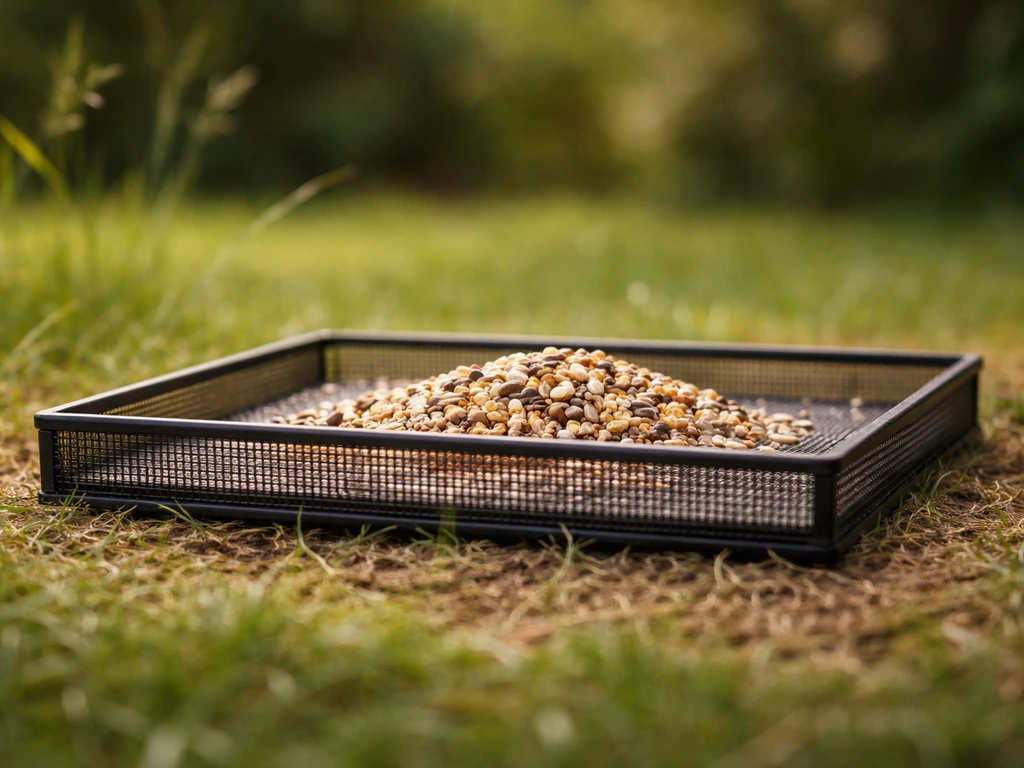
A metal mesh platform feeder (sometimes called a tray feeder) is open on all sides and sits low, which works perfectly for ground-feeding birds like mourning doves, dark-eyed juncos, and even some sparrows. The mesh bottom drains rain quickly and allows airflow to keep seed from molding. The tradeoff is that platform feeders expose seed to the elements and are more likely to attract unwanted visitors like rats and squirrels because there's no barrier between the animal and the food. Use them for targeted species feeding, keep portions small, and clean them frequently.
Suet feeders
Metal cage suet feeders are simple, inexpensive, and highly effective for woodpeckers, nuthatches, and wrens. The standard design is a steel wire cage that holds a standard suet cake. Metal is the only practical material here, suet cages need to be rigid and easy to clean of grease and fat residue. Look for a model with a tail prop or elongated bottom cage so larger woodpeckers like pileateds or flickers can brace themselves properly while feeding. Suet feeders are also a great winter-feeding tool since suet provides the high-calorie fat birds need in cold weather.
Window feeders
Metal-accented window feeders typically use suction cups to mount directly to glass and let you watch birds at very close range. Most window feeder bodies are plastic or acrylic for visibility, but the better models use metal hardware, reinforced mounting brackets, and metal seed trays for durability. One placement note: feeders mounted within about 3 feet of a window actually reduce collision risk because birds don't have room to build up fatal velocity. Keep that in mind when deciding between a close-mount window feeder and one positioned farther out.
Pole-mounted feeders
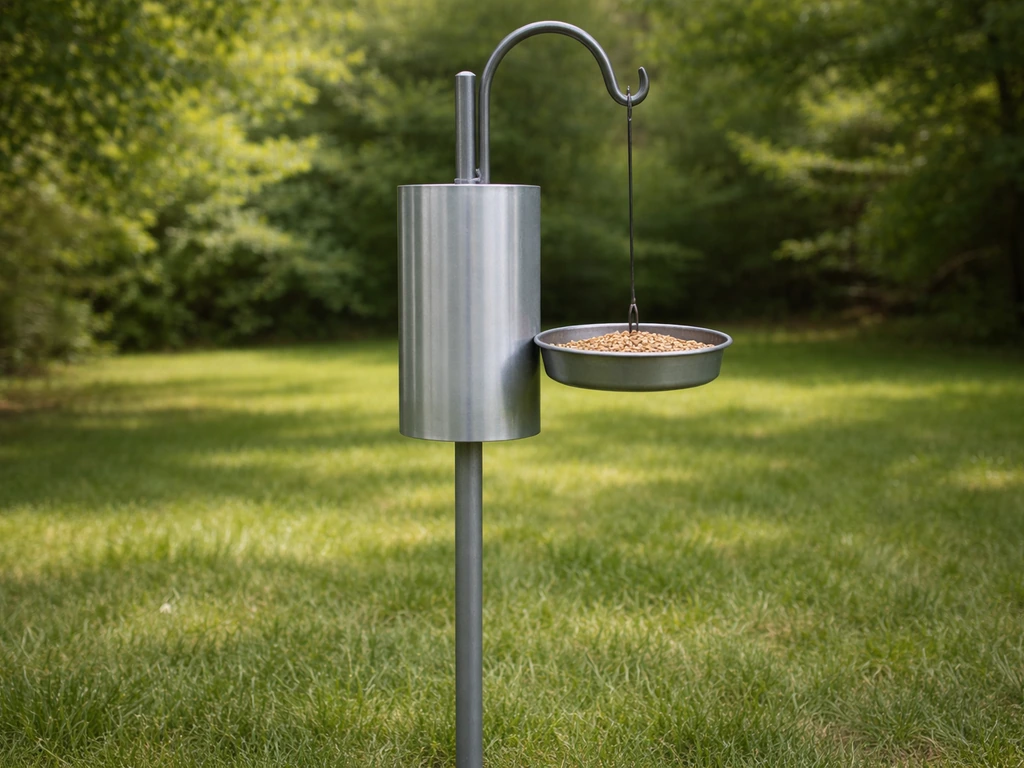
A pole-mounted system isn't a feeder type by itself, but it's the single most effective setup for metal feeders. A steel shepherd's hook or a dedicated feeder pole lets you position feeders at the right height, add multiple feeders to one pole, and, most importantly, mount a squirrel baffle below the feeders. This setup works with any feeder type and is the most reliable way to reduce squirrel and rodent problems.
Metal bird feeder features that actually matter
Rat-proofing and squirrel resistance
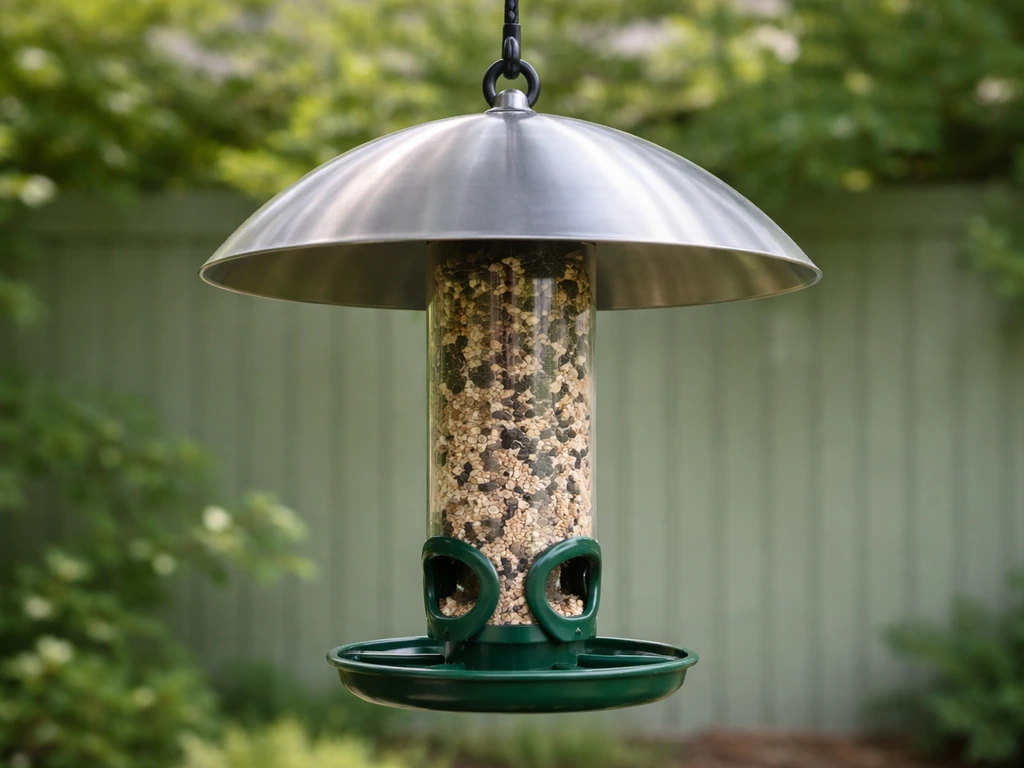
This is where a lot of feeder marketing overclaims. A feeder labeled "squirrel-proof" still needs to be part of a system to actually work. Squirrels can squeeze through openings as small as 1. 5 inches in diameter and will gnaw to enlarge any gap they can get a grip on, which means plastic is no match for a determined squirrel, but metal gives you a fighting chance.
Weight-sensitive perches that close off ports when a squirrel lands are effective in metal feeders because the mechanism is more robust and harder to defeat. The most reliable approach, though, is a pole-mounted feeder with an 18-inch diameter wrap-around baffle installed several feet up the pole. That physical barrier is more consistently effective than any built-in mechanism alone.
For rat deterrence specifically, keep the area under and around the feeder clean. Fallen seed on the ground is what draws rats more than the feeder itself. A metal tray or catch basin under a hopper feeder helps collect dropped seed so you can remove it before rats find it overnight.
Capacity and ease of cleaning
Bigger isn't always better for seed capacity. A feeder you fill every two to three days means you're checking on it regularly and replacing seed before it molds or spoils. Very large feeders tempt you to fill them completely and ignore them for a week, which leads to seed clumping and potential disease spread. For most backyards, a feeder holding 2 to 5 pounds of seed is a good range.
The real priority is how easy it is to clean. Metal feeders should disassemble into parts you can scrub with a 1:9 bleach-to-water solution (one part bleach to nine parts water), rinse thoroughly, and let air dry.
Look for removable trays, wide port openings you can get a brush into, and no hard-to-reach corners where seed and moisture collect. Cornell Lab recommends cleaning every two weeks under normal conditions and more often during wet weather or if you spot sick birds at the feeder.
Smart cameras and solar power
Smart feeders with built-in cameras have gotten genuinely useful in the past few years. Bird-identifying cameras can tell you which species visit and when, which is legitimately interesting data and not just a gimmick. The tradeoff is cost (smart feeders run $150 to $250 or more) and a dependency on Wi-Fi, charging, or battery replacement.
Solar-charged smart feeders reduce the maintenance burden but need enough sun exposure to keep the battery topped up, which can be a problem in shaded or north-facing yards. If you're a casual backyard birder, the camera feature is nice to have but not worth choosing over a more durable traditional metal feeder. If you're seriously into tracking species and behavior, the data is genuinely useful.
Either way, make sure the feeder body itself is metal or at least metal-reinforced, some smart feeders use plastic housings that won't survive a determined squirrel.
Matching feeders to target birds and the right seed mix
| Target Bird | Best Metal Feeder Type | Recommended Seed/Food |
|---|---|---|
| Cardinals | Hopper or platform with wide perch | Black oil sunflower seeds, safflower |
| Goldfinches | Metal-caged tube or nyjer sock | Nyjer (thistle) seed, fine sunflower chips |
| Woodpeckers | Metal suet cage with tail prop | Suet cakes, peanuts |
| Blue Jays | Hopper or open platform | Whole peanuts, sunflower seeds, corn |
| Mourning Doves | Low metal platform or ground tray | Millet, cracked corn, sunflower |
| Chickadees/Titmice | Metal tube or caged hopper | Black oil sunflower, sunflower chips |
| Nuthatches | Suet cage or metal tube | Suet, sunflower, peanut pieces |
| Orioles | Metal oriole feeder with orange halves tray | Grape jelly, orange halves, nectar |
Seed quality matters more than most people realize. Cheap mixed seed often contains fillers like milo or oats that most backyard songbirds ignore, which just ends up on the ground inviting rodents. Black oil sunflower seed is the single best all-purpose seed for a metal hopper or tube feeder, thin-shelled and high in fat, it attracts the widest variety of birds. For targeted feeding, nyjer seed in a metal-caged tube feeder is hard to beat for goldfinches and house finches. If cardinals are your priority, safflower seed works well because squirrels tend to dislike it.
Placement and setup for maximum visits (and fewer pests)
Feeder placement is one of those things where the ideal is a balance of competing factors. Birds want to feel safe while feeding, so they prefer feeders near cover like shrubs or trees where they can quickly retreat if a hawk comes through. But feeders too close to dense cover also give squirrels easy launch points and can give cats or other predators a place to hide. A distance of about 10 feet from the nearest shrub or tree is a reasonable starting point, close enough to give birds confidence, far enough that squirrels can't easily jump from the branches to the feeder. You may need to experiment based on your specific yard layout.
For a pole-mounted metal feeder, position the pole so the baffle sits about 4 to 5 feet off the ground, with the feeder high enough above the baffle that squirrels can't reach over it from below. The baffle should be at least 18 inches in diameter, a smaller baffle gives squirrels enough room to get around it. Keep the pole well away from any fences, deck rails, or overhanging branches that squirrels could use to bypass the pole entirely. Audubon warns that squirrels can sometimes pull feeders or cords sideways to get access, so make sure nothing is within a few feet horizontally either.
For window feeders, closer to the glass is actually safer for birds. Within about 3 feet of a window, birds don't have room to reach a dangerous speed if they do startle and fly toward the glass. Place feeders so they're visible from a comfortable spot indoors, there's no point in a beautiful metal hopper if it's pointed away from your kitchen window.
Maintenance, seasonal use, and quick troubleshooting
Routine cleaning
Clean metal feeders every two weeks in normal conditions, and more often during humid or rainy weather or if you notice sick birds at the feeder. Disassemble as much as you can, scrub with a stiff brush using a 1:9 bleach-to-water solution, and rinse very thoroughly, residual bleach is harmful to birds. Let parts air dry completely before refilling. Metal feeders actually make this easier than plastic because you can scrub aggressively without scratching or warping the material. Don't forget to clean the area below the feeder, too, raking up fallen seed and hulls reduces bacteria buildup and discourages rats.
Winter feeding
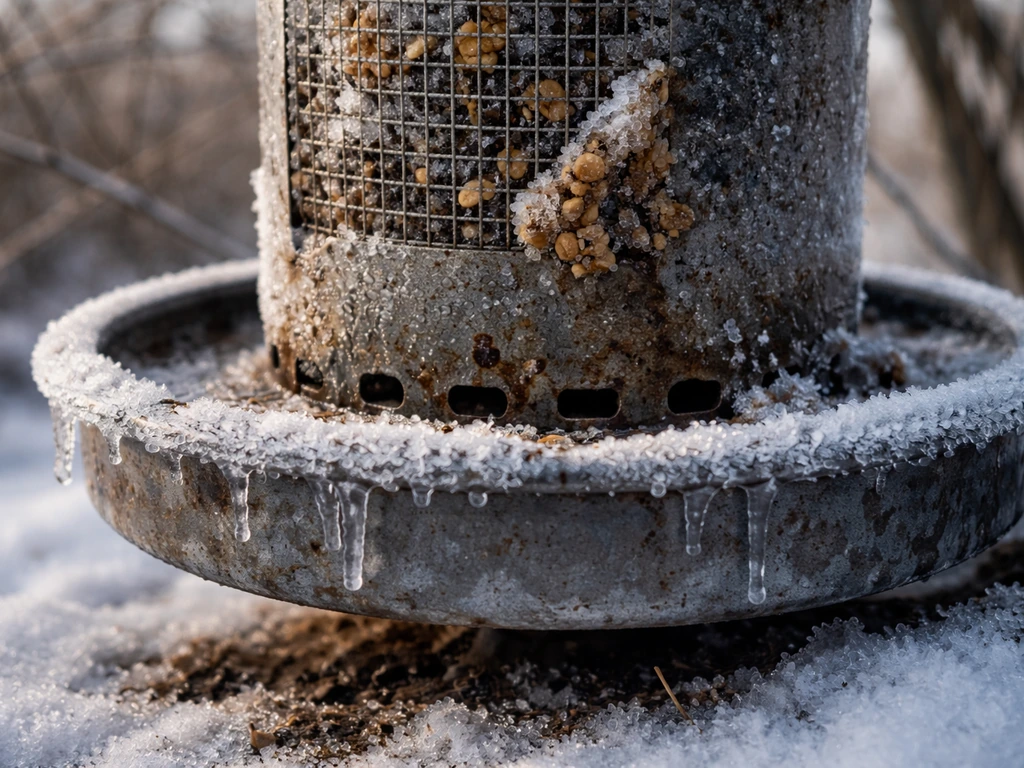
Metal feeders handle winter conditions far better than plastic, but you still need to manage them actively in cold weather. Seed can freeze into clumps inside feeders when temperatures drop below freezing, especially if any moisture has gotten in. Check the feeder every day or two in cold snaps and break up any frozen seed so birds can access it. Suet feeders are especially valuable in winter, suet provides the high-fat calories birds need to maintain body heat overnight. Audubon's winter guidance also emphasizes keeping fresh, unfrozen water available, since natural water sources freeze over. A heated birdbath near your metal feeder setup makes a meaningful difference in winter bird activity.
Troubleshooting common metal feeder problems
- Rust spots appearing: Sand lightly, touch up with outdoor metal paint or clear coat, and check that drainage holes aren't blocked — standing water inside the feeder is the usual cause
- Seed clumping or molding: Increase cleaning frequency, add drainage holes if the design allows, and switch to a seed variety with lower moisture content like sunflower chips instead of whole seeds in wet climates
- Squirrels still getting in despite a baffle: Check that the pole is at least 10 feet from any fence, tree, or structure they can jump from; also verify the baffle is a full 18 inches in diameter and properly secured
- Birds not visiting: Give it 1 to 2 weeks after initial setup — birds need time to discover a new feeder; make sure the seed is fresh and the feeder is visible from the yard rather than hidden behind dense foliage
- Rats appearing under the feeder: Switch to no-waste seed blends (hulled sunflower, sunflower chips) that leave less debris, and rake up fallen seed every evening
- Feeder swinging excessively in wind: Switch to a pole-mounted setup instead of hanging, or add a stabilizer clip to reduce motion that can deter skittish birds
A quality metal bird feeder, properly placed, regularly cleaned, and paired with the right seed for your target birds, will outperform any plastic feeder you've tried before. Whether you go with a copper-topped hopper for its looks, a stainless steel tube for pure durability, or a caged suet feeder specifically for woodpeckers, the investment pays off in years of reliable use and genuinely more satisfying bird watching.
FAQ
Will a metal bird feeder freeze solid in winter?
Yes, but only if the feeder has a way to be drained and dried. Before cold weather, check for trapped water in seams, around ports, or inside any removable trays, then let the feeder fully air dry after washing. If water sits inside and then freezes, it can split seed and force you to break clumps more often.
Can I soak a metal bird feeder in bleach solution, or should I only scrub it?
Avoid it. Bleach-to-water cleaning is fine for parts that can be fully rinsed, but never leave bleach solution inside ports, cages, or tube sections. Scrub, rinse until no bleach odor remains, then air dry completely, because residual moisture can become the source of mold or next-season corrosion.
How do I reduce rats if I already have a squirrel baffle?
Use a seed catch tray or rake plan, especially with hoppers. Even with a baffle, hulls and dropped seed accumulate under the pole and become the main food source for rats. A simple step is to clear the ground daily during heavy feeding, or at least every few days, and then reduce refills that cause overflow.
Do metal bird feeders still rust, even if they are labeled stainless or powder-coated?
Metal will rust if the finish is compromised, and “nearly maintenance-free” assumes the coating is intact. After a season, inspect for chips at seams, around drilled holes, and near the bottom where water can pool, then touch up small chips promptly if the brand offers a compatible repair product. Replace the feeder if pitting starts, because that corrosion often spreads.
I bought a best metal bird feeder, can I use it for hummingbird nectar too?
If you want hummingbirds, a metal feeder is not the right tool. Hummingbird nectar requires a setup that discourages bacteria growth and supports frequent changes, and most metal seed feeders are not designed for nectar viscosity or safe, drip-proof refilling. Stick to purpose-built nectar feeders for hummingbirds.
Are metal bird feeders more likely to swing or fall than plastic ones?
Heavier metal feeders are safer for normal use, but they still can tip or swing if mounted incorrectly. For pole mounting, tighten all hardware, keep the pole plumb, and avoid loose shepherd hooks. If your feeder wobbles in the wind, fix the mount first because wobble makes baffles less effective.
What’s the safest way to scrub a powder-coated metal feeder without damaging the coating?
Don’t over-clean with harsh abrasion. Metal tolerates scrubbing, but use a stiff brush plus rinse rather than sandpaper or wire that can remove coatings and expose bare steel. If you see exposed metal after cleaning, treat it as a durability risk area, especially on powder-coated models.
How can I target specific birds if the feeder is metal and open to multiple species?
For most metal seed feeders, you can “target” birds by switching seed type and, for tube styles, by using the port and cage arrangement. If you want mostly small finches, choose a tube design that accepts nyjer and supports a tight mesh or metal cage. If you choose a hopper and use nyjer, you may still get a broader mix because the seed is accessible.
I want the best metal bird feeder for a mixed bird backyard, what should I choose if squirrels are a big issue?
If you only have one feeder and you’re trying to cover multiple bird types, a metal hopper or tube-on-a-pole system is the most forgiving. For a yard with frequent rodents, prioritize the pole plus wrap-around baffle approach, even if you prefer a tube style. The baffle matters more than the feeder brand for pest pressure.
How do I know if a “squirrel-proof” metal feeder will actually work in my yard?
Not always. “Squirrel-proof” claims often assume a specific setup, clearance, and baffle use. As a rule, if your feeder can be reached from a nearby branch, fence, or roof edge, a squirrel can eventually defeat it. Before buying, measure clearances and plan to keep the pole and feeder away from bypass routes.
Next Article
Copper Top Bird Feeder Guide: Choose, Mount, and Maintain
How to choose, mount, and maintain a copper top bird feeder, including gazebo setups, weatherproofing, pests, and troubl