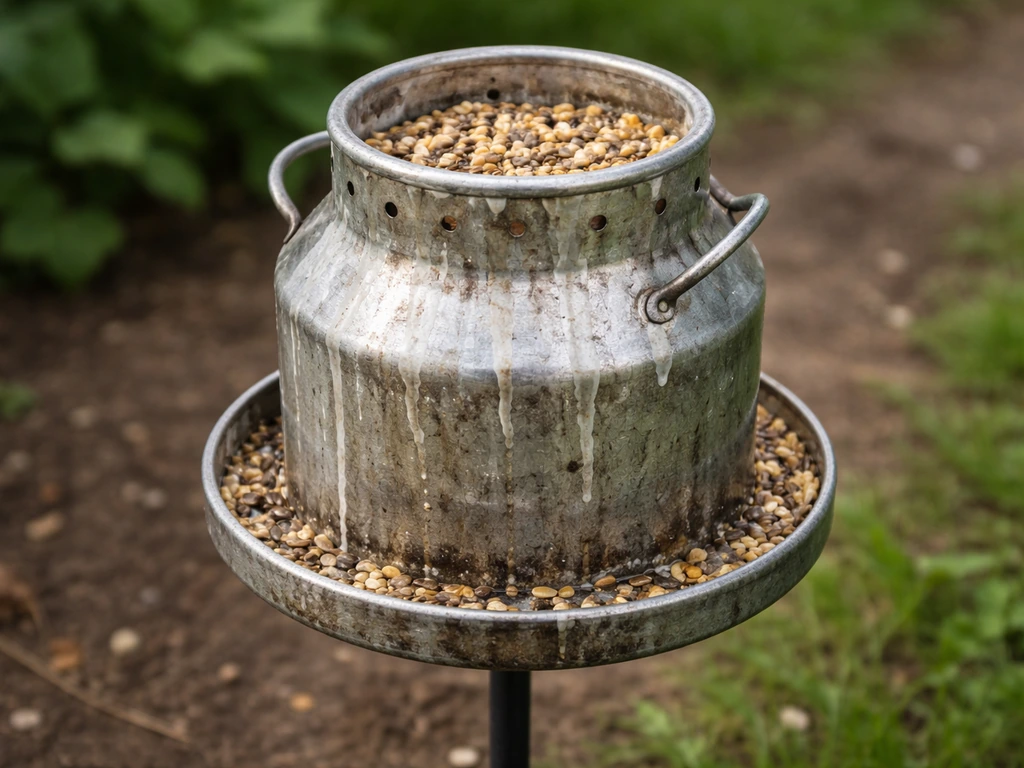
Yes, a plastic coffee can or jar can work as a DIY bird feeder, but there are a few things you need to get right before hanging it up. If you want a quick example, you can make a pringle can bird feeder by cutting small seed ports, adding drainage holes, and hanging it securely. The container itself is generally safe for short-term use as long as you choose food-grade plastic, drill proper drainage and ventilation holes, smooth any sharp edges, and commit to cleaning it every two weeks (more often in summer). It won't last forever outdoors, UV exposure will eventually make it brittle and discolored, but as a budget feeder or a first project to get started, it's a solid option.
Plastic Coffee Can Bird Feeder: Safe DIY Guide and Tips
Marcus Hendricks
23 May 2026
Is a plastic coffee can actually safe for bird food?
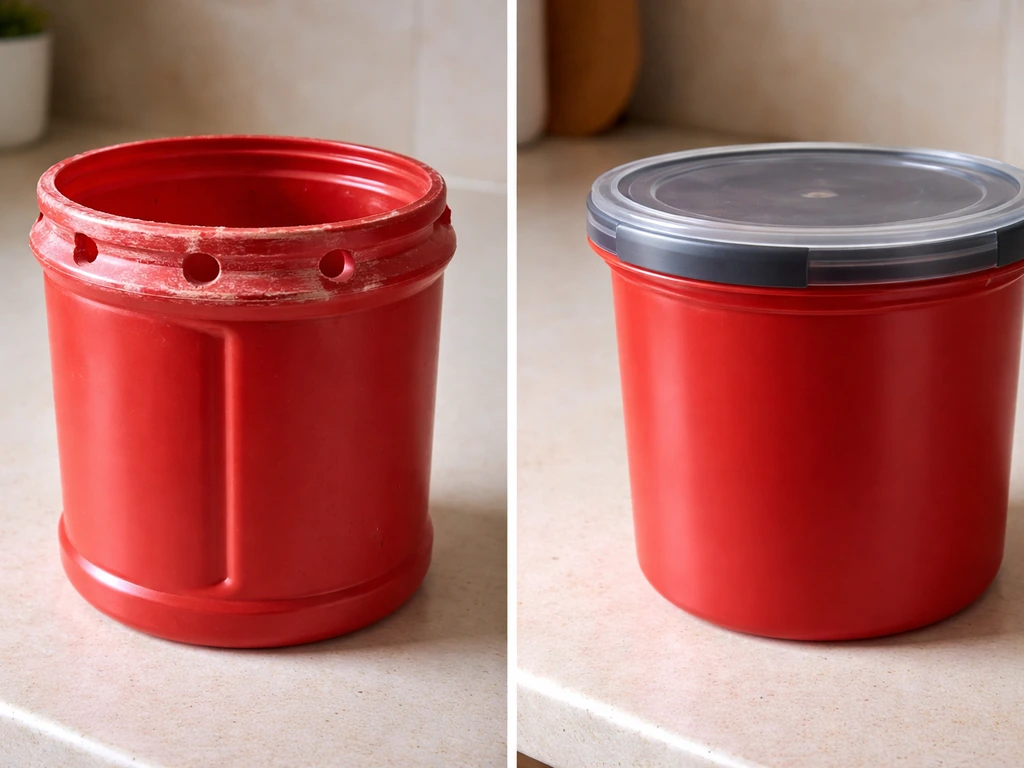
This is the right question to ask first. The FDA has flagged that chemical contaminants in recycled or repurposed plastics can migrate into food that contacts the material, especially when the plastic is heated, scratched, or degraded. That sounds alarming, but context matters: most plastic coffee canisters (the kind brands like Folgers or Maxwell House sell) are made from food-grade polypropylene (PP, resin code 5) or high-density polyethylene (HDPE, resin code 2). These are among the more stable food-contact plastics and are not the ones most associated with leaching concerns. If you can find the resin code stamped on the bottom of your container and it's a 2 or 5, you're starting from a reasonable place.
The bigger practical risks are physical, not chemical. Plastic warps and cracks in freeze-thaw cycles. Sun exposure causes UV degradation that makes containers brittle within a season or two. Scratches from cleaning tools create crevices where bacteria and mold take hold. None of these are dealbreakers if you treat it as a seasonal or temporary feeder rather than a permanent installation. If you're using a metal-bodied coffee can with a plastic lid, the metal body is more durable outdoors but edges can rust or develop sharp points, so the all-plastic version actually has some advantages there. For comparison, if you're curious about tin can builds, that's a different set of trade-offs worth exploring separately.
What container, food, and birds work best together
Not every plastic coffee container is equally useful as a feeder. Wide-mouth canisters with flat or snap-on lids give you the most flexibility. Narrow-mouth jars are harder to fill and create poor airflow around the seed. Here's how to think about matching your container to a food type and a target bird:
| Container Type | Best Food | Target Birds | Notes |
|---|---|---|---|
| Wide-mouth canister (3-5 lb) | Black-oil sunflower seed | Chickadees, nuthatches, titmice, cardinals | Most versatile; attracts the widest variety |
| Wide-mouth canister (3-5 lb) | Safflower seed | Cardinals, chickadees | Squirrels tend to avoid safflower |
| Wide-mouth canister | Mealworms (dried) | Bluebirds, robins, wrens | Mealworms are one of the few reliable bluebird attractors |
| Narrow-mouth jar | Nyjer/thistle (with small holes) | Finches, pine siskins | Hole size is critical; too large and seed pours out |
| Any with a tray retrofit | Mixed seed with millet | Juncos, sparrows, doves | Best offered on a platform; millet falls through tube-style holes |
Black-oil sunflower is the smartest default. Sunflower seed is described by All About Birds as attracting the widest variety of birds and as a mainstay for most backyard bird feeders black-oil sunflower is the smartest default. Cornell Lab's Project FeederWatch consistently identifies it as the most widely preferred seed across backyard feeder species. If you only stock one food, make it that. Mealworms are worth adding if you're trying to attract bluebirds specifically, since they're one of the only reliable draws for that species. Avoid cheap mixed seed with lots of filler (oat groats, wheat, red millet) in an enclosed container, it goes stale and damp fast and attracts pests more than birds.
How to turn a plastic coffee can into a working feeder
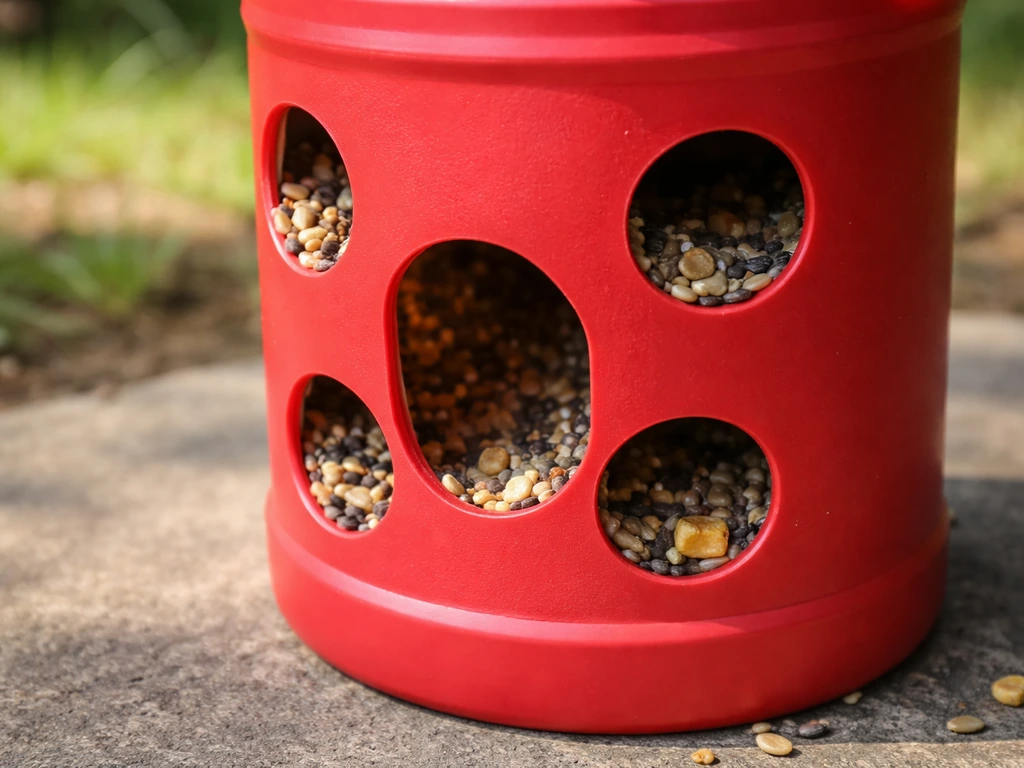
The modification process is straightforward but the details matter. A poorly drilled or poorly positioned hole will either dump all your seed at once or trap moisture that turns seed into a moldy block. Here's how to do it right.
Tools you'll need
- A cordless drill with multiple bit sizes (start at 1/4 inch, go up to 3/4 inch for seed ports)
- A craft knife or utility knife for cleaning up ragged holes
- Sandpaper (medium grit) or a small file to smooth edges
- Zip ties or wire (16-gauge works well) for hanging
- A wooden dowel (3/8 inch diameter) or natural branch for perches
- Optional: a small tray or bottle cap to act as a seed catch beneath each port
Holes for seed access
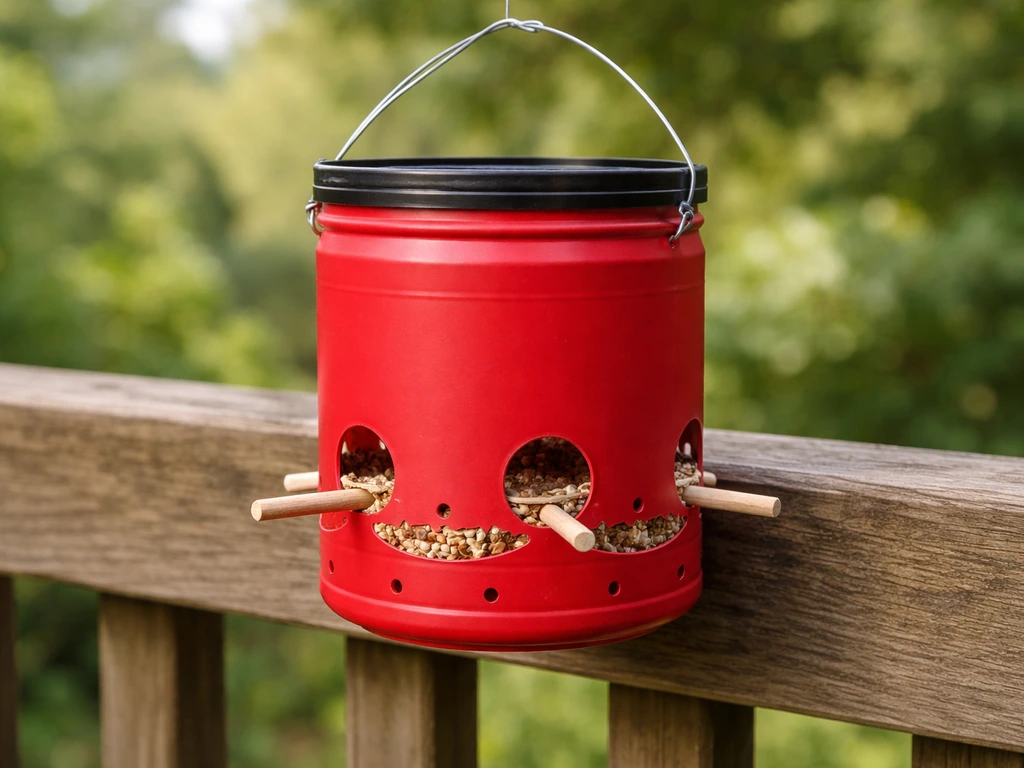
Drill your seed-port holes about 1 inch up from the bottom of the container's side wall (not the very bottom). For sunflower seeds, 3/4 inch diameter works well. For nyjer/thistle, go much smaller, about 1/8 inch, or seed will pour out. Space two or three ports evenly around the container so multiple birds can feed without competing for one spot. If you're making a mealworm feeder, skip the ports entirely and cut a wider rectangular opening, about 2 inches wide and 1.5 inches tall, on the upper third of the container's side, so birds can see and reach in.
Drainage and airflow
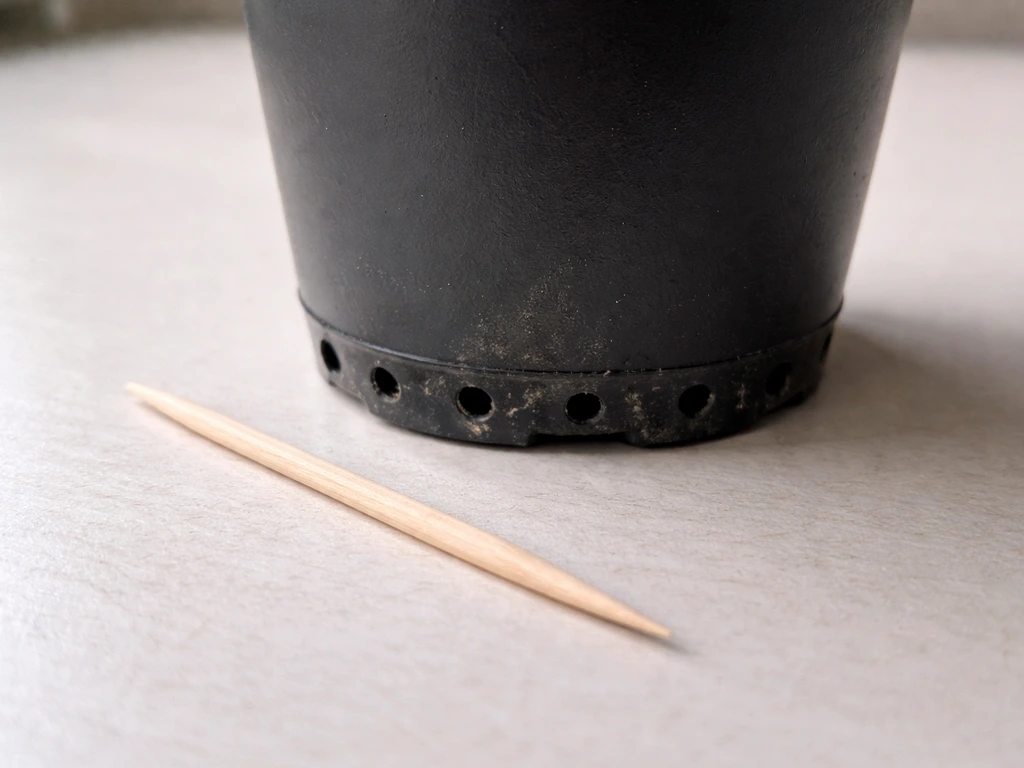
This step is non-negotiable. Drill at least 4 to 6 small holes (1/4 inch) in the very bottom of the container. These let water that sneaks in drain out before it soaks your seed. Also drill 4 to 6 holes near the top or in the lid if you're using one, this allows airflow that slows moisture buildup inside. Without drainage and ventilation, seed goes moldy in days during humid weather, and wet moldy seed can make birds sick.
Perches
Plastic coffee cans have no natural perch surface. The easiest fix: push a 1/4-inch wooden dowel through the container just below each seed port (drill holes slightly smaller than the dowel diameter so it friction-fits). Leave about 3 inches of dowel sticking out on each side. You can also skip dedicated perches entirely if you're attracting birds like chickadees and nuthatches that cling and hover easily. Cardinals and larger birds need a perch or a tray to use any feeder comfortably, so if cardinals are your goal, add a perch or attach a small tray beneath the ports.
Lid or no lid
Keep the original lid on if it snaps or screws securely. It slows rain entry dramatically and keeps seed fresher. If the lid is loose-fitting, either ditch it or use a rubber band to hold it snug. Some people cut a hinge into the lid to create a flip-top for easy refilling, which works well as long as the cut edges are smoothed. Alternatively, hang the container upside down with the open bottom at the top, sealed with a tray, and the ports cut into what is now the upper-middle section, but this complicates filling and drainage.
Mounting and placement
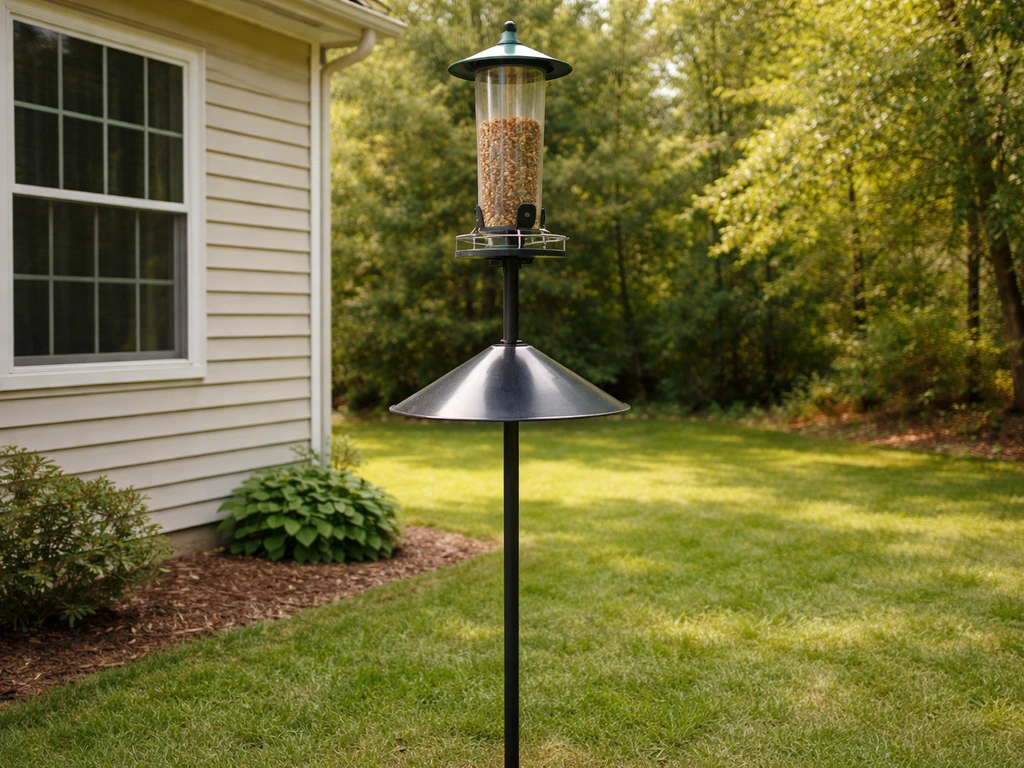
Where you hang your feeder determines whether birds find it, whether squirrels clean it out, and whether it becomes a window-strike hazard. All About Birds recommends placing feeders either within 3 feet of a window or more than 30 feet away to minimize dangerous window collisions; the 3-to-30-foot zone is the danger zone for bird strikes.
Chewy similarly advises placing feeders either less than 3 feet or more than 10 feet from the house or windows to reduce hazards like window strikes either within 3 feet of a window or more than 30 feet away. A good practical compromise for a hanging plastic can feeder is about 10 feet from the house, hung from a shepherd's hook pole at about 5 to 6 feet off the ground.
For squirrel deterrence, a metal baffle mounted on the pole below the feeder is your best tool. Audubon recommends the baffle sit 4 to 5 feet off the ground, and the feeder should hang far enough from any branch, roof edge, or fence that a squirrel can't leap directly to it (20 feet of clearance from jump-off points is the standard). A plastic coffee can is lightweight enough that squirrels will easily knock it around and chew through it if they get to it, so the baffle isn't optional if squirrels are active in your yard.
For hanging, thread wire or zip ties through holes drilled near the rim (or through the lid) and form a secure loop. Test the hang before filling; a full feeder can weigh 3 to 4 pounds and will spin in wind if the attachment point isn't centered. A swivel hook between the wire and the pole can help reduce spinning and makes seasonal take-down easier.
Sanitation and safety checklist
Plastic coffee can feeders need consistent cleaning because plastic scratches easily and holds bacteria in those scratches. Here's the cleaning protocol that aligns with guidance from Cornell Lab, Audubon, and the National Wildlife Health Center:
- Empty all old seed every two weeks at minimum, weekly during hot or humid weather or if you see sick birds in your yard.
- Scrub the inside and outside with a brush and warm soapy water. Remove all debris, old seed husks, droppings, and residue.
- Soak the container in a 9-to-1 water-to-bleach solution (9 parts water, 1 part household bleach) for 10 minutes. This is the disinfection step most backyard birders skip and it matters most.
- Rinse thoroughly with clean water until you can no longer smell bleach.
- Allow the feeder to air dry completely before refilling. Adding seed to a damp feeder speeds up mold growth significantly.
- Inspect the plastic each time for cracks, warping, or discoloration. UV damage usually shows as fading or brittleness. If the plastic cracks or splinters, retire the feeder.
On the safety side: always sand or file any drilled edges until they're smooth to the touch. Sharp plastic edges can injure bird feet and beaks. Check the perch dowels periodically; if they become rough or splintered, replace them. Never use a petroleum-based lubricant or spray paint inside the container near food contact areas.
Troubleshooting when things go wrong
Birds aren't using it
Give it one to two weeks after hanging. Birds need time to discover a new food source. If nothing is visiting after two weeks, check that the seed is fresh (old or rancid seed repels birds), the feeder is visible from perch trees, and there's a clear flight path to it without too much surrounding brush. Try moving it closer to existing shrubs or trees where birds already land. If you're in a new area or yard, it can take a full season for local birds to add your feeder to their regular routes.
Seed spilling out too fast
Port holes that are too large are the most common cause. Fill one hole temporarily with a cork or putty and see if the rate slows. If it does, drill smaller replacement holes on the other side and abandon the oversized ones. You can also reduce port size by fitting a piece of rubber gasket material around the opening, glued in place with waterproof adhesive, to narrow the opening without redrilling.
Seed spoiling quickly
If seed is clumping or smells musty within a few days, your drainage holes are blocked or inadequate. Clear them with a toothpick or skewer, and add more holes if necessary. Also check that your lid allows some airflow. In summer, don't fill the feeder more than halfway so seed turns over faster before it can go bad. The Minnesota DNR notes that wet weather can promote mold and bacteria both in the feeder and on seed that falls to the ground below, so clean up dropped seed regularly.
Pests taking over
Squirrels can chew through plastic in a short time, especially if they can get a grip on the rim or a port hole. If your baffle isn't stopping them, switch to safflower seed, which most squirrels avoid. For ants, apply a thin ring of petroleum jelly or use a commercially available ant moat above the hanger point. For rats and raccoons, the real fix is taking the feeder in at night and cleaning up any spilled seed from the ground each evening. Raccoons in particular are strong enough to rip a lightweight plastic container off its hanger.
Warping or cracking
If the plastic warps in summer heat or develops cracks after a freeze, it's done. Don't try to patch cracked plastic food containers; bacteria colonize the cracks and cleaning becomes nearly impossible. This is a natural end-of-life moment for the DIY feeder. Toss it and either start fresh with a new container or move up to a commercial feeder.
DIY upgrades and when a better feeder makes more sense
A few small upgrades can extend the life and usefulness of your plastic coffee can feeder meaningfully. Wrapping the outside with paracord or twine adds grip for hanging and slows UV degradation slightly. Adding a clear plastic or acrylic dome (salvaged from another feeder or cut from a deli container) above the feeder creates a rain shield and keeps seed dry far longer. Replacing the wooden dowel perches with small stainless steel rods makes perches more durable and easier to disinfect.
That said, there are clear signs it's time to move to a commercial feeder. If you're finding yourself cleaning more than once a week just to keep up with spoilage, the container geometry isn't working. If squirrels are chewing through it repeatedly, plastic won't solve that problem and a metal feeder will. If you want to attract a wider variety of birds or target specific species like woodpeckers or orioles, a purpose-built suet cage, tube feeder, or oriole feeder will significantly outperform any coffee can conversion. If you want to start with something simple, use a bird feeder that’s easy to fill and designed for the birds you want to attract.
The plastic coffee can feeder is a great entry point, especially if you want to test out bird feeding before committing to buying equipment. If you want to get more specific about this DIY idea, a coffee can bird feeder setup is a popular way to offer seed with proper drainage and ventilation. It's also a genuinely satisfying project. But treat it as a starting point rather than a long-term solution.
If you want to try something different, some people even use pringles can bird feeder ideas to create a simple, lightweight feeder. Once you know which birds visit your yard and what they prefer, matching them to the right commercial feeder type will give them a better experience and you a lot less maintenance headache.
If you decide you want a more purpose-built option, look into a dr who bird feeder as an adjacent style that can reduce daily tinkering commercial feeder type. If you've already tried a basic can feeder and want to explore other DIY variations, builds using different container types like Pringles cans, milk cans, or other repurposed materials each bring their own set of trade-offs and design considerations worth comparing.
FAQ
How can I tell if my plastic coffee can is actually food-grade (and safe to drill and use for seed)?
Look for a resin code stamped on the bottom (commonly 2 for HDPE, 5 for PP). Avoid containers that look cloudy, have strong chemical odors, or have been used for non-food products. If the container is from the past as a solvent, cleaner, or unknown chemical storage, treat it as off-limits even if it looks like “plastic coffee.”
Is it safe to microwave or heat the plastic coffee can to “clean it first”?
No. Heating increases the chance of chemical migration and can warp the plastic. Use warm water and a bird-feeder safe wash (dish soap) and let it fully dry before you add seed
Can I use the feeder for wet foods like suet, fruit, or sticky mixes in a plastic coffee can?
Stick to dry seeds. Wet or sticky foods increase moisture retention and can trap bacteria in scratches and seams. If you want suet, use a purpose-built suet cage or another container design that allows drainage and easy disinfection
What should I do if the seed ports are too small or too large after drilling?
Test your output rate before committing to a full fill. If ports are too big, you can narrow them using a glued-in rubber gasket or replace with smaller drilled holes. If ports are too small and birds cannot access seed, you will usually need to redrill (trying to enlarge from one side often leaves rough edges that are hard to sand smooth).
Do I need to sand inside the feeder after drilling holes, and how do I know it’s smooth enough for birds?
Yes, sand or file until you cannot catch a fingernail on any edge, and wipe away plastic dust. Also check where the dowel sits and where lid edges contact the container, rough spots in these areas can injure feet or beaks
How often should I clean if I live in a humid climate or my yard gets lots of rain?
Plan on more frequent cleaning than the standard 1 to 2 week check. A practical rule is to clean whenever you see clumping, musty odor, or any visible mold, and to clear spilled seed under the feeder after storms because mold can spread from the ground
Can I use coffee grounds or “coffee residue” left in the can to help attract birds?
No. Leftover coffee grounds add oil and moisture, they go rancid, and they can encourage mold in a small enclosed space. Wash the container well and then start with fresh dry seed
Will mealworms work in the same feeder if I still cut seed ports?
Usually not. Ports made for seed are often too small for mealworms and can trap moisture. For mealworms, cut a larger rectangular opening on the upper third so birds can reach and access the food without it turning into a damp plug
What’s the best way to keep ants from reaching the seed ports?
Use an ant moat above the hang point, or apply a thin ring of petroleum jelly to an appropriate non-food-contact surface on the pole (not inside the feeder). Also keep weeds and brush trimmed near the pole so ants have fewer bridges to the feeder
How far should the feeder be from my window if I also want birds close to the house?
Use the window-collision safety zone. Place feeders within 3 feet of the window or more than 30 feet away to reduce strikes. If you cannot change location, consider moving the feeder closer to the other perching areas birds already use, or adding window deterrents
What’s a quick way to prevent squirrels from emptying the feeder without replacing everything?
Use a metal baffle on the pole, set so squirrels cannot jump directly onto the can from nearby branches or rooflines (leave enough clearance). If squirrels are still active, switch to safflower seed since it is commonly avoided by squirrels
My feeder spins in the wind even when it seems firmly attached. Is that dangerous for birds?
It can be. Spinning can loosen wire ties, stress drilled holes, and cause birds to stop using the feeder. Use centered attachment points, test with the empty feeder and again when partially filled, and consider a swivel hook to reduce twisting
How do I know when my plastic feeder has reached “end of life” besides obvious cracks?
Replace it if you see persistent warping after summer heat, deep scratch networks that are hard to smooth, or recurring mold despite proper drainage and cleaning. Do not attempt patching cracked food containers, cracks become hard to disinfect and can harbor bacteria
Can I improve rain protection without building a full canopy?
Yes. Keep a well-fitting snap or screw lid, and optionally add a clear rain shield dome above the feeder (make sure air still circulates). Avoid sealing the top completely, the goal is to block direct rain while still allowing ventilation
If I want to attract more species, should I change foods or change the feeder design first?
Start by changing the seed, sunflower is a strong baseline. If you want species that do not use seed feeders well (like woodpeckers or orioles), switch feeder type (tube, suet cage, or oriole feeder) rather than trying to force it with a plastic coffee can
What’s the fastest “troubleshooting checklist” if no birds visit after the first two weeks?
Check seed freshness and storage (old seed is often the main issue), confirm the feeder is visible from places birds already perch, verify the ports are releasing seed at a usable rate, and adjust location to reduce obstruction. Also make sure the feeder is not too far from shelter, birds often need nearby landing spots to feel safe
Next Article
Milk Can Bird Feeder: Why Dairy Is Unsafe and What to Use Instead
Learn why a milk can bird feeder is unsafe, how to clean up fast, and what to feed instead for healthy birds.