The Tris Home bird feeder (model TV-XM-Q20-4MP) is a smart, camera-equipped feeder built around a bamboo granary design with a built-in 4K solar-powered camera, IP66 weatherproofing, and 1.5-liter seed capacity. It works well as a feeder and a backyard camera system combined, but the app experience has been inconsistent enough that I'd only recommend it if you genuinely want the tech side of things. If you just want a great feeder that attracts birds reliably, there are simpler options worth considering. If you want both a quality feeder and a bird-watching camera in one unit, the Tris Home is a legitimate contender, as long as you go in with the right expectations.
Tris Home Bird Feeder Review: Best Setup, Birds, and Alternatives
Marcus Hendricks
21 Jun 2026
Quick verdict: is the Tris Home bird feeder worth it in 2026?
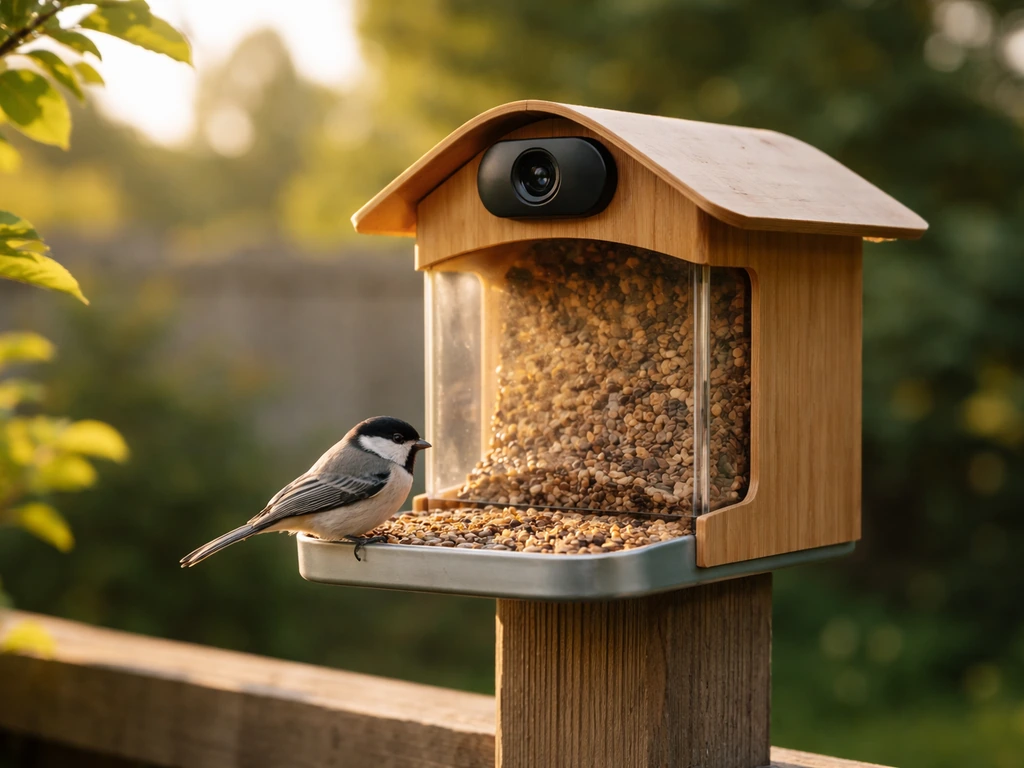
For most backyard birders, this feeder sits in a specific niche. The hardware, which includes the bamboo granary body, the solar panel, the 4K camera with a 150-degree viewing angle, and solid IP66 waterproofing, is genuinely well-made. At 11 inches long, 6.5 inches wide, and 9.8 inches tall, it's a reasonably sized outdoor unit that holds up in rain and wind without issues. The bird standing brackets give visiting birds a comfortable perch, and the hopper-style granary compartment makes refilling straightforward.
The frustration point is the app. Multiple users have flagged that the Tris Home app feels clunky, and cloud storage behavior after adding an SD card has caused headaches. The developer (reachable at [email protected]) does push updates, and the App Store shows continued development through at least Version 1.6.4 in May 2026, so things are improving. But if you're not patient with app troubleshooting, that friction is real. Bottom line: buy it if you want a smart feeder with a camera and are comfortable sorting out occasional app issues. Skip it if you just want a reliable, low-tech feeder, because there are better-value options for that.
Key features and build quality
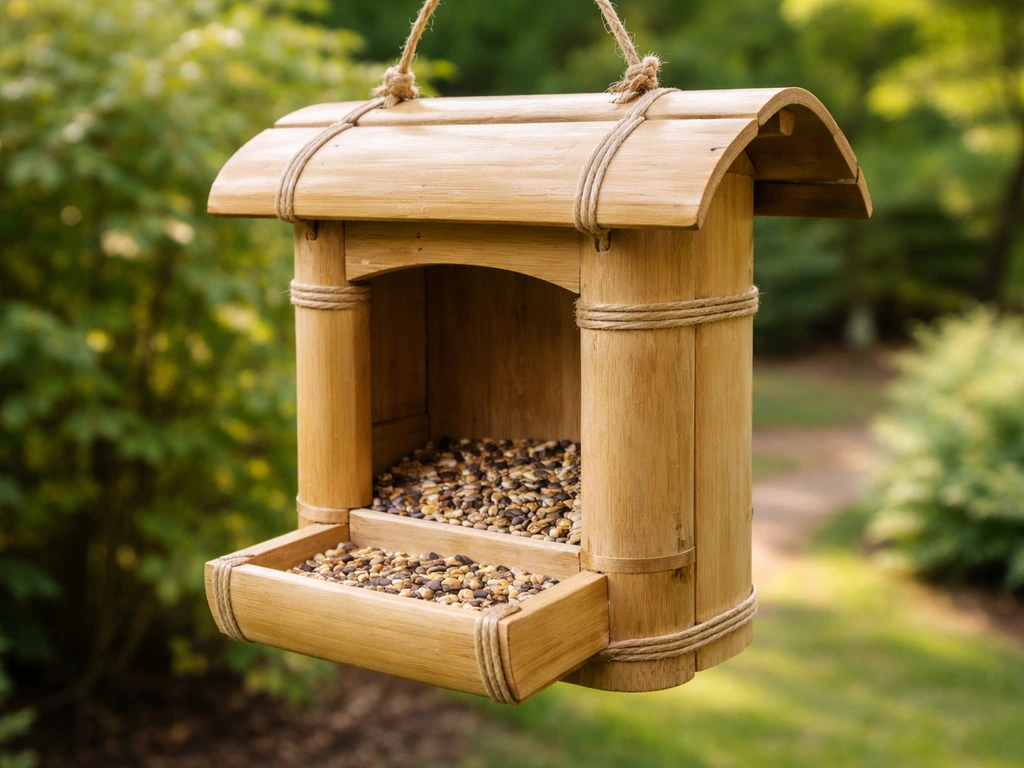
The TV-XM-Q20-4MP is built around a bamboo body, which gives it a natural look that blends into a garden setting better than most plastic feeders. Bamboo is reasonably durable outdoors, though it does need more maintenance than powder-coated metal over time, especially in very wet climates. The feeder weighs 4.7 pounds, so it has enough heft to stay stable when hanging but isn't so heavy that mounting becomes a project.
- Dimensions: 11" L x 6.5" W x 9.8" H
- Seed capacity: 1.5 liters (roughly enough to last a few days with moderate bird traffic)
- Camera: 4K resolution with a 150-degree wide-angle field of view
- Power: Solar-powered with battery backup for cloudy days or overnight operation
- Weatherproofing: IP66 rated, meaning it handles rain and wind without water ingress
- Mounting: Supports wall, pole, or tree mounting, plus a hook hole for hanging
- Included components: Smart bird feeder unit, solar panel, mounting bracket, black band, and mounting screws
The IP66 rating is the standout spec here. That's a genuine all-weather protection standard, not just "weather-resistant" marketing language. It means the feeder can sit through a serious rainstorm without your camera or electronics getting damaged. The solar panel keeps the system running without you needing to swap batteries constantly, which is a real practical advantage over battery-only smart feeders. The granary lid seals the seed compartment, which helps slow down moisture from getting into your seed supply.
Which birds will actually show up?
The Tris Home feeder uses a hopper-style granary design with bird standing brackets. That design works best for mid-sized perching birds. You'll get the best results with species like cardinals, chickadees, nuthatches, house finches, goldfinches, and sparrows. The standing brackets are sized for birds in roughly that weight range. Larger birds like blue jays can land on it, but the perch area may feel cramped for them. Very small birds like pine siskins or lesser goldfinches tend to do fine.
Woodpeckers won't visit this style of feeder, since they need suet cakes or vertical clinging feeders. If attracting woodpeckers, wrens, or chickadees on suet is a priority, a dedicated suet cage feeder is the right complement to add alongside this one. Hummingbirds obviously need a nectar feeder entirely, and orioles need their own fruit and nectar setup, so those groups are out of scope for this model. For seed-eating backyard birds in the finch and sparrow families, though, the Tris Home's design is well-matched.
Setup and placement: getting it right the first time
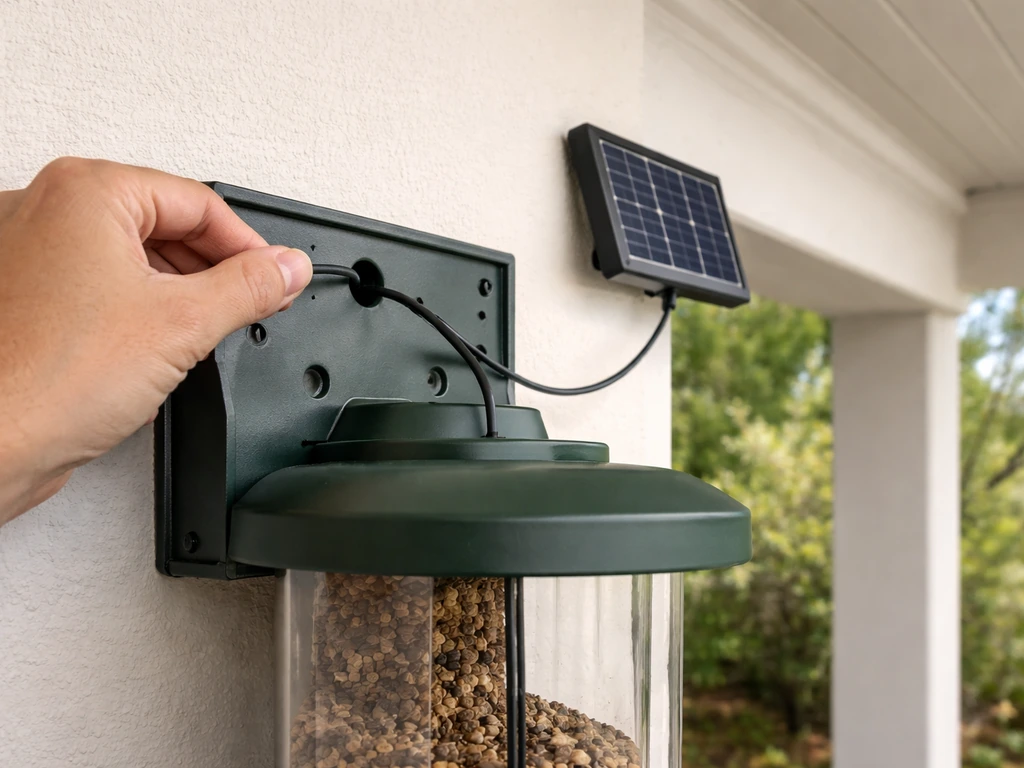
The setup sequence from the Tris Home manual is logical and not overly complicated. Run the solar panel connector through the back hole, connect the camera to the solar panel, seat the camera inside the feeder and close the door, attach the bird standing bracket, then open the granary covers and fill with seed. The included mounting bracket and hardware make pole or wall mounting straightforward. The hook hole gives you a hanging option if you prefer that. Plan on 20 to 30 minutes for a first-time setup.
Height and distance from windows
Hang or mount the feeder at least five feet off the ground. That height keeps it out of easy reach for most ground-level predators and makes squirrel jumps from the ground much harder. For window placement, the clearest guidance from ornithologists is this: either place the feeder within three feet of a window (so birds can't build up enough speed for a fatal strike) or at least 30 feet away (far enough that reflections aren't a confusion factor).
The mid-range of four to 29 feet is the danger zone for window collisions. Since the Tris Home camera is designed to be viewed from indoors, placing it within three feet of a window is actually a smart option, and it solves the collision risk at the same time.
Squirrel-proofing the placement
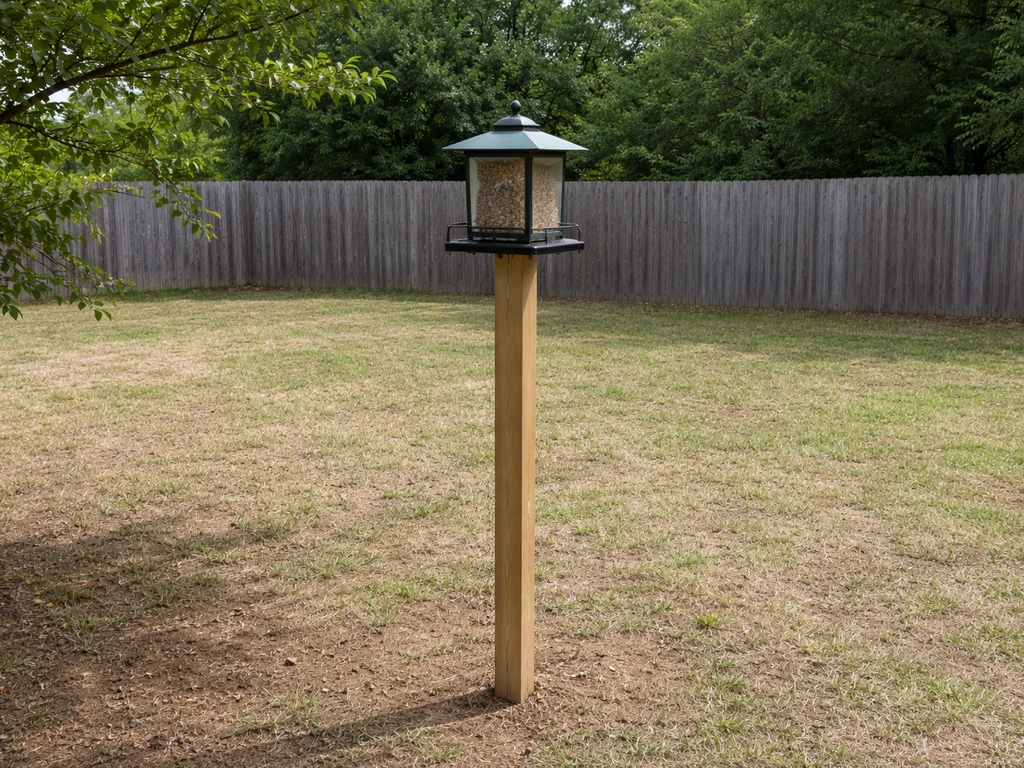
Position the feeder at least seven feet horizontally from any tree branch, fence, or structure a squirrel could use as a launch pad. Squirrels can jump roughly that distance, so anything closer is essentially an invitation. If you're pole-mounting, add a squirrel baffle below the feeder on the pole. A smooth metal pole with a baffle is the most reliable physical deterrent. The feeder's own design doesn't include integrated squirrel-proofing, so placement and accessories do the work here.
Shelter vs. exposure
The IP66 rating means you don't need to shelter this feeder from rain. That said, placing it near shrubs or a tree line (not directly under branches, for squirrel reasons) gives birds the nearby cover they prefer before flying in to feed. Birds are much more likely to visit regularly when they feel they have a quick escape route. In winter, a slightly sheltered spot also reduces seed freezing and ice clogging in colder climates.
Feed compatibility and keeping things clean
What to fill it with
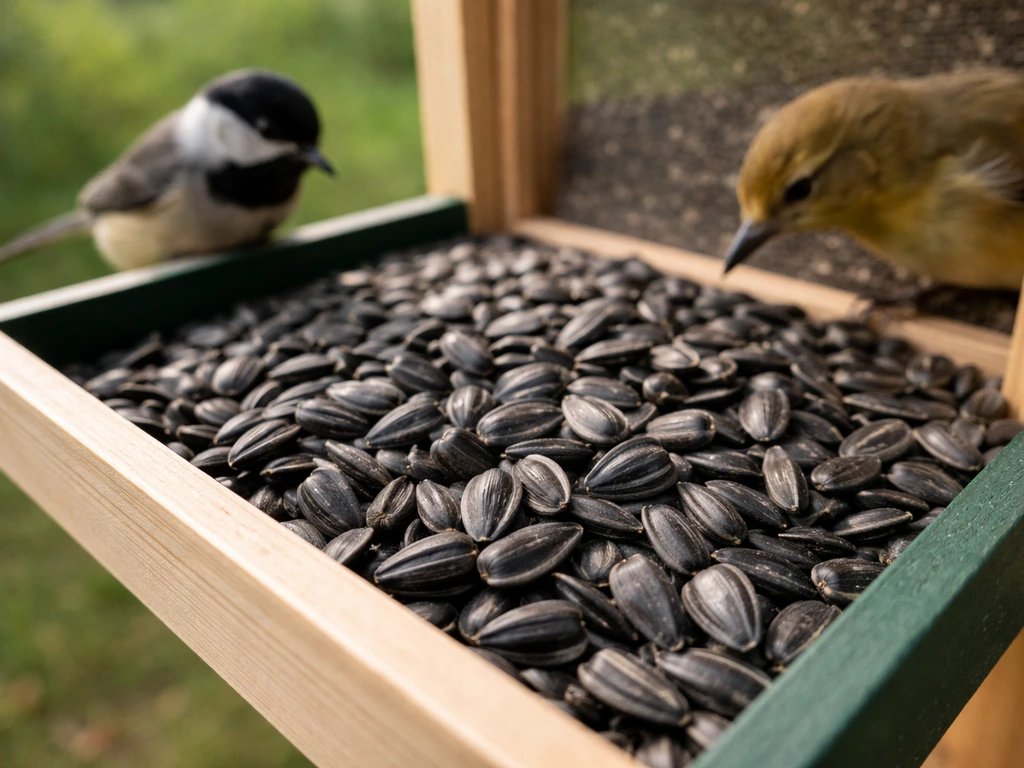
The granary hopper design works with most standard loose seed mixes. Black oil sunflower seed is the single best all-purpose choice for the birds this feeder attracts. Cardinals, chickadees, finches, and nuthatches all readily eat it. Safflower seed is worth considering as a secondary option because squirrels tend to dislike it, which makes it a low-effort deterrent. Avoid cheap filler mixes with a lot of milo or red millet, since most desirable birds leave those behind and the waste creates a mess under the feeder. Nyjer (thistle) seed is too fine for this hopper design and is better suited to purpose-built tube feeders with small ports.
Cleaning routine
Clean the feeder every one to two weeks during active seasons, or immediately if you notice wet clumped seed, mold, or a noticeable drop in bird visits. For the granary and tray components, soak removable parts in warm soapy water, then follow up with a ten-minute soak in a 1:9 bleach-to-water solution to disinfect. Rinse thoroughly and let parts dry completely before refilling. Because this feeder includes electronics, keep the camera housing and solar panel connection points away from the soapy water soaking. Wipe down electronic surfaces with a damp cloth instead. The granary lid design helps keep direct rain out of the seed, but in very humid climates you should check seed freshness every few days.
Preventing seed waste and moisture problems
Don't overfill the 1.5-liter granary. Fill it to about two-thirds capacity so seeds don't sit too long in the bottom layer and go stale. If you notice seed clumping at the base, that's usually a moisture problem coming in from underneath the perch tray area. A quick fix is to add a small amount of dried food-grade diatomaceous earth mixed into the seed to help absorb moisture. In winter, check after any ice or heavy snow that the granary lid closure is fully sealed and ice hasn't pushed it ajar.
Pest and problem troubleshooting
Squirrels and raccoons
The Tris Home feeder doesn't have an active squirrel-deterrent mechanism built in, so you're relying on placement and add-on hardware. The 5-7-9 rule is practical here: hang at least five feet high, seven feet from any jumping-off point, and nine feet from any overhead launch point. A pole-mounted baffle below the feeder is the most effective physical addition. If squirrels are persistent despite correct placement, switching to safflower seed significantly reduces their interest. Raccoons are mostly a nighttime problem; bringing the feeder in after dark is the simplest solution if raccoon activity is heavy in your yard.
Rain, wind, and seed spoilage
The IP66 waterproofing on the electronics is solid, but standing water on the seed tray is still possible in heavy rain. If you see water pooling on the tray after storms, check that the perch tray drainage points aren't clogged with seed debris. A quick brush-out after major rain events keeps things flowing. In very windy spots, the hanging hook mount can cause the feeder to swing, which some birds find unsettling. A pole mount is more stable if wind is a regular issue in your yard.
App and camera issues
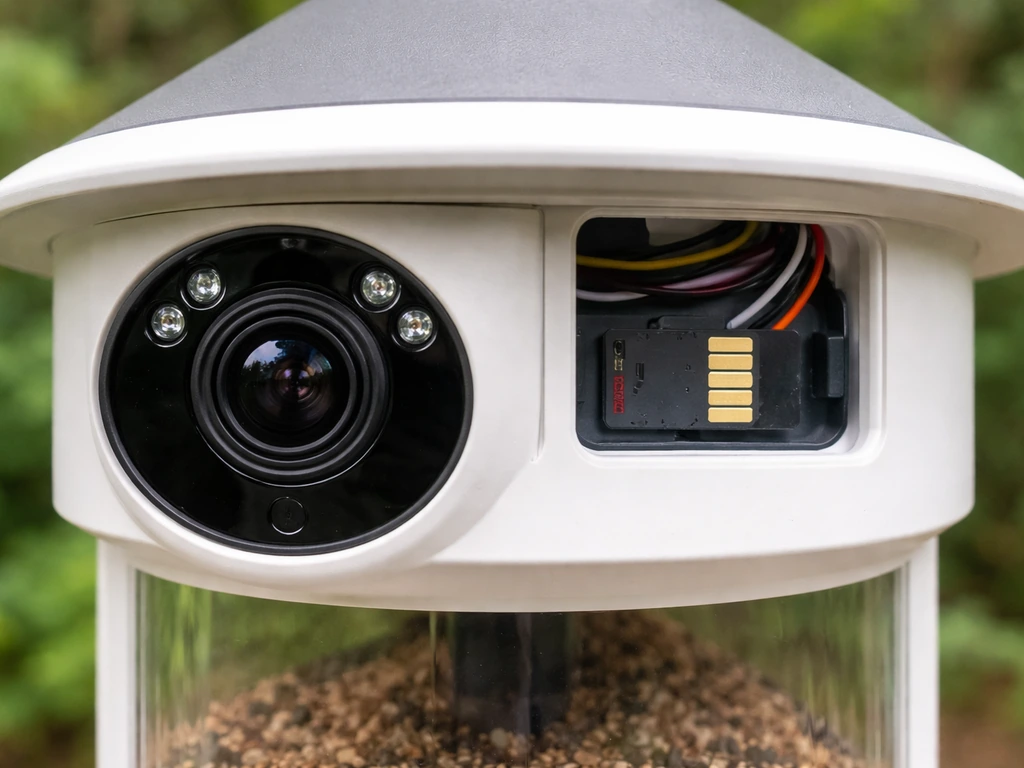
This is the most common frustration point. If you run into app connection problems or cloud storage confusion after inserting an SD card, start by checking the Tris Home app version and updating to the latest release before assuming something is wrong with the hardware. The developer actively maintains the app and pushes bug fixes, so an outdated version is often the root cause. If problems persist, contact tech@trisvision. If you run into after-sales issues, the Tris Home App Store listing includes developer support guidance in the reviews UI, including a feedback path to [email protected]. com directly. Users who went through that channel generally got resolution faster than those who tried to troubleshoot through app store reviews alone.
Finch conflict and bully birds
House sparrows and European starlings can dominate this style of feeder and crowd out smaller finches or chickadees. If that's happening, try removing millet from your seed mix, since sparrows strongly prefer it. Switching to straight black oil sunflower or safflower tends to shift the visitor balance toward the birds you actually want.
How it compares to similar smart feeders
The Tris Home TV-XM-Q20-4MP sits in a growing category of camera-equipped smart feeders. It's worth comparing it directly against the main alternatives before committing.
| Feature | Tris Home TV-XM-Q20-4MP | Birdfy / Similar Smart Feeders | Standard Hopper Feeder (No Camera) |
|---|---|---|---|
| Camera | 4K, 150° view | Varies (typically 1080p–4K) | None |
| Power | Solar + battery | Solar + battery (most models) | N/A |
| Weatherproofing | IP66 | IP65–IP66 (varies by brand) | Varies widely |
| Seed capacity | 1.5 liters | 1–2 liters typically | 1–5 liters |
| Body material | Bamboo | Mostly plastic | Metal, wood, or plastic |
| App experience | Improving but mixed reviews | Generally more polished | N/A |
| Squirrel-proofing | None built-in | Some models have active deterrents | Depends on model |
| Price range | Mid-to-high | Mid-to-high | Low-to-mid |
If the app friction is a dealbreaker, competing smart feeders with more established app ecosystems are worth a look. If you want a camera feeder at a comparable price point with a smoother software experience, that category has grown significantly and there are solid options. If you're focused purely on attracting birds and don't need a camera at all, a traditional hopper or tube feeder will outperform any smart feeder on pure value and simplicity.
If you want to narrow your choices, looking at types of bird feeders reviews can help you compare the main feeder styles and what birds they attract traditional hopper or tube feeder. For readers exploring the broader category of smart and camera-equipped feeders, it's worth comparing options across the full range of reviewed models to find the right fit for your yard and budget.
The Tris Home feeder's bamboo construction is a genuine differentiator. It looks better in a garden setting than most plastic competitors, and the IP66 rating matches or beats many feeders in its price range. If those factors matter to you and you're patient with app setup, it earns its spot. If you're looking specifically for duskweling bird feeder reviews, compare how it handles seed waste, cleaning, and app-free reliability against the Tris Home. If your priority is zero-friction tech and the most polished smart-feeder app experience available, shop around before committing.
The bottom line on setup and next steps
Buy the Tris Home feeder if you want a well-built, weatherproof, bamboo-body smart feeder with a quality 4K camera and you're willing to spend a little time getting the app dialed in. Set it up on a pole at least five feet high, seven feet from any squirrel launch point, and either within three feet of a window or at least 30 feet away.
Fill it two-thirds full with black oil sunflower seed or safflower, clean it every one to two weeks, and keep the app updated. Do that and the feeder performs well. Skip it if you want pure plug-and-play simplicity or a feeder designed specifically for hummingbirds, woodpeckers, or orioles, since those birds need purpose-built designs that this hopper-style unit doesn't match.
If you want a broader smart-feeder comparison, an osoeri bird feeder review can help you weigh alternatives side by side with the Tris Home.
FAQ
Does the Tris Home smart feeder work without an SD card, and what should I expect if I skip the SD card?
Yes, it can still function as a camera feeder without relying on an SD card, but recording behavior may differ depending on whether you use local storage or cloud storage. If you care about continuity during outages, test SD recording right after setup, and confirm the app actually recognizes the card before you depend on it.
How much seed should I put in at the start to avoid mold or clumping?
Use the two-thirds rule, filling the hopper only partway so the bottom layer does not sit too long. If you see clumps forming even with reasonable weather, reduce fill level and check for trapped moisture near the tray area, because standing water will accelerate spoilage.
What’s the best way to position the feeder for window safety without ruining camera viewing?
For collisions, choose either very close placement (within about three feet) or far placement (30 feet or more), and treat the 4 to 29 foot band as the higher-risk zone. Then confirm your camera field of view from indoors, since “close to window” can be visually ideal for you while still improving bird safety.
Will this feeder attract woodpeckers, and if not, what’s the easiest add-on plan?
No, it is not a woodpecker-friendly design because it is built for perching on a hopper-style tray. If woodpeckers are a goal, add a dedicated suet cage or a vertical-clinging style feeder in a separate location, rather than trying to “convert” the Tris Home with seed.
Can I use nyjer (thistle) seed in the Tris Home hopper?
Nyjer is usually a bad fit for this feeder type because the seed is too fine for hopper-style flow through the tray. It is much better suited to tube feeders with small ports designed to meter nyjer, so you’ll likely see poor feeding and extra mess if you try it here.
How do I tell whether the feeder is too wet inside after rain, and what should I do immediately?
After storms, look for pooling on the seed tray or rapid clumping at the base of the feeder. If you see water collection, brush out debris from drainage points and pause refilling until the tray and lid area are dry enough to prevent mold and soggy seed.
Is bamboo really suitable outdoors long-term, and how should I care for it?
Bamboo holds up decently, but it typically needs more routine attention than powder-coated metal, especially in consistently wet climates. If you live in high-humidity or frequent rainfall areas, check the body for any warping or loosening seals periodically and keep the seed lid closure fully engaged.
What’s the safest cleaning method given the solar panel and camera electronics?
Soak only the removable seed-contact parts, keep the camera housing and connection points out of the water-soak process, and clean electronics by wiping with a damp cloth instead. This helps avoid residue buildup around ports that can later affect charging or recording reliability.
How often should I disinfect, and can I use bleach too frequently?
Clean every one to two weeks during active seasons, and disinfect removable tray and granary parts when you notice wet clumping, mold, or a drop in visits. Bleach disinfection is effective, but do not skip rinsing thoroughly and fully dry components before refilling, because residual odor or moisture can discourage birds.
What should I do if birds stop visiting after a weather change or after I switch seed?
First, rule out moisture issues by checking for wet clumps and tray pooling. Then adjust the seed mix deliberately, black oil sunflower as the primary option, safflower as a secondary option, and reduce millet if sparrows or starlings dominate, since those species often respond quickly to mix changes.
How can I reduce squirrels if I already mounted correctly but they keep returning?
Start with placement and add-ons: ensure you are at least five feet high and away from launch points, then add a smooth pole baffle below the feeder if you pole-mount. If squirrels still persist, switching to safflower can reduce their interest more effectively than repeatedly changing placement alone.
Does the feeder swing in wind, and will that affect bird usage?
A hanging hook mount can swing in gusty conditions, which can make some birds hesitate. If wind is a regular problem in your yard, pole mounting generally keeps the feeder steadier and can improve consistency of visits, especially for smaller finches.
What’s the first troubleshooting step for app or cloud issues after inserting an SD card?
Update the Tris Home app first, then verify the app version and confirm the SD card is detected before assuming there is a hardware fault. If issues persist after updating, contacting [email protected] typically resolves problems faster than repeated trial-and-error through app settings.
Next Articles
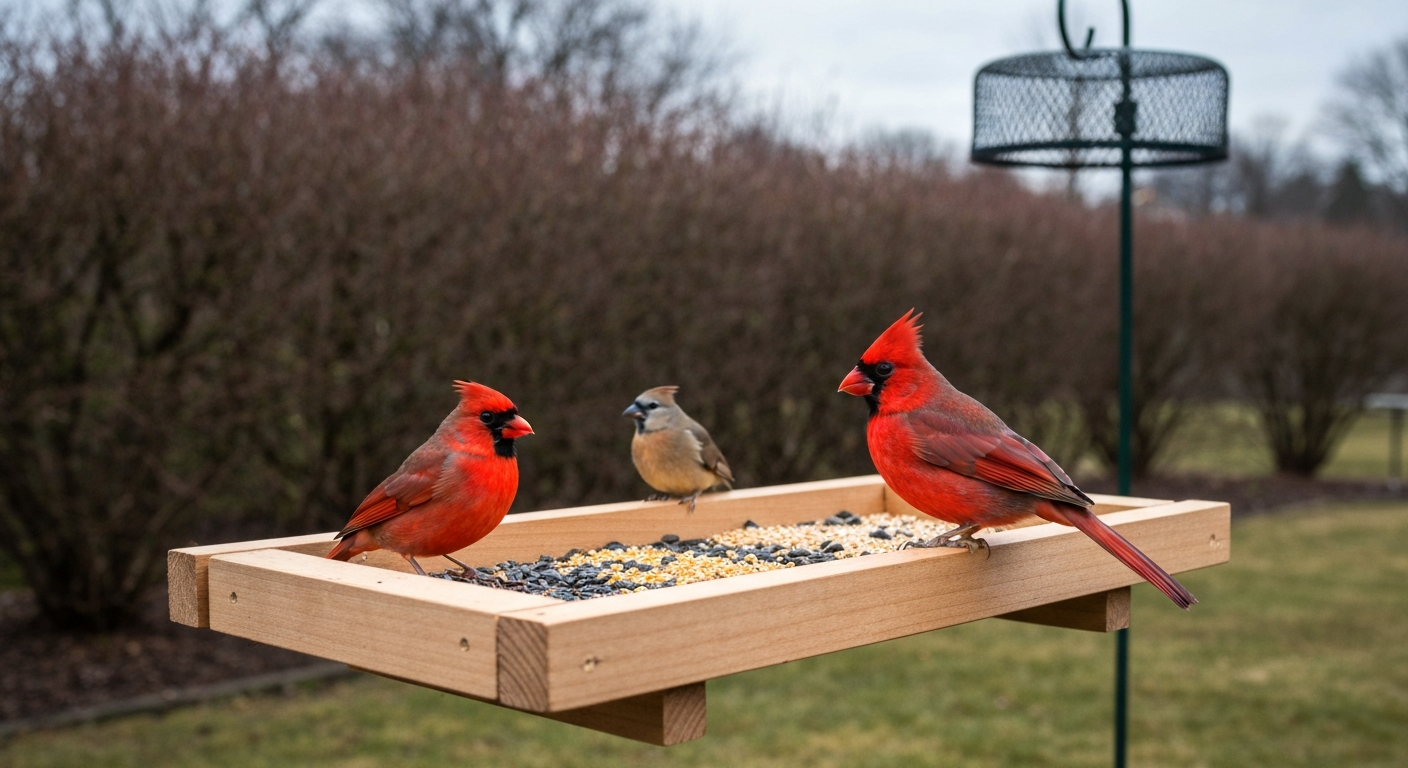
What Does a Cardinal Bird Feeder Look Like: Design & Tips
Identify and choose the best cardinal bird feeder: shapes, colors, perches, seeds, placement, and winter tips.
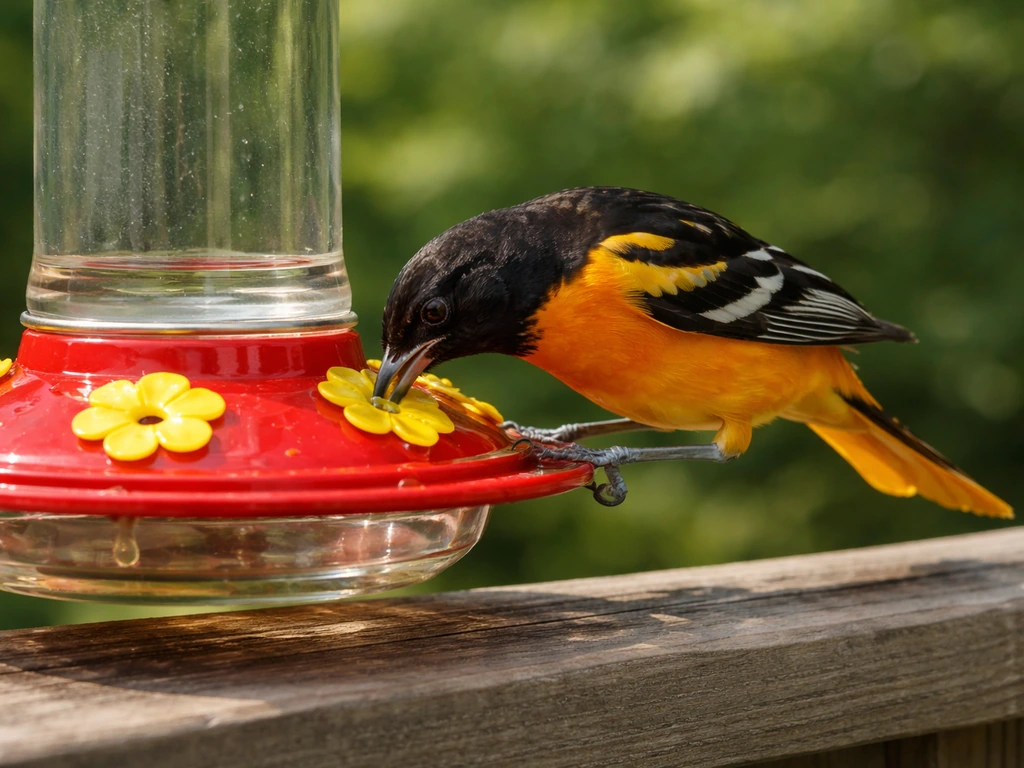
Best Bird Feeder for Baltimore Orioles: Buyer Guide
Choose the best bird feeder for Baltimore orioles: styles, features, placement tips, and fixes for heat, pests, and acce
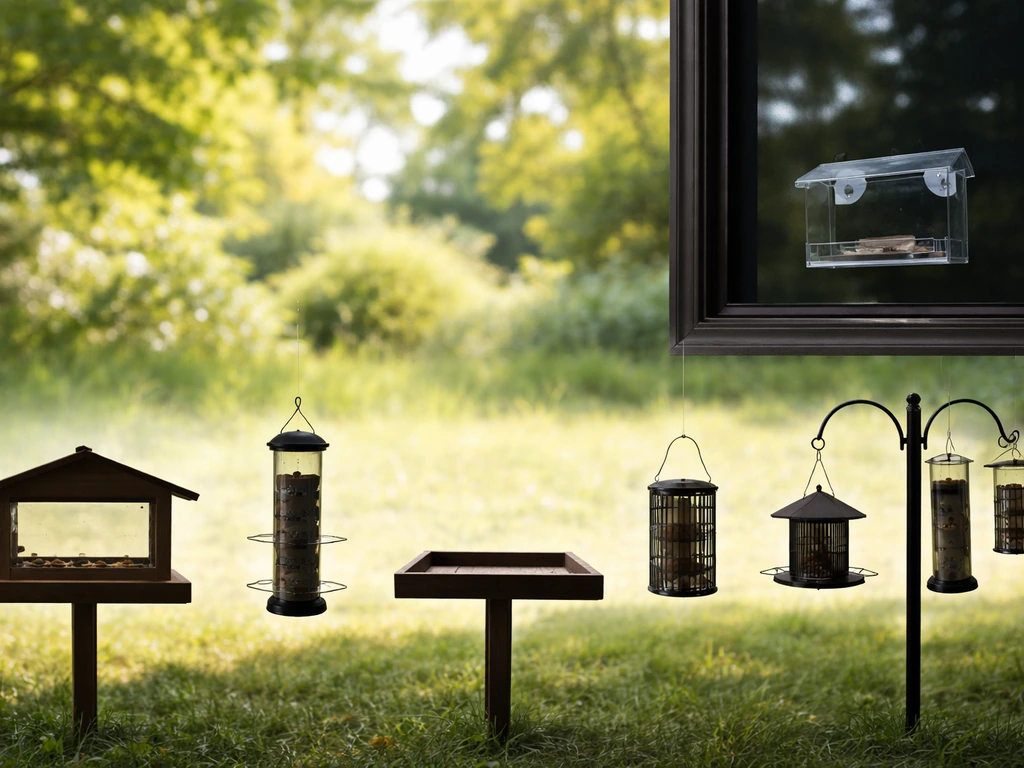
What Does a Bird Feeder Look Like? Types and Visual Cues
See common bird feeder silhouettes and visual cues, plus features for choosing and troubleshooting fast.