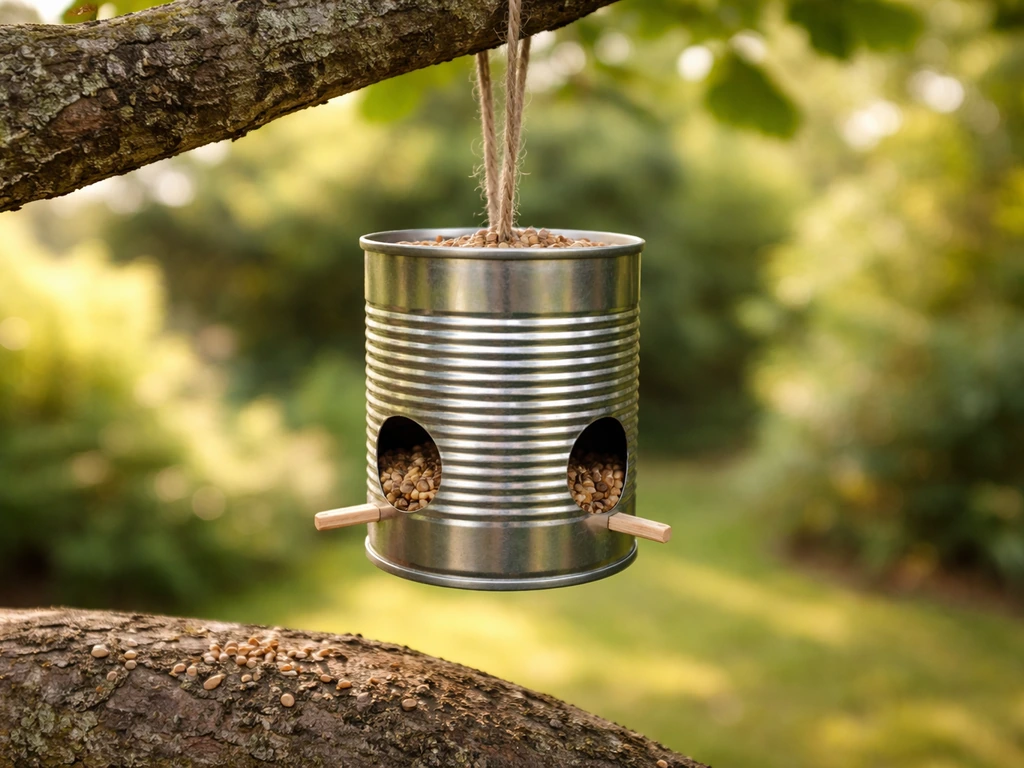
A bird feeder can be built from a simple tin or aluminum can in about 20 minutes, and it works surprisingly well for small seed-eating birds like chickadees, house finches, and sparrows. You drill or punch a few feeding holes, add a perch stick, hang it from a branch, and fill it with black-oil sunflower seed. That said, the phrase 'bird feeder can' means two different things depending on who's searching: either a DIY feeder you make from a household can, or a commercially made feeder with a cylindrical can-like shape. Both are worth understanding because they suit different birds, foods, and situations.
Bird Feeder Can Setup: DIY Fixes and Safe Selection Guide
Marcus Hendricks
27 May 2026
DIY Can Feeder vs. Can-Style Commercial Feeder: What You're Actually Dealing With
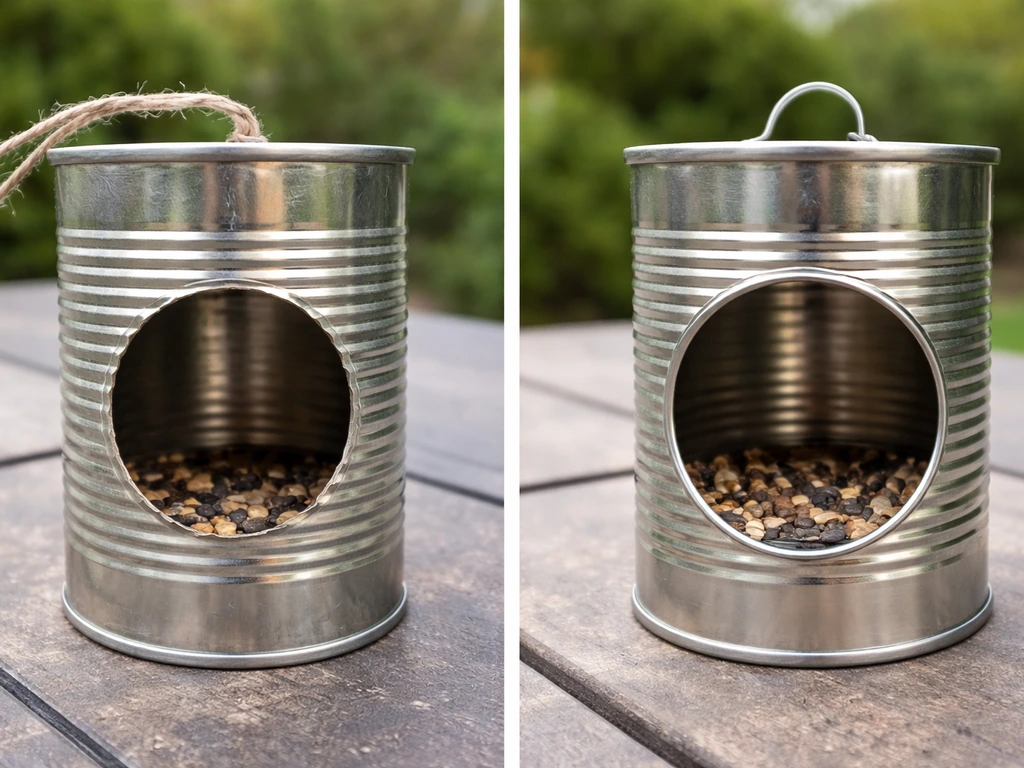
The DIY version is exactly what it sounds like: a clean tin can (coffee can, soup can, large food can) or a plastic container converted into a feeder by cutting or drilling openings, adding a hanging wire, and often gluing on a perch. It's a budget-friendly starting point, a craft project, or an emergency solution when your regular feeder breaks mid-winter.
The commercial 'can-style' feeder is a different animal. These are purpose-built tube or cylinder feeders made from metal or UV-stabilized plastic, designed to hold seed, suet, or mixed blends. They share the same cylindrical silhouette as a can, but they come with engineered ports, drainage, and UV and weather resistance that a repurposed soup can simply can't match. If you've been shopping and landed here looking at tube feeders, those fall into this category too. The comparison table later in this article breaks down when each approach makes sense.
Best Can Feeder Designs for Different Foods and Feeding Styles
Not every can design works for every food. Matching the opening size and design to your target food and birds is the single biggest factor in whether birds actually use it.
| Feeder Design | Best Food | Target Birds | Key Feature Needed |
|---|---|---|---|
| Small-hole tin can (1/2 inch ports) | Black-oil sunflower seed, safflower | Chickadees, finches, nuthatches | Smooth port edges, perch below each hole |
| Large-hole or open-top can (1-1.5 inch ports) | Mixed seed, cracked corn, millet | Sparrows, juncos, doves (if low platform style) | Wide opening, drainage holes at base |
| Mesh-sided can insert | Suet chunks, peanuts in shell | Woodpeckers, nuthatches, blue jays | Mesh or wire cage insert, no perch needed |
| Lidded can with bottom dispensing slot | Nyjer (thistle) seed | Goldfinches, pine siskins, redpolls | Very narrow slot (1/8 inch), tight lid seal |
| Commercial cylinder/tube feeder | Any seed, nyjer, or suet pellets | Broad mix depending on port size | UV-stable material, built-in drainage, easy cleaning |
Suet is a special case. Dedicated suet bird feeder designs can help you offer suet safely and attract the right visitors. The best suet bird feeders are designed specifically to hold suet securely and let woodpeckers and nuthatches feed comfortably. A standard can doesn't handle a suet cake well unless you swap the side wall for a wire mesh insert, which lets birds cling and peck rather than reaching in through a small hole. If woodpeckers or nuthatches are your priority, a dedicated suet feeder beats a can design every time. But for the seed-eating crowd, a well-built tin can feeder punches above its weight.
How to Build a DIY Tin Can Bird Feeder Step by Step
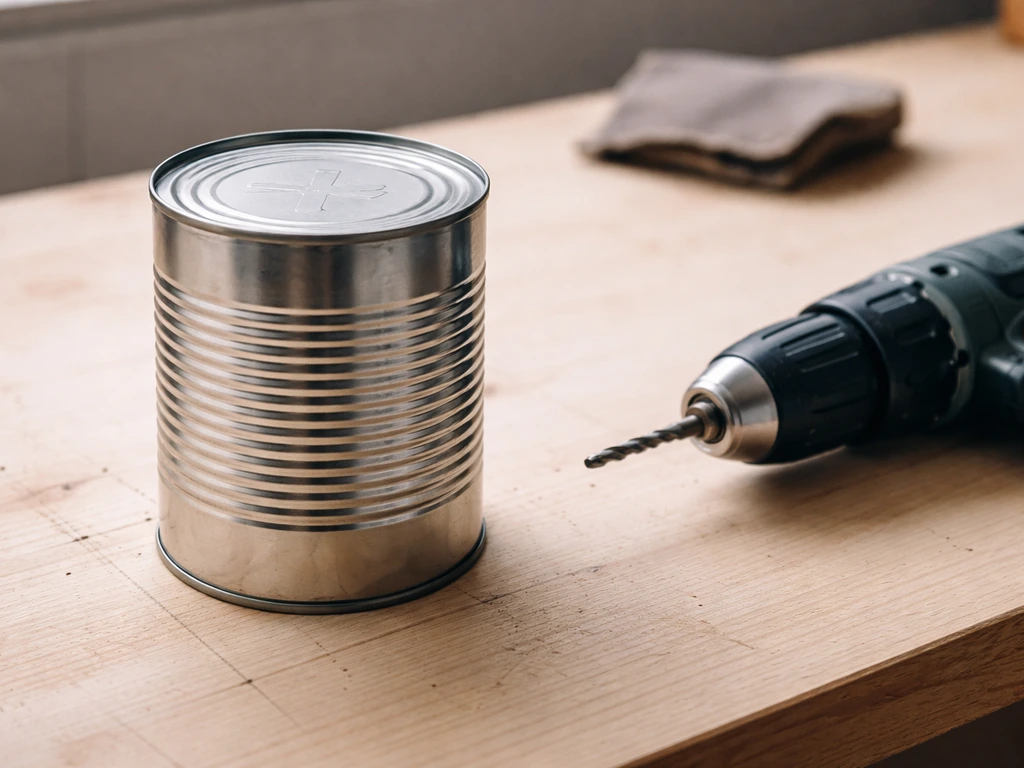
What You'll Need
- One large clean tin can (28 oz or larger coffee or food can works best; larger cans hold more seed and are easier to drill)
- A drill with a 1/2-inch bit for seed ports, plus a 1/8-inch bit for drainage holes
- Metal file or sandpaper (80-grit works well) to deburr all cut edges
- Two natural hardwood dowels or straight sticks, about 6-8 inches long and 1/4-inch diameter, for perches
- Waterproof epoxy or exterior wood glue
- 16-gauge galvanized wire or a heavy S-hook for hanging
- Rustproof spray paint or clear lacquer (optional but highly recommended for longevity)
- Needle-nose pliers
Building It
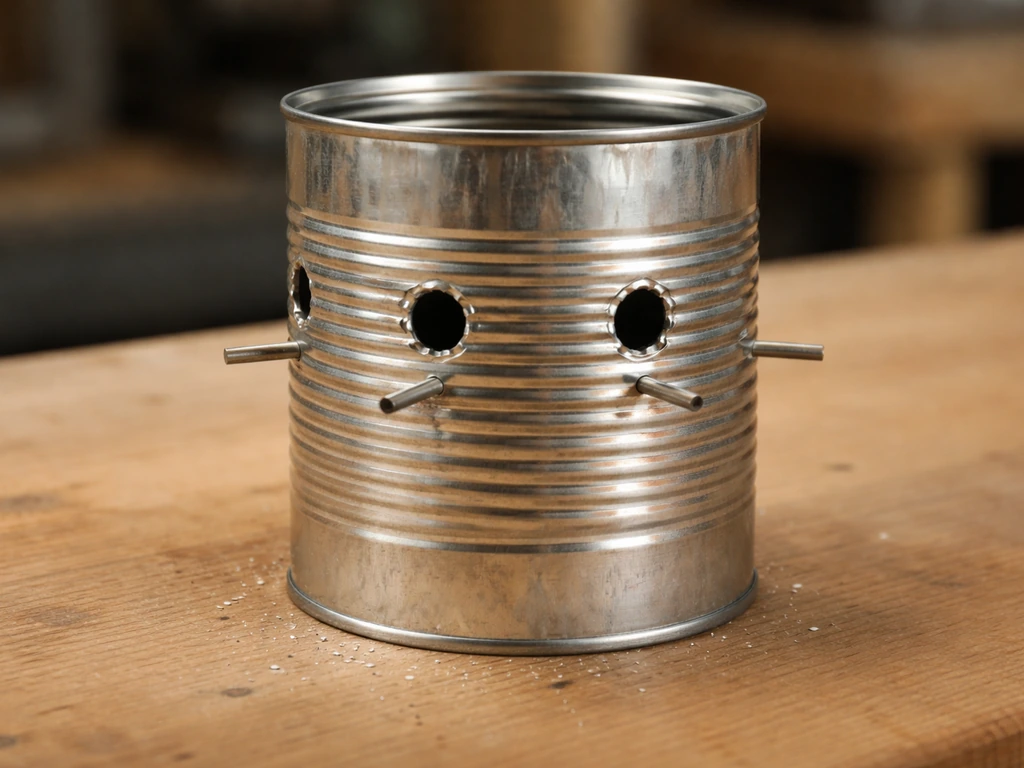
- Wash the can thoroughly and remove the label. Let it dry completely before drilling.
- Mark two to four feeding ports on the side of the can, about 1 inch up from the bottom. Space them evenly around the circumference. Each port should be 1/2 inch in diameter for black-oil sunflower seed, or up to 3/4 inch for mixed seed.
- Drill the ports slowly. Use a center punch or nail to dimple the metal first so the drill bit doesn't wander. Drill from the outside in.
- File every cut edge thoroughly until smooth. Run your finger around each hole before proceeding. Sharp metal edges will injure birds' feet and beaks, so don't skip this step.
- Drill 4 to 6 small drainage holes (1/8 inch) across the very bottom of the can. These are non-negotiable for keeping seed dry.
- Mark perch holes about 3/4 inch below each feeding port, just large enough for your dowel or stick to fit snugly. Push the perch through both sides of the can so it extends about 2 inches on each side. Secure with waterproof epoxy.
- Punch or drill a hanging hole through the top rim (or use the existing lid ring if your can has one). Thread the galvanized wire through and twist it into a secure loop with pliers. The feeder should hang level, not tilted.
- Apply rustproof spray paint or clear lacquer to the outside of the can and let it cure fully before adding seed. This step dramatically extends feeder life.
- Fill the can two-thirds full with seed and hang it. Don't overfill: seed sitting against a vent hole will block drainage and get wet.
One thing the PA Game Commission's tin can feeder instructions get right: a perch below each hole matters more than most people expect. Chickadees and finches grab-and-go, but sparrows and nuthatches prefer a stable landing spot before they commit to eating. Two cross-perches at different heights on a larger can will attract a noticeably broader range of visitors.
Placement and Setup for Quick Bird Visits
Height matters, but not in the way most beginners think. The standard recommendation is 5 to 6 feet off the ground, which puts the feeder out of easy reach for cats and keeps squirrels from launching at it from the ground. Hang it from a branch or dedicated pole that's at least 10 feet away from any jump-off point (fence, tree trunk, roofline), since squirrels can cover 6 feet horizontally with a running leap.
Window proximity is worth thinking about carefully. The counterintuitive guidance from Cornell's Project FeederWatch is that placing a feeder very close to a window (within 3 feet) actually reduces window strike risk, because birds don't build up dangerous flight speed in that short distance. Placing it 10 to 30 feet away is the danger zone. Tufts Wildlife Clinic notes that birds can fly to escape cover quickly and provides guidance on window collision distances, which helps inform safe feeder placement blank" rel="noopener noreferrer">window collision distance guidance. For a DIY can feeder hanging from a porch, close proximity to a window is usually fine.
Cover nearby but open sightlines. Birds feel safer feeding when there's a shrub or tree within 10 feet to dart to if a hawk shows up, but they don't want the feeder jammed against dense cover where cats can hide. A spot in partial shade also keeps seed cooler and extends its freshness, especially in summer.
Weatherproofing and Winter Feeding
Wet seed is the number-one failure mode for can feeders in every season, but it's especially brutal in winter when soaked seed freezes solid and blocks ports entirely. A few design and placement adjustments make a real difference.
- Drill drainage holes at the absolute lowest point of the can, not partway up the side. Water follows gravity, and any hole above floor level leaves a puddle.
- Angle the feeding ports very slightly downward (a 5-degree tilt during drilling is enough) so any moisture that enters flows back out rather than pooling inside.
- Add a DIY rain guard: a second can lid, a small plastic saucer, or a piece of sheet metal cut into a dome and wired above the hanging hook acts as an umbrella. Even a 4-inch overhang keeps the worst of rain off the ports.
- In freezing weather, check the feeder every morning. Frozen seed clogs ports instantly. Keep your holes slightly larger in winter (3/4 inch rather than 1/2 inch) to reduce clogging.
- Switch to high-fat winter foods. Black-oil sunflower seed, peanut pieces, and suet cakes give wintering birds the calorie density they need. Audubon's winter feeding guidance specifically calls out sunflower and safflower for hopper and tube-style feeders, and the same logic applies to a can feeder.
- Empty and dry the feeder before each refill. Pouring new seed on top of damp old seed accelerates mold growth and can spread disease to your regular visitors.
Metal cans rust faster in winter than in summer because of the freeze-thaw cycle. If you painted and sealed the exterior before deployment, you'll get a much longer life. Check for rust spots every few weeks and touch up with rustproof paint. A compromised can with rust inside should be retired: rust flakes in seed are a real contamination risk.
Pest and Safety Troubleshooting
Squirrels
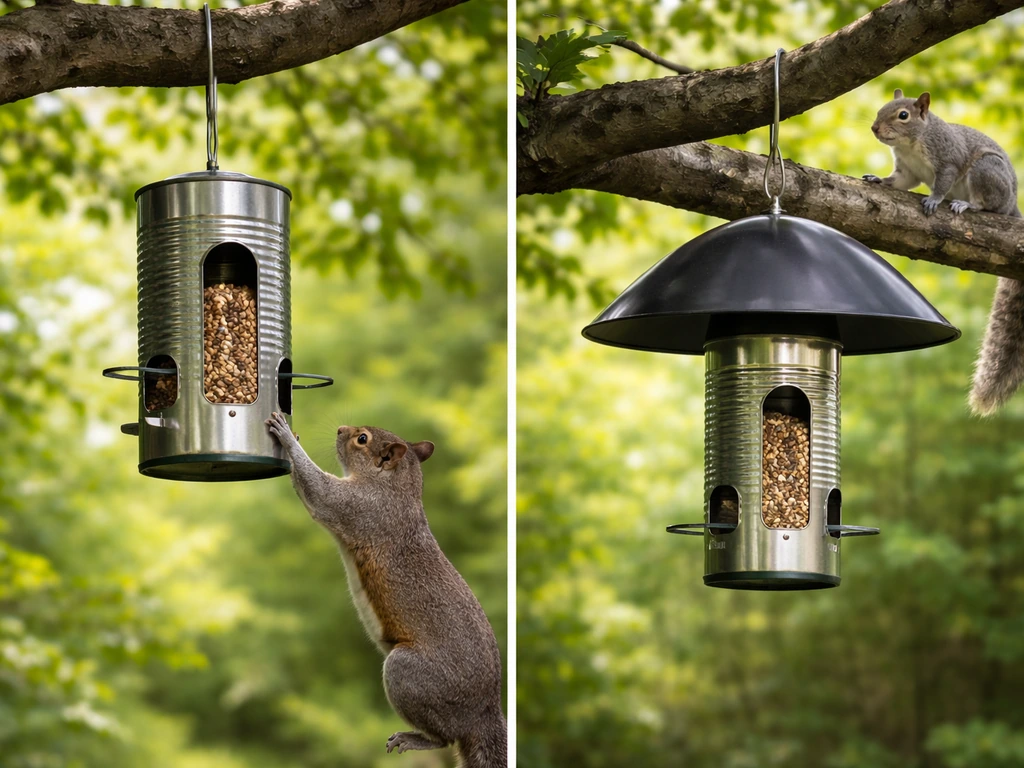
A tin can feeder hung from a branch with no baffle is essentially an invitation for squirrels. They'll reach it within days, chew the feeding ports wider, and dump or empty the seed fast. The most effective solution is a pole-mounted setup with a torpedo or dome baffle positioned at least 4 feet off the ground and at least 18 inches below the feeder. Squirrels can jump 6 feet straight up from the ground, so any baffle needs to account for that. A cage surrounding the feeder (hardware cloth with 1.5-inch openings) is a reasonable secondary defense that lets small birds through while blocking squirrels.
Rodents and Rats
Ground-feeding seed spillage is the main rodent attractant. Sweep or rake beneath the feeder every few days. Using no-mess seed blends (hulled sunflower, shelled peanuts) reduces what falls to the ground. Avoid hanging a can feeder from a wooden structure like a deck rail if rats are a local problem: rats are excellent climbers and will reach an unhung feeder faster than you'd expect.
Ants
Ants mostly go after liquid feeders (hummingbird nectar) but will also raid seed feeders for oils and spilled food. An ant moat, which is a small water-filled cup that clips onto the hanging wire above the feeder, breaks the ant trail effectively. This is a $3 to $5 accessory at any hardware store and is one of the easiest wins in feeder maintenance.
Sharp Edges and Rust
This is the safety issue most DIY guides underemphasize. Any drilled or cut edge on a metal can has the potential to cut a bird's foot or beak, especially as the feeder ages and the metal flexes. File every opening until it's smooth to the touch, and re-inspect monthly. If you see rust forming around any port or hole, file back to bare metal, apply a dab of rustproof paint, and let it dry fully before re-hanging. If the rust is inside the can or near the seed reservoir, retire the feeder.
Disease Prevention
The Minnesota DNR and RSPB both flag wet, moldy seed as a primary disease vector at feeders. For a can feeder, cleaning is harder than with a commercially designed feeder because the opening is narrow. A bottle brush works well for reaching inside. Use a 10% bleach solution (one part bleach to nine parts water), scrub thoroughly, rinse until you can't smell bleach, and let the can air-dry completely before refilling. Do this every two weeks in wet weather, and monthly in dry conditions. If you notice sick or lethargic birds congregating at your feeder, stop feeding for at least three weeks and do a full clean before resuming.
When It's Time to Upgrade to a 'Real' Feeder
A tin can feeder is a great starting point, but it has real limitations. Use this as a decision guide for when to move on. For the latest bird feeders news, it helps to check recent reviews and seasonal feeding tips before you switch designs.
| Situation You're Experiencing | Upgrade To | Why It Solves It |
|---|---|---|
| Birds aren't landing or seed spills fast | Platform or hopper feeder | More surface area, stable perching, holds more seed |
| Woodpeckers or nuthatches are visiting but can't cling | Dedicated suet cage feeder | Mesh design built for clinging; holds suet cakes securely |
| Goldfinches or siskins are present but ignoring the feeder | Nyjer tube feeder with small ports | Narrow ports keep nyjer seed dry; thistle feeders are designed for this |
| Squirrels are destroying the feeder in days | Squirrel-proof tube feeder with weight-activated ports | Metal construction and engineering that can feeder can't replicate |
| Seed constantly gets wet and moldy | Covered hopper or weatherproof tube feeder | Built-in roofing and drainage far outperforms DIY rain guards |
| Hummingbirds or orioles are appearing | Nectar/oriole feeder | Can feeders cannot hold liquid safely or hygienically |
| Cardinals are skipping your feeder | Wide hopper or platform feeder | Cardinals need a larger landing platform than a can perch provides |
The can feeder is genuinely effective for chickadees, house finches, nuthatches, and sparrows visiting sunflower or mixed seed. If that covers your local bird population and you're happy cleaning and maintaining a simple setup, there's no pressure to upgrade. But if you're chasing specific species like woodpeckers, goldfinches, or cardinals, or dealing with persistent pest pressure, a feeder designed for those specific challenges will give you far better results with a lot less frustration. The best feeder for your situation is always the one matched to the bird, the food, and the local pest pressure, not just the one you can build in an afternoon.
If you do decide to move beyond the can, it's worth comparing the broader feeder types and reading up on what works for your specific target species before buying. If you want to explore bird feeder alternatives, compare tube, tray, and specialty feeders based on your target species and local pests. The range of options is wide, and what works brilliantly for a cardinal setup may be the wrong call entirely for a finch-focused yard.
FAQ
Can a bird feeder can attract finches and chickadees if my holes are already cut?.
A can-style feeder can work, but not if the holes are too large or too high. For small seed-eaters like chickadees and finches, use feeding ports just big enough for them to reach in, and consider adding a perch that sits directly under each port so birds can grab seed without hopping awkwardly.
When should I stop using a DIY bird feeder can because of rain or freezing weather?
Tube or specialty feeders usually outperform a DIY can when you need reliable drainage and weatherproof materials. If your area gets heavy rain or the can ports keep clogging, switch to a feeder with engineered seed ports and drainage features, or at minimum add a cover design that sheds rain while still allowing birds access to dry seed.
Can I use my bird feeder can for suet as a backup when I cannot buy a suet feeder?
Yes, but you have to switch the food handling approach. If you want to offer suet, keep the can well away from seed ports and use a wire mesh insert or upgrade to a dedicated suet feeder so birds can cling and peck safely. A standard seed-can setup often leads to damage, messy blocks, and birds reaching in too far.
What repair mistakes make a bird feeder can dangerous or ineffective later on?
Do not “plug” the ports with tape, thick glue, or adhesive patches. Those materials can trap moisture, break down in sunlight, and create sharp edges if they peel. Instead, repair openings with rustproof paint after filing smooth, and ensure the hole edges are fully rounded before refilling.
How do I choose the best height and placement if I have limited mounting options?
If you want to attract birds, use the 5 to 6 feet guideline for most yards, then adjust for your specific flight and predator risk. Place the feeder farther from dense hiding cover but still near escape cover, and avoid mounting it so low that cats can reach or so high that squirrels can launch from multiple surfaces.
My birds keep missing the perch on my bird feeder can, what should I change?
Avoid using random small pieces of wire perches. Perches should be sturdy enough for repeated landing and positioned so birds do not have to stretch sideways toward the holes. A smoother dowel-style perch beneath the ports tends to reduce missed landings compared with jagged or narrow rods.
Why did my birds stop coming after I cleaned and refilled the bird feeder can?
Not necessarily. If seed is wet, moldy, or consistently freezes at the ports, birds may stop visiting even after you fix the feeder. In winter, run a short “dry-out” period, then refill with fresh seed only after the ports are fully clear and the can has been thoroughly dried.
How often should I sanitize a bird feeder can, and what’s different from cleaning a commercial feeder?
Most outbreaks start from dirty seed and narrow access points that trap debris. Use a bottle brush for the interior, rinse until bleach smell is gone, and fully air-dry. If sick or lethargic birds show up, pause feeding for at least three weeks and start with a fresh clean setup before resuming.
If I add a baffle, why do squirrels still empty my bird feeder can?
A simple baffle may not be enough if the can is close to a tree trunk, fence, or nearby roof edge. The baffle needs to be positioned in a way squirrels cannot reach from either a vertical climb or a running jump. If squirrels still access it, add a cage-style barrier with small openings that let birds through while blocking squirrel access to the ports.
Do ants really bother seed on a bird feeder can, and how do I stop them effectively?
Yes. Ant activity is less about nectar-feeding only, and more about trail-following and spilled food. An ant moat clipped onto the hanging wire above the feeder can break the trail, and keeping the area under the feeder clean reduces the “free buffet” effect from spilled seed oils.
How can I tell when my DIY bird feeder can is too rusted to be safe?
Yes, especially if the can is outdoors all winter or you see rust at any port. File edges smooth when you build, then re-check monthly. If rust forms around holes, file back to clean metal and touch up with rustproof paint, but retire the feeder if rust is inside the seed reservoir or flakes into the food.
Next Articles
Audubon Recommended Bird Feeders: Picks by Species
Audubon-style feeder picks by bird species, with mounting, pest control, cleaning, and troubleshooting tips for your yar
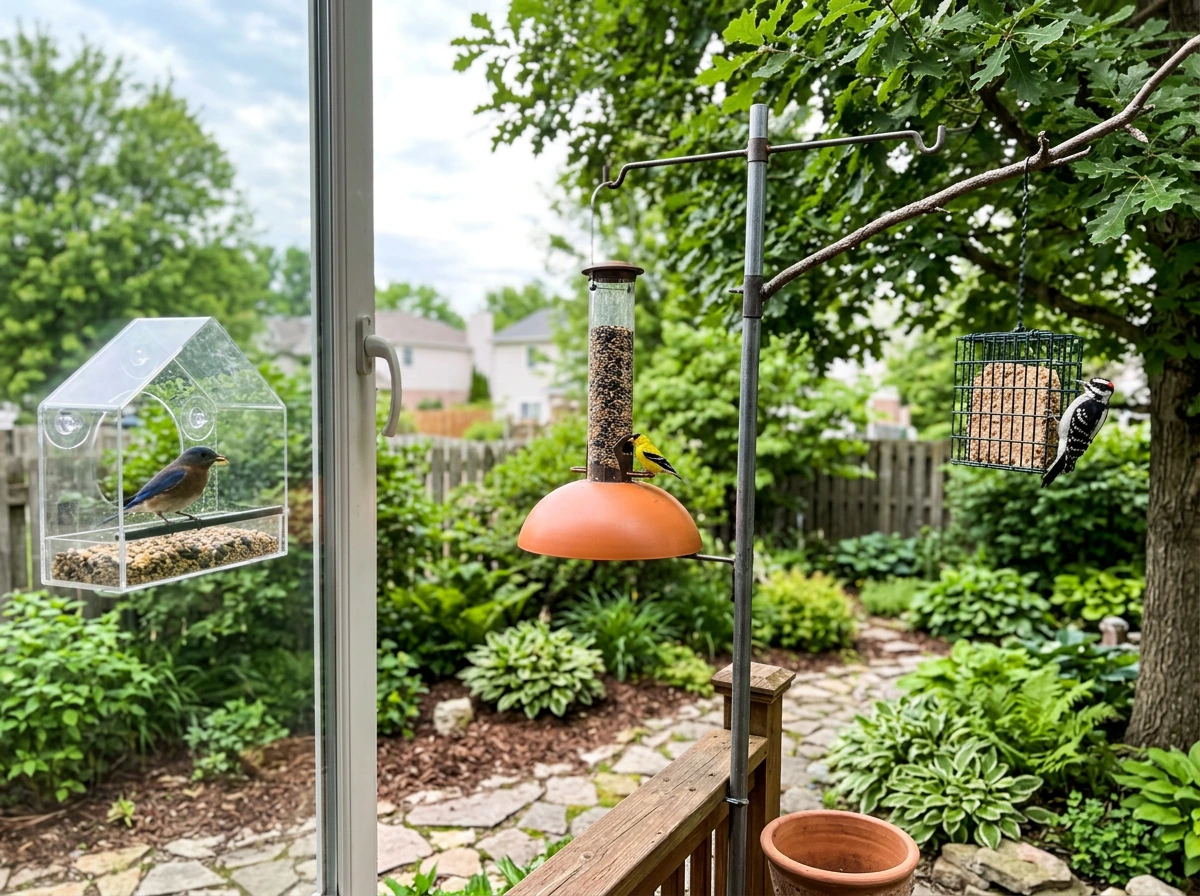
Bird Feeder Best Guide: Pick the Right Feeder Today
Choose the best bird feeder for your yard and target birds, with weatherproof, pest-proof, and winter-ready tips.
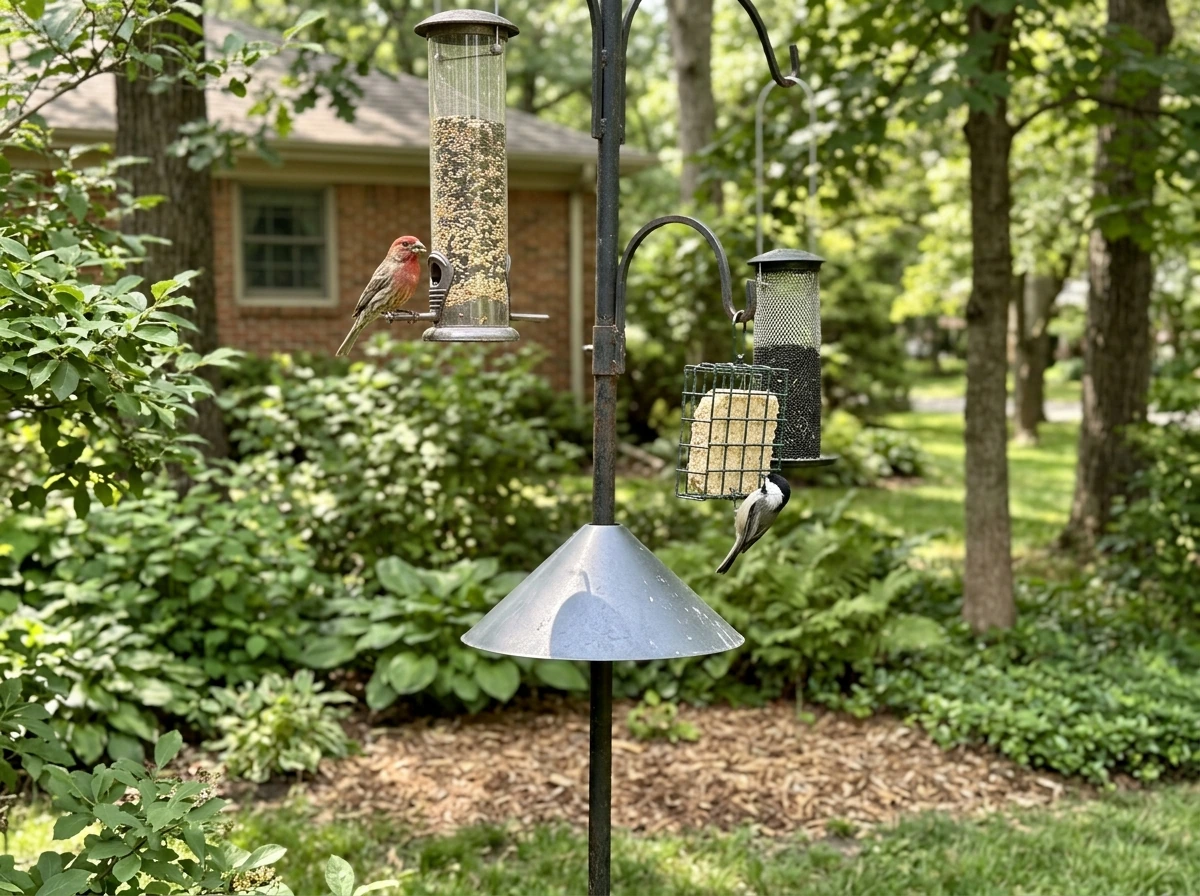
Common Bird Feeder Birds: Identify, Attract, and Fix Problems
Identify common feeder birds, match feeder and seed, place safely, prevent squirrels and rats, and adjust by season.