For whole peanuts, a wire mesh tube feeder or a caged peanut feeder is your best option. These designs let birds grip the mesh and pull peanuts out at their own pace, hold a useful amount without compressing or spoiling the nuts, and are far easier to keep clean than a hopper or platform. If you're offering shelled peanut pieces, a mesh tube or a dedicated nut feeder with drainage works best. The specific feeder you pick matters more with peanuts than with seed, because peanuts get moldy fast when wet, attract squirrels aggressively, and need more airflow to stay fresh.
Best Peanut Bird Feeder Guide: Whole Peanut Options

Marcus Hendricks
20 Jun 2026
Why peanuts need a specific feeder design
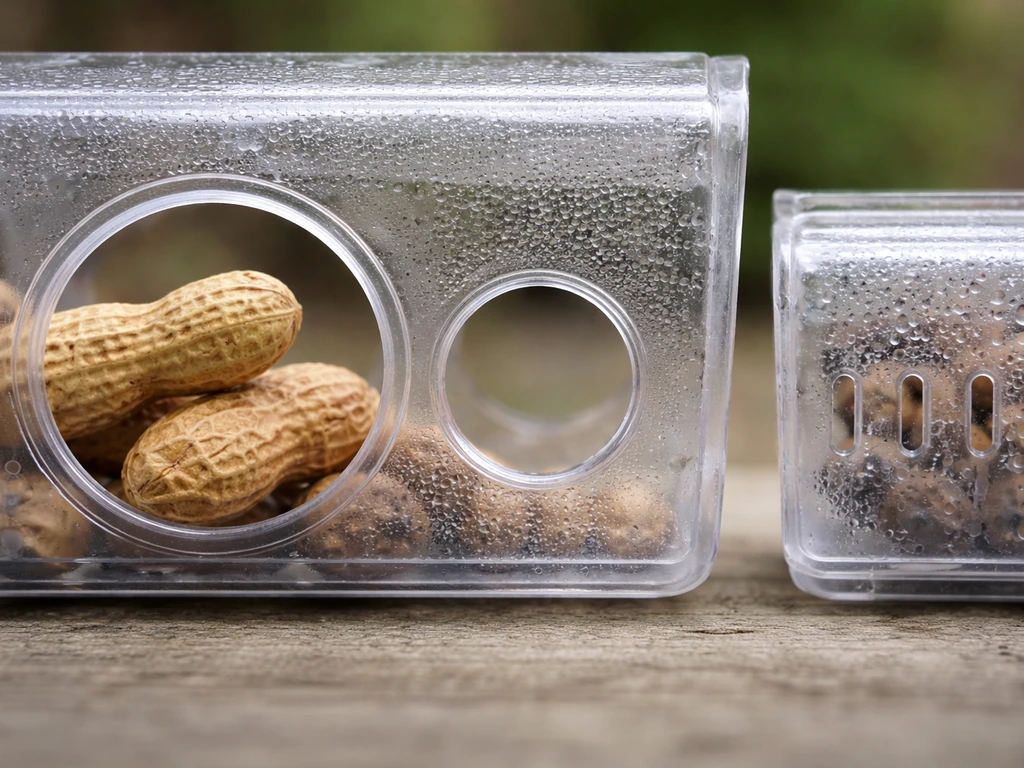
Peanuts behave very differently from birdseed in a feeder, and most general-purpose feeders aren't built to handle them well. A standard tube feeder with small ports clogs immediately with whole peanuts. A platform feeder works but exposes peanuts to rain, leaving them wet and moldy within hours in summer heat. Hopper feeders can handle peanut pieces but tend to hold moisture and are harder to clean thoroughly when peanut oils coat the interior.
The core issue is airflow and moisture. Hulled seeds and peanut pieces can spoil quickly when they get wet, and after a hard rain you really do need to toss everything and refill. Whole in-shell peanuts are more forgiving, but any feeder that traps moisture against the nuts speeds up that spoilage. A mesh design solves this by allowing air to circulate and water to drain away from the nuts rather than pooling around them.
There's also the question of bird behavior. Birds like blue jays grab a whole peanut and fly off to cache it, so a feeder that lets them land, evaluate, and pick up a single peanut is ideal. Smaller birds like chickadees, nuthatches, and titmice cling to mesh and chip away at a nut or extract a peanut heart. These two feeding styles call for slightly different designs, which is why matching feeder to bird matters here more than it does with sunflower seed.
Best feeder types for peanuts and whole peanuts
Wire mesh tube feeders
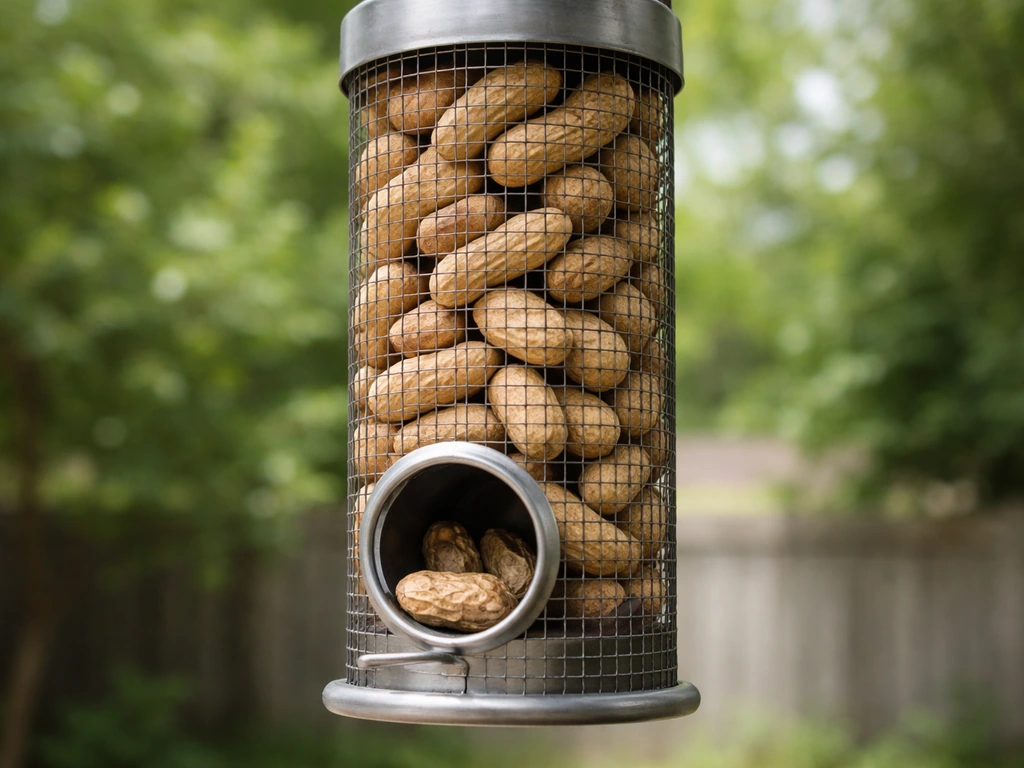
This is the go-to design for most peanut feeding situations. If you want a quick place to start, a best bird nut feeder option is often a stainless mesh tube that drains well after rain. The open mesh construction gives birds a gripping surface so they can cling and work at the nuts without needing a perch. It also provides the airflow that keeps nuts from getting slimy after rain. Stainless steel mesh is worth paying for over coated wire, because the coating eventually chips and the steel underneath rusts. The Aspects Quick-Clean Peanut Mesh is a popular example: it's a perchless stainless-steel tube, which means only birds with enough grip strength (clinging species like nuthatches, titmice, and woodpeckers) can use it comfortably. That selectivity is actually a feature if you want to discourage starlings and sparrows from monopolizing the feeder.
Squirrel-resistant nut feeders (caged or baffled)
Purpose-built squirrel-resistant feeders like the Brome Squirrel Buster Nut Feeder pair an inner mesh tube with a weight-sensitive shroud that closes off access when a squirrel lands. It holds about 1.3 lbs of peanuts, uses UV-resistant components for outdoor durability, and is designed with chew-proof materials so squirrels can't just gnaw their way in. The tool-free disassembly makes cleaning less of a chore. If squirrels are a serious problem at your setup, this category of feeder is worth the higher price.
Caged guardian-style feeders
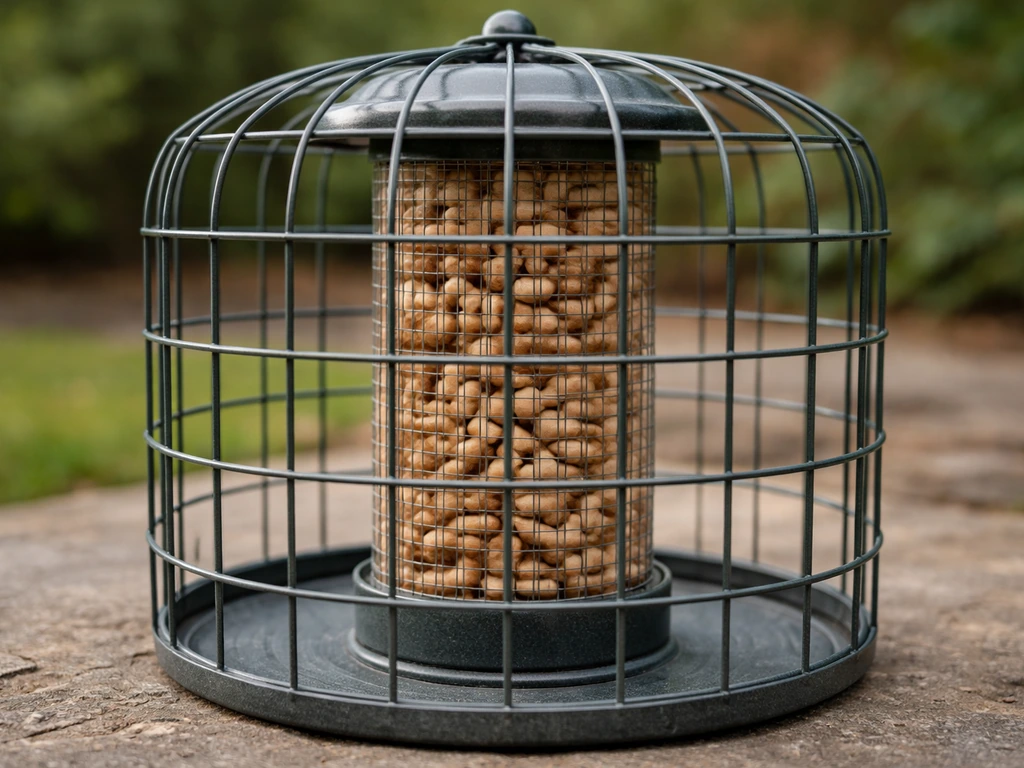
A caged feeder surrounds a central peanut container with a wide-diameter wire cage. The Guardian Peanut Feeder, for example, runs about 27.5 cm in diameter and 35 cm tall, holds around 340 g of peanuts, and the outer cage is sized to let smaller birds slip through while physically blocking larger birds and squirrels. This design is useful if you want to attract chickadees, nuthatches, and small woodpeckers while keeping starlings, jays, and squirrels out. The trade-off is that the cage can make cleaning awkward.
Platform feeders (limited use)
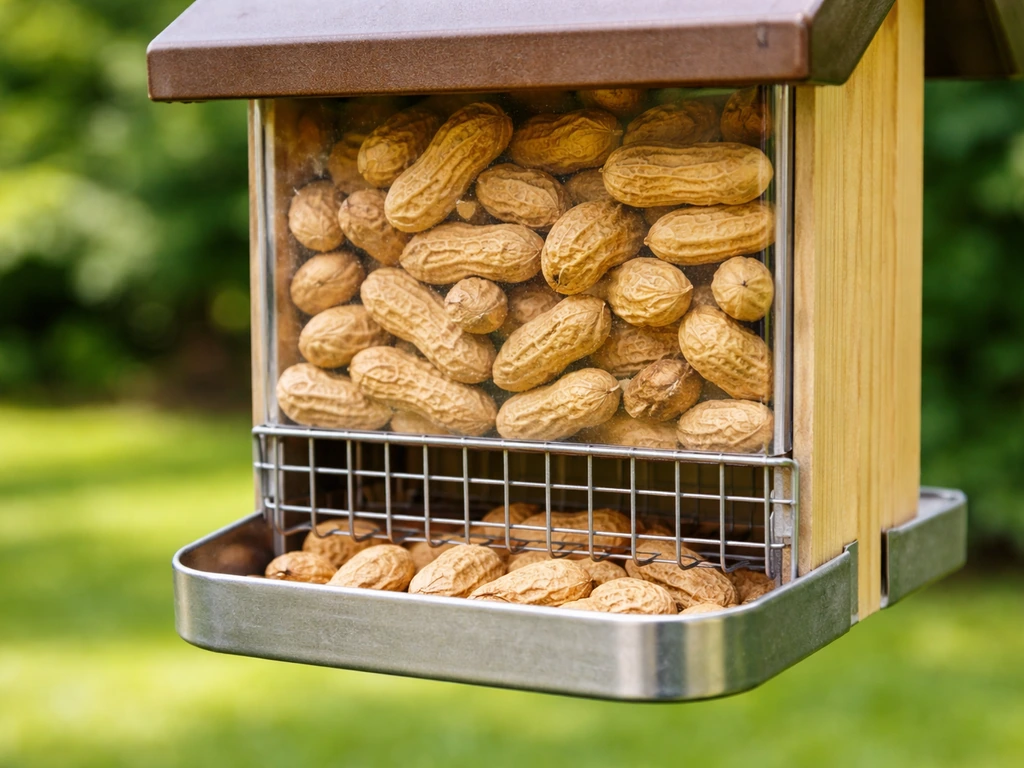
An open platform works for whole in-shell peanuts if you want to attract jays, crows, and larger birds and you're willing to manage it closely. The problem is exposure: platforms have no weather protection, and wet peanuts go moldy fast. If you go this route, use a platform with a mesh floor (not solid wood) so water drains instead of pooling, and only put out what birds will eat in a day or two. This is more of a supplement to a primary peanut feeder than a standalone solution. If you're trying to figure out a bird-feeder alternative to seed crossword clue, focus on feeder types that match the moisture and airflow needs of whole peanuts standalone solution.
| Feeder Type | Best For | Whole Peanuts? | Squirrel Resistance | Cleaning Ease |
|---|---|---|---|---|
| Wire mesh tube | Clinging birds (nuthatches, titmice, woodpeckers) | Yes (shelled best) | Moderate | Good |
| Squirrel Buster nut feeder | All peanut-feeding birds, pest-heavy yards | Yes | Excellent | Good (tool-free) |
| Caged guardian feeder | Smaller birds, excluding jays/starlings | Yes (shelled best) | Good | Fair |
| Platform feeder | Jays, crows, larger birds | Yes (in-shell) | Poor | Easy but exposed |
Choosing features: weatherproofing, cleaning, and spill control
Weatherproofing
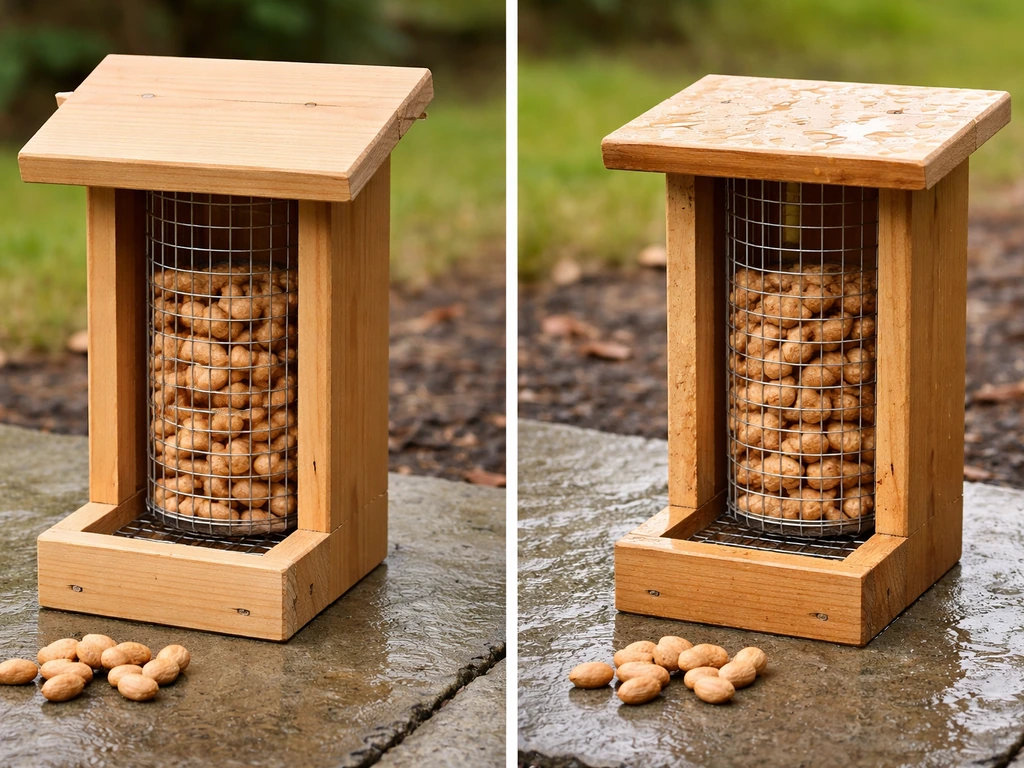
Peanuts and moisture are a bad combination. Wet peanut pieces can mold within a day in hot, humid weather, so your feeder needs to either drain quickly or protect the nuts from rain. Look for feeders with drainage holes at the base, mesh construction that lets water pass through, or a roof/baffle that deflects direct rainfall. If your feeder doesn't drain well, widening existing drainage holes with a drill is a simple fix. A dome-style squirrel baffle mounted above the feeder does double duty: it keeps squirrels off and acts as a rain shield. UV-resistant materials are also important if the feeder sits in direct sun, as cheap plastic cracks and warps within a season or two.
Cleaning
Peanut oil residue builds up faster than sunflower seed residue, so cleanability should be high on your criteria list. Feeders that come apart without tools are much more likely to actually get cleaned regularly. The standard cleaning method is soaking in a dilute bleach solution (about 10 parts water to 1 part bleach) for 10 minutes, scrubbing with a brush, rinsing thoroughly, and letting the feeder dry completely before refilling. Plan on doing this roughly every two weeks, or immediately after heavy rain if peanuts got wet. Stainless steel mesh doesn't absorb oils the way coated wire does, which is another reason it's worth the investment.
Spill control
Whole peanuts are large enough that they don't spill and scatter the way fine seed does, but shelled peanut pieces can fall through gaps or get kicked out by foraging birds. A feeder with a tray or catch dish underneath reduces ground accumulation. That ground waste matters for pest control, which is why you want to sweep up dropped peanuts regularly rather than letting them pile up beneath the feeder. If you're specifically looking for a feeder that keeps things tidy, pairing a mesh tube with a small catch tray is a practical setup. If you want to reduce waste, look for a bird feeder that does not drop seeds, such as a model with a catch tray or a design that prevents falling pieces.
Target birds and where they'll feed on peanut-style feeders
Knowing which birds you're trying to attract tells you which feeder style and which peanut type to use. Whole in-shell peanuts are really only practical for larger birds: blue jays, crows, grackles, and larger woodpeckers like Pileated or Red-bellied. Jays in particular will grab whole peanuts and cache them nearby, so don't be surprised if your feeder empties fast with no birds in sight. That's just blue jay behavior.
Shelled peanut halves or peanut hearts open up your audience considerably. Chickadees, nuthatches, titmice, Carolina wrens, and smaller woodpeckers like Downies all work well on a mesh tube with peanut pieces. These birds cling to the mesh and chip at the nut, and they're active visitors year-round, making peanut feeders a reliable way to keep traffic up during winter when other food sources thin out.
- Blue jays and crows: whole in-shell peanuts on a platform or large-mesh feeder
- Chickadees, nuthatches, titmice: shelled peanuts or peanut hearts on a mesh tube feeder
- Downy and Hairy Woodpeckers: peanut pieces on mesh tube or suet-style cage feeder
- Red-bellied Woodpeckers: whole or halved peanuts on a mesh tube with perch
- Carolina wrens: peanut hearts or pieces in a mesh feeder at a lower height
One thing worth knowing if you're comparing peanut feeders to shelled peanut feeders specifically: a feeder marketed for shelled peanuts usually has a finer mesh to hold peanut hearts and pieces without them falling through. For whole in-shell peanuts, you need a larger opening or a platform. Getting this wrong means either the peanuts don't fit or the pieces fall out before birds can eat them.
Pest and waste prevention (squirrels, rodents, and ants)
Peanuts attract squirrels more reliably than almost any other food you can offer. If you're putting out peanuts without any squirrel management in place, expect them to be gone within minutes. The most effective approach combines feeder design with placement. Mount your feeder on a smooth metal pole at least 5 feet off the ground, positioned at least 10 feet away from any tree branch, deck railing, or other launch point a squirrel can use. Add a dome-shaped baffle on the pole below the feeder. A weight-sensitive squirrel-proof feeder (like the Brome Squirrel Buster line) adds another layer of protection if your yard has persistent squirrel pressure.
Rats and mice are attracted by peanuts on the ground more than by feeders themselves. Keeping the ground clean underneath your feeder is the single most effective rodent deterrent. Sweep up dropped peanuts and shells daily if you're in an area with rodent pressure, and never let food accumulate on the ground. Using a catch tray to intercept dropped pieces before they hit the ground helps a lot.
Ants become a problem mainly with peanut butter-style offerings and with feeders that drip oils, but whole peanut feeders can still attract them. If you are dealing with peanut butter as a feeder food, you may want to consider a peanut butter bird feeder alternative that is less messy and easier to keep clean Ants become a problem mainly with peanut butter-style offerings. A simple solution is hanging the feeder from a line coated with petroleum jelly or using a commercial ant moat above the feeder. Keep the feeder clean so there's no sticky residue on the outside to attract ants in the first place.
Setup, feeding tips, and maintenance for whole peanuts
What type of peanuts to buy
Use raw or dry-roasted peanuts with no salt, no seasoning, and no coatings. This is non-negotiable: salted peanuts can harm birds. Honey-roasted, flavored, or oil-roasted varieties are also out. Plain, unsalted peanuts in the shell or shelled peanut halves are what you want. Buy from a wild bird food supplier rather than a grocery store if possible, because bird-grade peanuts are typically tested for aflatoxin, a mold toxin that develops in improperly stored nuts and can be harmful. Avoid any peanuts that look shriveled, smell off, or show any white dusty mold.
Setting up the feeder
- Mount on a smooth metal pole at least 5 feet off the ground, or hang from a wire at least 10 feet from any jumping-off point for squirrels.
- Install a dome baffle below a pole-mounted feeder or above a hanging feeder.
- Position the feeder within sight of a window if you want to watch it, but at least 3 feet away from the glass or more than 30 feet away to reduce window strike risk.
- Fill only what birds are likely to eat in 2 to 3 days, especially in summer, to keep peanuts from going stale or moldy.
- After any significant rainfall, check for wet peanuts and replace if they look or smell off.
Maintenance routine
Clean your peanut feeder every two weeks as a baseline, and immediately after it gets rained into or if you notice any mold or rancid smell. Disassemble completely, scrub with a stiff brush and soapy water, then soak in a 10:1 water-to-bleach solution for 10 minutes. Rinse thoroughly and let it dry completely before refilling. Never put fresh peanuts on top of old ones. Sweep under the feeder every few days and check for discarded shells piling up. In winter, check that the mesh or ports haven't frozen shut, which can happen with wet peanuts in a hard freeze.
One seasonal note: some guidance suggests reducing or pausing peanut feeding during late spring and summer, particularly if you're in the UK or are concerned about nestlings being fed large whole peanuts by parent birds. Whole peanuts can be a choking hazard for very young birds. Using a mesh feeder rather than a platform mitigates this because birds have to break off small pieces rather than carrying off a whole nut.
How to choose the best option for your backyard
Use this checklist to narrow down which feeder makes sense for your specific situation. If you want a bird-friendly option that does not use peanuts, a bird feeder pine cone alternative can be a great DIY choice. There's no single best peanut feeder for every yard, but there's almost always a clear winner once you answer these questions.
- Target birds: If you mainly want chickadees, nuthatches, and small woodpeckers, get a stainless-steel mesh tube feeder with peanut pieces. If you want jays and larger birds, use a platform or large-mesh tube with whole in-shell peanuts.
- Squirrel pressure: Heavy squirrel activity? Go straight to a weight-sensitive squirrel-proof feeder like the Brome Squirrel Buster Nut Feeder combined with proper pole placement and a baffle. Light squirrel pressure? A caged guardian feeder may be enough.
- Weather: In rainy climates or humid summers, prioritize mesh construction for drainage and airflow. Add a rain baffle/dome above the feeder. Be prepared to toss and refill peanut pieces after heavy rain.
- Cleaning commitment: Be honest about how often you'll clean. If you're a twice-a-month cleaner, buy a feeder that comes apart without tools. If cleaning is a real barrier for you, keep the feeder small so you refill it (and rinse it) more frequently.
- Budget: A quality stainless-steel mesh tube costs $20 to $40 and will last years. A squirrel-proof nut feeder runs $50 to $80 but saves money on wasted peanuts. Cheap plastic feeders aren't worth it for peanuts because the cleaning requirements are too frequent for materials that crack or warp.
- Exclusivity: Want to target only small clinging birds and exclude starlings and sparrows? Choose a perchless mesh tube or a caged feeder with small cage openings. Want to attract as many species as possible? A larger-opening mesh tube or platform is more inclusive.
- Peanut type: If you're offering shelled peanut pieces or peanut hearts, make sure the mesh openings are sized to hold them without pieces falling through. Whole in-shell peanuts need larger openings or a platform.
If you want one clear starting recommendation: a stainless-steel mesh tube feeder filled with unsalted shelled peanut halves, mounted on a baffled pole at least 5 feet up and 10 feet from any squirrel launch point, is the setup that works well across the widest range of backyards and bird species. It's durable, easy to clean, affordable, and handles both weather and birds well. From there you can layer in squirrel-proof upgrades or a caged feeder if your specific situation calls for it. If you're interested in expanding your offerings, a dedicated shelled peanut feeder or a feeder designed for mixed fruit and nut offerings can complement your peanut setup nicely as your feeding station grows. For mixed fruit and nut offerings, look for a feeder that can handle small pieces and stays clean and dry between refills.
FAQ
What mesh size should I look for in the best peanut bird feeder so peanut halves do not fall out?
Aim for a tube or nut feeder marketed for “nut” or “peanut hearts/halves,” where the gaps are sized to hold pieces without letting them sift straight through. If you see hearts consistently dropping to the catch tray within minutes, go to a finer-mesh dedicated nut feeder rather than a standard seed tube.
Can I use the same peanut feeder for both whole in-shell peanuts and shelled peanut halves?
Yes, but only if the feeder opening and mesh are large enough for whole nuts while still not letting halves fall through. Many mesh tubes tuned for hearts are too fine for in-shell peanuts, and many designs that accept in-shell peanuts are too open for shelled halves.
How do I prevent wet peanuts from spoiling if a rain shower catches me off guard?
After heavy rain, remove the contents and refill with dry peanuts, even if only the outer layer looks damp. Also check that the feeder drains freely (clear the drain holes and confirm the bottom is not collecting a puddle). Draining quickly matters more than “covered” if the nuts get sealed against moisture.
Is it safe to put peanut feeders close to birdhouses or feeders for other foods?
Keep distance from sheltered areas where squirrels and predators can ambush, and avoid placing peanuts directly under or too near other feeders where dropped shells pile up. A practical rule is to mount peanuts on a dedicated pole and manage the ground below it separately to reduce rodent traffic.
How often should I clean a peanut mesh tube, and what if I smell rancid nuts?
Do the full disassembly cleaning about every two weeks, but switch to immediate cleaning if you notice a sour, oily, or rancid smell (even without visible mold). Oils coat the mesh faster, and you want the feeder fully dry before refilling to avoid reactivating moisture trapped in the structure.
Do I really need bleach soaking, or can I use plain dish soap?
Soap helps remove oil, but it does not reliably address mold growth risk on damp peanuts. If you ever see mold, discoloration, or suspect moisture trapped inside the tube, a dilute bleach soak for the full recommended time is the safer approach, followed by thorough rinsing and complete drying.
What should I do if birds ignore the feeder after I fill it?
First confirm the peanuts match the feeder, for example in-shell peanuts in a tube that is too small will not feed well, and shelled halves in a very open tube will keep slipping out. Then check placement, baffle effectiveness, and weather, birds often take a few days to accept a new setup, especially if squirrels are active nearby.
Will peanut feeders attract starlings and pigeons, and how can I reduce them?
Yes, they can dominate if the design is easy for them to access. Perchless stainless mesh tubes that require strong clinging access can limit some dominant species, and using a squirrel-proof baffle system can indirectly reduce “open” access points that other birds exploit.
How can I stop squirrels from learning to defeat the feeder over time?
Use a combination approach: mount higher, add a dome-style baffle on the pole below the feeder, and keep branches or railings out of the launch zone. If squirrels persist, consider a weight-sensitive squirrel-resistant nut feeder, because simple cages and single baffles can eventually be bypassed by determined animals.
Do mice and rats still come if the feeder has a catch tray?
They can still come if any peanuts or shells accumulate nearby. A catch tray reduces ground waste, but you still need to sweep and remove dropped pieces regularly, and keep the area around the pole clear to limit the food source on the ground.
Can I switch from whole peanuts to shelled peanuts if I want more smaller birds?
Usually, yes. Shelled peanut halves or hearts open the audience to chickadees, nuthatches, titmice, and smaller woodpeckers. Choose a feeder with tighter mesh so the pieces stay accessible and do not constantly fall through.
What peanut type is worst to use, and why are salted or flavored peanuts a problem?
Salted and flavored peanuts are not recommended because seasoning and coatings can stress birds and are not part of their proper diet. Also, flavored or oil-coated varieties tend to create stickier residues that are harder to keep clean, raising the chance of pests and spoilage.
Next Articles
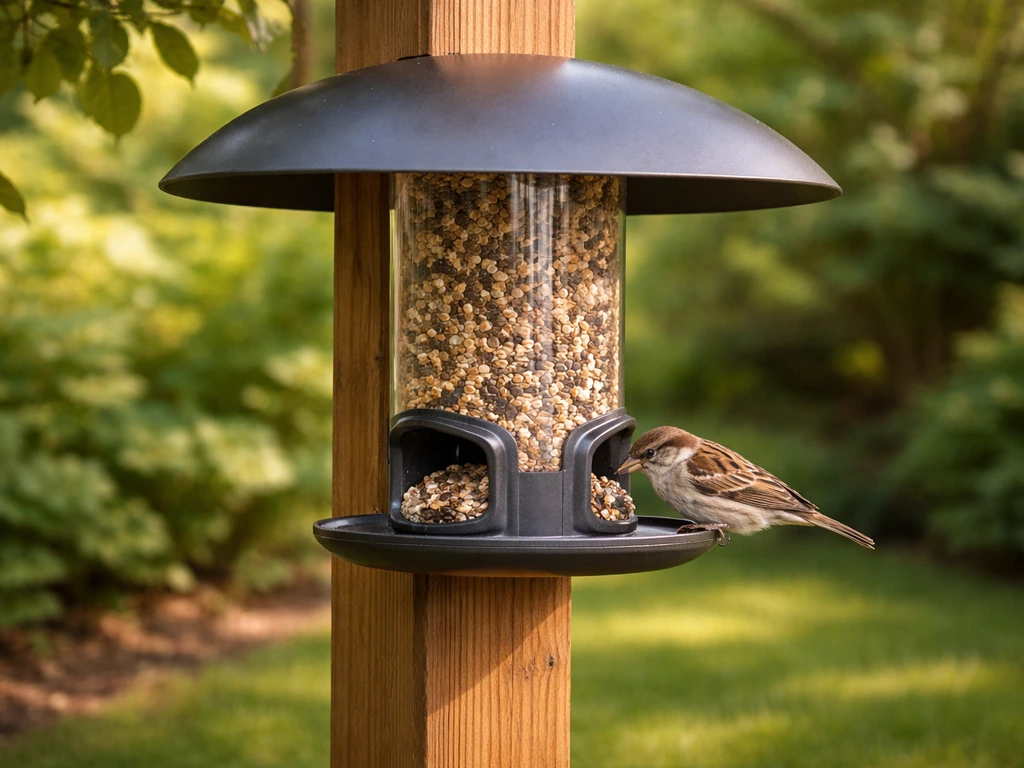
Bird Feeder That Does Not Drop Seeds: Fix Spill Today
Fix a low-spill bird feeder: stop seed drops from gaps, wind, hulls, misfill, pests; choose baffles and sealed ports.
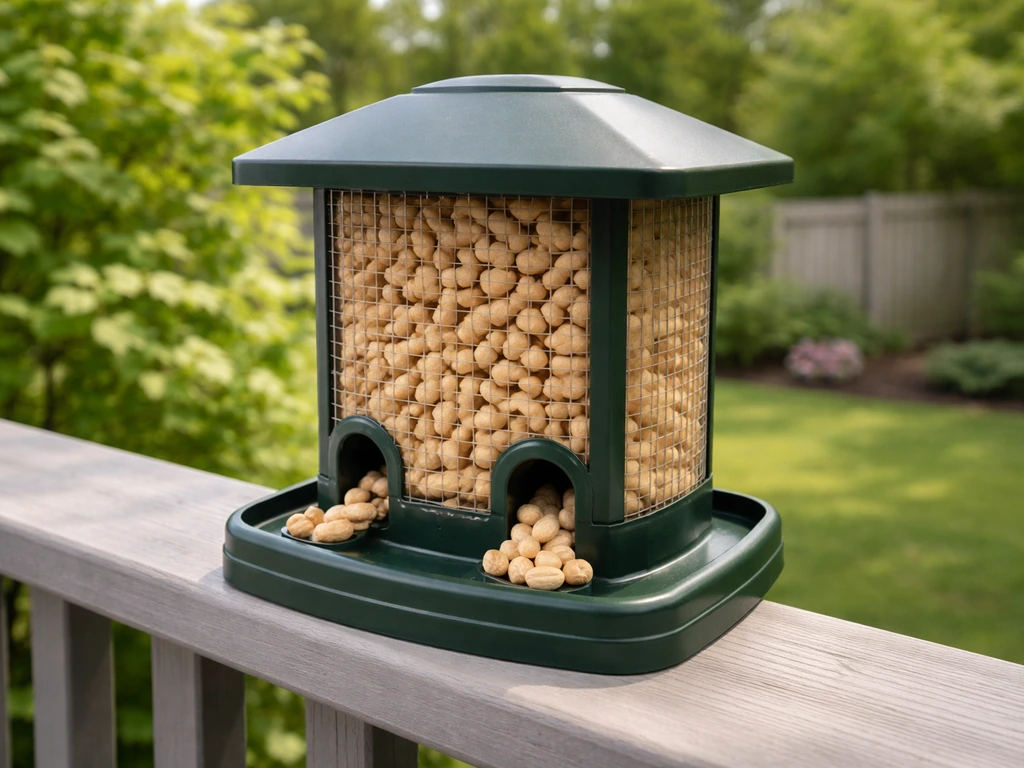
Best Shelled Peanut Bird Feeder: Buyer Guide and Setup
Compare the best shelled peanut bird feeders, features that reduce mess, and pest-proof setup tips for hungry backyard b
What Does a Cardinal Bird Feeder Look Like: Design & Tips
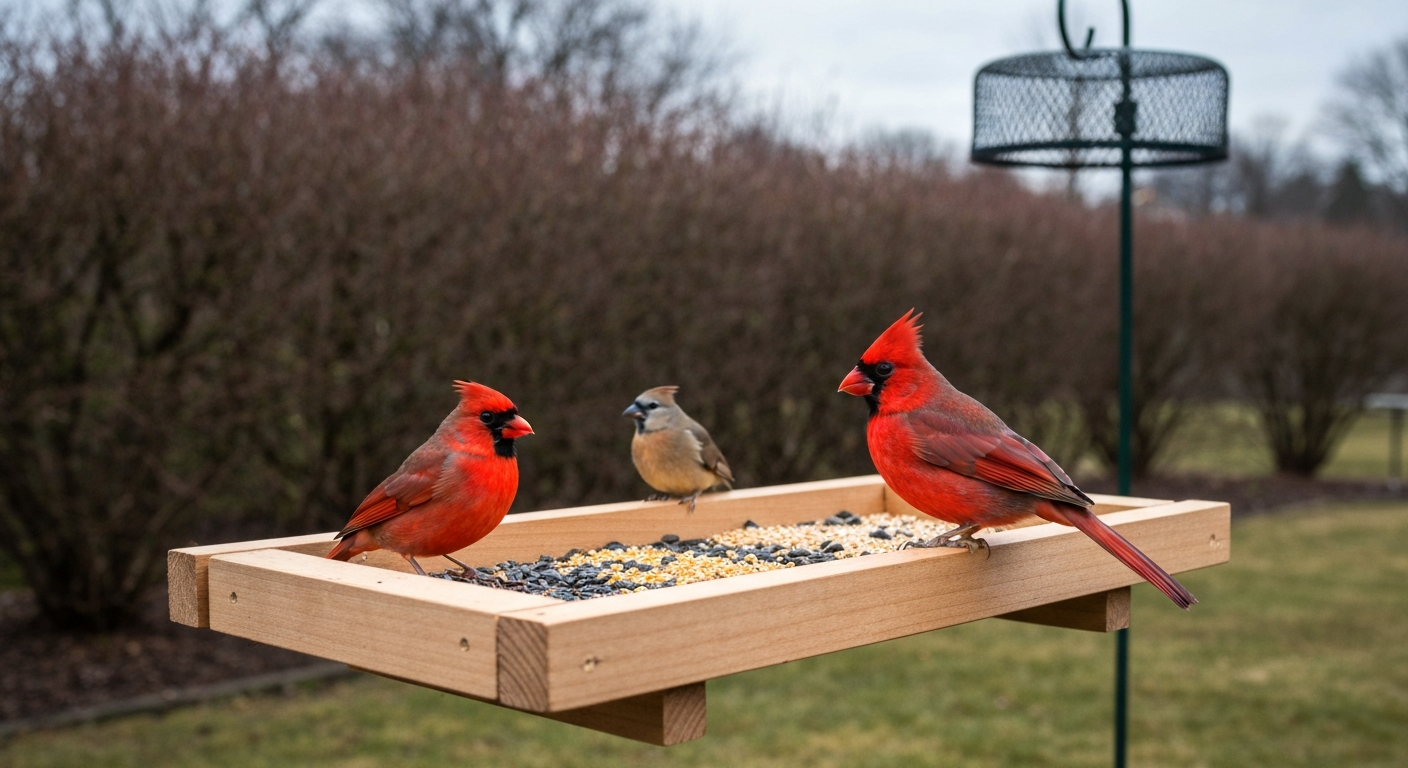
Identify and choose the best cardinal bird feeder: shapes, colors, perches, seeds, placement, and winter tips.