A high quality bird feeder is one that keeps seed dry, holds up through three winters, cleans easily enough that you actually do it, and doesn't hand your yard over to squirrels. That's the short answer. The longer one involves matching your feeder style to the birds you want, picking the right materials, and placing it correctly. This guide walks through all of that so you can make a confident decision today.
High Quality Bird Feeder Guide: Choose the Best Feeder
Marcus Hendricks
14 Apr 2026
What 'high quality' actually means in a bird feeder
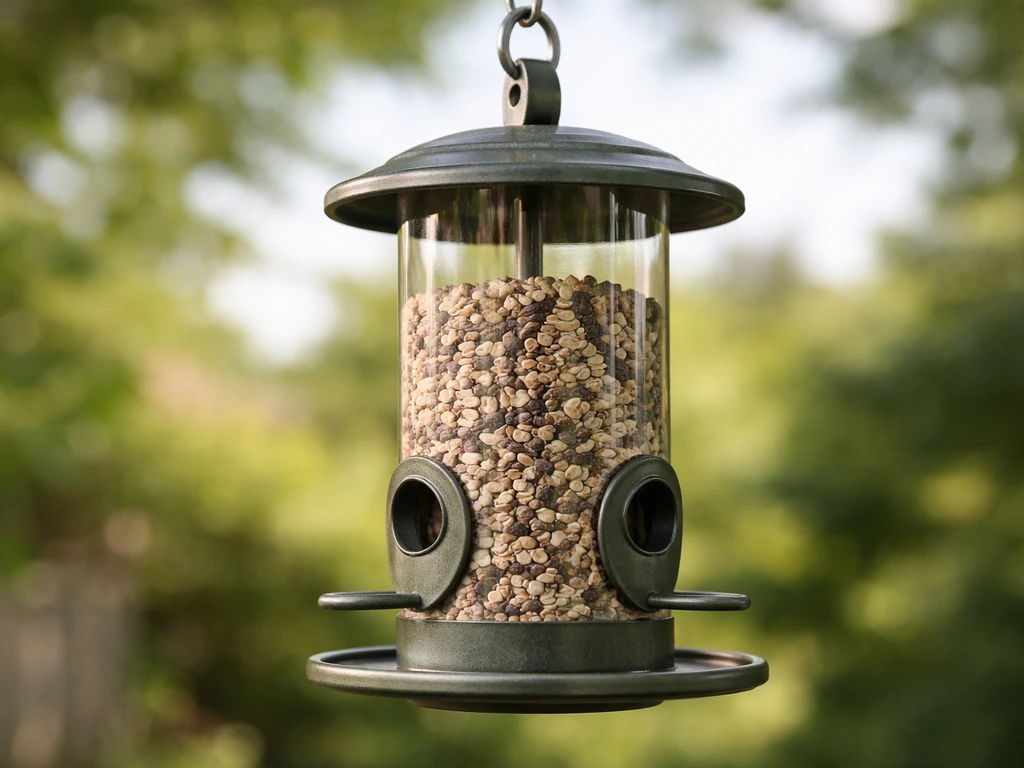
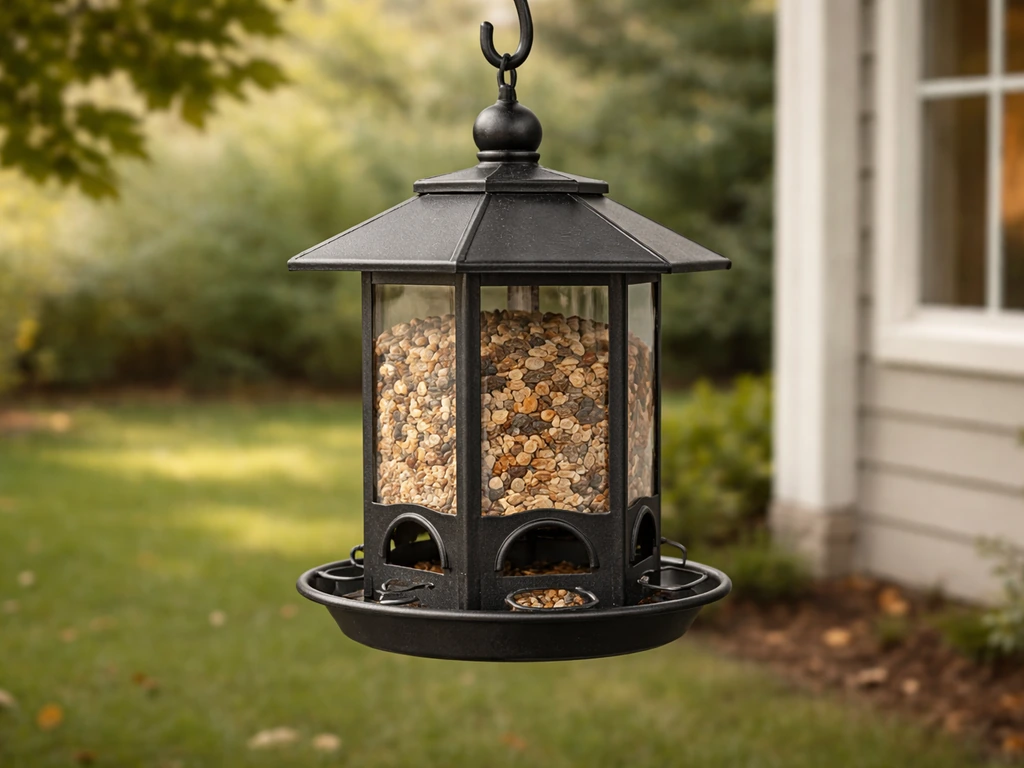
Marketing copy throws 'premium' and 'heavy duty' around freely, so it helps to have a concrete checklist. When I evaluate a feeder, these are the traits that actually separate a quality build from a cheap one:
- Weather resistance: UV-stabilized polycarbonate, powder-coated metal, or recycled poly lumber that won't crack, fade, or rust after one season
- Hardware quality: stainless-steel screws and fasteners, not zinc or basic steel that corrodes and seizes up
- Seed port and perch construction: aluminum or powder-coated metal ports hold their shape; plastic-only ports crack in cold temps
- Cleanability: the feeder must fully disassemble so you can scrub every surface where seed or hulls sit
- Weatherproofing design: a roof, baffle, or weather guard that actually keeps rain and snow off the seed ports
- Capacity matched to traffic: big enough to reduce constant refills, small enough that seed doesn't sit and go stale
- Seed flow control: ports, perforations, or mesh sized for the seed you're using so it doesn't jam or pour out wastefully
- Pest resistance: built-in weight-sensitive mechanisms, cage surrounds, or baffle compatibility
- Bird-friendly ergonomics: perch length and placement that suit your target birds, not just whatever was cheapest to mold
If a feeder checks most of those boxes, it's worth the extra money. If it checks only three or four, you'll be replacing it within a couple of years and spending more in the long run.
Match your feeder type to the birds you actually want
There's no single best feeder for every yard. The right feeder depends almost entirely on which birds you're trying to attract. Here's how the main types break down by target species and feeding goal.
Tube feeders: finches, chickadees, nuthatches
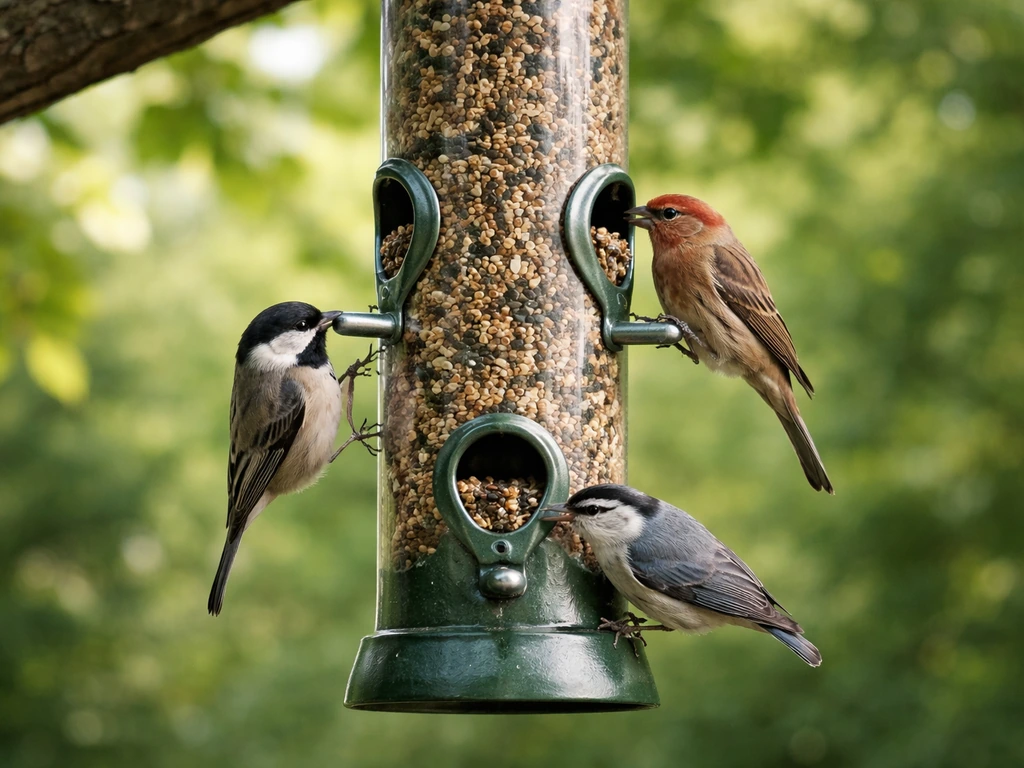
Tube feeders are the workhorses of backyard feeding. They're excellent for small clinging birds like finches, chickadees, and nuthatches. The best ones use powder-coated metal components throughout: look for feeders like the Perky-Pet Green Metal Tube, which uses a powder-coated reservoir, lid, and perches specifically designed to resist rust over seasons of outdoor use. Tube feeders also win on cleanability. Project FeederWatch specifically calls out tube feeders as models that can be fully disassembled and washed in diluted bleach or run through a dishwasher, which is a real advantage since regular cleaning is non-negotiable for bird health.
Hopper feeders: cardinals, blue jays, doves, mixed flocks
Hopper feeders attract the widest variety of birds because they offer open perching and hold larger seeds like safflower and sunflower that cardinals, blue jays, and mourning doves prefer. If you're going with a hopper and want it to last, Amish-made poly hopper feeders built from 3/4-inch recycled plastic lumber with stainless-steel screws are in a different league from standard wood or thin-gauge metal versions. The recycled poly doesn't rot, warp, or splinter, and the stainless hardware won't seize up after a wet winter. They cost more upfront but genuinely last decades.
Platform and tray feeders: ground-feeding birds, doves, sparrows
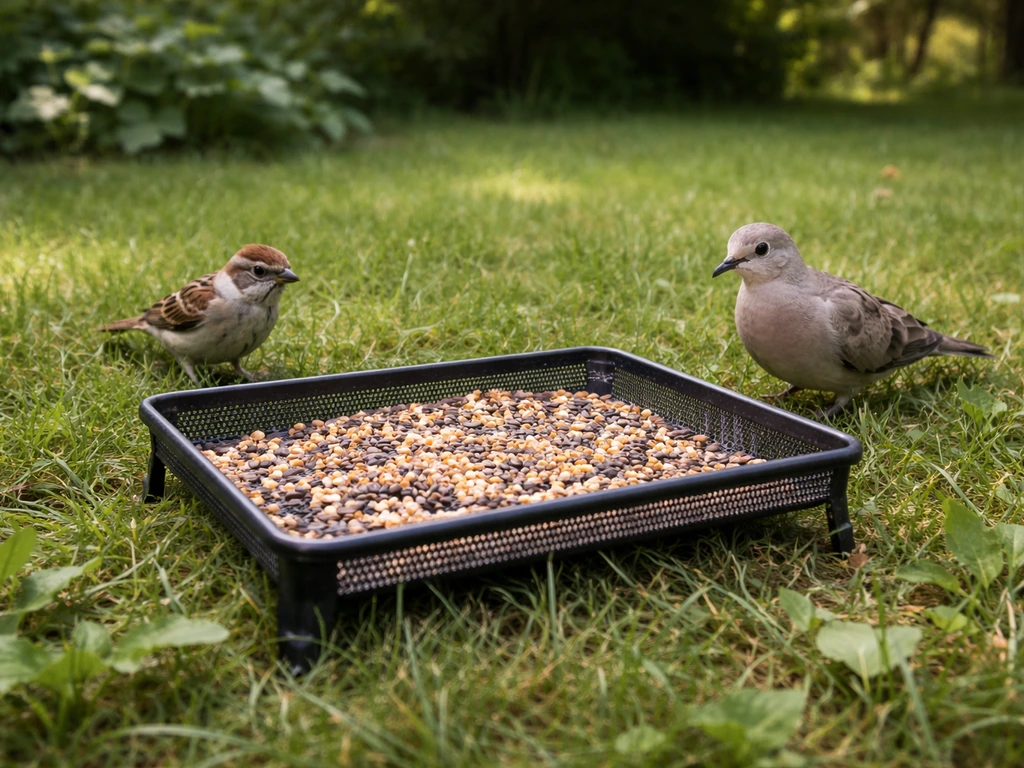
Platform feeders sit low or hang open, which appeals to ground-feeding birds including doves, juncos, and native sparrows. They're the simplest design and the easiest to fill, but they offer the least weather and pest protection. Quality here means a mesh or screened floor for drainage, a good overhang or separate rain cover, and hardware that doesn't rust out from constant moisture exposure.
Suet feeders: woodpeckers, nuthatches, wrens
Suet cages are the go-to for woodpeckers, and a quality one is almost embarrassingly simple: a coated wire or powder-coated steel cage that holds a standard suet cake, with a tail-prop extension if you want to specifically attract larger woodpeckers. The main quality differentiators are coating durability and whether the door latch holds up over hundreds of refills.
Window feeders: close-up viewing, small birds
If you want to watch birds at close range, a suction cup bird feeder mounted directly to your window glass is hard to beat. Quality means strong suction cups rated for outdoor temperature swings, a reservoir that doesn't leak onto your window frame, and a design that's easy to remove for cleaning without leaving residue.
Oriole and specialty feeders
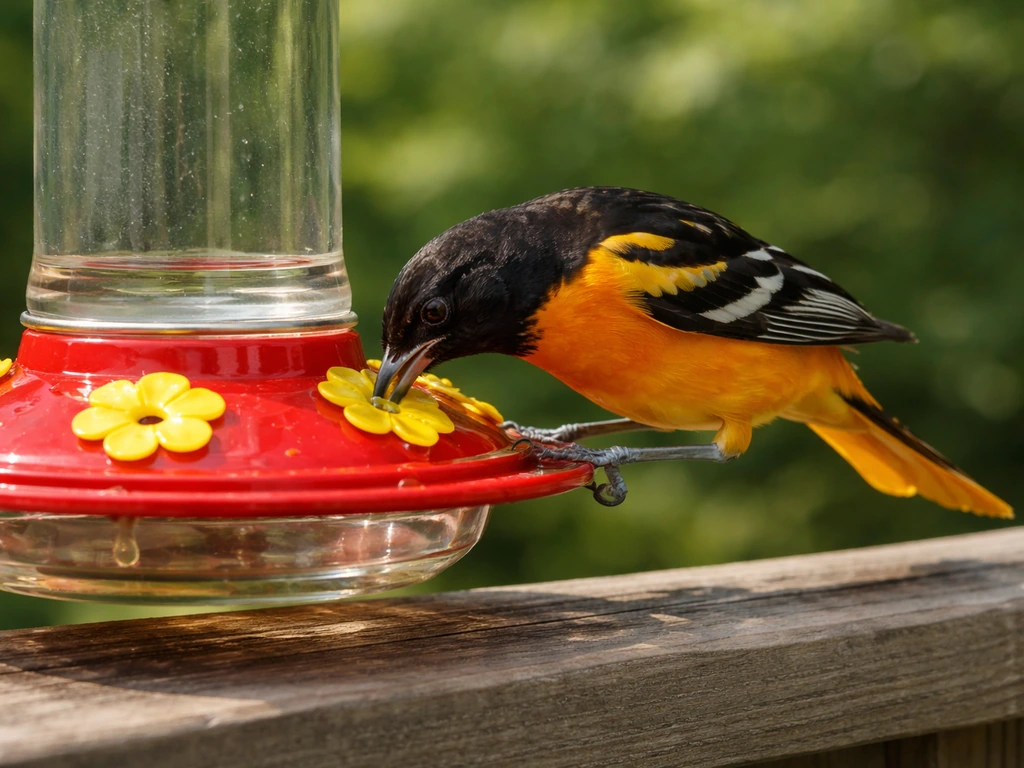
Orioles need jelly and nectar feeders with orange accents and wide ports. Bluebirds require mealworm trays or enclosed feeders with specific opening sizes. These specialty feeders are a smaller category, but quality still means UV-stable materials, tight-fitting lids to keep rain out of jelly, and easy refilling.
Build materials and weatherproofing: what to look for
Material choice is where cheap feeders reveal themselves fastest. Here's a direct comparison of the main material categories across the quality traits that matter most in a backyard feeder.
| Material | Weather/UV Resistance | Rust Risk | Weight | Cleanability | Longevity |
|---|---|---|---|---|---|
| UV-stabilized polycarbonate | Excellent | None | Light | Good (dishwasher safe) | 5-10+ years |
| Powder-coated steel/aluminum | Good | Low (if coating intact) | Medium | Good | 5-10 years |
| Recycled poly lumber | Excellent | None | Heavy | Very good | Decades |
| Untreated wood | Poor | N/A (rots) | Medium | Difficult | 2-5 years |
| Standard plastic (non-UV) | Poor (yellows/cracks) | None | Light | Good initially | 1-3 years |
| Stainless steel | Excellent | None | Heavy | Excellent | Decades |
The Birds Choice 12-inch Hanging Classic Feeder is a good example of stacking quality materials: it uses a 6-inch UV-resistant polycarbonate seed reservoir, four aluminum seed ports and perches, and a baked enamel coating on metal components. That combination addresses UV degradation, port durability, and corrosion resistance all at once. The Brome Squirrel Buster Plus takes a similar approach with UV-stabilized ABS/polycarbonate resins paired with rust-proof powder-coated aluminum and stainless-steel parts. These details in a product spec sheet are worth paying attention to, because they tell you the manufacturer actually thought about real-world outdoor conditions.
Also look for integrated weather protection. The Audubon Classic 12-inch Hanging Bird Feeder uses a clear polycarbonate baffle and weather guard that both shields the ports from rain and restricts larger birds from dominating the feeder. That's the kind of dual-purpose design that earns its price.
Capacity, seed type, and feeding behavior (perches, ports, and flow)
Capacity is a balance. A feeder that holds 5 to 8 pounds of seed is convenient if you have heavy traffic, but if birds are slow to visit, that seed sits too long and goes stale or molds. A 1 to 2 pound capacity tube feeder gets refilled more often but keeps seed fresher. Match capacity to actual bird activity in your yard, and when in doubt, start smaller.
Seed and port compatibility is just as important as capacity. Here's a quick guide to common seed types and the feeder styles they work best in:
| Seed Type | Best Feeder Style | Target Birds | Port/Opening Size |
|---|---|---|---|
| Black oil sunflower | Hopper, tube, platform | Cardinals, chickadees, finches, blue jays | Medium (3/8" to 1/2") |
| Nyjer (thistle) | Tube with fine mesh or small ports | Goldfinches, siskins, redpolls | Small (1/8" or mesh) |
| Safflower | Hopper or tube | Cardinals, doves, chickadees | Medium |
| Suet cake | Wire suet cage | Woodpeckers, nuthatches, wrens | Cage opening |
| Mixed seed/millet | Platform or hopper | Sparrows, doves, juncos | Open tray or wide port |
| Nectar/jelly | Specialty oriole/hummingbird feeder | Orioles, hummingbirds | Wide port or reservoir |
Perch design matters for who can actually use the feeder. Short perches (under 2 inches) favor small birds like chickadees and finches and naturally deter heavier birds. Long, wide perches or open tray designs invite cardinals, blue jays, and doves. Clinging mesh or no-perch designs work for goldfinches on nyjer feeders. If you're having trouble with dominant species crowding out smaller birds, perch length is often the first thing to adjust.
Seed flow is the other piece. Port openings that are too large cause seed to pour out with every wind gust or bird landing. Openings that are too small clog constantly, especially with nyjer. Quality feeders size their ports precisely for the seed they're designed to handle. If a feeder doesn't specify seed compatibility, that's a yellow flag.
Keeping pests out: squirrels, rodents, and placement
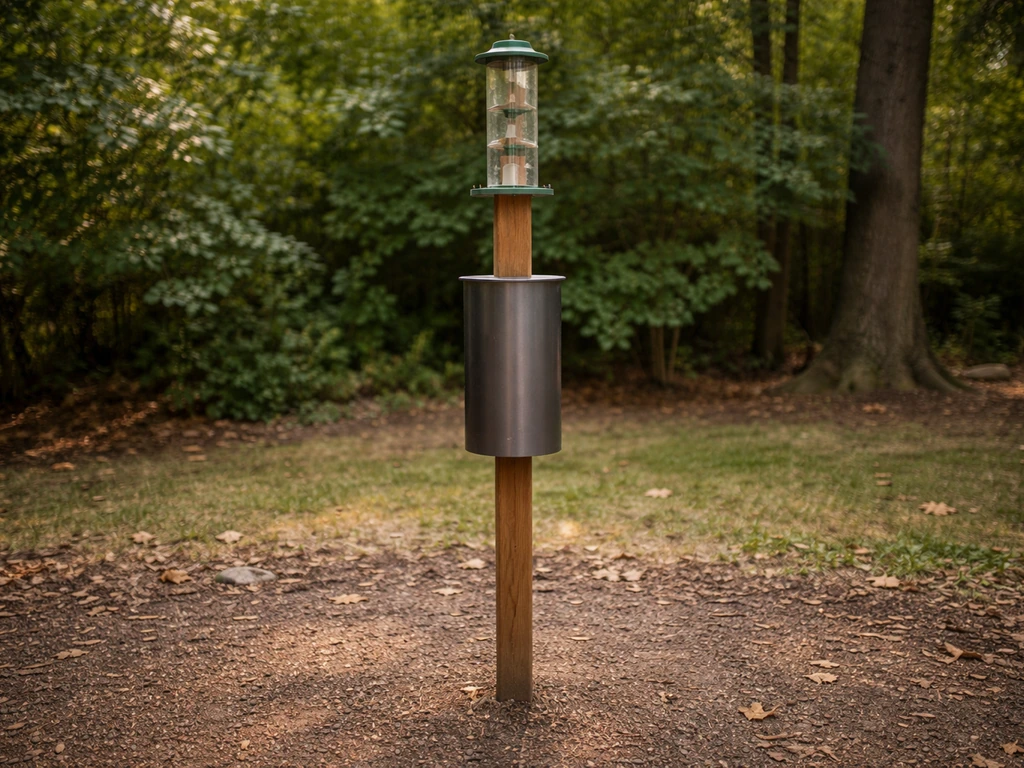
No matter how good your feeder is, squirrels and rodents will find it if you give them a way in. Pest-proofing works at two levels: the feeder itself and its placement.
At the feeder level, weight-activated mechanisms are the most effective technology available. The Brome Squirrel Buster Plus closes its seed ports under the weight of a squirrel while staying open for birds, and its UV-stabilized, all-metal construction means a squirrel can't just chew through it over a season. Cage surrounds (a wire cage around a tube or hopper feeder) work well too, sized to let small birds in while blocking squirrels and large nuisance birds.
At the placement level, Audubon's guidance is specific and worth following: use a smooth metal pole with a baffle, and place the feeder at least 8 to 10 feet horizontally from any solid launch point like a tree, building, fence, or deck railing. Squirrels are excellent jumpers but they have limits, and that 8 to 10 foot buffer is where most of their attempts fail. If you want a complete mounting solution, pairing your feeder with a dedicated bird feeder stand with a built-in baffle is one of the cleanest ways to handle both height and squirrel deterrence at once.
For rodents specifically, the main attractant is spilled seed on the ground. Use a seed catcher tray under tube feeders, switch to no-waste seed blends (hulled sunflower, nyjer) that birds consume fully, and don't leave spilled seed to accumulate. A rat-proof feeder setup is mostly about not creating ground-level food access in the first place.
Seasonal feeding and what changes in winter
Your best summer setup isn't automatically your best winter setup. Cold weather changes what birds need, how seed behaves, and how easy it is to maintain your feeder.
In winter, birds need high-fat, high-calorie food. Suet feeders become more valuable than at any other time of year, and black oil sunflower seed and peanuts outperform lighter mixes. Nyjer can clump and freeze in very cold temps, so nyjer feeders may need more frequent clearing in deep winter.
Penn State Extension flags a real and often-overlooked winter problem: residue and mold accumulate at the bottom of tube feeders even in cold weather, especially when condensation cycles in freezing temperatures. Cleaning is harder in winter because outdoor water spouts may be shut off to prevent pipe freezing. Project FeederWatch acknowledges this directly and still recommends regular cleaning, suggesting you bring the feeder inside occasionally to clean it in a sink with diluted bleach solution. For cleaning and disinfection, Audubon cites National Wildlife Health Center guidance using a solution of nine parts water to one part bleach. That extra step is worth it. Seed mold can make birds sick.
For winter placement, consider bringing any purely decorative or lightweight feeders indoors and shifting to heavier, more weather-resistant models. A free standing bird feeder with a weighted base handles winter wind and ice loading better than a light hanging feeder, which can swing violently in storms and empty itself. Also, positioning your winter feeders closer to natural windbreaks (dense shrubs, fences) gives birds a safer place to wait their turn and reduces seed loss from wind.
Spring migration is worth planning for too. If you want to attract orioles, set out nectar and jelly feeders by late April in most of the US. Hummingbird feeders should go up around the same time in the South and early May further north. Having feeders ready before the first migrants arrive makes a real difference in whether your yard becomes part of their route.
How to pick the right feeder today
If you want one feeder that does the most for the broadest range of birds, a quality tube feeder with powder-coated or UV-stabilized components and a weight-activated squirrel guard is the best single choice for most yards. It handles sunflower seed for the widest mix of birds, cleans easily, and holds up year-round. Checking out a feeder recognized as a standout performer across multiple categories is a good starting point if you want a validated recommendation rather than starting from scratch.
If you want to attract multiple species and are ready to set up a fuller system, here's a practical multi-feeder configuration:
- Tube feeder with sunflower seed on a baffled pole (chickadees, finches, nuthatches, cardinals)
- Suet cage mounted on a nearby tree or post (woodpeckers, nuthatches, wrens)
- Platform or hopper feeder with mixed seed or safflower for ground-preferring birds (doves, blue jays, sparrows)
- Specialty feeder for your target migrants: oriole feeder in spring, hummingbird feeder from late April through fall
For mounting, you have a few good options depending on your space. A hanging bird feeder setup works well in yards with mature trees and good branch access. If you have a deck, a deck mounted bird feeder keeps things close and easy to refill. Both approaches work, but the squirrel-proofing math changes depending on what's nearby, so factor in launch-point distances before you commit to a spot.
One brand worth knowing if you're early in your search is Best Choice Products, which offers accessible entry-level options if you're not ready to invest in the premium tier right away. And if you want something with more personality for a specific setting, the camper-themed feeder from This Is Our Happy Place is a niche pick that actually holds up well in outdoor environments, and makes a great gift for birders who camp or have cabin properties.
Bottom line: start with your target birds, then choose the feeder type and materials that match. Prioritize UV-stable or powder-coated construction, full disassembly for cleaning, and a placement plan that keeps squirrels out. Those three priorities will serve you better than any single brand or product name.
FAQ
How do I tell if a “high quality bird feeder” will actually resist rust and UV damage in my climate?
Look for explicit material pairings, not marketing terms: UV-stabilized polycarbonate or powder-coated metal for the parts exposed to sun, stainless-steel screws or hardware for fasteners, and a stated corrosion-resistance approach for port/perch components. If the specs list only “plastic” or only “metal,” that is usually a sign the manufacturer is not being specific enough to predict long-term outdoor performance.
What cleaning routine should I use to keep a feeder healthy without making a mess or spreading mold?
If the feeder can be fully disassembled, do a full wash at least every 1 to 2 weeks during heavy use, and more often in humid or cold-condensation conditions. Clean the seed ports thoroughly (not just the reservoir), and let all parts fully dry before refilling to prevent mold from re-starting inside seams.
Is a squirrel-guarded feeder enough, or do I need a specific mounting distance too?
Use both. Weight-activated guards and cages help, but the placement buffer still matters because squirrels exploit “launch points” and can reach from trees, fences, decks, and railings. A practical rule is keeping the feeder at least 8 to 10 feet from solid launch points, and then reassessing based on your yard layout and squirrel jump behavior.
How can I reduce spilled seed if I’m using a tube or hopper feeder?
Use a seed catcher tray under tube feeders and consider no-waste blends (like hulled sunflower or nyjer depending on your feeder). Also, only fill to what your birds consume within a short window, because stale spills attract rodents and turn into mold. Regularly rake or remove spilled seed instead of waiting for it to clear on its own.
My birds are crowding out others, what should I adjust first on a quality feeder?
Start with perch design and port access. Shorter perches and smaller openings naturally favor small clinging birds, while long, wide perches and larger ports tend to invite heavier dominants. If you already have a “quality” feeder, changing the perch configuration or switching to a feeder designed around smaller ports often solves the issue more reliably than just changing seed type.
What’s the safest way to choose seed for a feeder, especially in winter?
Match seed to both the feeder type and the temperature. In deep winter, prioritize high-fat options for energy (suet, black oil sunflower, peanuts), and be aware that nyjer can clump or freeze in extreme cold. Avoid mixing seeds that your feeder and ports are not designed for, because poor seed flow often leads to clogging and wet residue buildup.
How do I prevent residue and mold inside tube feeders during freezing weather?
Disassemble and clean more frequently during condensation cycles, and do not ignore the bottom or seed-port channels where residues accumulate. If outdoor tap water is restricted in winter, plan periodic indoor cleaning so the feeder dries completely before you refilled it. Mold risk is highest when thawing and refreezing repeatedly saturates the lower reservoir area.
Should I keep the same feeder setup year-round, or swap feeders by season?
Swap strategically. Decorative or lightweight feeders can become less safe and less effective in winter due to wind, snow, and maintenance access. Consider using suet-focused options in winter, and heavier, more weather-resistant feeders for cold months, while returning to your preferred styles as conditions stabilize.
What feeder type works best if I only want to buy one “high quality” option?
A tube feeder with UV-stable or powder-coated components plus a reliable squirrel-resistance mechanism is often the most practical single purchase, especially if you want a broad mix of birds and easy cleaning. The key decision is choosing a tube that matches your seed preferences and your local dominant species, then placing it correctly to manage pests.
How do I choose between hanging, deck-mounted, and freestanding setups for both bird access and squirrel control?
The mounting surface changes both safety distance and squirrel behavior. Hanging and deck-mounted feeders can be convenient, but you still need to account for nearby launch points like railings or the underside of a deck. Freestanding stands with built-in baffles can reduce math and mistakes because the system can position the feeder consistently above ground-level access.
Are window suction-cup feeders a good idea, and what quality details matter most?
They can be great for close viewing, but quality depends on outdoor temperature tolerance of the suction cups and a reservoir design that prevents leaks onto the window frame. Make sure the mount can be removed cleanly for washing without leaving residue, since film buildup reduces suction and can attract grime.
Next Article
Best Bird Feeder for Baltimore Orioles: Buyer Guide
Choose the best bird feeder for Baltimore orioles: styles, features, placement tips, and fixes for heat, pests, and acce