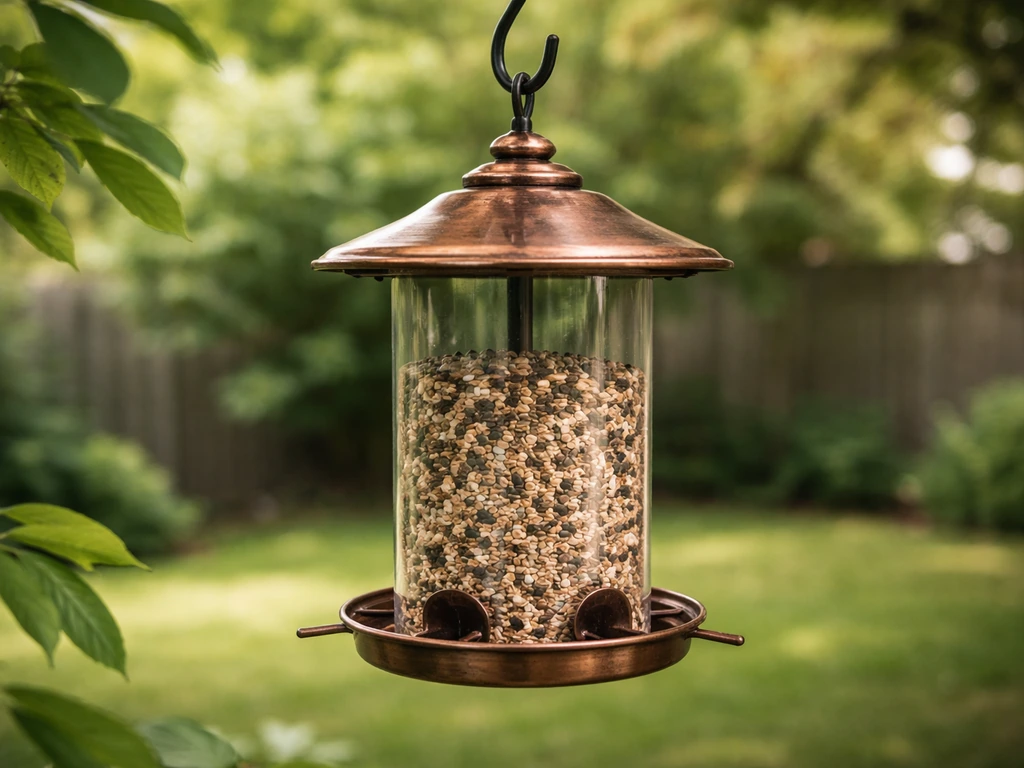
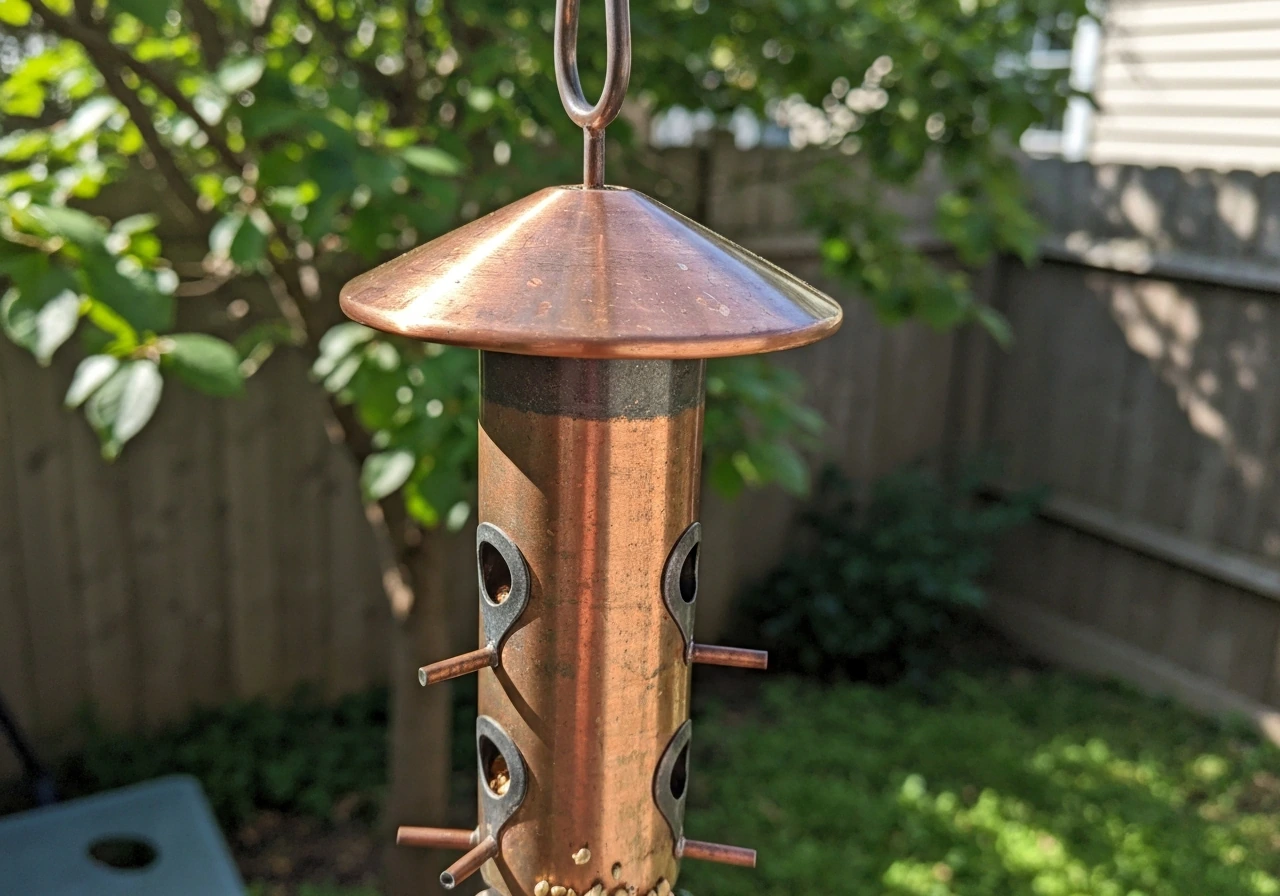
There are three Woodlink copper-top bird feeders, and which one you have (or need) changes everything about how you use it. The main seed model is the Brushed Copper 6 Port Seed Feeder (Item No. WoodLink lists the model as “blank" rel="noopener noreferrer">Brushed Copper 6 Port Seed Feeder” with Item NO 24561/COP6S (dimensions 5.500 L x 5.500 W x 15.500 H, UPC 7 15038 30606 1). 24561/COP6S), a clear polycarbonate tube with a brushed copper top and bottom that holds 1.25 lbs of sunflower or mixed seed. The finch version is the Brushed Copper 6 Port Nyjer Finch Feeder (Item No. 24562/COP6F), which is nearly the same size but uses smaller ports sized for nyjer/thistle seed. The third variant is the Brushed Copper Caged 6 Port Seed Feeder (Item No. 24618/COPCAGE6S), which wraps the same tube feeder in a metal cage to block squirrels and larger birds. All three can be hung or pole-mounted, and all three share that same brushed copper aesthetic. Once you know which one you have, the rest is straightforward.
Woodlink Copper Top Bird Feeder: Buying, Setup, and Care
Identify Your Exact Model Before You Do Anything Else
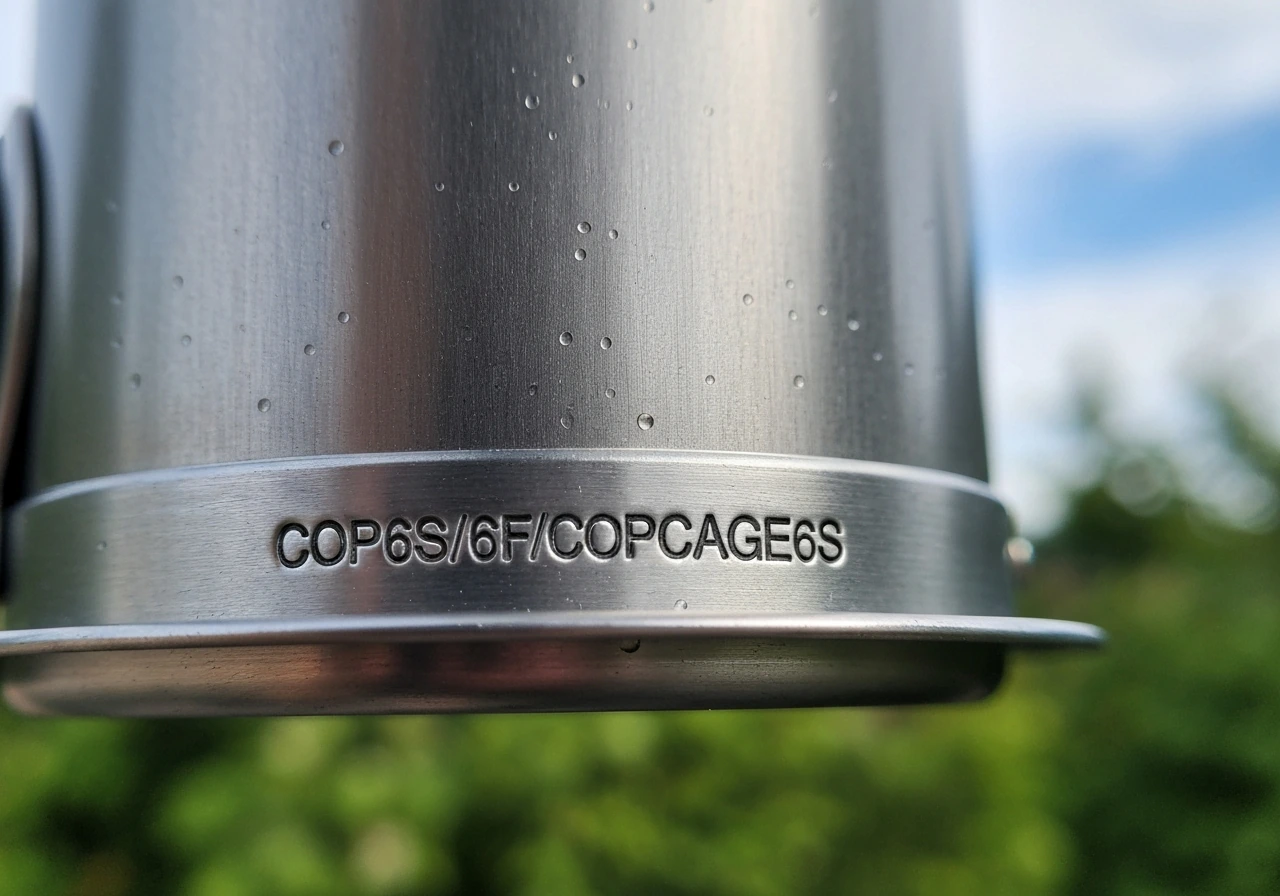
The fastest way to confirm your model is to check the item number stamped on the feeder or its original packaging. Look for COP6S (seed), COP6F (nyjer/finch), or COPCAGE6S (caged seed). If you've lost that info, size and port shape will tell you quickly. The seed tube (COP6S) measures roughly 5.5 inches wide by 15.5 inches tall. The finch tube (COP6F) is nearly identical at 5.25 x 15.5 inches but has noticeably smaller feeding ports. The caged version (COPCAGE6S) is wider and taller at 11 x 11 x 16.5 inches because of the wire cage surrounding it, and it's listed under Woodlink's own squirrel-resistant feeder category. If your feeder has a cage around it, you have the COPCAGE6S. If it's a plain tube with a copper cap and no cage, check the port size: small slotted ports mean COP6F, larger round ports mean COP6S.
| Model | Item No. | Dimensions | Seed Type | Squirrel Resistant |
|---|---|---|---|---|
| Brushed Copper 6 Port Seed Feeder | COP6S / 24561 | 5.5" x 5.5" x 15.5" | Sunflower, mixed seed | No |
| Brushed Copper 6 Port Nyjer Finch Feeder | COP6F / 24562 | 5.25" x 5.25" x 15.5" | Nyjer (thistle) seed | No |
| Brushed Copper Caged 6 Port Seed Feeder | COPCAGE6S / 24618 | 11" x 11" x 16.5" | Sunflower, mixed seed | Yes |
One more thing worth flagging: Woodlink also makes a copper-top hummingbird feeder with a glass bottle and a copper reservoir. It looks related but works completely differently. If you landed here because you have a copper-top feeder with a nectar bottle, that's a separate product entirely and this guide doesn't apply to it.
Which Birds Will Show Up and What to Feed Them
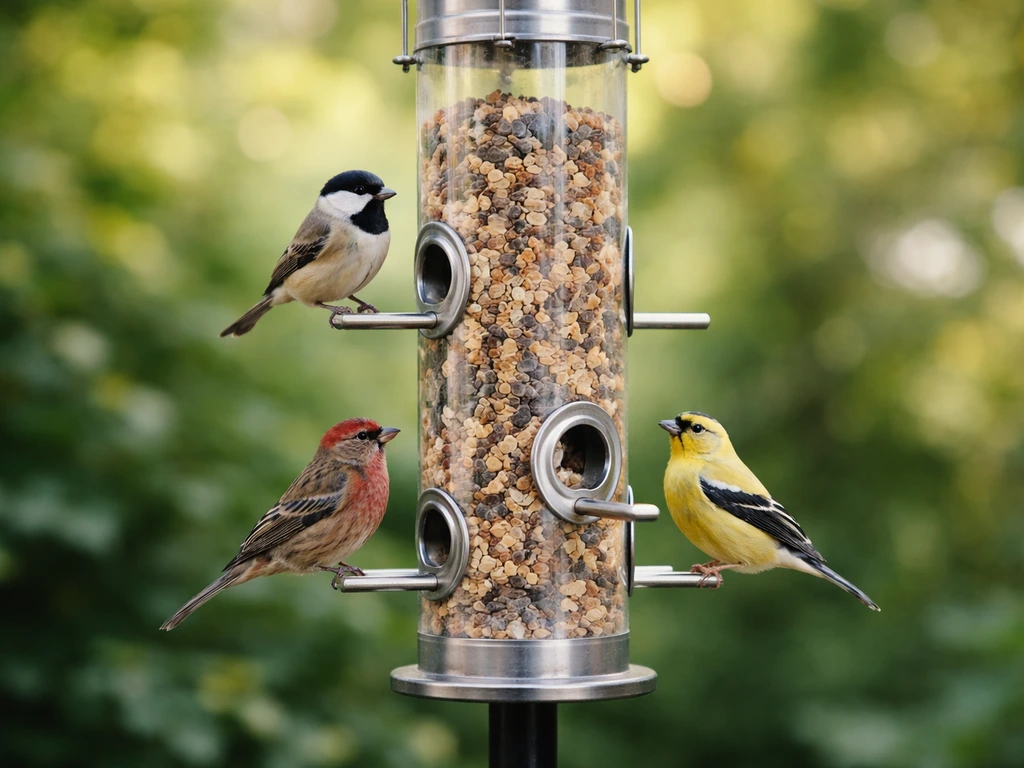
The COP6S seed tube is a generalist feeder. Load it with black-oil sunflower seed and you'll attract chickadees, nuthatches, house finches, purple finches, goldfinches, tufted titmice, and downy woodpeckers. Cardinals will visit but often struggle with tube feeders because they prefer a wider perch, so if cardinals are your main target, a hopper or platform feeder serves them better. If you mix in safflower seed, you'll see more cardinals and fewer European starlings and house sparrows, which is often a trade worth making.
The COP6F nyjer feeder is built specifically for finches. American goldfinches are the star attraction, but pine siskins, common redpolls (in northern winters), and house finches will also work the ports. Use only fresh nyjer seed here because it goes rancid faster than sunflower and finches will abandon a feeder that smells stale. A 5-pound bag every three to four weeks is a reasonable starting point for an active feeder.
The caged COPCAGE6S attracts the same birds as the COP6S, but the cage spacing limits access to smaller birds. Chickadees, nuthatches, titmice, and finches pass through the cage openings easily. Larger birds like blue jays, grackles, and starlings are blocked, which is partly the point. If you want to attract blue jays, you're better off with an open platform or hopper feeder. For smaller songbirds in a squirrel-heavy yard, the caged version is the right call.
Seed pairing cheat sheet
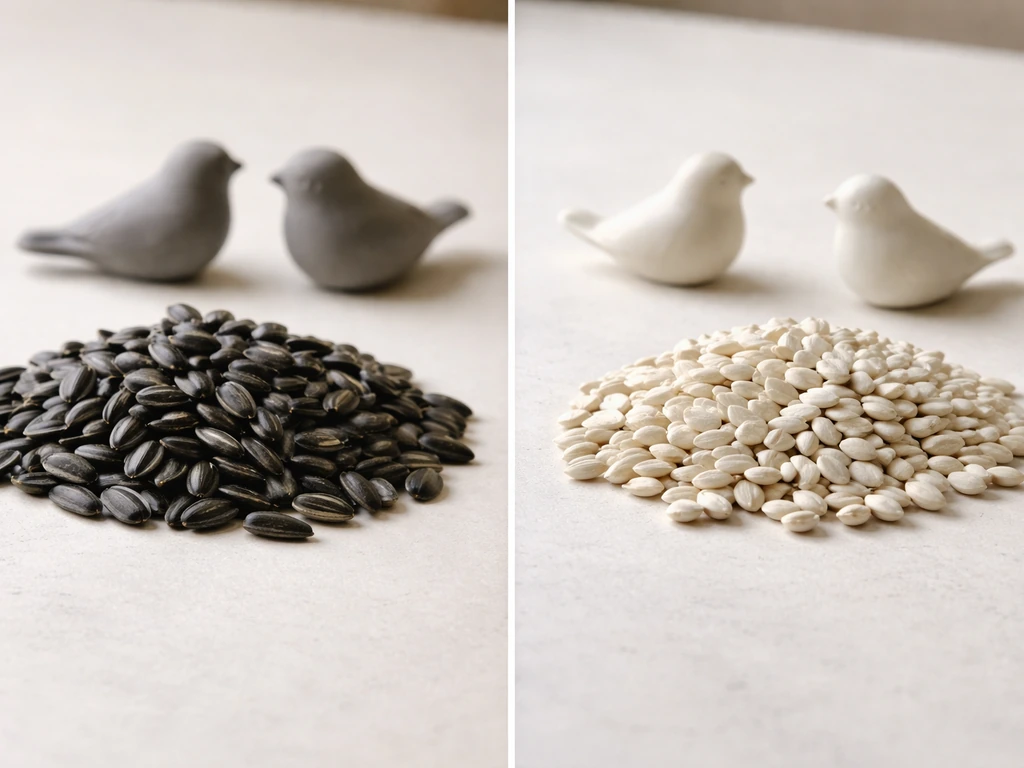
- COP6S with black-oil sunflower: best all-around mix for chickadees, finches, nuthatches, titmice
- COP6S with safflower: cardinals, chickadees, titmice; deters sparrows and starlings
- COP6F with fresh nyjer: goldfinches, pine siskins, redpolls
- COP6S or COPCAGE6S with Nyjer blended into a mixed seed: works, but check port size fits the seed
- Avoid cracked corn and milo in these tube feeders: they absorb moisture fast and clog ports
Assembly, Mounting, and Getting the Placement Right
Assembly on all three models is minimal. The seed tube (COP6S/COPCAGE6S) has a metal cap that slides up for filling. Load seed from the top, slide the cap back down until it clicks or seats firmly, and hang via the wire loop at the top. The finch feeder works the same way. Both can hang from a shepherd's hook pole, a tree branch, or a dedicated pole-mount system. Woodlink also makes a compatible seed catcher tray (model WLTUBETRAY) that clips onto the bottom of COP6S and similar tube feeders. It has drainage holes built in, so it catches spilled seed without turning into a puddle during rain. If you don't have one yet, it's worth adding.
For placement, hang the feeder 5 to 6 feet off the ground. This is high enough to keep it away from ground-level cats and low enough that you can actually see and refill it easily. Keep it at least 10 feet away from fence posts or tree branches that squirrels can jump from, which matters especially if you have the uncaged COP6S or COP6F. Position it within 10 to 30 feet of a tree or dense shrub so birds have cover to retreat to. Placing it too far from cover means birds feel exposed and visit less frequently.
One placement rule that gets overlooked: put the feeder either within 3 feet of a window or more than 30 feet away from one. At those distances, birds either can't build up speed to hurt themselves on glass, or they have enough room to recognize it as a solid surface. The dangerous zone is the 5-to-30-foot range where birds fly full speed into windows they can't distinguish from open sky.
Seasonal placement matters too. In summer, partial shade during the hottest part of the afternoon keeps seed from overheating and reduces mold growth. In winter, a south or southeast exposure helps seed stay drier and gives birds a little warmth when they're feeding in freezing temperatures. If you're in a region with heavy snow, hang the feeder where it won't get buried by roof snow sliding off a structure.
Keeping Seed Dry and Preventing Mold
These feeders have drainage holes at the base of the tube, which is a genuine feature and not just marketing copy. In light rain, the holes do their job and seed stays reasonably dry. In sustained rain or high humidity, you still need to take some precautions. The biggest practical step is to fill the feeder less than full during rainy periods. A half-filled tube means seed moves through faster, there's less time for moisture to accumulate at the bottom, and you're refilling more often which forces you to check seed quality regularly.
If you notice seed clumping at the ports, that's moisture infiltration. Pull the feeder, dump the seed, and check whether the drainage holes are blocked by debris or fine seed dust. A toothpick or small brush clears them in about 30 seconds. Adding a weather dome or baffle above the feeder helps in heavy rain regions, it redirects water away from the top and keeps the copper cap from pooling water into the tube. The dome also doubles as a squirrel deterrent, which makes it a solid upgrade for either the COP6S or COP6F.
For the nyjer feeder specifically, check seed freshness by smelling it. Fresh nyjer has a light oily scent. Rancid nyjer smells flat or slightly sour. Finches are sensitive to stale seed and will stop visiting well before you'd notice anything visually. In humid climates, buy nyjer in smaller quantities (2 to 3 pounds at a time) rather than large bags you'll take weeks to use up.
Ice is a winter-specific problem. The drainage holes that help in rain can freeze in temperatures below 20°F, trapping any moisture inside. If you live somewhere with extended freezes, check the feeder base every few days in hard cold spells. A quick warm-water rinse frees up frozen ports and takes about a minute. Some birders bring tube feeders inside overnight during hard freezes and put them back out in the morning when birds start feeding, which is honestly a great habit if you're dealing with repeated ice cycles.
Squirrel and Pest Control That Actually Works
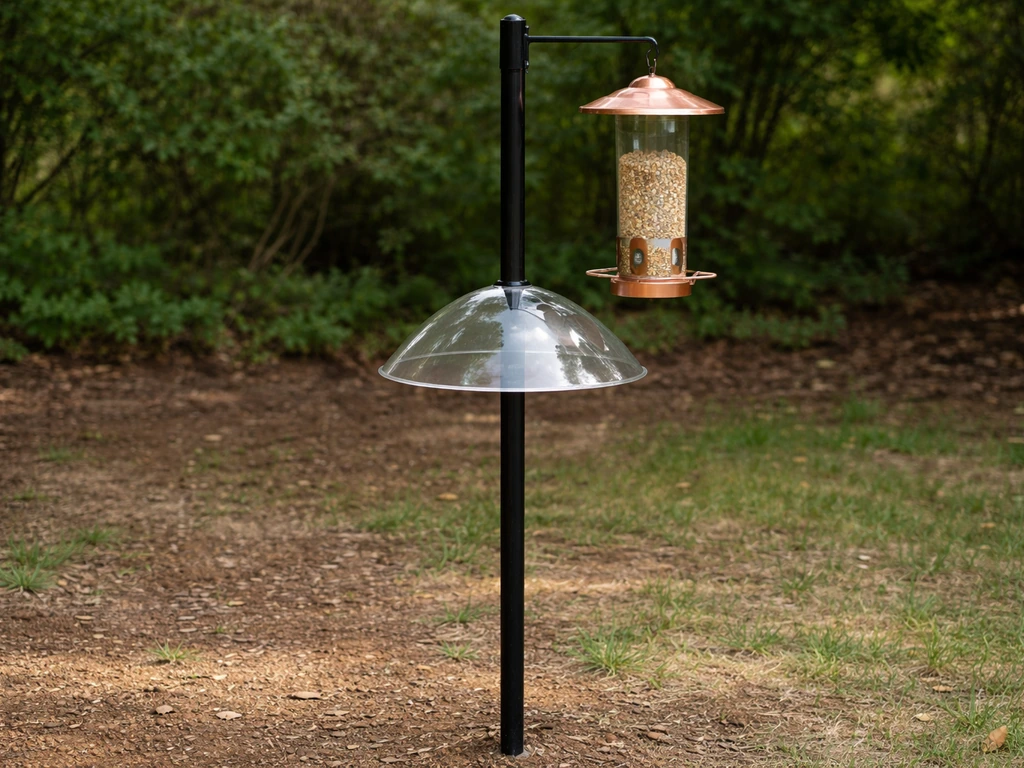
If you have the caged COPCAGE6S, you already have the best built-in squirrel deterrent in this feeder line. The cage physically prevents squirrels from reaching the ports. That said, squirrels are persistent and will still try to knock the feeder or chew the hanging wire if given the chance. Use a metal-coated hanging wire instead of a thin cord, and hang from a pole with a baffle rather than a tree branch where possible.
For the uncaged COP6S and COP6F, a pole-mounted baffle is the most reliable solution. Mount the feeder on a smooth metal pole at least 5 feet tall, add a cone or torpedo baffle below the feeder, and position the pole at least 10 feet from any structure a squirrel can launch from. This setup stops the majority of squirrel attempts without any ongoing effort from you. A hanging dome baffle above the feeder adds a second layer for particularly athletic squirrels.
Rats are a different problem. They're attracted to spilled seed on the ground under the feeder, not usually to the feeder itself. The Woodlink seed catcher tray (WLTUBETRAY) reduces ground spillage significantly, which is the first step. Beyond that, avoid leaving seed in the tray overnight, rake up any seed debris from the ground in the evening, and consider reducing or stopping feeding for a week or two if you see signs of rat activity. Starving out the attraction is more effective than trying to physically exclude rats from the area.
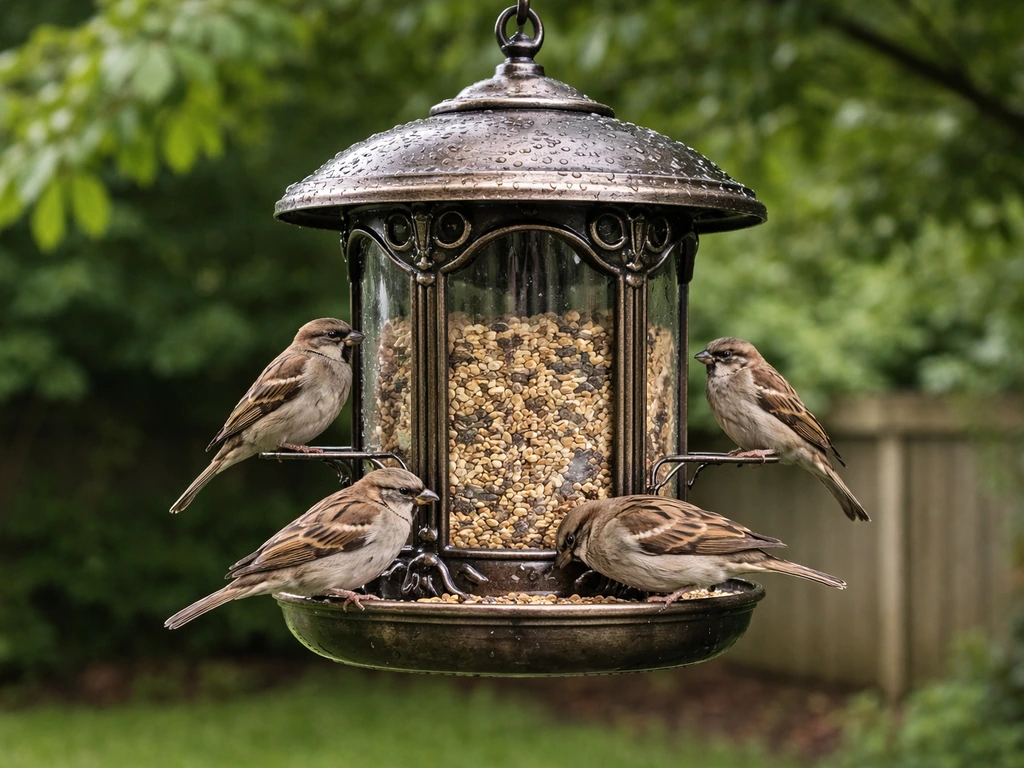
House sparrows and European starlings can overwhelm a seed tube feeder quickly. Switching to safflower seed in the COP6S discourages both species without affecting most of the birds you actually want. If you have the COP6F finch feeder, starlings generally can't use the small nyjer ports anyway, so that one takes care of itself.
Cleaning Schedule for Healthy Birds
The practical cleaning routine for the COP6S and COP6F is straightforward. Every two weeks during warm months (above 50°F), empty any remaining seed, slide the copper cap off, and rinse the tube with hot water. Use a tube brush to scrub the interior, paying attention to the bottom where seed debris collects near the drainage holes. Let it dry completely before refilling, ideally in the sun for an hour. In winter or dry climates, you can stretch cleaning to once a month.
For the caged COPCAGE6S, Tractor Supply's official care instructions call for spot cleaning with a dry cloth and wiping down with a damp cloth. The cage itself collects bird droppings and seed husks in the wire mesh. A stiff brush and warm water handles the cage, but pay attention to any rust spots forming at wire joints. Touch up with a rust-resistant spray paint if you catch it early. Left untreated, rust in wire cages spreads faster than you'd expect.
For all models, do a deep clean with a diluted bleach solution (1 part bleach to 9 parts water) once or twice a year, or immediately if you see signs of mold (gray or black residue, unusual bird droppings, or a sharp smell). Rinse thoroughly after any bleach contact, because residue harms birds. After deep cleaning, inspect the feeding ports for cracks or chips in the polycarbonate tube. A cracked tube lets water in from unexpected angles and should be replaced.
- Every 1-2 weeks (warm months): empty, rinse tube with hot water, scrub with tube brush, dry fully before refilling
- Every 4 weeks (cold months): same process, check drainage holes for ice blockage
- Every 1-2 times per year: deep clean with 1:9 bleach-water solution, rinse thoroughly, inspect tube for cracks
- After heavy rain or visible mold: immediate clean and full seed replacement
- Ongoing: wipe down cage mesh (COPCAGE6S) and check wire joints for rust
When This Feeder Is the Right Choice and When to Switch
The Woodlink copper-top tube feeders are a solid mid-range choice for most backyard setups. If you're comparing brands and features, our guide to the best tube bird feeders can help you choose the right option for your backyard tube feeders. They look good, they're reasonably weather-resistant for their price point, and the six ports serve multiple birds at once without creating a feeding traffic jam. The COP6F is genuinely one of the better finch-specific tube feeders at its price level, and the COPCAGE6S gives you a copper-top aesthetic with real squirrel protection built in.
That said, there are situations where you should consider a different feeder type. If you're comparing options, the best triple tube bird feeder setup is usually the one that matches your birds and your pest pressure. If your primary birds are cardinals, mourning doves, or blue jays, these tube feeders won't serve them well. Cardinals and doves need a flat, wide feeding surface, which puts platform or hopper feeders in a better position. If you're dealing with persistent squirrel pressure despite baffles and the uncaged COP6S is just getting demolished, upgrading to the COPCAGE6S or moving to a dedicated squirrel-proof tube with a spring-loaded cage mechanism will save you frustration.
If you want to attract a broader range of species beyond finches and small songbirds, a hopper or cylinder feeder holds significantly more seed and suits more feeding styles. Cylinder feeders in particular are worth looking at if you're filling tubes every few days and want something with larger capacity. If you are comparing types, cylinder bird feeders can be a good alternative when you need more seed capacity and easier refills. For anyone comparing options, the broader world of tube feeders, metal feeders, and cylinder feeders gives you plenty of choices to match the feeder to your specific bird goals.
If weatherproofing is your primary concern and you're in a very rainy climate, a feeder with a wider roof overhang or a covered hopper design keeps seed drier than even the best tube feeder can. The drainage holes on the Woodlink copper-top models help, but they're not a full substitute for a design that keeps rain from entering the seed chamber in the first place.
Quick decision guide: keep the Woodlink copper-top or switch
| Your situation | Recommendation |
|---|---|
| You want goldfinches and chickadees, manageable squirrel pressure | Keep the COP6S or COP6F, add a pole baffle |
| Squirrels are destroying your feeder | Upgrade to COPCAGE6S or add a dome/torpedo baffle to COP6S |
| You mainly want cardinals or doves | Switch to a hopper or platform feeder |
| Seed molds constantly in your climate | Switch to a covered hopper or add a weather dome above this tube |
| You want finches only, no mixed seed mess | Keep the COP6F, use only fresh nyjer |
| You want to feed 10+ species regularly | Add a hopper or cylinder feeder alongside this one |
Your Next Steps Today
Start by confirming your model using the item number or the size and cage check above. Then match your seed to the model: sunflower or safflower for the COP6S and COPCAGE6S, fresh nyjer for the COP6F. Install on a smooth metal pole with a baffle, or hang from a spot that keeps squirrels at least 10 feet away laterally. Position it 5 to 6 feet high, within 10 to 30 feet of shrub cover, and either very close to or well away from any windows. Add the Woodlink seed catcher tray if you don't have one. Check drainage holes on your first fill, set a two-week cleaning reminder on your phone, and watch which birds show up in the first week. If you're not seeing the birds you expected within two weeks, the most common fix is either a seed change or a placement adjustment, not the feeder itself. If you want the simplest way to pick the best copper bird feeders for your yard, use your model and bird targets to choose between the seed, finch, and caged options.
FAQ
My listing says “copper top.” How do I make sure I bought the seed tube feeder, not a hummingbird feeder?
If you see a “copper-top hummingbird” or nectar bottle setup, do not use these filling, cleaning, or seed-placement rules. The nectar feeder has a different fluid behavior and needs routine nectar replacement, while the Woodlink copper-top tube guide here assumes dry seed and focuses on seed drainage and spoilage control.
What’s the fastest way to tell if nyjer seed is too old for the Woodlink copper-top finch feeder?
Nyjer can look fine but still be unusable. When you open a bag, check for a strong light oily smell (fresh) versus flat or slightly sour (rancid). If the scent is off, discard it and do a quick rinse of the tube before refilling, otherwise the ports can keep a lingering odor even after cleaning.
If seed clumps at the ports, should I just top off with fresh seed?
Because these are “drain first” feeders, don’t troubleshoot clumping by adding dry seed on top. Empty the tube, check that the drainage holes are clear of dust or husk buildup, then refill only after the feeder has fully dried. If you keep topping off, moisture can keep accumulating at the bottom even though the visible ports look normal.
Is it safe to keep thawing the feeder with hot water all winter?
For winter freeze cycles, avoid using hot water long-term. A quick warm rinse is fine to clear frozen ports, but prolonged warmth can soften or stress the tube materials and may worsen cycling if refreezing repeatedly. If you repeatedly get hard ice, consider temporarily bringing the feeder in overnight and returning it when birds resume normal activity.
Can I use safflower in the COP6F finch feeder to cut down on starlings?
Yes, but choose the right model and seed. Safflower in the COP6S can reduce starlings and house sparrows without losing the small songbirds you want, while nyjer is specifically for finch ports on the COP6F and generally won’t serve the same purpose. If you switch seed types, re-evaluate which species you expect within the first week.
Will the Woodlink copper-top seed tube bring in cardinals reliably?
Cardinals often struggle on tube-perch styles because there is limited, narrow perching space. Even if they visit, they may not feed efficiently or may linger without staying on the ports. If cardinals are a top priority, treat this as a “secondary feeder” and switch your main feeding station to a hopper or platform design with wider access points.
What actually helps if I’m getting rats near my woodlink copper top bird feeder?
Rodents tend to be drawn to dropped seed beneath the feeder more than to the tube itself. If you don’t already have the seed catcher tray, adding it reduces the ground buffet. Also, remove seed debris from the area in the evening because overnight leftovers are what reinforce rat visits.
Even with baffles, squirrels still reach the uncaged tube feeder. What should I adjust first?
Don’t mount an uncaged COP6S or COP6F close to a launch point. Use a smooth metal pole, keep it at least 5 feet tall, add a cone or torpedo baffle, and maintain lateral distance of about 10 feet from trees, fences, or branches squirrels can reach. If the feeder is still being attacked, upgrade to the caged COPCAGE6S rather than only adding more seed or switching to different hangs.
How often should I deep-clean the Woodlink copper-top tube feeders if humidity is high?
A two-week cleaning reminder is a good default for warm weather, but adjust based on humidity and bird traffic. If you notice gray residue, unusual droppings, or a sour smell, clean immediately regardless of the calendar. After any bleach deep clean, rinse thoroughly and let the tube dry completely before refilling to avoid harming birds.
During heavy rain, should I keep the tube full to avoid refilling often?
Yes, but do it strategically. In rainy spells, fill to about half capacity so seed moves through faster and you reduce moisture time at the bottom. After rain, inspect the drainage holes for blockage and check the smell and clumping before deciding whether to dump and refill.