You can absolutely turn a Pringles can into a working bird feeder today, in about 20 minutes, with nothing more than a can, a utility knife, some twine, and a bag of black-oil sunflower seed. For more options, you can also explore tin can bird feeders and other repurposed designs. Cut a few feeding ports near the base, poke drainage holes in the bottom, thread a wire or cord through the plastic cap or rim, hang it from a branch at 5 to 6 feet off the ground, and fill it with seed. That's the whole concept. What keeps most people from getting good results is skipping the drainage, hanging it somewhere exposed to rain, or filling it with cheap mixed seed that birds won't eat. This guide walks you through everything from build variations to placement, pest control, and keeping it alive through winter.
Pringle Can Bird Feeder: DIY Steps, Placement, and Maintenance
Why a Pringles can bird feeder works (and when it doesn't)
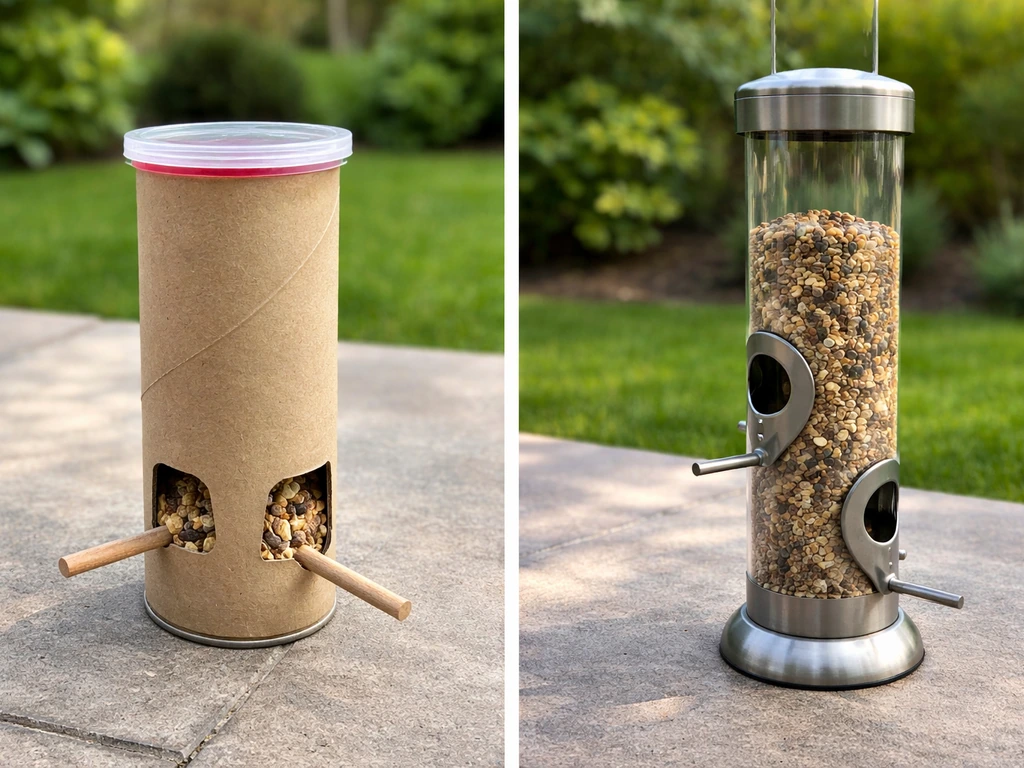
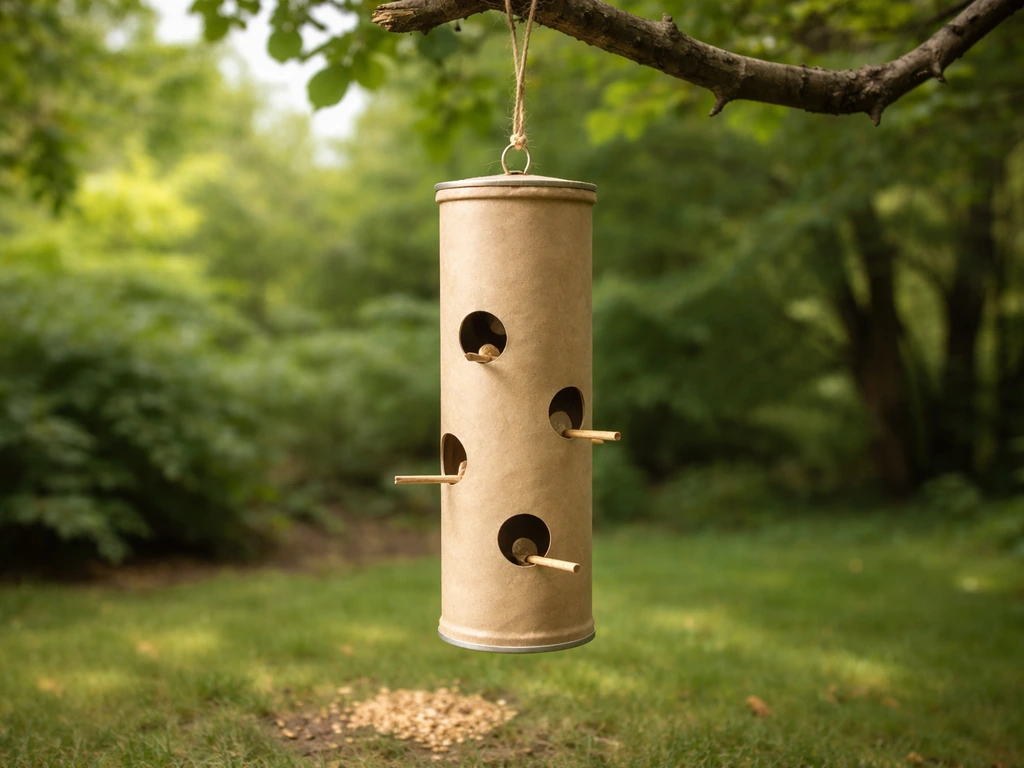
The Pringles can is genuinely well-suited to DIY bird feeding. It's a rigid tube shape, which mimics a commercial tube feeder almost perfectly. The metal body doesn't flex in the wind the way a plastic bottle does, it holds a decent seed volume (roughly a cup and a half), and the plastic cap gives you a built-in weather shield at the top if you leave it on. A plastic coffee can bird feeder is a similar upcycling idea that can also work well, especially if you add protection from rain plastic bottle. The cost is effectively zero if you're upcycling a can you already have.
That said, there are real limits. The cardboard body of a Pringles can is the biggest problem. Unlike a tin coffee can or a plastic bottle, it absorbs moisture and degrades quickly once it gets wet. If rain gets into the feeding ports or up into the seed column, you'll end up with moldy, clumped seed and a soggy can that falls apart within a few weeks. The can also has no built-in perch, so you need to add one. And it offers zero squirrel resistance on its own. If you go in knowing those trade-offs, you can design around them. If you're looking for a feeder that lasts a full season with zero maintenance, this isn't it. For that, a metal or polycarbonate tube feeder is the better call. But as a low-cost, fast weekend project that genuinely attracts birds? It's hard to beat.
It's worth comparing this project to similar recycled-container feeders like coffee can or tin can builds. A metal coffee can body handles moisture far better than a Pringles can and is worth considering if you want something more durable. A standard Pringles can feeder is best treated as a seasonal or trial feeder rather than a permanent fixture.
Materials, tools, and what to grab before you start
- One empty Pringles can with the plastic lid intact (standard 5.5-inch diameter, 10.5-inch tall is easiest to work with)
- A utility knife or sharp craft knife (a box cutter works fine)
- A Phillips-head screwdriver or a 3/8-inch drill bit (for perch holes)
- Two 6-inch wooden dowels, chopsticks, or pencils for perches
- Heavy-gauge wire (16–18 gauge) or paracord for hanging
- Waterproof packing tape or clear silicone caulk (optional but helpful for sealing cut edges)
- Black-oil sunflower seed or safflower seed to fill it
- A marker and ruler for measuring port placement
Optional extras that genuinely improve durability: a coat of exterior spray paint on the outside of the can (this slows moisture absorption significantly), a small square of hardware cloth or a mesh bag zip-tied over the bottom for drainage, or a plastic cup taped over the top cap as a rain shield extension.
Step-by-step DIY build: three Pringles-can feeder styles
Style 1: Simple scoop or bowl feeder (easiest build)
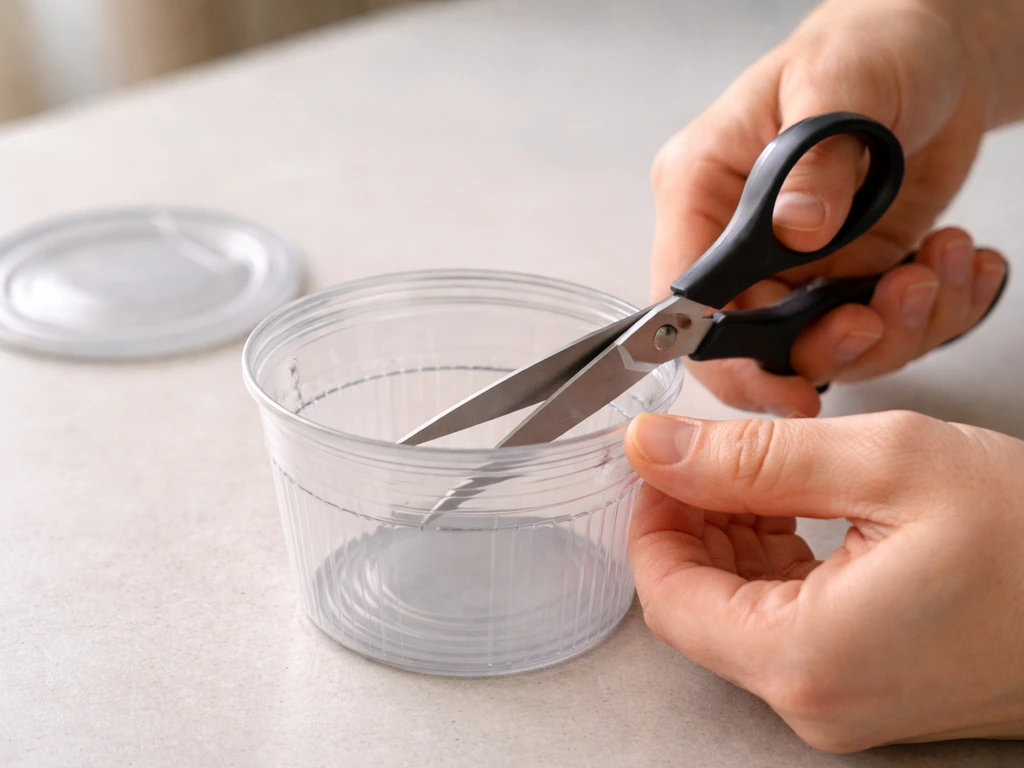
- Remove the plastic lid and set it aside. This becomes your seed tray.
- Cut the can about 3 inches up from the base, keeping the lower section as a cup or bowl.
- Poke 4 to 6 small drainage holes (about 1/8 inch each) in the very bottom of the cut section.
- Thread a wire loop through two holes punched just below the top rim of the bowl section.
- Fill with seed and hang from a shepherd's hook or branch.
- Replace the lid loosely on top as a rain shield if you want some coverage.
This is the most basic version and works well as an open platform feeder. It suits larger birds like cardinals and mourning doves that prefer open feeding. The downside is that seed is fully exposed to weather and squirrels, so check it daily.
Style 2: Tube feeder with feeding ports and perches (most effective)
- Keep the can intact with the plastic lid on. This is your hanging top.
- Measure 2 inches up from the bottom of the can and mark two feeding port positions on opposite sides.
- Cut oval feeding ports about 1 inch wide by 3/4 inch tall using a utility knife. Oval shape is easier to cut cleanly than a circle.
- Measure 1 inch below each feeding port and poke a 3/8-inch perch hole through the can on both sides (so one dowel passes completely through the can beneath each port).
- Slide your wooden dowels through the perch holes so they extend 2 to 3 inches on each side.
- Poke 6 to 8 small drainage holes in the bottom of the can.
- Use waterproof tape or a thin bead of silicone around the cut edges to slow moisture ingress.
- Pierce two small holes through the plastic lid near its center and thread heavy wire or paracord through, knotting securely on the underside so the lid bears the feeder's weight.
- Fill through the open bottom before snapping the lid back on, or fill from the top if you remove the lid and re-attach after filling.
This version most closely mimics a commercial tube feeder and works well for chickadees, nuthatches, house finches, and tufted titmice. The ports are small enough that larger birds like starlings have a harder time using them efficiently, which is a genuine advantage. If you want to attract goldfinches with nyjer seed, cut your ports smaller, around 1/4 inch wide, to slow seed flow and reduce spillage. Nyjer is best fed on its own rather than mixed with other seeds.
Style 3: Side-window seed-access feeder (gravity-fed)
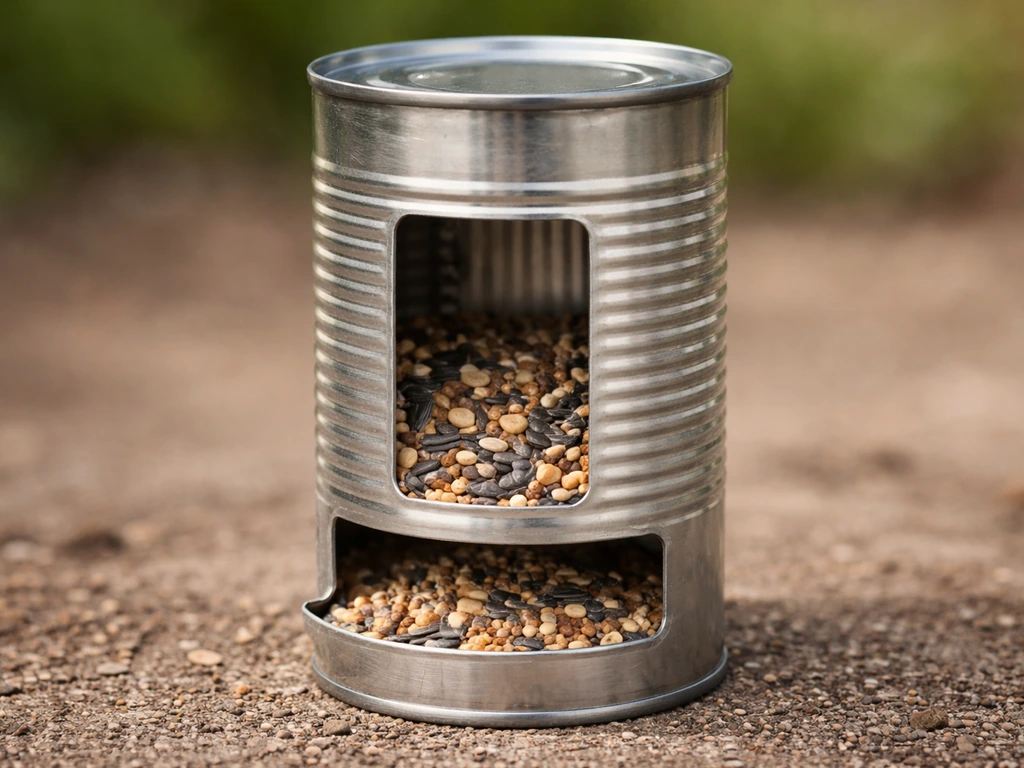
- Use the full intact can with the lid on top.
- Cut a large rectangular opening about 2 inches wide by 3 inches tall on one side, positioned 3 inches from the bottom.
- Below the opening, hot-glue or tape a small plastic bottle cap or a section of a yogurt lid as a seed catch tray.
- Drill perch holes 1 inch below the opening and insert a dowel perch.
- Punch drainage holes in the bottom, and apply sealant around cut edges.
- Hang with wire threaded through the plastic lid.
This style works like a hopper window and is slightly easier to refill because the opening is large. It's more exposed to rain so it benefits most from a rain-shield modification, like taping a folded piece of aluminum foil or plastic sheeting above the opening as an awning.
Where to hang it for the birds you want
Height matters more than most people expect. Hang the feeder between 5 and 6 feet off the ground. That's high enough to give birds a clear sightline for predators but low enough that you can reach it easily to refill and clean. Avoid going lower than 4 feet in areas with cats.
Distance from windows is a real safety issue. A Pringles can bird feeder can also be affected by its surroundings, so aim for safe, sheltered placement. Feeders placed roughly 3 to 30 feet from a window sit in the danger zone where birds can build enough speed after flushing to cause serious or fatal window collisions. The safest options are placing the feeder within 3 feet of the window (so birds can't accelerate before hitting the glass) or more than 30 feet away. If you're hanging the Pringles can feeder near a window, keep it close, within arm's reach of the glass.
Wind and rain shelter: hang the feeder on the leeward side of a tree or under a branch with natural overhang. A Pringles can degrades fast when it takes direct rain repeatedly, so even partial shelter from above makes a noticeable difference in how long it lasts.
| Target Bird | Ideal Feeder Style | Best Placement |
|---|---|---|
| Chickadees, nuthatches | Tube with ports and perches | Hung from a branch, 5–6 ft high, near shrubs |
| House finches, goldfinches | Tube with small ports | Open area with clear approach, 5–6 ft high |
| Cardinals | Open bowl/scoop style | Low shrub edge, 4–5 ft high, near dense cover |
| Mourning doves | Open bowl on flat surface | Near ground on a stump or low platform |
| Tufted titmice | Tube or side-window style | Wooded edge, 5–6 ft high |
What to fill it with (and what to avoid)
Black-oil sunflower seed is the right choice for most backyard birds and works in every Pringles-can feeder style. It has thin shells that small birds like chickadees and finches can open easily, it's energy-dense, and it's the single most preferred seed among the broadest range of North American backyard species. Fill the can two-thirds full rather than to the brim, which gives seed room to shift and reduces the chance of moisture getting trapped at the top.
Safflower seed is a solid secondary option, especially if house sparrows or European starlings are a problem. Pennington also notes that safflower does not appeal to house sparrows, European starlings, and squirrels, making it a useful option when those pests are an issue safflower seed is a solid secondary option. Those species tend to ignore safflower, while cardinals and chickadees eat it readily. As a bonus, squirrels are also less enthusiastic about safflower than sunflower, so it helps on the pest front too.
Avoid cheap mixed seed blends that include milo, red millet, or wheat. Most backyard birds reject those filler seeds, and they end up on the ground where they rot and attract rodents. If you want to offer nyjer (thistle) seed for goldfinches, use a separate feeder with very small ports, or modify your Pringles-can ports to be extremely narrow. Nyjer fed through ports that are too large just falls straight out and goes to waste.
Don't overfill or leave seed sitting for more than a week, especially in warm or humid weather. Sunflower seed can go rancid and moldy quickly in a small enclosed tube, and moldy seed is genuinely harmful to birds. Only put in as much as birds will eat in 3 to 5 days.
How to stop squirrels, rats, and mess
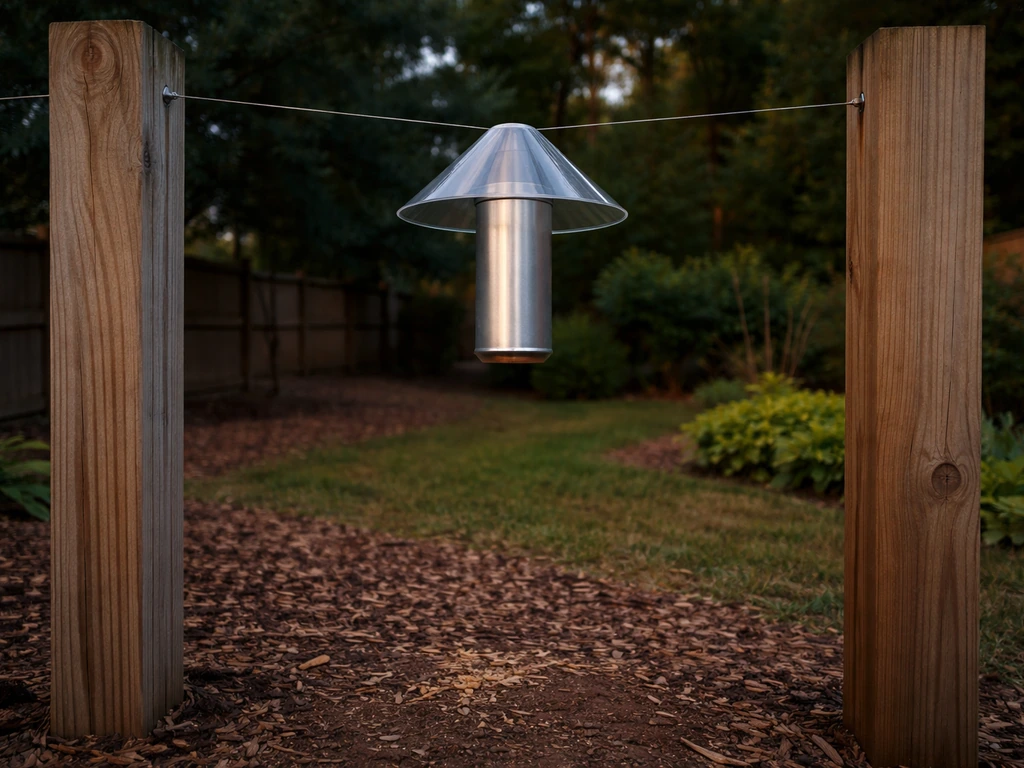
Let's be honest: no DIY Pringles-can feeder is squirrel-proof on its own. The can is lightweight, easy to grab, and has no built-in baffling. But you can make it significantly less accessible with a few practical moves.
- Hang it on a thin wire rather than a rope or chain. Squirrels struggle to descend thin wire cleanly, especially if the wire is long (4+ feet from the hang point to the feeder).
- Use a torpedo-style or cone-style squirrel baffle on the pole or branch above the feeder. A physical baffle is the single most effective deterrent you can add.
- Fill with safflower seed instead of sunflower. Squirrels have much less interest in safflower and will often move on to easier targets.
- Keep the feeder away from jumping-off points: at least 10 feet horizontally from a tree trunk, fence, or roof edge, and at least 5 feet below any branch directly above.
- Take the feeder in at night if rats or mice are a concern. Rodents are mostly nocturnal feeders, and a Pringles can on the ground or at low height is an easy target. Bringing it in removes the nighttime invitation entirely.
Seed on the ground is the main driver of rat and mouse problems. Use a seed-catching tray below the feeder or switch to shelled sunflower chips, which produce almost no debris. If you notice accumulation under the feeder, rake it up every few days. Crowded ground feeding under a feeder also increases disease transmission risk between birds, so keeping the area clean matters beyond just pest control.
Cleaning, maintenance, and making it through winter
Basic cleaning routine
Clean the feeder once a month at minimum. In hot, humid summer months, bump that up to every two weeks. Empty any remaining seed, rinse the inside of the can, and sanitize with a solution of one part bleach to nine parts water. Let it soak for a few minutes, then rinse thoroughly and allow it to air-dry completely before refilling. Never add fresh seed to a damp feeder. Moisture is how mold gets started, and mold in a bird feeder can make birds seriously ill. A vinegar-and-water solution (50-50) works well for routine cleaning between deeper bleach sanitizing sessions.
Because a Pringles can is inexpensive and somewhat disposable, one practical approach is simply to replace the can every 4 to 6 weeks rather than repeatedly deep-cleaning it. Keep a spare can ready and swap the hardware (wire, dowels) into the fresh can when the old one starts looking worn.
Winter-specific tips
Cold weather helps in one way: seed stays fresh longer at low temperatures, so refill frequency can drop slightly. But moisture is a bigger problem in winter than summer. Snow and freezing rain can seep into ports and freeze the seed into a solid block. Check the feeder after every precipitation event and break up any frozen seed clumps. If the can gets wet repeatedly, the cardboard body will delaminate from the inside foil lining and lose structural integrity fast.
To extend winter performance, wrap the outside of the can in a layer of waterproof tape or brush on a coat of exterior Mod Podge or similar waterproofing sealant before hanging. Silicone around all the cut edges also makes a real difference. Position the feeder under a roof overhang, a dense evergreen branch, or a dedicated feeder cover (a simple inverted plastic planter saucer hung above the feeder works surprisingly well).
If you're feeding through a serious winter and birds are depending on your feeder, this is the moment to think about upgrading. A Pringles can is a great entry point, but a proper metal or polycarbonate tube feeder handles freeze-thaw cycles, persistent moisture, and daily use far better. If you want a feeder that is specifically tuned for all-weather use, a Dr. Who bird feeder style can be a fun option to look into dr who bird feeder. If you want a longer-lasting option, you can also look at dedicated tube feeders designed for easy drainage and weather resistance tube feeder handles freeze-thaw cycles. If your DIY feeder is showing visible mold, structural failure, or seed is consistently freezing or rotting, replace it with something more durable rather than pushing through a failing setup. Your birds will be better served by a reliable feeder than a DIY one that's degrading.
Signs it's time to retire the can
- The cardboard body is soft, discolored, or separating from the inner foil lining
- Seed inside is clumping, smells sour, or shows visible mold
- The hanging wire or cord has weakened where it passes through the lid
- Birds have stopped using it despite fresh seed (often a sign of contamination they can detect)
- The feeding ports have widened from weathering and seed is pouring out instead of being accessed one piece at a time
One last thought: the Pringles-can feeder works best as a starting point, a way to learn what birds are in your yard, what seeds they prefer, and where they like to feed, before you invest in something more permanent. Think of it as a trial run rather than a long-term solution, and it'll serve you and your birds well.
FAQ
Can I leave the Pringles can bird feeder outside during heavy rain, or should I take it down?
Yes, but do it in a way that prevents trapped moisture and keeps the tube usable. If you cover the feeder with any lid or cap, leave ports uncovered for drainage and airflow, and check under/inside after rain. Avoid stacking multiple layers of tape that create a sealed “water pocket” at the top, since condensation can still form and lead to mold.
What seed should I use if I want to attract specific birds like goldfinches or cardinals?
Pick sunflower seed only, and tailor the ports if you are targeting goldfinches. Nyjer can work, but only if the openings are extremely small (about 1/4 inch or less, and ideally narrower) so it feeds slowly and doesn’t fall straight through. If you use mixed seed, milo and similar fillers tend to get ignored and increase mess and rodent activity.
How often should I refill and replace seed when temperatures are changing?
A practical way is to place the feeder where you can reach it for quick checks, then set your seed schedule to match your weather. In cool dry weather, 5 days is often fine, but in warm or humid conditions switch to 3 to 4 day refills. If you notice clumping, dampness, or a dusty, oily smell, empty it and sanitize before refilling.
What should I do if the feeder gets wet and the seed becomes moldy or clumped?
If water gets into the tube and seed turns clumpy, don’t just shake it out and keep going. Empty completely, rinse, then sanitize and fully air-dry before adding fresh seed. Also inspect cut ports and the area near the bottom, since repeated wetting there is what typically causes delamination and port failure.
Is it okay to mount the feeder on a pole or only hang it from a branch?
You can, but prioritize safety and stability. If you mount it under a branch overhang, keep the hanging cord taut and replace any stretched twine that starts slipping. Avoid positioning so squirrels can climb to the cord, and consider adding a short seed tray below to reduce debris that attracts rodents.
Do I need to add a perch to attract more birds to a Pringles can feeder?
No, not if the ports are wide open. Many small-bird feeders rely on a landing edge or perch so birds can feed comfortably; the Pringles tube is perchless by default. Add a simple perch (a dowel or similar) so birds can balance, especially if you’re targeting finches and titmice that prefer a stable feeding position.
How do I choose a placement distance from windows to prevent bird collisions?
For window safety, the reliable rule is either within 3 feet of the glass or more than 30 feet away. If you cannot do either, place it at arm’s reach so the bird cannot build speed after flushing. Also keep it sheltered so birds are less likely to fly out abruptly in panic.
If I add hardware cloth or a mesh bag for drainage, will it also help with pests?
Use hardware cloth or a mesh bag method around the bottom only for drainage and debris reduction, not as a “bottom seal.” You want liquid to exit, and you want seed to stop collecting underneath where rodents feed. Make sure the cloth does not block drainage holes, and check it periodically because mesh can clog with hulls.
What’s a good alternative seed if starlings or house sparrows dominate my feeder?
Safflower is your best backup when sunflower brings too many unwanted visitors. House sparrows and European starlings often ignore safflower more than other birds, while cardinals and chickadees are more willing to eat it. Even then, keep seed levels modest and clean under the feeder, since any spilled seed can still attract rodents.
My feeder attracts rats or mice. What’s the fastest way to reduce the problem?
If you’re seeing consistent seed piles below, switch strategy immediately because that debris is a disease and pest driver. Use a catch tray, remove spilled husks often, or consider shelled sunflower chips to reduce hull buildup. Also keep the ground area under the feeder visually clear by raking every few days.
How can I tell whether I should weatherproof the Pringles can or replace it with a better feeder?
Wrap-up targets depend on what’s failing. If the outer cardboard is getting soggy, waterproof tape or a waterproofing sealant can slow degradation, but you still need to handle freezing rain and snowmelt by checking after storms. If the ports keep leaking seed into the tube and freezing, it’s usually a sign to upgrade to a tube feeder designed for freeze-thaw cycles.
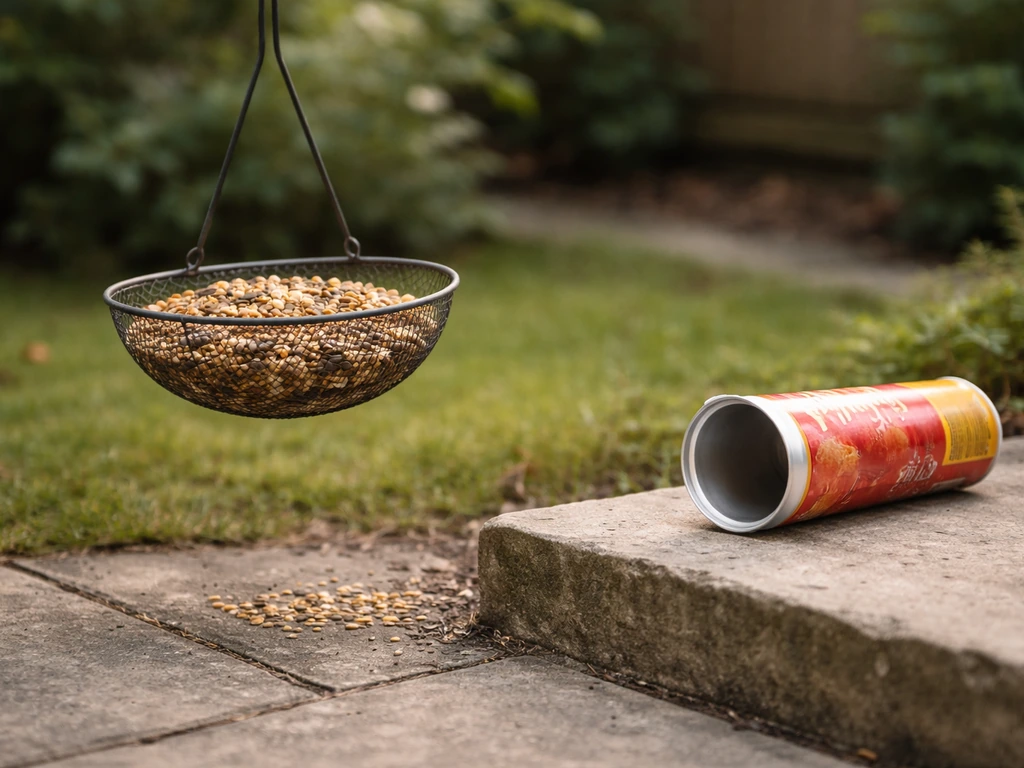
Learn why chips like Pringles harm birds, what to feed instead, and a quick safe feeder setup and cleanup plan.
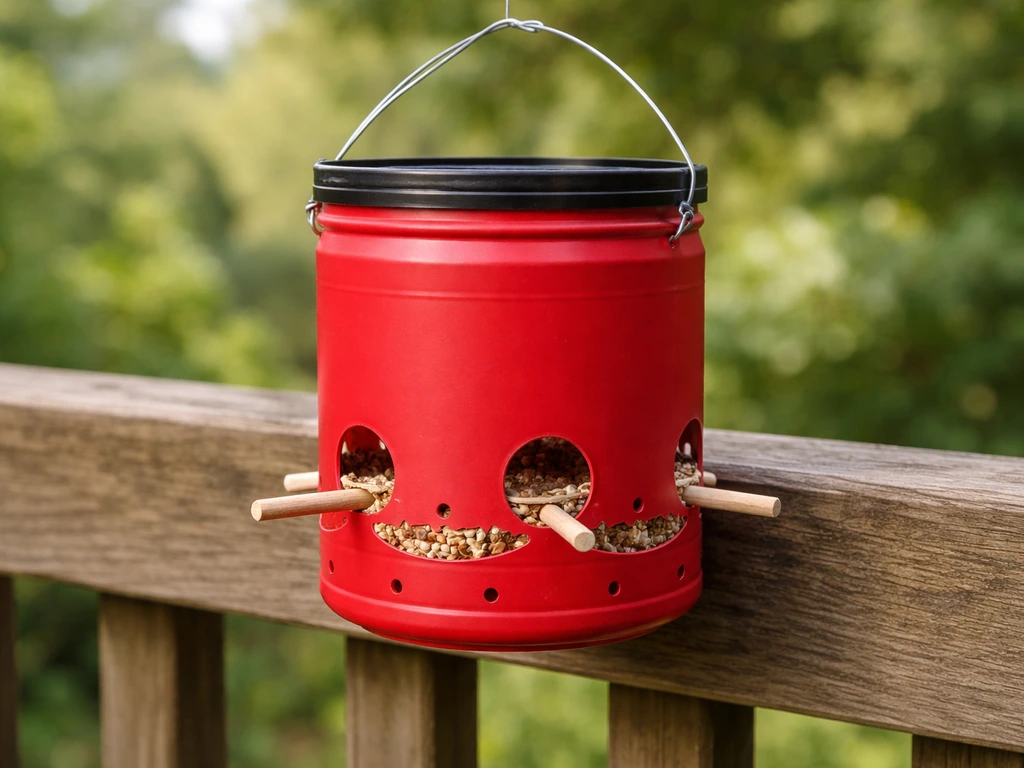
Safe DIY plastic coffee can bird feeder guide: tools, holes, drainage, mounting, bird food choices, cleaning and fixes.
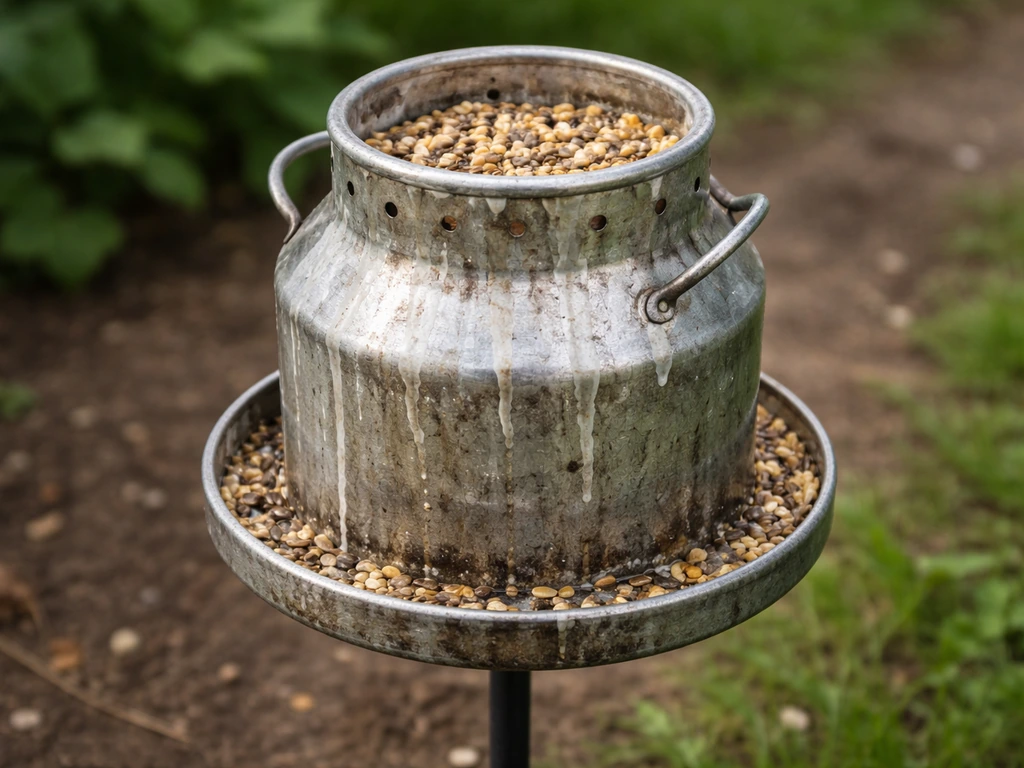
Learn why a milk can bird feeder is unsafe, how to clean up fast, and what to feed instead for healthy birds.