Do not put Pringles or any flavored potato chips in a bird feeder. They are genuinely harmful to birds, not just nutritionally empty. The salt alone can disrupt a small bird's electrolyte balance and trigger dehydration, kidney stress, and in serious cases death. The added oils, seasonings, and artificial flavorings compound the problem. If you have an empty Pringles can you want to repurpose, that's a different story, but the chips themselves have no place near a feeder. Here's what to know, what to use instead, and how to get a safe setup going today.
Pringles Can Bird Feeder: What Not to Feed Birds
Marcus Hendricks
4 Jun 2026
Can Pringles Actually Be Used in a Bird Feeder?
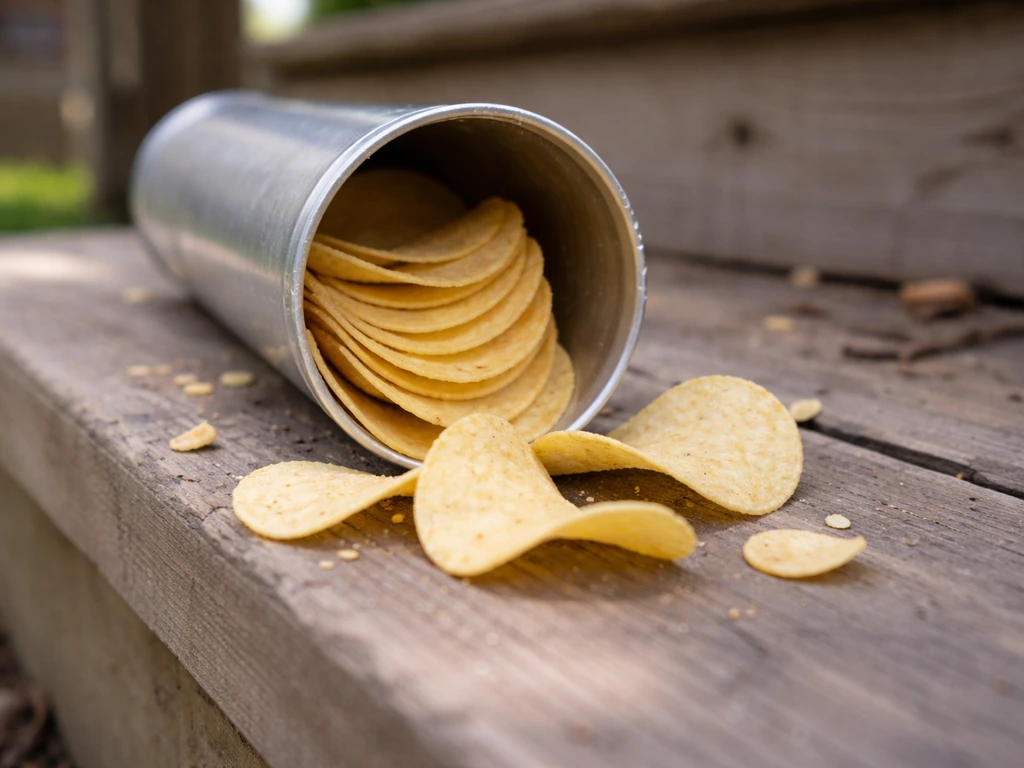
The short practical answer is no, and it matters more than you might think. Birds like house sparrows, starlings, pigeons, and corvids (jays, crows) are bold enough to eat almost anything you put out, including chips. Smaller birds like finches and chickadees are less likely to go for them, but larger, opportunistic species will. The problem is that none of them should. Just because a bird will eat something doesn't mean it's safe. Birds have very small bodies and far less capacity to process sodium and artificial additives than we do. Garden Wildlife Health's best-practice guidance explicitly lists crisps and salted snacks under foods you should never offer garden birds, and multiple Audubon-affiliated groups echo that position.
Why Chips and Flavored Snacks Are Risky for Birds
Salt is the biggest concern. A peer-reviewed study documented salt toxicosis in wild waterfowl in North Dakota, and veterinary literature describes the mechanism clearly: excess sodium causes fluid shifts and cellular dehydration in birds. Vetstreet specifically flags salty chips as capable of causing excessive thirst, dehydration, and kidney dysfunction in birds, with death possible in severe cases. For context, even a single heavily salted chip delivers a sodium load that can be genuinely disruptive to a small bird's system.
Beyond salt, the fats in chips are processed and often partially hydrogenated, not the natural fats birds get from seeds, suet, or insects. PetMD notes that prolonged exposure to high-fat, high-salt human foods can contribute to liver disease and metabolic problems in birds. Pringles also carry flavor seasonings, onion or garlic powder on some varieties, and artificial additives, none of which have any place in a bird's diet. There's also a behavioral cost: if birds fill up on chips, they're crowding out the nutrition-dense natural foraging they need, particularly during breeding and migration.
The oily residue creates a secondary problem. Chips leave a greasy coating inside any container or feeder tray, which goes rancid quickly, especially in warm weather. That rancid fat can damage the waterproofing of a bird's feathers if it drips or coats them, which is a known risk even with legitimate suet in hot conditions. Add contaminated droppings mixing with oil residue and you have a disease risk that spreads well beyond just the individual bird that ate the chip.
Safe, Bird-Appropriate Foods to Use Instead
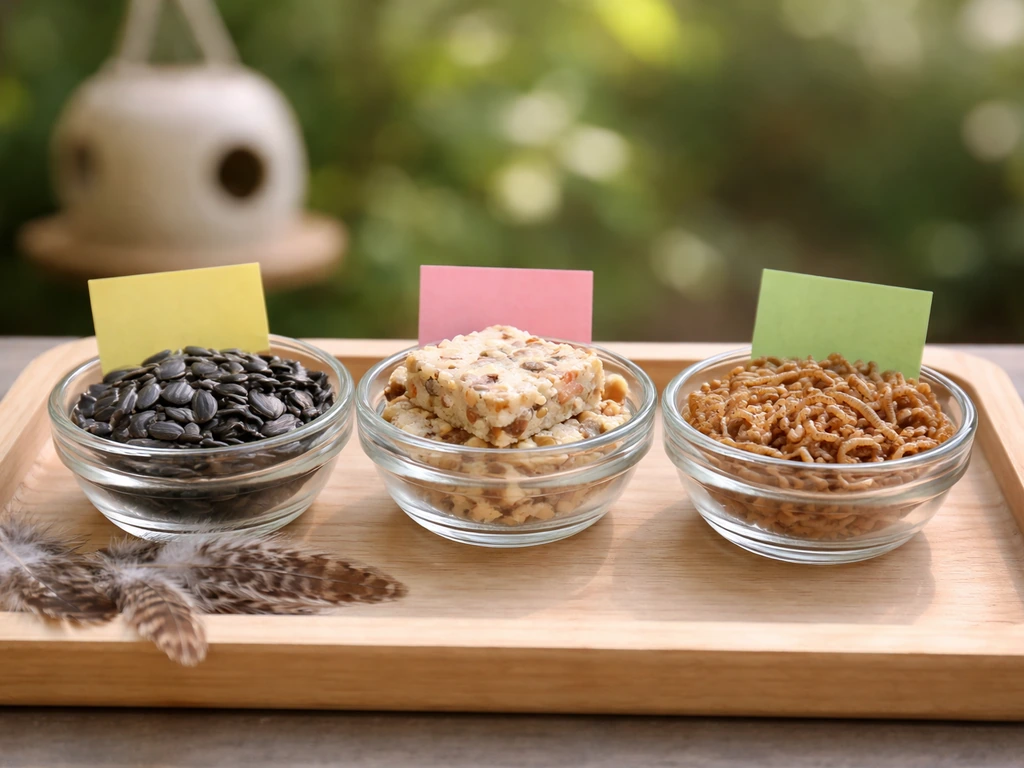
The good news is that bird-appropriate substitutes are inexpensive, widely available, and matched to feeder types you probably already have or can easily find. Here's what actually works, paired to the right feeder: Audubon recommends offering different feeder types for different foraging habits, such as table feeders for ground-feeding birds and suet feeders well off the ground for woodpeckers and nuthatches paired to the right feeder.
| Food | Best Feeder Type | Birds It Attracts | Notes |
|---|---|---|---|
| Black-oil sunflower seed | Tube or hopper feeder | Chickadees, finches, cardinals, nuthatches | Thin shells make it accessible to almost any seed-eating bird; highest-energy common seed |
| Nyjer (thistle) seed | Dedicated nyjer/finch tube feeder | Goldfinches, siskins, redpolls | Feed separately, not in a mix, to reduce waste |
| Peanuts (unsalted, in shell or split) | Wire mesh nut feeder | Blue jays, woodpeckers, nuthatches, titmice | Use mesh so birds can't take whole peanuts; reduces choking risk for fledglings |
| Suet cake | Suet cage feeder, hung well off ground | Woodpeckers, nuthatches, chickadees, wrens | Avoid in hot weather (above ~80°F); can go rancid and coat feathers |
| Dried mealworms | Platform or tray feeder | Bluebirds, robins, wrens, starlings | Excellent year-round protein; especially useful during breeding season |
| Fresh or dried fruit (no seasoning) | Platform feeder | Orioles, mockingbirds, waxwings, thrushes | Halved oranges or dried raisins work well |
Black-oil sunflower seed is genuinely the workhorse of backyard feeding. Project FeederWatch identifies it as the most commonly used feeder seed in North America for good reason: thin shells, high fat and protein content, and broad species appeal. If you only buy one thing today, make it that.
How to Get a Safe Feeder Set Up Today
You don't need a complicated setup to feed birds safely. Pick one feeder type that matches where you want to place it and what birds you want to attract. A basic tube feeder filled with black-oil sunflower seed hung from a branch or hook is a perfectly good starting point. If you want to attract ground feeders like doves and sparrows, add a simple platform or tray feeder at a low height. For woodpeckers, a wire suet cage mounted on a tree trunk or hung on a pole works immediately.
Feeder placement matters. Audubon recommends positioning feeders either very close to a window (within 3 feet) to prevent dangerous collision speeds, or more than 30 feet away. Anything in between creates a flight path that puts birds at risk if they startle and hit the glass. Height-wise, shrub and treetop-feeding birds like chickadees and finches prefer tube or hopper feeders at 5 feet or higher, while ground feeders are comfortable with trays closer to ground level.
One practical tip: only fill feeders with enough food to be eaten within one to two days, especially in warmer weather. The RSPB specifically recommends this to reduce contamination and spoiled food buildup. Overfilling is one of the most common beginner mistakes, and it leads to moldy seed, oily residue, and a mess that invites pests.
Keeping Pests and Mess Under Control
Chips and oily, strongly scented processed foods are a particularly bad choice from a pest-attraction standpoint. The smell alone draws rats and squirrels faster than plain seed does. But even with appropriate bird food, managing pest access is a real part of running a feeder.
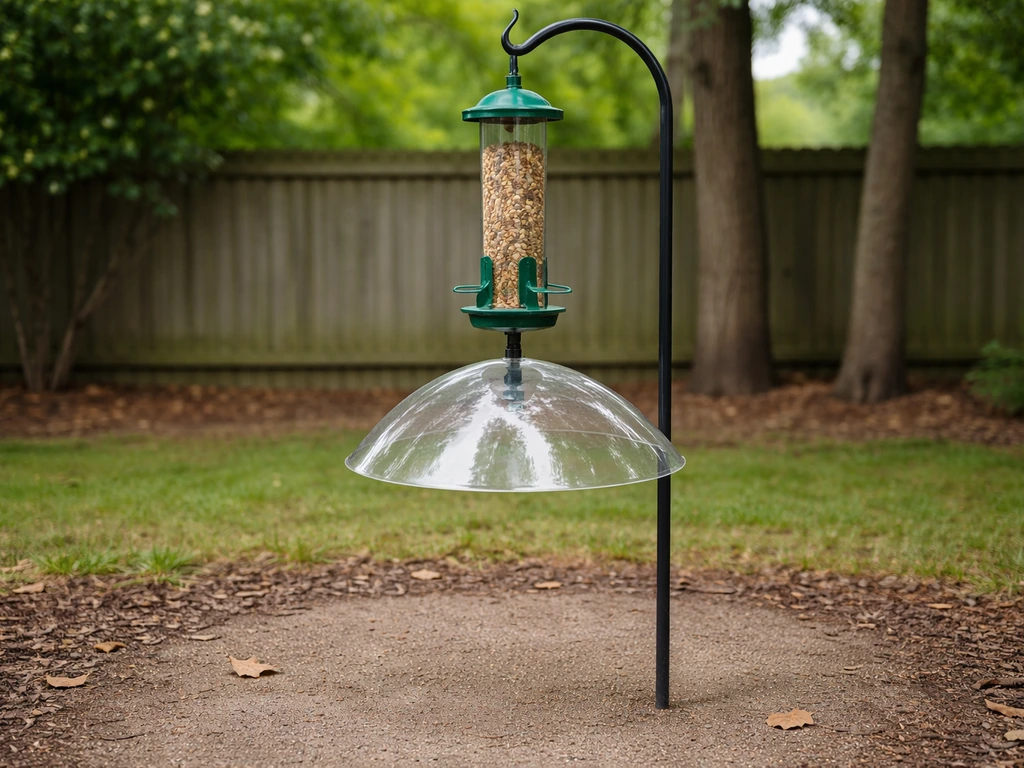
For squirrels, a pole-mounted baffle is the most effective physical deterrent. Audubon says a wraparound cone baffle positioned about 4 to 5 feet off the ground gets you as close to squirrel-proof as you're realistically going to get. No setup is completely foolproof, but a smooth metal cone baffle on a pole, with feeders hanging at least 10 feet from any branch or structure a squirrel can leap from, makes a big difference. Avoid using mixed seed blends with cheap fillers like milo or red millet. Most birds kick those out looking for what they want, creating a pile of waste under the feeder that draws rodents.
Cleanup under and around the feeder is non-negotiable. Rake up spilled hulls and uneaten seed regularly. If you've already had chips or oily food in or around a feeder, clean the area thoroughly before putting out fresh food. Rinse the feeder with a 1-part bleach to 9-parts water solution, let it soak for about 15 minutes, rinse thoroughly, and let it dry completely before refilling. Audubon and the Iowa DNR both recommend this approach, and it's just as important for removing oily residue from chips as it is for removing bird droppings or mold. Never refill a feeder that's still damp.
What to Do If Birds Already Ate Pringles from a Feeder
If birds got into chips you left out, don't panic. A small amount is unlikely to be fatal for most adult birds, but it's worth stopping immediately and watching for signs of distress. Concerning symptoms in birds include lethargy or inability to fly, excessive drinking or bathing (a response to dehydration), loss of coordination, puffed-up feathers while sitting on the ground, or labored breathing. If you observe a bird showing these signs, contact a local wildlife rehabilitator rather than trying to treat it yourself.
Remove all remaining chip material from the feeder and the area around it right away. Clean the feeder as described above before putting out fresh, appropriate food. If multiple birds in your yard are showing signs of illness, report it to your local Audubon chapter or wildlife health authority, since disease can spread through contaminated feeding stations even without direct bird-to-bird contact.
Adjusting What You Offer by Season
What you feed and how much changes depending on the time of year, and getting this right reduces both harm to birds and pest problems in your yard.
Late Fall Through Winter (November to April)
This is the peak season for supplemental feeding. Birds are burning more calories staying warm, natural food sources are scarce, and cold temperatures keep suet from going rancid. Black-oil sunflower seed, nyjer, peanuts, and suet cakes are all appropriate. Peanut butter can also work in cold weather because lower temperatures keep it firm enough that birds can peck at it without getting it stuck on their beaks. The RSPCA suggests seeds and grains are most appropriate during the November to April window, and this aligns with when birds benefit most from the extra calories.
Spring and Summer (May to October)
Reduce or pause seed and peanut feeders during warmer months. The RSPB recommends pausing seed and peanut filling from the beginning of May through the end of October. The reasons are practical: heat spoils seed faster, rancid suet can harm feathers, and birds have more natural food available anyway. What you can continue offering are small amounts of mealworms (especially useful when parent birds are feeding chicks), heat-resistant suet products designed not to melt, and fruit for orioles and other fruit-eating species. Keep portions small, refresh daily, and clean more frequently since heat accelerates bacterial growth in feeders.
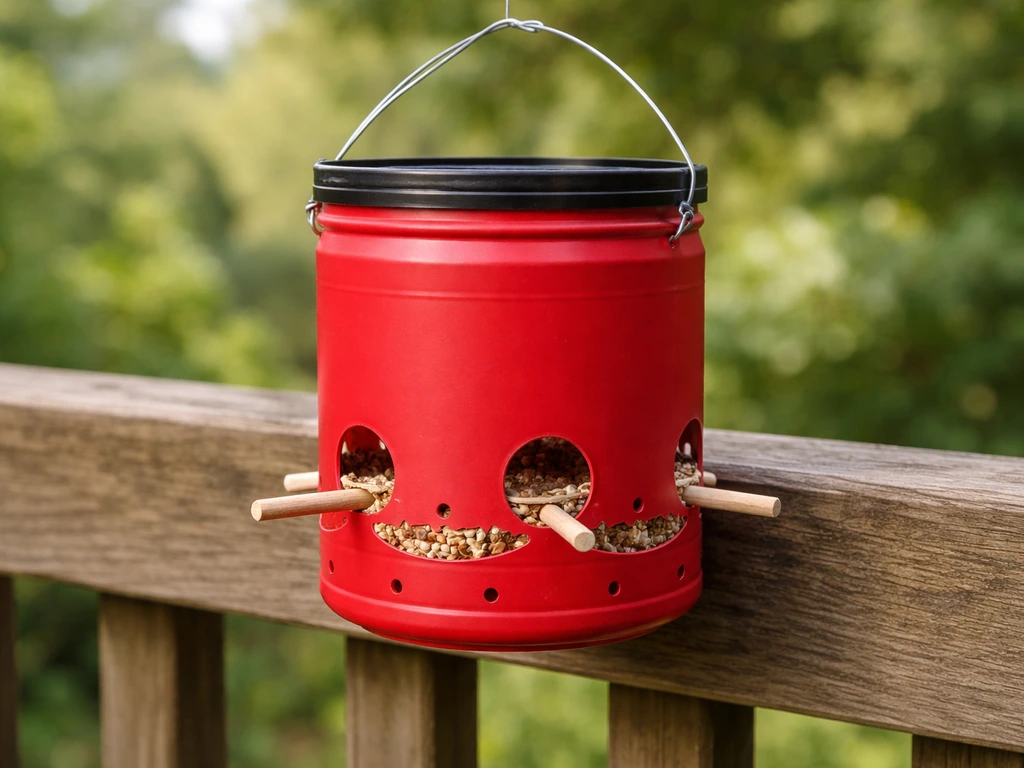
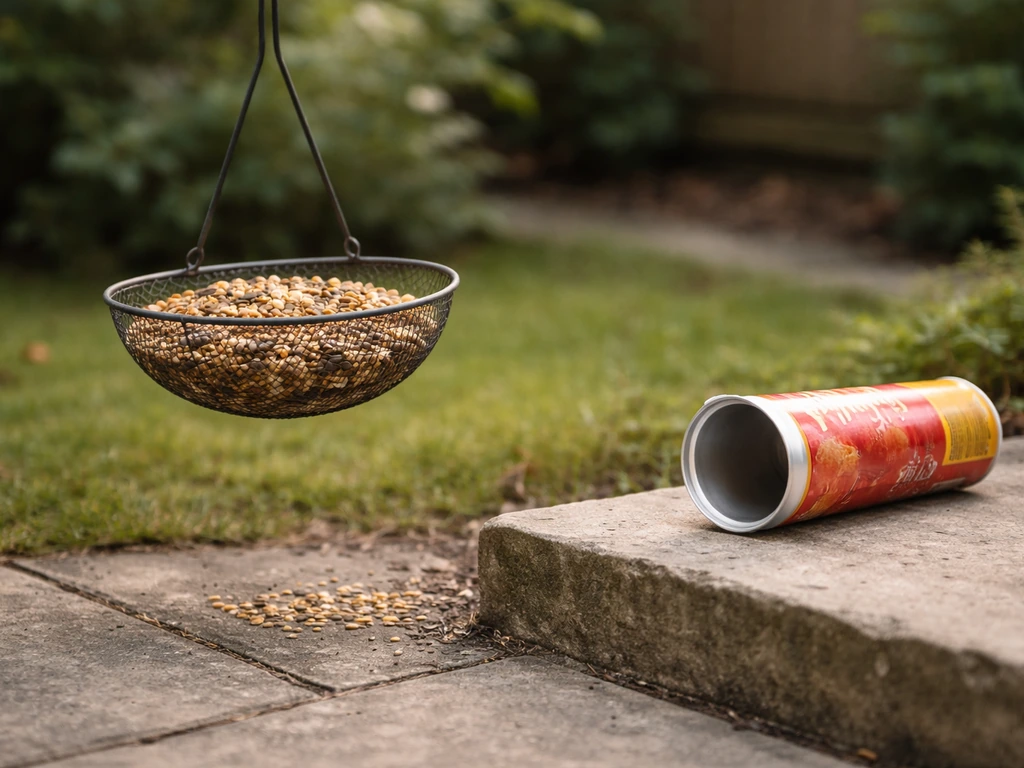
If you enjoy the DIY angle of repurposing containers for feeders, the Pringles can itself, cleaned thoroughly and adapted with appropriate drainage holes and a perch, can actually serve as a basic tube-style seed feeder for small seeds. That's the part of a "Pringles can bird feeder" project worth doing. Just leave the chips out of it entirely. If you are setting up bird feeders for the first time, use bird-safe foods like black-oil sunflower seed and keep anything salty or processed off the menu. Pringles can bird feeder is a bad idea because the salt, oils, and seasonings can harm birds quickly. Similar repurposed-container feeder projects using tin cans, coffee cans, or other cylindrical containers follow the same logic: the container is fine as a housing, but the food that came in it almost never belongs in a bird feeder. If you are tempted to use a plastic coffee can bird feeder, stick to bird-safe seeds and never the same container that held salty, flavored snacks. If you are using a coffee can as a feeder housing, be sure to clean it well and use only bird-safe foods like black-oil sunflower seed coffee can bird feeder.
FAQ
I saw a bird peck a chip from my Pringles can, is that proof it is safe?
No. Even if birds seem to eat a few chips, salty snacks can trigger dehydration and kidney stress in small bodies, and the seasoning mix can add additional risk. If the goal is to use the Pringles can as a feeder, switch to bird-safe food and never refill it with chip leftovers.
If I already put chips out, can I just start using the feeder normally again?
If you already used the can with chips, stop feeding immediately, remove the remaining material, and clean the can and surrounding area thoroughly before adding bird food. Do not just add fresh seed on top of oily residue, because rancid fats can keep accumulating and contaminate the birds’ feathers and the feeder surfaces.
What is the safest way to clean a repurposed can after it held chips?
Rinse and dry are not enough if chips were involved. Use a disinfecting step (a diluted bleach soak followed by a thorough rinse and complete drying) to break down oily contamination and reduce disease risk. Also wait until everything is fully dry before refilling to prevent mold growth.
How often should I refill, especially during warm weather?
Use the “one to two days” rule as your default, but shorten it in hot or humid weather and with any feeder that can get wet. When you see dampness, clumping, or a greasy sheen, dump the contents, clean, and refill with fresh seed rather than trying to salvage it.
Can I offer chips near a seed feeder if I use separate spots or a tray?
If you want ground-feeder options, choose a dedicated tray or platform and put out plain, bird-appropriate foods like black-oil sunflower seed in small amounts. Avoid placing chips near the same feeder, because leftover salt and oil will attract rodents and increase contamination even if birds do not eat the chips directly.
What signs mean a bird might be affected, and when should I contact a rehabber?
It depends on the symptoms, but err on the side of getting help. Call a local wildlife rehabilitator if you notice lethargy, difficulty flying, labored breathing, puffed-up feathers while on the ground, or unusual drinking and bathing. Those signs can indicate dehydration or toxicosis.
Can I convert a used Pringles can into a seed feeder, and what should I check?
Yes, if the can was previously used for salty snacks, you should not reuse it for bird food until it has been disinfected and fully dried. Also check that any drainage holes are not sharp and that perches allow stable footing, because birds can injure their feet on rough edges or poor spacing.
Why do squirrels and rats show up faster at my feeder even when I use “bird seed”?
Mixed seed blends with fillers can create waste piles that attract rodents, even if birds pick out the good parts. To reduce that risk, use a high-quality seed focused on what you want to attract (black-oil sunflower is a common safe baseline) and keep the tray clean by raking spilled hulls regularly.
Next Article
Plastic Coffee Can Bird Feeder: Safe DIY Guide and Tips
Safe DIY plastic coffee can bird feeder guide: tools, holes, drainage, mounting, bird food choices, cleaning and fixes.