The Harymor BF63S is a smart bird feeder with a built-in Wi-Fi camera, blank" rel="noopener noreferrer">2-liter seed capacity, and an IP65 waterproof rating. The Harymor Smart Bird Feeder Camera product line includes multiple camera-feeder models such as BF12S, BF44S, BF63S, and BF52S (and BB13S for a bird bath) blank" rel="noopener noreferrer">Wi-Fi camera. It's designed to attract a broad range of backyard songbirds while letting you watch, photograph, and identify visitors through your phone. If you want a feeder that doubles as a wildlife camera and holds up through rain and light snow, the BF63S is a solid pick at its price point. That said, it's not the right tool for every backyard, and there are a few things you should know before buying.
Harymor Bird Feeder Review: Best Setup, Performance, Pros
What the Harymor feeder actually is
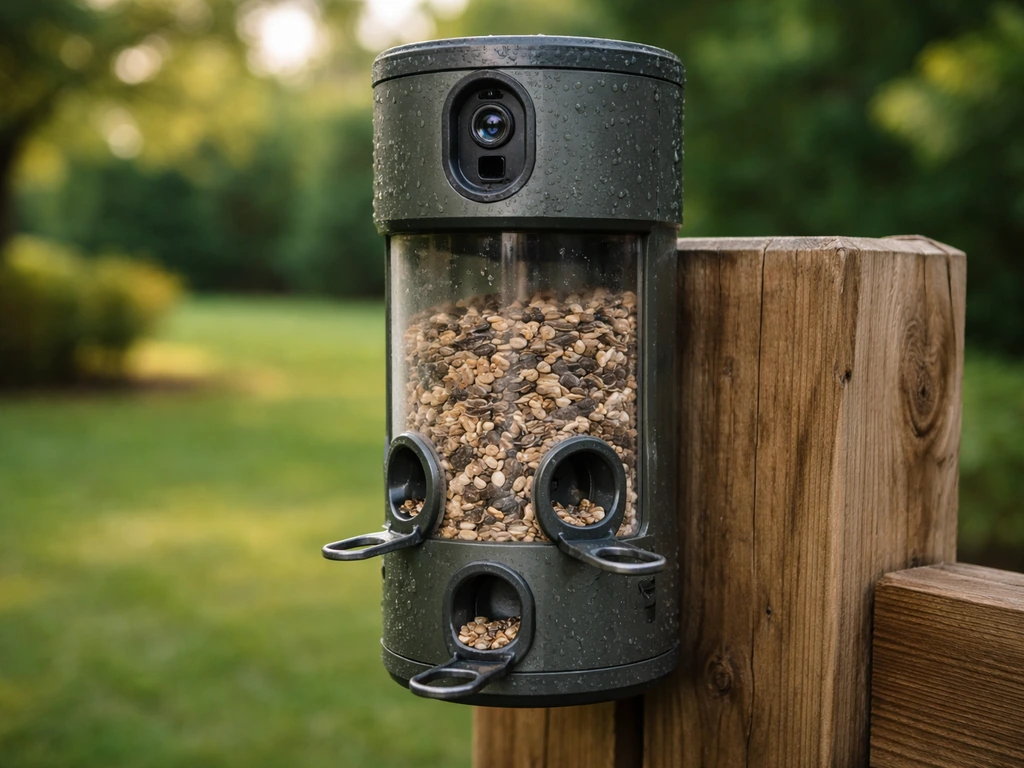
Harymor makes a range of smart bird feeder cameras under model numbers including the BF12S, BF44S, BF63S, and BF52S. The BF63S is the model you'll see most often in listings and reviews. It's a tube-style feeder with a camera housing integrated into the top or front of the unit, and it connects to your home Wi-Fi so you can view a live feed from a smartphone app. Think of it as a hybrid between a standard seed feeder and a wildlife camera trap.
The design is compact and pole-mountable or hanging-capable. Seed is dispensed through ports along the sides, with small perches positioned below each port. The camera adds noticeable bulk compared to a basic tube feeder, but the overall footprint is still reasonable for most backyard setups. The 2L capacity sits in the middle of the pack for tube feeders, meaning it holds enough seed to skip daily refills but not so much that old seed lingers and spoils.
How it holds up in real conditions
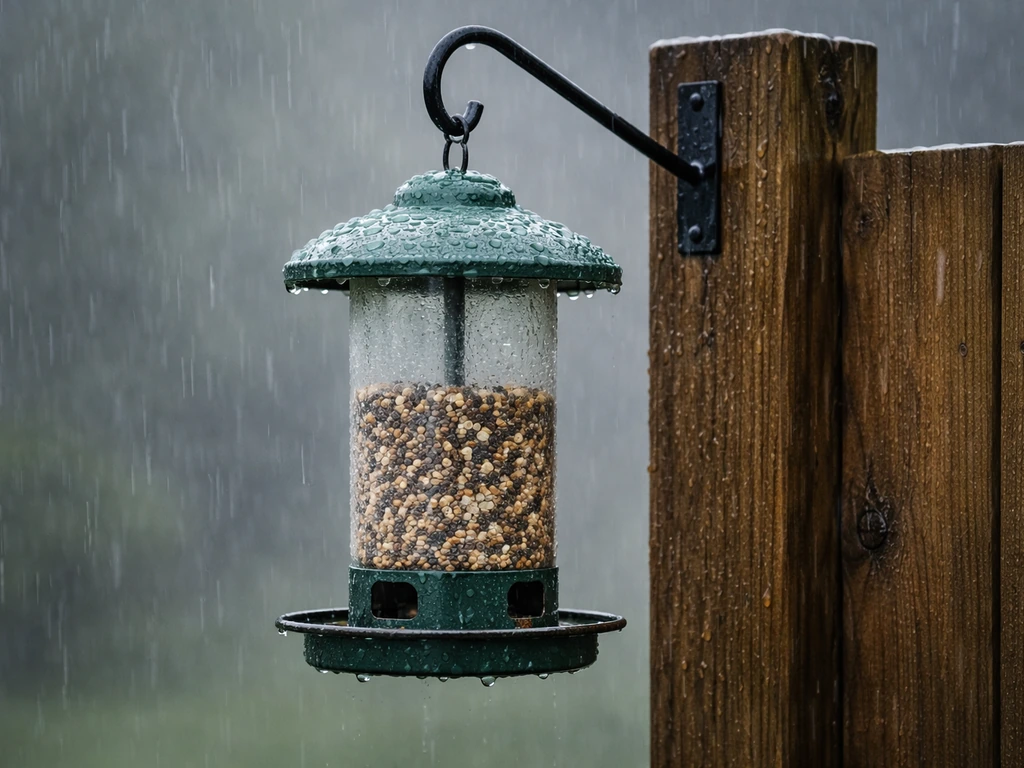
The IP65 waterproof rating is the headline spec here, and it matters more than you might think. IP65 means the feeder is protected against low-pressure water jets from any direction, which in practical terms means it handles driving rain, garden hose splashes, and moderate snow without water seeping into the seed chamber or the camera housing. I've found that many smart feeders fail right here: the camera electronics get compromised after a few wet seasons. The IP65 rating gives the Harymor a real advantage over cheaper camera feeders that use basic splash covers.
Wind performance depends heavily on how you mount it. Hung freely from a branch or hook, the feeder sways significantly in gusts above 20 mph, which can blur camera footage and occasionally scatter seed. Pole-mounting with a dedicated arm stabilizes it considerably. For winter feeding, the main concern is seed freezing and clumping in the ports. The BF63S doesn't have a heated element, so in extended freezing weather below 25°F you'll want to check ports daily and clear any clumps manually. The camera itself handles cold temperatures well in my experience, though connectivity can drop briefly if your router signal weakens in extreme cold.
Build quality is better than the price suggests. The outer shell is hard plastic rather than metal, but it feels solid and resists UV fading reasonably well through a full season. The perches are firm and don't wobble, which matters both for birds and for getting clean camera footage. One area to watch: the camera mount screws should be checked seasonally and tightened if needed, as vibration from wind can loosen them over time.
Which birds you'll actually get
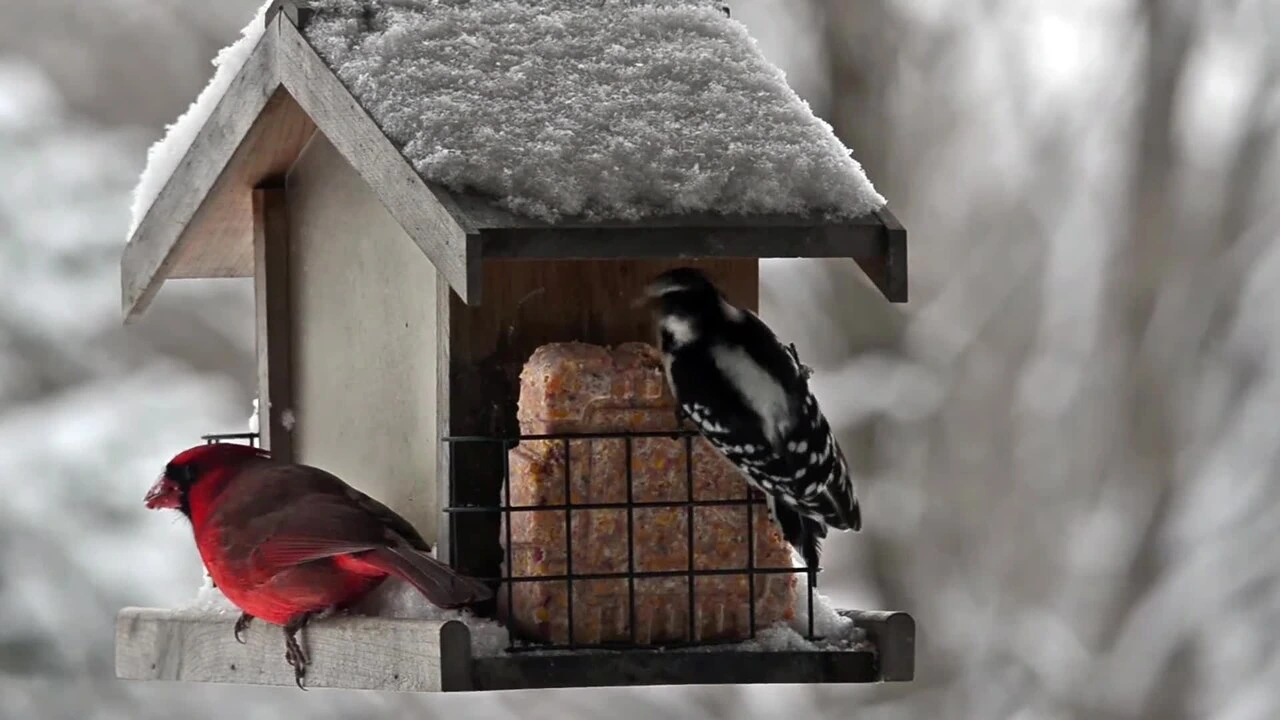
The tube-style design with small side perches naturally attracts clinging and perching songbirds. In typical North American backyards, expect regular visits from house finches, goldfinches, chickadees, nuthatches, and dark-eyed juncos. Cardinals will visit but may struggle with the smaller perch size depending on what seed you use. Larger birds like blue jays and mourning doves tend to ignore tube feeders almost entirely and would need a platform or hopper feeder alongside this one.
The camera angle on the BF63S is designed to frame birds at the perches in close-up, which means it captures excellent detail on small to medium songbirds. Don't expect woodpecker visits unless you add a suet cage nearby. The camera also has night vision capability on some firmware versions, so you can see nocturnal activity like flying squirrels or moths, which is a genuine bonus for anyone interested in backyard wildlife beyond birds.
If birds aren't showing up in the first week or two, placement is almost always the reason. Position the feeder within 10 to 15 feet of light cover like shrubs or a small tree so birds feel safe approaching, but not so close that squirrels can jump to it. Give it at least two weeks before drawing conclusions. New feeders in unfamiliar locations take time for local birds to discover.
Capacity, refilling, and cleaning
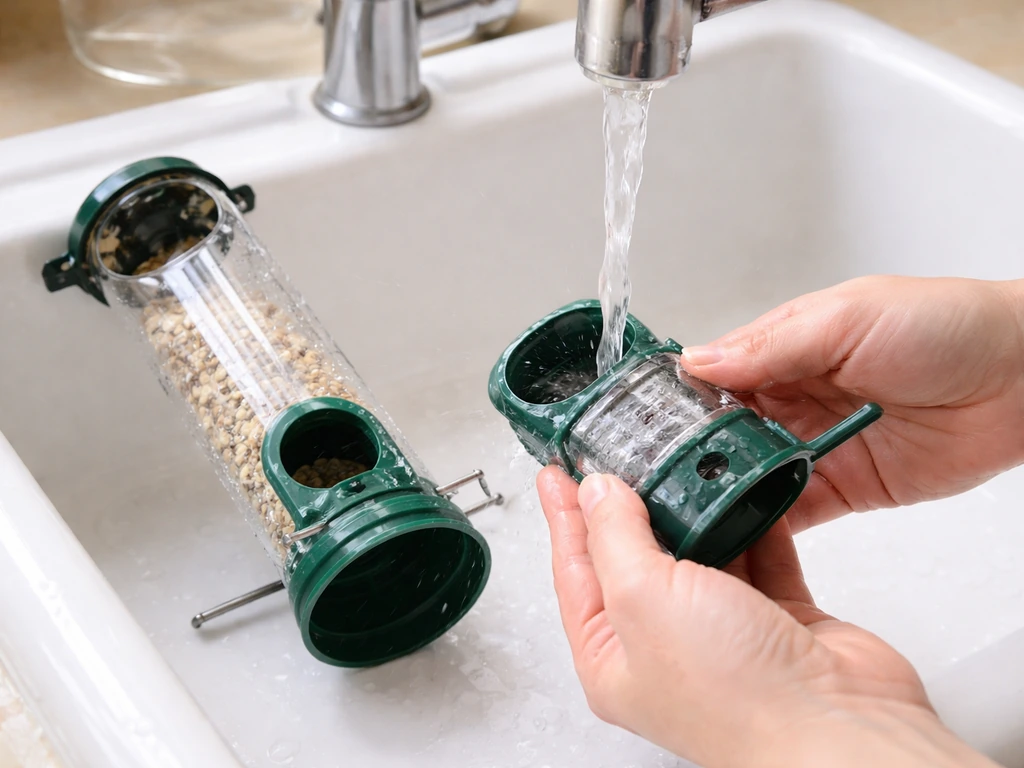
The 2L seed capacity is practical for most backyards. In a busy yard with multiple finch and chickadee visits, you might refill every 3 to 5 days during peak season. In quieter periods, once a week is typical. The fill opening is wide enough to pour from a standard seed bag without a funnel, which sounds minor but saves real frustration over time.
Cleaning is where smart feeders often fall short compared to basic tube feeders, and the BF63S is no exception. The camera housing means you can't fully submerge the feeder for a deep soak the way you can with an all-plastic tube. You'll need to disconnect or cover the camera section and hand-wash the seed chamber with warm water and a bottle brush, then allow it to dry completely before refilling. Plan on doing this every 2 to 4 weeks, more often in humid weather. Mold in the seed chamber is the most common reason birds abandon a feeder, so don't skip this step.
Assembly straight out of the box takes about 15 to 20 minutes, mostly for downloading the app, connecting to Wi-Fi, and positioning the camera angle. The physical feeder assembly itself is quick. The app setup is the step where people run into trouble: make sure your phone is connected to 2.4 GHz Wi-Fi rather than 5 GHz during the pairing process, as the camera doesn't support 5 GHz bands.
Seed compatibility and setup tips
The BF63S works best with black oil sunflower seed, nyjer (thistle) seed, or a fine-grade mixed seed without large hulled pieces that can jam the ports. Avoid peanuts in the shell or large safflower chunks unless you clear the ports regularly. Nyjer seed especially suits this feeder type if you're targeting goldfinches, though the ports may need a nyjer-specific insert depending on your model variant, so check this before buying.
In winter, stick to black oil sunflower or a high-fat mix. Wet seed freezes and clumps faster than dry seed, so store your seed in a dry location and only fill what you expect birds to consume in 2 to 3 days during rainy or snowy stretches. The covered roof on the BF63S does a decent job of keeping seed dry in light rain, but not in heavy sideways precipitation.
For positioning, mount the feeder at roughly 5 to 6 feet off the ground, which is high enough to discourage ground-level pests but low enough for easy refilling without a step stool. Keep it within 3 feet of a window if you want the best camera viewing experience, since closer proximity means cleaner footage and faster app refresh. If you're specifically targeting cardinals, add a larger platform tray or a hopper feeder nearby, as the tube ports are a bit small for them to feed comfortably for long periods.
Squirrels, rats, and keeping birds safe
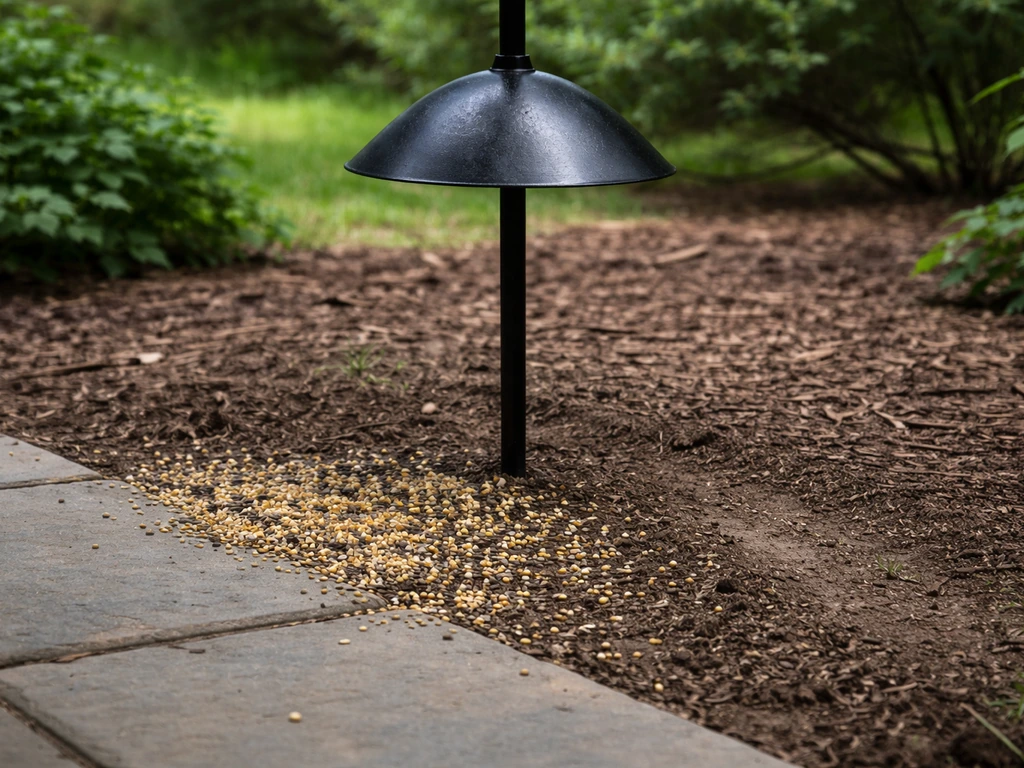
The BF63S has no built-in squirrel deterrent. No spinning mechanism, no weight-sensitive port closure. If squirrels are active in your yard, you will need to pair this feeder with a baffle on the pole or hang it from a squirrel-proof setup at least 10 feet from any jumping point. A dome baffle positioned 4 to 5 feet up the pole is the most effective and affordable fix. Without a baffle, squirrels will reach the seed within a day or two of the feeder going up.
Rats are a different problem. If you have ground-level rat activity, the fallen seed from this feeder will make things worse. Catch-tray attachments that reduce spillage help significantly. Clean up spilled seed from beneath the feeder every few days, especially in urban and suburban areas where rat populations are active. No-mess seed blends made of hulled seeds and chips reduce debris further and are worth the extra cost in pest-prone areas.
Bird safety on this feeder is generally good. The perch placement keeps birds from crowding the ports unsafely, and there are no sharp internal edges in the models I've examined. The camera activity light can initially startle some birds, but most acclimate within a few visits. If you notice birds flushing repeatedly at the feeder without feeding, check whether the LED indicator is set to a low-brightness mode in the app settings.
Is it worth the price compared to other feeders?
The Harymor BF63S costs more than a basic tube feeder, but you're paying for the camera integration, IP65 waterproofing, and Wi-Fi connectivity. If you want to identify birds, capture photos, and review footage from your phone, it's a genuinely useful upgrade over a passive feeder. If you want more details, this onlyfly bird feeder review also compares how the camera feeder performs for different backyard conditions and bird types. If you just want to feed birds without the tech, a standard tube or hopper feeder will do the job for a fraction of the cost and with simpler cleaning. If you want more hands-on perspective, check droll yankee bird feeder reviews for how this category performs for real backyard setups smart feeders.
| Feeder | Camera | Waterproofing | Squirrel Deterrent | Best For |
|---|---|---|---|---|
| Harymor BF63S | Yes (Wi-Fi, app) | IP65 | None built-in | Bird watching + photography |
| Basic tube feeder | No | Varies (often minimal) | None built-in | Budget feeding, finches/chickadees |
| Squirrel-proof spinning feeder (e.g., Yankee Flipper) | No | Good | Weight-activated spinner | Squirrel-heavy yards |
| Smart camera feeders (e.g., Netvue, Coolfly, Vinguys) | Yes | Varies by model | None typically | Tech-forward bird watching |
Compared to other smart camera feeders in the same category, such as those from Netvue, Coolfly, and Vinguys, the Harymor BF63S competes well on build quality and waterproofing. The IP65 rating is a genuine differentiator, since several competing smart feeders don't publish a formal IP rating at all. If squirrel protection matters more to you than a camera, something like the Yankee Flipper is a better fit, though you'll give up the photography and identification features entirely. The Yankee Flipper is often compared in bird feeder review roundups for its squirrel-focused design and practical feed protection.
The bottom line: the Harymor BF63S is worth buying if you want a camera feeder that handles the weather reliably and gives you a reason to pay attention to your backyard visitors. Pair it with a pole baffle for squirrel control, use black oil sunflower or nyjer seed, and clean it every few weeks, and it will perform well through multiple seasons. If you're on the fence about the camera feature, it's worth thinking through whether you'll actually use the app regularly, because the price premium is almost entirely for that functionality. If you're also researching coolfly bird feeder reviews, compare how each model handles weatherproofing, cleaning, and reliable app performance before you buy.
FAQ
Does the Harymor BF63S work if my router is only on 5 GHz Wi-Fi?
During pairing it requires a 2.4 GHz connection, it does not support 5 GHz. If your router has a combined SSID, try enabling a separate 2.4 GHz network or using a guest network temporarily during setup, then reconnect the feeder after pairing.
How far should I place the BF63S from my window for the best camera quality and least app lag?
For clearer, more stable video updates, keep it within about 3 feet of a window when possible. If you have to place it farther out, expect lower frame consistency and slower refresh, especially in poor Wi-Fi coverage areas.
Why do birds avoid the feeder after I fill it, even though it looks clean?
The most common cause is seed spoilage or mold in the seed chamber. Clean on schedule, allow the feeder to fully dry before refilling, and avoid using mixed seed that has large hulled pieces that can trap dampness and cause clumping in the ports.
What seed types cause port jams on the BF63S, and how can I prevent it?
Large hulled pieces and chunky mixed blends can jam the side ports. Use black oil sunflower, nyjer, or fine-grade mixes, and if you switch seed types, check the ports for debris before refilling. Clearing the ports promptly after a jam prevents repeat problems.
Is the feeder truly usable in snow, or will the camera fail if it gets wet?
The IP65 rating is designed to resist low-pressure water jets from all directions, so driving rain and moderate snow should be manageable. Still, avoid high-pressure washing around the camera housing, and dry the camera section before deep cleaning to reduce electronics risk.
How do I reduce seed waste and prevent rats when using the BF63S?
Because it is a tube-style feeder, spilled seed is more likely than with fully covered systems. Use a catch-tray attachment if available, collect fallen seed every few days, and consider no-mess seed blends to reduce debris that attracts rodents.
What should I do if squirrels empty the feeder quickly?
The BF63S has no built-in squirrel deterrent, so you need a baffle or a squirrel-proof hang setup. Place a dome baffle on the pole around 4 to 5 feet up, and keep the feeder at least 10 feet from any jump points like fences, trees, or rooflines.
How often should I check and tighten the camera mount screws?
Because wind can create vibration, check the mount screws at least once per season. If you live in an area with frequent gusts, do a quick inspection mid-season, and tighten gently to avoid stripping plastic threads.
Does the BF63S handle extended freezing temperatures, and how do I prevent clumping?
It has no heated element, so below about 25°F seed can freeze and clump in the ports. In cold stretches, clear port clumps daily if needed, and use dry, high-fat seed options like black oil sunflower to reduce moisture-driven freezing.
Will larger birds like blue jays or mourning doves use the BF63S?
Tube feeders often limit access for bigger birds because the perches are small. You may get occasional visits, but to reliably attract them, pair the setup with a platform or hopper feeder nearby so they can feed comfortably without crowding the ports.
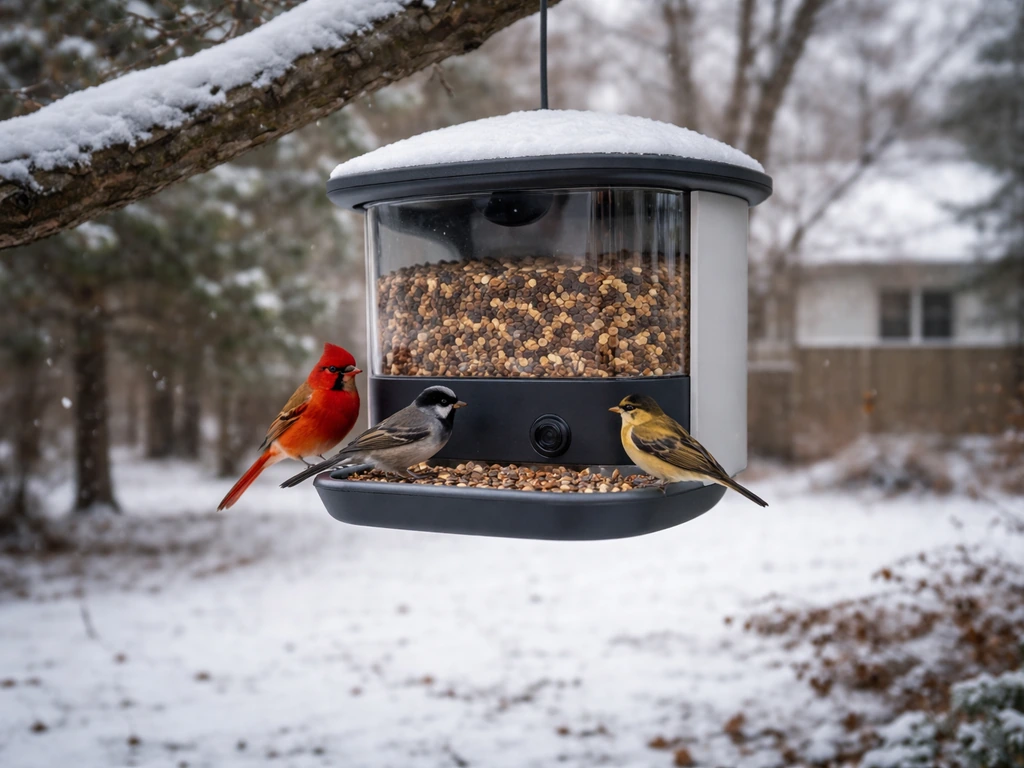
Vinguys bird feeder review with performance, easy cleaning, winter bird attraction, pest resistance, and pros and cons.
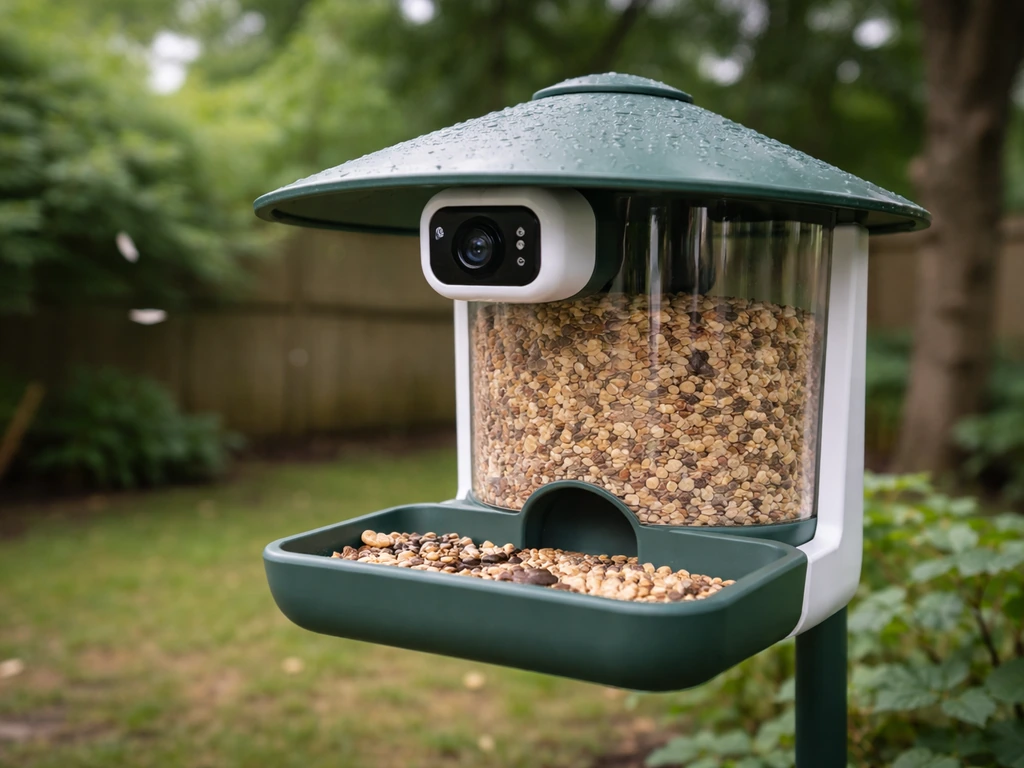
Netvue bird feeder and camera reviews with real bird attraction, video quality, app reliability, setup, and weather dura
Onlyfly bird feeder review with setup, pros and cons, pest resistance, durability tips, and best-use guidance for backya