The best electronic bird feeder for most backyard bird watchers right now is a camera-enabled smart feeder with solar-assisted power, IP65 weatherproofing, and app-based notifications, models like the Birdfy, Bird Buddy, BirdSnap, and Perky-Pet Solar Smart Camera feeder all hit that mark in different ways. Which one you should actually buy depends on four things: which birds you're targeting, how exposed your yard is, whether you want free AI identification or can live with a subscription, and how much you want to avoid plugging things in. Look for feeders that offer AI species identification you can actually use in your yard conditions, since that is a key ingredient in the best ai bird feeder recommendations AI identification. This guide walks you through all of it.
Best Electronic Bird Feeder: Buyer’s Guide and Picks
What actually makes an electronic feeder different from a regular one
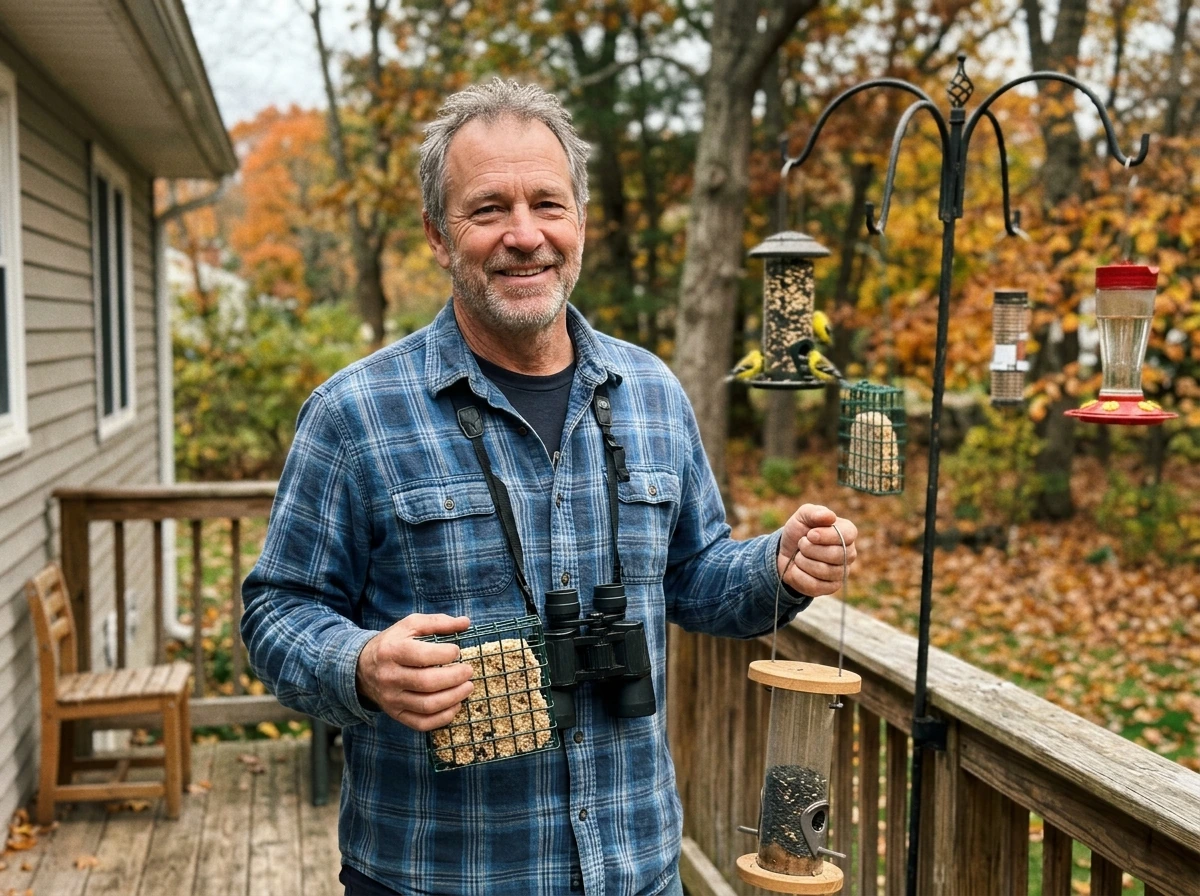
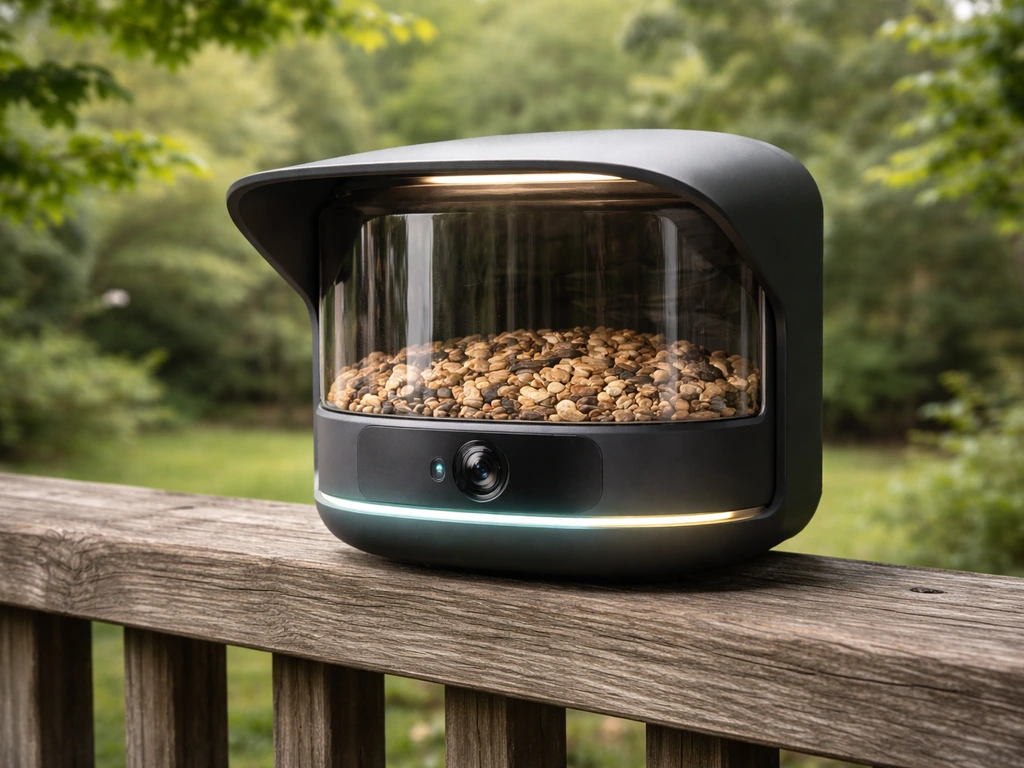
A standard hopper, tube, platform, or suet feeder is passive. You fill it, hang it, and birds either come or they don't. An electronic bird feeder adds active technology to that equation: a built-in camera that streams live video to your phone, motion-triggered notifications when a bird lands, AI-powered species identification, timed or app-controlled seed dispensing, or some combination of all of those. Some models also include squirrel-deterrent mechanisms that are electronically triggered rather than just physically designed around.
The practical upside is real. You get to watch birds from inside the house, receive a notification when a woodpecker shows up for the first time, and build a photo library of every species that visits your yard. The downside is also real: you're now maintaining a piece of electronics outdoors, which means Wi-Fi range, battery life, app reliability, and weather durability all become things you have to think about. It's worth it for most people who are serious about backyard birding, but only if you go in with realistic expectations.
The features that actually matter (and the ones that don't)
There's a lot of marketing noise around electronic feeders. Here's how to cut through it and focus on what genuinely affects day-to-day use.
Camera quality and night vision
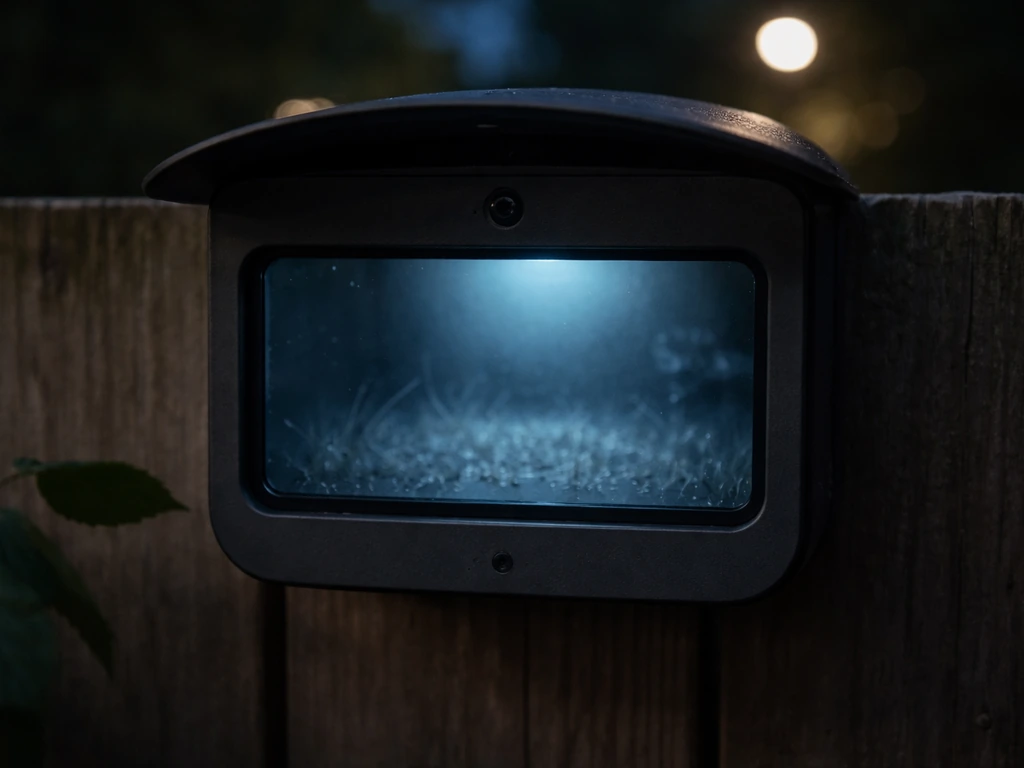
For bird identification you need at least 2K resolution. The BirdSnap uses a 1/2.9" CMOS sensor, 2-megapixel image sensor, 2K recording, and two night vision modes including infrared black-and-white via IR illumination. That's a solid baseline. What resolution alone doesn't tell you is how the camera handles moisture, the Birdfy, which is widely reviewed and popular, has a documented tendency to mist up on damp, drizzly days, which makes images blurry exactly when you most need them to identify an unusual visitor. If you live somewhere with frequent fog or drizzle, pay close attention to lens placement and seal quality, not just the headline megapixel count.
Power: battery, solar, or AC
This is the decision that causes the most real-world frustration. The Birdfy ships with a 5200mAh rechargeable battery and a small integrated 2W solar roof. On paper that sounds self-sufficient, but real-world testing and user reports consistently show that solar charging falls short during rainy stretches or winter months, meaning you'll end up plugging it in anyway. The Bird Buddy handles this with a "deep sleep mode" that automatically disables streaming after sunset and re-enables it before sunrise, roughly doubling battery life, which is a smart software workaround for a hardware limitation. If you're in a northern climate or a shaded yard, treat solar as a supplement to battery, not a replacement for it. A separate, higher-wattage solar panel is available as an add-on for the Birdfy if low-battery anxiety is a real concern for you.
Weatherproofing
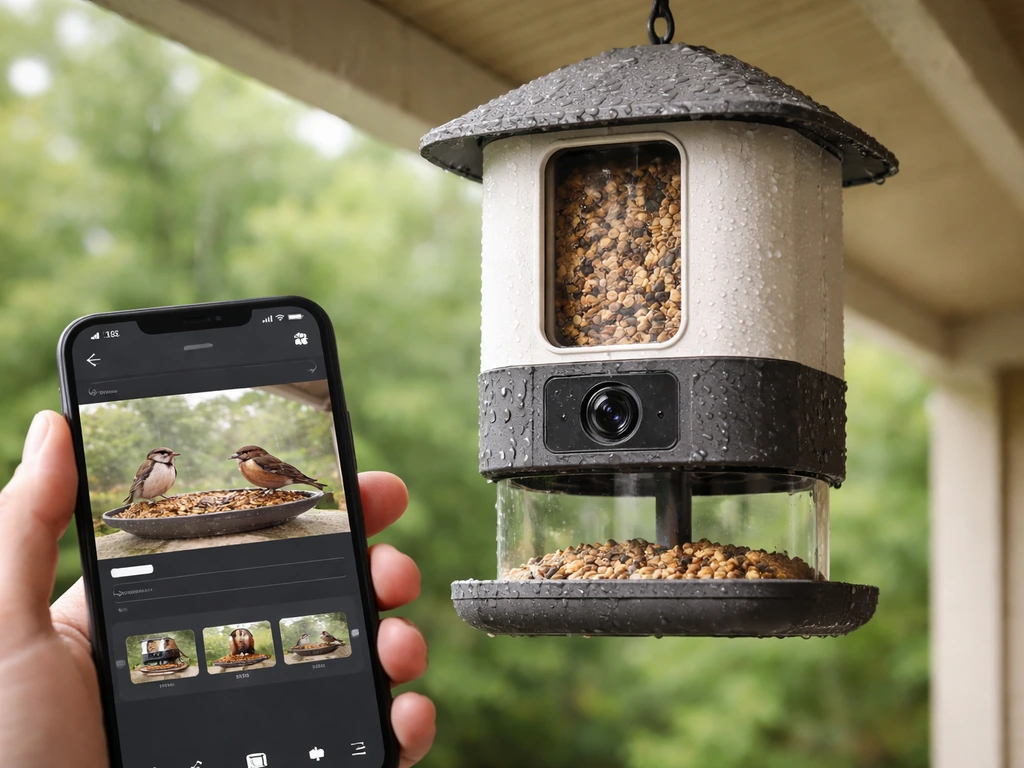
IP65 is the rating you want. Both BirdSnap and Camouflage EZ BirdFeed carry IP65 certification, which means the electronics are protected against dust and low-pressure water jets from any direction. That's adequate for rain and snow. The Birdfy has been reported to function reliably in temperatures as low as -10°C, which covers most continental US winters. IP65 is a meaningful spec, if a feeder doesn't list it or lists something lower like IPX4, that's a flag worth noting before buying.
App control, notifications, and subscriptions
The subscription question is genuinely important. Perky-Pet's smart camera feeder requires no subscription at all, the app is free and includes motion alerts and video saving, with no hidden fees. The BirdSnap gates its AI species identification behind an AI subscription plan but includes activity-zone intelligent push alerts at the base level to reduce false motion triggers. Bird Buddy has membership tiers where the improved BirdID feature is behind a paid plan. Birdfy handles identification through cloud-based AI, which requires connectivity and has drawn some user complaints about accuracy degrading after software updates. The VicoHome camera feeder gives you notifications and a few days of video free but also gates AI identification behind a subscription. If you want identification without ongoing costs, Perky-Pet or a feeder with local microSD storage (BirdSnap supports up to 128 GB) is the smarter long-term choice.
Connectivity
Most smart feeders run on 2.4 GHz Wi-Fi only, not 5 GHz. That's fine for range and wall penetration, but it means you need your 2.4 GHz network active and your feeder within a reasonable distance of your router. If you want the best bluetooth bird feeder, look for models that can pair reliably with your phone and use Bluetooth for setup and close-range control. The Perky-Pet manual specifically documents LED indicators for Wi-Fi connection failure and low battery, which is useful because Wi-Fi pairing issues are one of the most common setup frustrations. If your backyard is more than about 50 feet from your router, consider a Wi-Fi extender before you buy any of these feeders.
A quick feature comparison across leading models
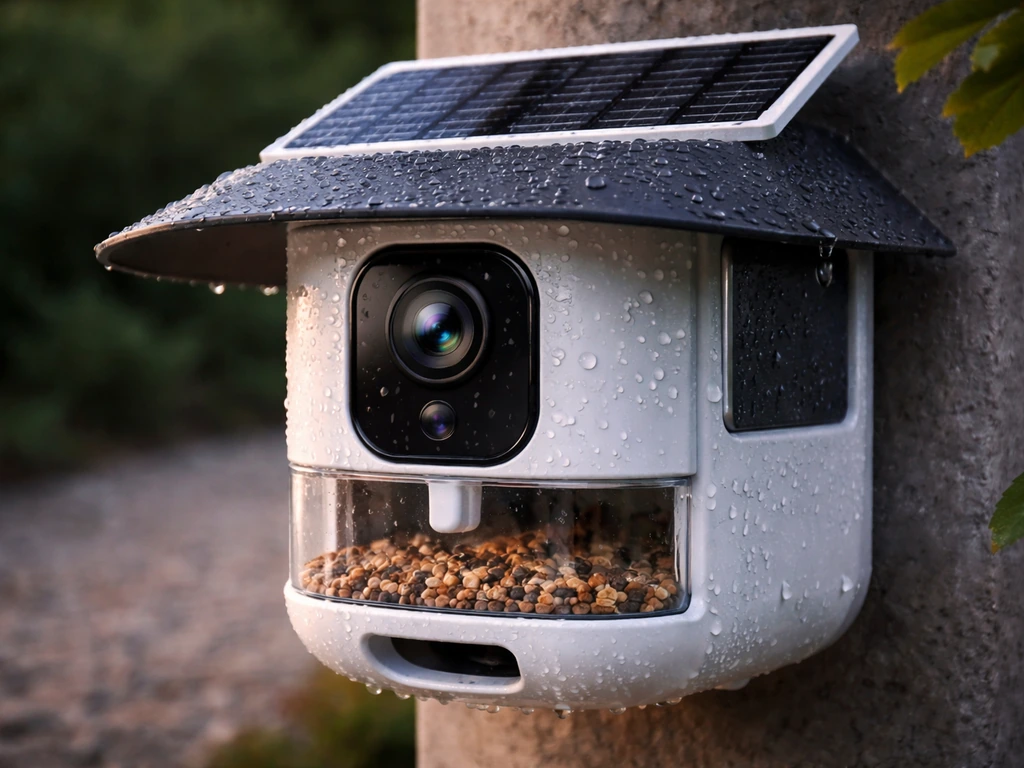
| Feeder | Camera | Power | Weatherproofing | Subscription needed for AI ID? | Storage |
|---|---|---|---|---|---|
| Birdfy | 2K, solar roof | 5200mAh battery + 2W solar | Not specified (winter-tested to -10°C) | No (cloud AI included, accuracy variable) | MicroSD + 30-day rolling cloud |
| Bird Buddy | HD, deep sleep mode | Rechargeable battery | Not specified | Yes (BirdID behind paid membership) | App/cloud |
| BirdSnap | 2K, IR night vision, 1/2.9" CMOS | Battery (Wi-Fi 2.4 GHz) | IP65 | Yes (AI plan required for species ID) | MicroSD up to 128 GB |
| Perky-Pet Solar Smart Camera | Camera with app integration | Solar-assisted battery | Not specified | No subscription required | App download/save/share |
| Camouflage EZ BirdFeed | Smart camera | Not specified | IP65 | No (app free from subscriptions) | App-based |
Choosing the right model for your birds and yard
The birds you're trying to attract genuinely shape which feeder type makes sense. Electronic feeders are not all built the same when it comes to food compatibility, and that matters more than most buying guides admit. The National Wildlife Federation notes that many bird species will not use certain feeders and that suet feeders are a favorite of woodpeckers and other insect-eating birds blank" rel="noopener noreferrer">food compatibility. If you want the best virtual bird feeder, focus on camera quality, app reliability, and how well the feeder supports the seeds your birds prefer.
- Woodpeckers and insect-eating birds: These birds strongly favor suet, and the National Wildlife Federation identifies suet feeders as a woodpecker favorite. If woodpeckers are your target, look for an electronic feeder that either accommodates suet cakes directly or has an accessory slot for one. Bird Buddy sells a suet ball holder accessory specifically for this purpose.
- Finches and small songbirds: Tube-style feeders with small ports work best for finches like goldfinches and house finches. Look for an electronic feeder with a tube design or narrow ports to limit waste and deter larger, aggressive birds.
- Cardinals, blue jays, and doves: These larger birds prefer platform or hopper-style feeders with a wide tray. Many camera feeders default to a small perch and seed tray — make sure the tray is wide enough and the perch extender is available (Bird Buddy makes one) if cardinals are a priority.
- Orioles and hummingbirds: Standard electronic seed feeders don't serve these birds. Orioles need nectar or jelly feeders; hummingbirds need a dedicated hummingbird feeder. Electronic smart feeders in this category are a separate product line entirely.
- Bluebirds: Bluebirds are insectivores and won't visit seed feeders. Mealworm feeders are the right choice, and electronic options for mealworm dispensing are more limited — this is an area where a simple automatic timed feeder may be more practical than a full smart camera setup.
Your yard setup also matters. A covered porch location with a power outlet nearby opens up AC-powered options and reduces weatherproofing concerns. An open, exposed pole mount in the middle of the yard in a northern climate demands IP65 certification, winter-rated battery performance, and ideally a solar panel supplement. A heavily shaded yard eliminates solar as a meaningful power source entirely.
Where to put it and how to get birds using it
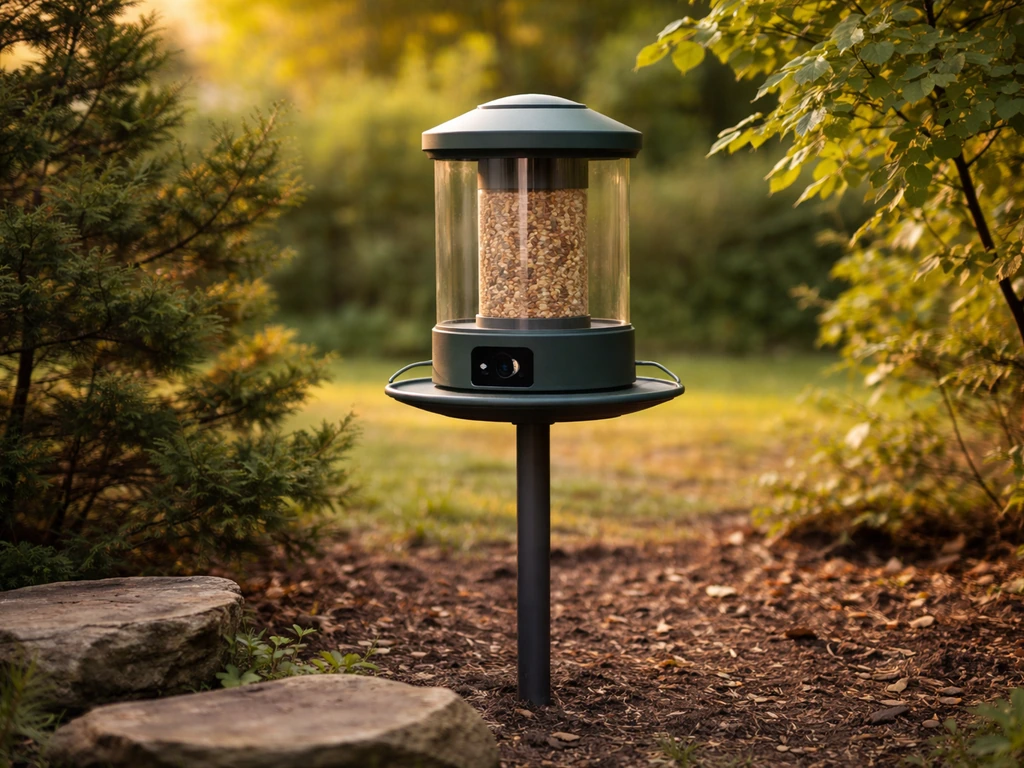
Placement for an electronic feeder involves two separate optimizations that sometimes conflict: what's best for the birds and what's best for the technology. Birds want cover nearby (a shrub or tree within 10 to 15 feet to retreat to quickly), a clear sightline to approach from, and a consistent, undisturbed location. The tech wants a Wi-Fi signal, enough sunlight for solar charging, and a camera angle that frames visiting birds clearly rather than shooting straight into the sun.
A north-facing or east-facing placement often gives the camera good, even lighting without direct sun glare, especially important in the morning when bird activity peaks. Keep the feeder at roughly 4 to 6 feet off the ground, which puts it at a natural perching height while making it harder for ground-level predators to stage an ambush that scares birds away.
Birds are creatures of habit and they are often slow to adopt a new feeder, especially one with LEDs blinking during setup. Give it a week to two weeks before concluding birds aren't interested. You can speed up habituation by placing a small amount of seed on a nearby platform or the ground directly below the feeder so birds discover the food source easily, then migrate naturally to the feeder itself. Once a few birds start visiting consistently, others follow quickly.
Dealing with squirrels, rats, and other intruders
Electronic features help with pest awareness but they don't automatically solve pest problems. A camera feeder will absolutely notify you every time a squirrel raids the seed, which is both useful for documentation and rapidly annoying if your alerts are set to trigger on all motion. Activity-zone intelligent push alerts (a feature on BirdSnap's AI plan) are specifically designed to filter out background motion and only alert on the feeder zone itself, which reduces squirrel-related notification fatigue significantly.
For actual deterrence, electronic features alone are usually not enough. You still need the physical basics: a pole-mounted baffle below the feeder if you're on a pole, a squirrel-resistant seed tray or cage design, and positioning the feeder at least 10 feet from any surface a squirrel can jump from. Some smart feeders include weight-sensitive perches that close the seed port when something heavier than a bird lands, that's the most effective electronic deterrent mechanism and worth prioritizing if squirrels are a serious problem in your yard.
Rats are a harder problem. They're primarily attracted by seed that falls to the ground below the feeder. A camera feeder helps you see when they're active and adjust your response, but the real solution is a no-waste seed mix (sunflower chips and other hulled seeds), a tray with drainage holes to prevent wet seed accumulation, and cleaning up fallen seed regularly. No electronic feature replaces that basic hygiene.
Maintenance, reliability, and keeping it running long-term
Electronic feeders need more maintenance than passive ones, not less. The camera lens needs occasional cleaning, especially after rain or pollen season. The seed ports need to be checked for jams, which happen more frequently in humid climates when seed absorbs moisture and clumps. Most smart feeders have a modular seed hopper that detaches for washing, do this at least monthly, and more frequently in summer heat when mold grows faster.
Battery management is the most common reliability failure point. If you're using a solar-assisted model, check the battery status in the app at least weekly during winter or extended cloudy periods, don't wait for the feeder to die and miss visits. The Bird Buddy's deep sleep mode (which shuts the camera off roughly one hour after sunset and restores it one hour before sunrise) genuinely extends battery runtime and is worth enabling if your model supports it. Bring the battery indoors to charge in a warm environment during deep cold snaps rather than trying to charge it through a solar panel at -10°C.
Wi-Fi connectivity drops are the second most common complaint. If your feeder loses connection, the first fix is a router restart and a feeder power cycle, most reconnect automatically. When you compare the options, the best wifi bird feeder will be the one that can reliably connect at your installation distance without constant resets. If dropouts are frequent, a Wi-Fi range extender positioned between your router and the feeder almost always solves it. Some feeders (BirdSnap) also support local microSD recording, which means you don't lose footage even when Wi-Fi goes down, and that's a genuinely useful backup.
Best picks by use case and what to avoid
Here's how I'd break down the recommendations based on what you're actually trying to accomplish. If you want the quickest path to the best automatic bird feeder, compare top models by camera quality, power setup, and app subscription costs.
| Use case | Best fit | Why |
|---|---|---|
| Best overall camera feeder with no subscription | Perky-Pet Solar Smart Camera | Full app, motion alerts, video saving, and zero subscription fees — best long-term cost for casual users |
| Best for serious bird identification | BirdSnap (with AI plan) | 2K camera, IR night vision, activity-zone alerts, IP65, microSD backup — worth the subscription if ID accuracy matters to you |
| Best for winter / cold climates | Birdfy with separate solar panel | Rated to -10°C, large 5200mAh battery, but supplement with external panel to avoid charging problems in low-light months |
| Best for woodpeckers and mixed feeding | Bird Buddy with suet ball holder accessory | Suet ball holder and perch extender accessories make it genuinely versatile for insect-eating birds |
| Best budget-conscious entry point | VicoHome camera feeder | Free basic notifications and video without subscription — good starting point before committing to a premium model |
| Best for exposed, weatherproofing-critical setups | BirdSnap or Camouflage EZ BirdFeed | Both carry IP65 certification — the clearest weatherproofing commitment available in this category |
What to avoid
- Any smart feeder without an IP65 rating for exposed outdoor placements — lens condensation and circuit damage from moisture are real failure modes, not edge cases.
- Feeders where all meaningful features (including basic identification) require a paid subscription immediately — you'll resent the ongoing cost quickly if the ID accuracy is inconsistent.
- Solar-only power with no battery backup in northern or shaded yards — 2W solar panels simply can't sustain camera streaming through a cloudy week in December.
- Camera feeders with no local storage option if your Wi-Fi is unreliable — cloud-only storage means missed footage every time your connection drops.
- Placing any electronic feeder without first solving the squirrel access path physically — no app notification will protect your seed if the hardware path isn't blocked.
Your setup and maintenance checklist
- Choose a model with IP65 weatherproofing, at least 2K camera resolution, and a power option that matches your climate (battery + solar supplement for exposed/northern yards; AC for covered porches).
- Position the feeder 4 to 6 feet high, within 10 to 15 feet of natural cover, facing north or east for consistent lighting without sun glare on the lens.
- Set up Wi-Fi pairing indoors first before mounting, and confirm signal strength at the intended outdoor location before committing to a mount.
- Enable deep sleep mode if your feeder supports it to extend battery life, especially heading into winter.
- Check app battery status weekly during low-sunlight months and bring the battery inside to warm-charge during hard freezes.
- Clean the lens monthly and the seed hopper at least monthly (more frequently in summer).
- Use hulled seed mixes to reduce ground spillage and deter rats — pair this with a pole baffle if squirrels are active in your yard.
- Give birds two full weeks to discover and habituate to the feeder before troubleshooting lack of activity.
If you're also considering related smart feeder options, including Wi-Fi-only feeders, AI-first feeders, automatic timed dispensers, or Bluetooth-connected models, each of those categories involves slightly different trade-offs around connectivity range, identification accuracy, and dispensing control. But for most backyard bird watchers who want to watch, identify, and photograph their visitors without constant maintenance headaches, a camera-enabled electronic feeder with solar-assisted battery power and IP65 protection is the right starting point in 2026, and the models above are the ones worth shortlisting.
FAQ
Do I need 2.0K camera resolution, or is 1080p enough for identifying birds?
For reliable species-level ID, 2K is the safer minimum, especially in low light or when birds only linger briefly. If you consider 1080p, test your feeder's night vision and check whether the app can zoom or crop clearly, because identification errors often come from blur rather than the species database itself.
Will a camera feeder still work if my backyard is frequently foggy or drizzle-heavy?
Yes, but you should prioritize lens protection and placement. Look for designs with well-sealed lenses and a hooded or shielded camera angle, then avoid aiming the lens at damp surfaces like eaves where condensation forms.
How can I tell if the feeder’s solar charging is likely to be insufficient before I buy?
Check two things: daily direct sun exposure and the battery’s stated charging behavior. If your feeder site gets mostly indirect light, even a “solar + battery” design can rely on manual charging during winter. If the brand offers an add-on higher-watt solar panel, treat it as optional insurance rather than a luxury.
If my Wi-Fi goes down, do I lose everything?
Not necessarily. Prefer feeders that support local microSD recording so photos or video buffer even during outages. If your model is cloud-only, your app may still send some alerts, but you may lose the most important identification footage.
Do these feeders support 5 GHz Wi-Fi, or do I need a separate network?
Most smart feeders stick to 2.4 GHz. If your router uses separate SSIDs for 2.4 and 5 GHz, connect to the 2.4 network during setup. If you use one combined SSID, confirm the feeder can reliably join 2.4, since some routers “steer” devices incorrectly.
What’s the best way to set up alerts so squirrels and unrelated motion do not spam my phone?
Use activity zones if the feeder offers them, then set notification sensitivity conservatively at first. Start with “on motion in feeder zone only,” and increase sensitivity only after a few days when you understand your specific background motion patterns (windblown leaves, shadows, passing cars).
How do I choose seed types that the feeder will actually dispense cleanly?
Match the seed form factor to the mechanism. Many feeders handle sunflower chips and hulled seeds well, but clumping seeds or very small mixes can increase jams if humidity is high. If the manufacturer lists compatible seed types, follow that list and avoid wet or partially hulled mixes unless you have a drainage strategy.
Will electronic feeders attract birds faster than standard feeders?
Not always. Birds are often cautious with new electronics, especially if there are visible lights or unusual movement during setup. Give it 1 to 2 weeks, and place a small backup food source (nearby platform or ground) so birds can discover the “food reward” before fully committing to the feeder.
How often should I clean a smart bird feeder, and what matters most?
Clean the lens after rain or pollen season, then check the seed chamber at least monthly, or more in humid summer conditions. The most common failure is seed-port clumping and partial dispensing, so inspect for residue after the first week and adjust your cleaning frequency based on how quickly it builds up.
What should I do during cold snaps if the battery can’t keep up?
Bring the battery indoors when temperatures drop deeply below the feeder’s comfort range. Charging through solar during extreme cold is slower and can be unreliable, so plan for occasional indoor charging rather than waiting for the app battery warning to prevent missed visits.
Can electronic bird feeders be mounted on a pole, and how do I reduce squirrel access?
Yes, but mounting height and barriers matter. Use a pole baffle and position the feeder at least 10 feet from structures squirrels can jump from. If your model includes a weight-sensitive perch that closes the seed port, prioritize it, because physical baffles alone can still allow clever access in some yards.
Are there any signs I should replace a feeder instead of troubleshooting?
If you repeatedly see fogged or permanently blurry images after cleaning and lens checks, or if battery capacity drops sharply and never recovers after indoor charging, replacement may be more cost-effective than ongoing repairs. Also consider replacing if Wi-Fi reconnection requires frequent resets and your placement already has good signal coverage.
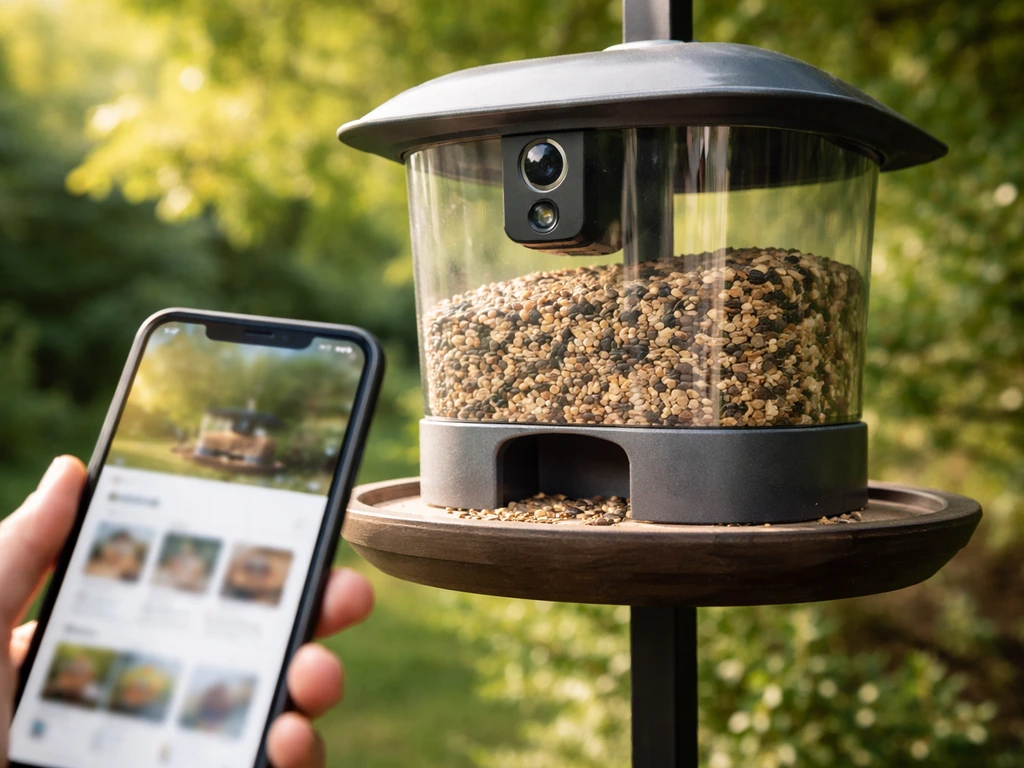
Choose the best digital bird feeder: smart features, bird-specific feeds, setup tips, winter durability, and squirrel-pr
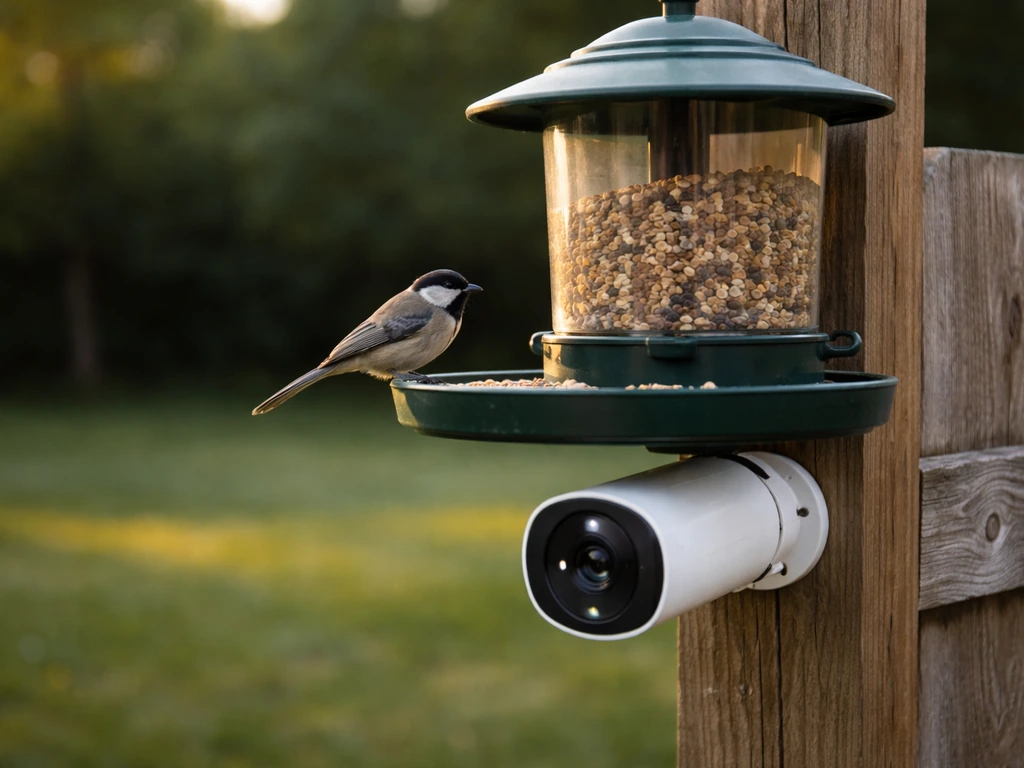
Top WiFi bird feeder camera picks with setup, night vision, alerts, weatherproofing, and placement tuning tips.
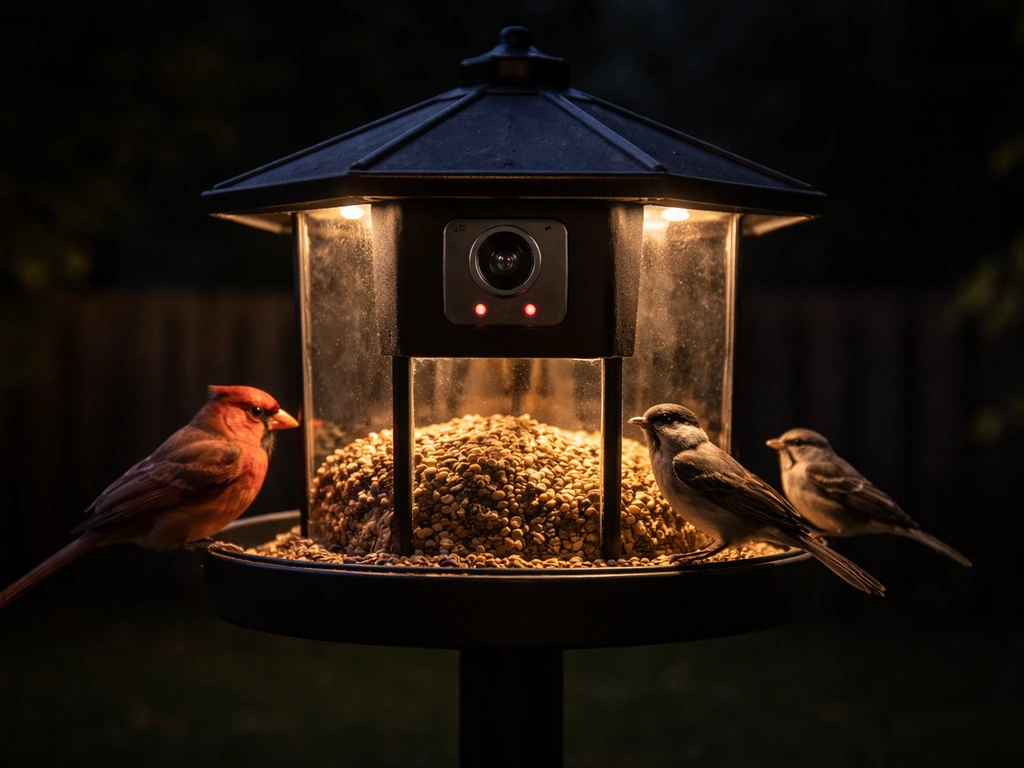
Choose the best AI bird feeder camera: specs for accuracy, night vision, Wi‑Fi, privacy, power, setup, and troubleshooti